
Reviewed · RAMEN TOURS & WORKSHOPS
Private Ramen or Gyoza Cooking Class in Kyoto with Chef Midori
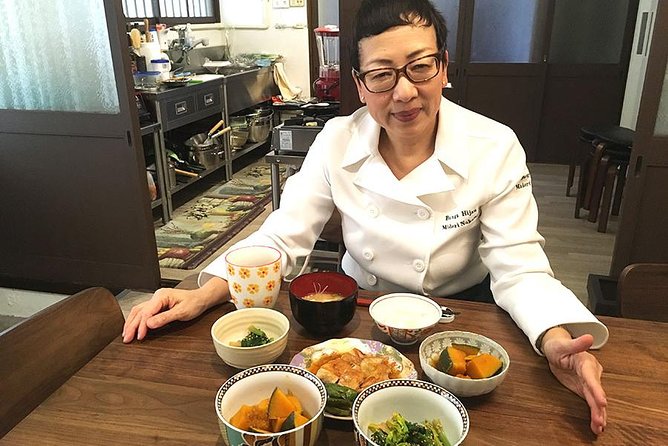
Chef Midori has taught Japanese cooking for more than 30 years, and this private lesson gives you something a busy group class cannot: her full attention. You begin with tea, learn the role of soy sauce, mirin, sake, and miso, then prepare a meal in her cozy Kyoto studio.
I like the personal format and the useful local advice. Midori can suggest restaurants, food shops, souvenirs, and even help with dinner plans. The main drawback is the price: at $169 per person, this costs more than a standard group cooking class, so it makes the most sense if you value private instruction and a relaxed pace.
Key points at a glance
- Chef Midori’s 30 years of teaching: Expect clear demonstrations, hands-on practice, and plenty of chances to ask questions.
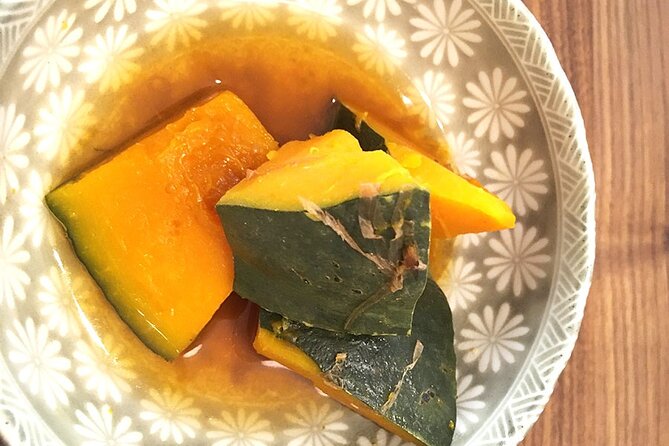
- Five menu choices: Select your preferred set menu when booking, including options such as gyoza, sushi, tonkatsu, teriyaki chicken, and Kansai street snacks.
- A meal you prepare yourself: The cooking lasts about 1.5 hours, followed by time to sit down and eat what you made.
- Dietary flexibility: Vegetarian, vegan, kosher, and halal meals can be arranged if you give advance notice.
- Private, home-style setting: Only your party takes part, with a cat kept upstairs and away from the kitchen and dining room.
- Useful Kyoto advice: Midori shares restaurant suggestions, food-shopping tips, and help with local plans.
A private Kyoto cooking class with a personal touch
Many cooking classes in Japan work like short demonstrations with a room full of visitors. This experience takes a different path. You meet Chef Midori in a local cooking studio near Kyoto’s Gion area, and the class is reserved for your own group.
That detail matters. You can stop Midori whenever you need help. If you want to repeat a cutting technique, ask about an ingredient, or record a step for later use, the format gives you room to do it. One couple specifically appreciated being able to record the lesson for future reference.
I also like the social side. Midori does not only teach recipes. She asks about your interests and your plans in Japan, then folds local suggestions into the conversation. If you are still deciding where to eat in Kyoto, her advice can be as useful as the cooking itself.
The setting is personal rather than polished like a large culinary school. You visit a local home-style studio, begin with Japanese tea, and spend the session cooking with one experienced teacher. That makes the class a good choice for people who want food culture through conversation, not just a list of instructions.
Other cooking classes in Kyoto people book:
- Ramen Cooking Class at Ramen Factory in Kyoto
★ 5.0 · 1,937 reviews - Kyoto: Ramen Cooking Class at a Ramen Factory with Souvenir
★ 4.9 · 532 reviews - Kyoto: Ramen, Gyoza, and Onigiri Cooking Class
★ 5.0 · 445 reviews
Starting with tea and four Japanese essentials
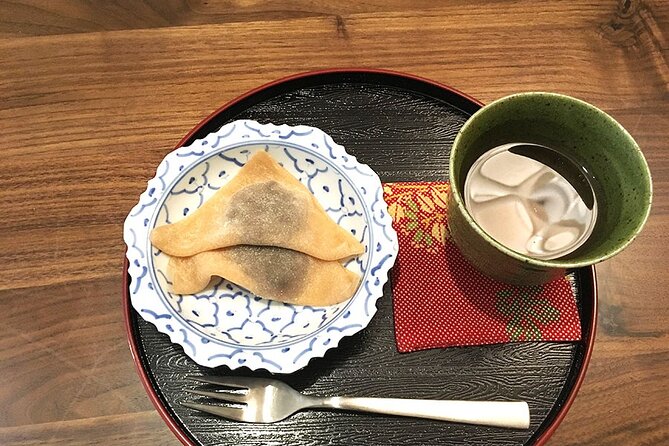
The class begins with a traditional cup of Japanese tea. It is a small start, but it sets the tone. You have time to settle in before the knives and pans appear, and Midori introduces the basic ingredients used in many Japanese home kitchens.
The four named staples are soy sauce, mirin, sake, and miso. You will learn how each one contributes to Japanese cooking, rather than treating them as interchangeable salty or sweet sauces. That foundation helps explain why many Japanese dishes taste balanced despite using a fairly short ingredient list.
I find this introduction useful for two reasons. First, it gives you context for the meal you are about to prepare. Second, it makes the recipes easier to repeat at home. If you know what mirin does in a sauce or how miso changes a soup, you can make sensible substitutions later instead of simply copying a recipe line by line.
Midori has been teaching for more than three decades, so she can adjust the explanation to your level. You do not need to arrive as an experienced cook. The class is designed around demonstration and practice, with time for questions.
Choosing from five Japanese menus
You need to select one of five set menus in the special requirements section of your booking. The available choices include several familiar Japanese favorites, along with vegetarian and vegan possibilities.
The options described for the class include:
- Teriyaki chicken
- Sushi
- Tonkatsu
- Gyoza and other Kansai street snacks
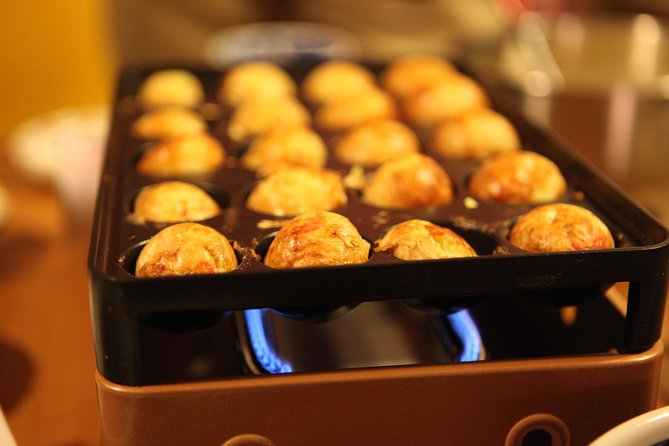
- Takoyaki or okonomiyaki within the street-food menu
The experience is also marketed around ramen or gyoza cooking, so check the current menu choices when you reserve and state clearly what you want. The important point is that you are not assigned a mystery meal after arrival. You choose ahead of time, which lets Midori prepare for your interests and dietary needs.
This menu system works well for repeat visitors to Japan. If you already know sushi, you might prefer tonkatsu or Kansai street food. If you want something that feels easy to recreate at home, gyoza, teriyaki, or okonomiyaki may be more practical than a dish requiring specialist equipment.
Your choice also changes the rhythm of the lesson. Sushi brings attention to preparation and assembly. Tonkatsu introduces a familiar Japanese comfort food. Gyoza combines filling, folding, and cooking. Takoyaki and okonomiyaki connect the class with Kansai’s casual street-food culture.
Because the class is private, you can tell Midori what you hope to learn. If you want to focus on technique rather than simply finish the meal, say so in advance.
The 1.5-hour cooking lesson
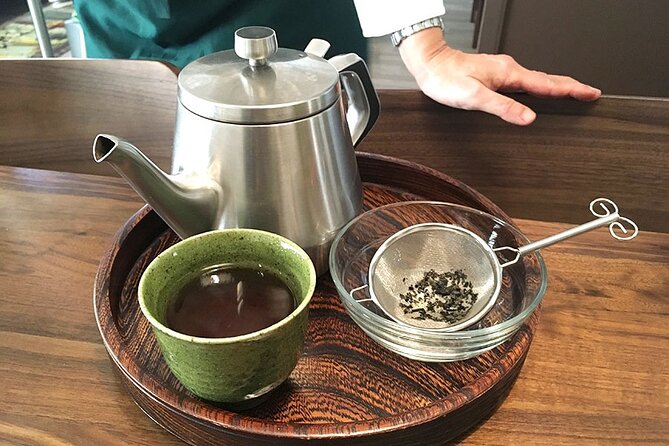
The active cooking portion lasts about an hour and a half. Midori combines live demonstrations with hands-on work, so you are not simply watching her prepare everything.
You should expect a practical lesson rather than a formal lecture. She demonstrates a step, explains what to watch for, and then guides you as you try it. That approach is especially helpful for dishes such as gyoza, where the finished shape depends on small movements, or tonkatsu, where timing and texture matter.
The class has enough flexibility for questions. You can ask about ingredient choices, shopping, or how to adapt a recipe at home. One participant found Midori’s shopping advice particularly useful because it was based on the dishes they wanted to cook after returning home.
I like that the lesson connects technique with ordinary Japanese life. You are not only learning how a restaurant version is made. You are learning about home-style ingredients and methods that a local cook has used and taught for years.
The pace should suit couples, families, and small groups who want to participate together. A private booking also means nobody outside your party is waiting for you to catch up or moving ahead before you understand the step.
Other bowls worth queuing for in Kyoto:
- Kyoto Ramen and Gyoza Cooking Class with Professional Chefs
★ 5.0 · 282 reviews - Home style Ramen and Homemade Gyoza in Kyoto
★ 5.0 · 152 reviews - Kyoto Michelin Ramen Workshop or Painting Ramen Essentials
★ 4.9 · 100 reviews - Kyoto Ramen Noodle Making Class
★ 5.0 · 58 reviews
Sitting down to eat what you made
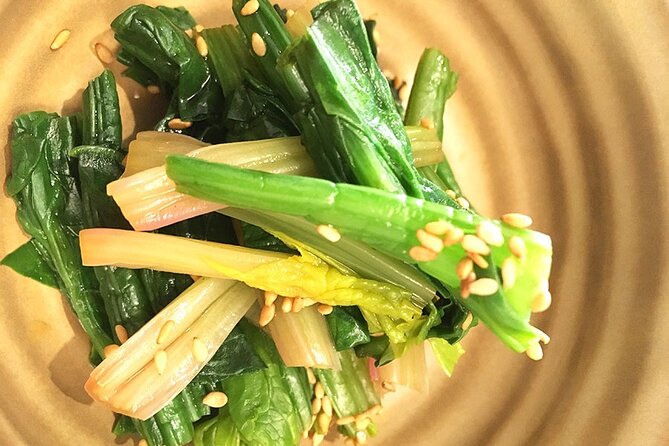
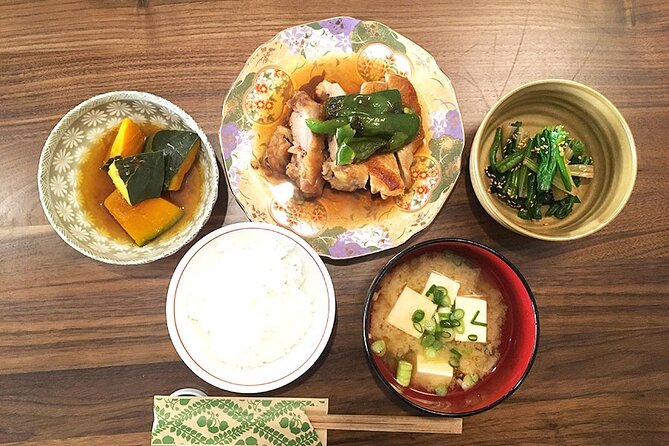
After cooking, you share the meal at the studio. This is more than a quick taste at the end. The class description allows time to sit with Midori, enjoy the dishes, and talk about Kyoto.
That meal gives the experience a natural second half. You can compare the result with what you expected, ask why a sauce or texture turned out a certain way, and discuss ways to make the recipe again. Food tastes different when you have handled each stage yourself, especially if the dish involved folding, shaping, or careful assembly.
The shared meal also makes this a good break from sightseeing. Kyoto can fill your day with temples, lanes, and crowded restaurant districts. Here, you spend time indoors with a local teacher and leave with more than another photograph.
Midori uses the meal to share restaurant recommendations and tips on where to shop for food and souvenirs. She has also helped participants with dinner reservations and suggestions for other cities in Japan. I would bring a short list of food questions, since this is an easy moment to ask them.
What makes Chef Midori the heart of the experience
The strongest part of this class is Midori herself. She has more than 30 years of cooking-teaching experience, but the appeal is not only technical.
Her teaching style is warm, direct, and personal. She welcomes you with tea, takes an interest in your plans, and treats the class as time spent cooking together rather than a one-way performance. Several participants valued her humor, patience, and willingness to answer questions.
That matters in a private activity. A teacher who is technically strong but distant can make a two-and-a-half-hour class feel long. Midori’s conversational approach gives the session a relaxed, home-visit quality.
You should also know that this is not a restaurant kitchen or a large professional school. The charm comes from the local setting and the one-to-one attention. If you want theatrical presentation, advanced knife work, or a polished chef’s counter, you may prefer a different experience. If you want to cook with a friendly local who can explain everyday Japanese food, this format is a better match.
A cat lives in the home, but it remains upstairs and does not enter the kitchen or dining area. That is useful information for anyone with allergies or a strong concern about animals in a cooking space.
Location, timing, and the practical details
The meeting point is in Kyoto’s Shimogyo Ward at:
713-7 Chudoji Mibukawacho, Kyoto, 600-8806, Japan
The activity ends at the same meeting point. It is near public transportation, but you should allow enough time to find the address, especially if you are coming from a major sightseeing area. The class lasts about two and a half hours in total, with roughly 1.5 hours of cooking followed by the meal and conversation.
This is a private activity, so only your own party participates. That makes it particularly useful for families with children, couples on a special trip, or friends who want to cook at their own speed.
A mobile ticket is provided, and confirmation arrives when you book. The experience is often reserved about 63 days ahead, which is a useful warning for a Kyoto itinerary during busy seasons. I would not leave this until the final day or two if your dates are fixed.
You can cancel for a full refund up to 24 hours before the start time. Changes or cancellations inside that 24-hour window are not accepted for a refund, with cut-off times based on Kyoto local time.
Dietary needs and menu planning
Vegetarian and vegan options are available, as are kosher and halal arrangements. You must give notice when booking so Midori can prepare properly.
This is not a detail to leave until arrival. Japanese cooking often uses dashi, soy sauce, sake, or other ingredients that may not fit every diet. State your requirements clearly in advance, and include the menu you want in the special requirements section.
The five-menu choice also lets you shape the experience around your group. If one person wants sushi and another wants street food, ask how the available set menus can work for your party before booking. The information provided confirms a private and personalized class, but it does not promise that every menu can be combined in one session.
Service animals are allowed. The cat remains upstairs and away from the cooking and dining areas, but people with serious allergies should still consider contacting the provider before reserving.
Is $169 per person a fair price?
At $169 per person, this is not a budget meal or a quick demonstration. You are paying for a private session, a 2.5-hour experience, hands-on instruction, the food you prepare, and direct time with a teacher who has spent more than 30 years teaching Japanese cooking.
I think the price can make sense for couples and small groups who want personal attention. The local advice adds value too. Restaurant suggestions, food-shopping guidance, and help with reservations can improve the rest of your Kyoto visit.
The value is weaker if you mainly want to eat Japanese food or watch a chef cook. You can spend less on a restaurant meal or a larger group class. This experience earns its price through the private setting, the ability to ask questions, the menu choice, and the chance to learn recipes you can repeat at home.
I would also compare it with the cost of a special meal in Kyoto. If you already plan to spend generously on dining, this class gives you a skill and a personal connection rather than only a finished plate.
Who should book Chef Midori’s class?
I would recommend this class to:
- Couples who enjoy cooking together
- Families looking for a hands-on activity away from temples and museums
- Visitors who want a local food experience in a small setting
- Cooks who want recipes they can repeat at home
- People who appreciate restaurant and shopping advice from a local teacher
- Anyone needing a private class with advance dietary planning
I would think twice if you dislike cooking, need a very low-cost activity, or want a formal restaurant-style lesson. The class asks you to participate. Its appeal is the work, conversation, and meal taken together.
Should you book this Kyoto cooking class?
Book it if you want to spend part of your Kyoto visit cooking with one local teacher instead of moving through another crowded attraction. Chef Midori’s long teaching background, warm manner, and useful city advice give the class substance beyond the recipes.
The best reason to reserve is the private format. You can choose your menu, ask specific questions, move at your own pace, and sit down afterward to eat what you prepared. At $169 per person, it is a considered purchase, but it offers more personal attention than a standard class.
Choose your menu and state any dietary needs when booking. If you want a relaxed Japanese food lesson with a strong human connection, this is a sound choice. If you only want the cheapest way to try gyoza, ramen, or sushi, spend your money at a restaurant instead.
FAQ
Where does the cooking class take place?
The class takes place at a local cooking studio near Gion in Kyoto. The meeting address is 713-7 Chudoji Mibukawacho, Shimogyo Ward, Kyoto, 600-8806, Japan.
How long does the experience last?
The experience lasts about 2 hours and 30 minutes. The cooking session itself takes about 1.5 hours, followed by a shared meal.
Which menus can I choose?
You choose from five set menu options when booking. The listed choices include teriyaki chicken, sushi, tonkatsu, gyoza, takoyaki, and okonomiyaki through the Kansai street-food menu. Check the available menu details when reserving.
Can the class accommodate dietary restrictions?
Yes. Vegetarian, vegan, kosher, and halal options are available. You must advise the provider at the time of booking so the host can prepare.
Is this a private activity?
Yes. Only your own group participates in the class, giving you personalized instruction from Chef Midori.
What is the cancellation policy?
You can cancel up to 24 hours before the experience begins for a full refund. Cancellations or changes made less than 24 hours before the start time are not accepted for a refund.
More cooking classes elsewhere in Japan
- Kyoto: Japanese Washoku Bento Small Group Cooking Class
★ 5.0 · 380 reviews - Kyoto: Afternoon Japanese Izakaya Cooking Class
★ 4.9 · 241 reviews - Izakaya Style Cooking Class
★ 5.0 · 219 reviews - Gyoza Cooking Class in Kyoto: Traditional Japanese Dumplings
★ 5.0 · 210 reviews
Just added in Kyoto
- Your Private Vacation Photography Session In Kyoto★ 5.0 · 110 reviews
- Kyoto: Zen Meditation at a Private Temple with a Monk★ 5.0 · 25 reviews
- Private Cooking Class Udon in Kyoto Japan★ 5.0 · 23 reviews
- Private Pewter Sake Cup Experience with a Kyoto Artisan★ 5.0 · 31 reviews
- Kyoto Wagashi(Japanese sweets) Cooking Class near Fushimiinari★ 5.0 · 60 reviews
- Kyoto:Family-Friendly Kimono & Yukata Experience at WARGO★ 5.0 · 147 reviews
- Private Guided Traditional Buddhist Cooking in Japan★ 5.0 · 16 reviews
- Kyoto: Gion Geisha District & Sake-in-Hand Walking Tour★ 5.0 · 37 reviews
Ramen Tours & Workshops, compared.
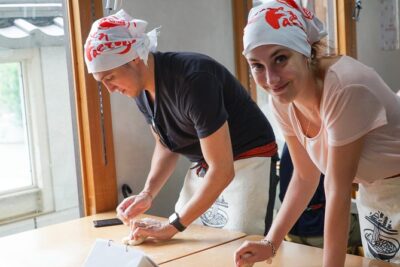
Ramen Cooking Class at Ramen Factory in Kyoto
Read our review →
Eat and Drink Like a Local: Tokyo Ueno Food Tour-Taverns&Ramen
Read our review →
Ramen & Gyoza Cooking Class in Tokyo with Local Supermarket Visit
Read our review →
Ramen Cooking Class at a Ramen Factory with Souvenir
Read our review →
Five Must-See Highlights Walking Tour & Ramen Lunch
Read our review →
Browse the lists this tour appears in