
Reviewed · WALKING TOURS
Tokyo: Asakusa Walking Tour with Japanese Comedian
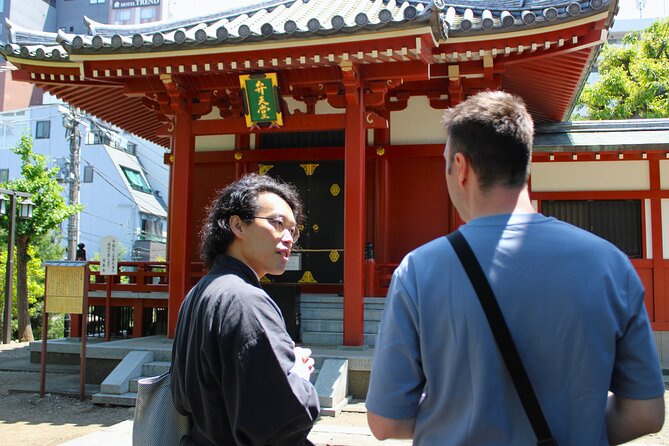
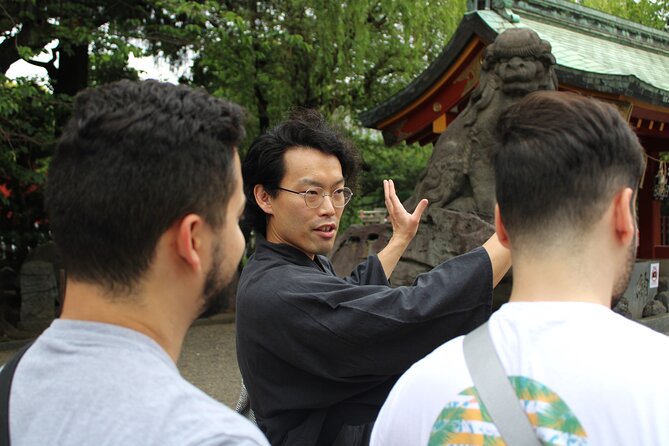
Asakusa is one of Tokyo’s best places to understand how old Japan still fits into a modern city. On this 90-minute walk, comedian and former rickshaw driver Ryo connects Senso-ji, Asakusa Shrine, local statues, and nearby landmarks with clear stories and a little English-language humor. I like the free high view of Asakusa and the small group, limited to eight people. I also like that the tour explains why Buddhist and Shinto sites sit side by side here.
The main drawback is that the walk covers sights many first-time visitors already plan to see, so its value depends on how much context you want. It is also tightly timed, and Ryo cannot wait for late arrivals or stop for food and souvenir shopping.
Key points
- Ryo’s unusual background: Your guide has six years of experience working in Asakusa as a rickshaw driver and also performs standup comedy in English.
- A free city view: Before reaching Senso-ji, you’ll see Asakusa from the top of a nearby building without paying an extra admission fee.
- Buddhist and Shinto traditions together: The tour explains the difference between Asakusa Shrine and Senso-ji, which sit next to each other.
- Small-group format: With no more than eight people, it should be easier to ask questions and keep close to the guide.
- A useful first-day walk: The route gives you bearings around Sumida Park, Kaminarimon Gate, Nakamise Shopping Street, and the temple grounds.
- Good value for context: At $31 per person, the cost is reasonable if you want history, cultural explanation, and local recommendations in one short visit.
Why Ryo’s Asakusa walk feels different
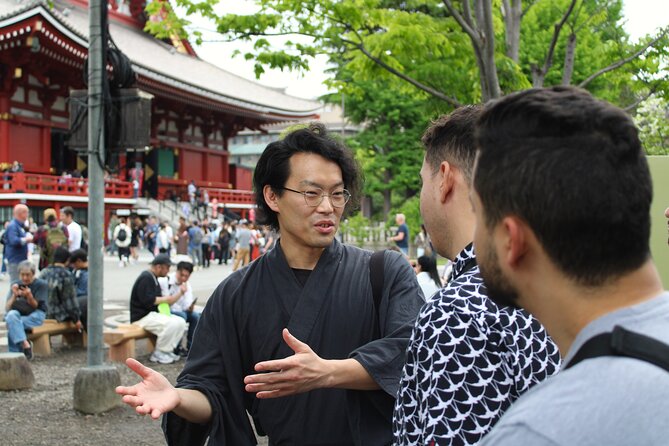
Many Asakusa walks focus only on photographs at Kaminarimon Gate and Senso-ji Temple. This one adds a personal angle through Ryo’s work as a rickshaw driver and his career as a Japanese comedian performing in English.
That combination matters. A rickshaw driver spends years watching visitors react to Asakusa, answering questions, and noticing details that people miss when they hurry from the gate to the main hall. Ryo also brings humor into the tour, though you should think of it as a cultural walk with comic touches, not a full standup performance.
The tour is offered in English and Japanese. The English presentation is especially useful if you want explanations of religious customs rather than only names and dates. Ryo discusses Japanese attitudes toward Buddhism and Shinto, the role of temples and shrines, and the way Asakusa developed over time.
The small group helps here. Eight people is not a private tour, but it is far more manageable than a large walking group around a busy temple complex. You can ask about a statue, a ritual, or a custom without having to shout across a crowd.
Other walking tours in Tokyo people book:
- Tokyo Tsukiji Fish Market Food and Culture Walking Tour
★ 5.0 · 3,184 reviews - Tokyo: Imperial Palace and Shogun Historical Walking Tour
★ 5.0 · 2,251 reviews - Tokyo: Shinjuku Local Bar and Izakaya Guided Walking Tour
★ 4.9 · 1,794 reviews
Starting beside Tokyo Cruise and Sumida Park
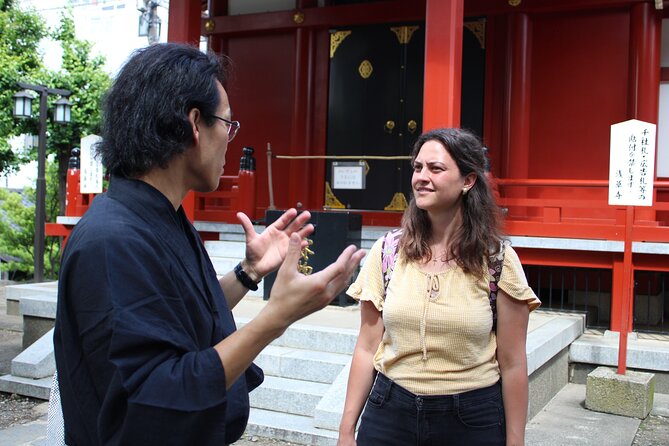
The meeting point is in front of Tokyo Cruise, the water-bus station near Asakusa Station on the Tokyo Metro Ginza Line. It is only a one or two-minute walk from the station, but arrive five minutes early. The walk begins on time, and the guide cannot wait for late arrivals.
The opening section gives you a useful orientation before the temple crowds take over. Ryo points out Tokyo Skytree and the Asahi Beer Company, two easy landmarks that help you place Asakusa within modern Tokyo. The contrast is useful: one direction shows the city’s tall, contemporary side, while the other leads toward centuries-old religious buildings and traditional shopping streets.
You’ll also visit the top of a nearby building for a view of Asakusa. The information provided does not name the building, but the visit is free and gives you a different angle on the district. This is a nice touch because the main temple grounds can feel crowded and enclosed. A higher viewpoint lets you see how the streets, river area, and major structures fit together.
I would pay attention during this first section if you are visiting Asakusa early in your Tokyo trip. The district has several major sights close together, but the streets can feel confusing at first. A quick orientation can help you return later on your own.
Kaminarimon Gate and the first photographs
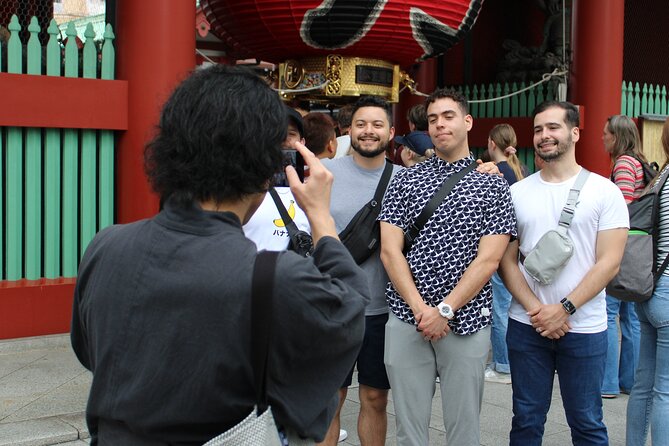
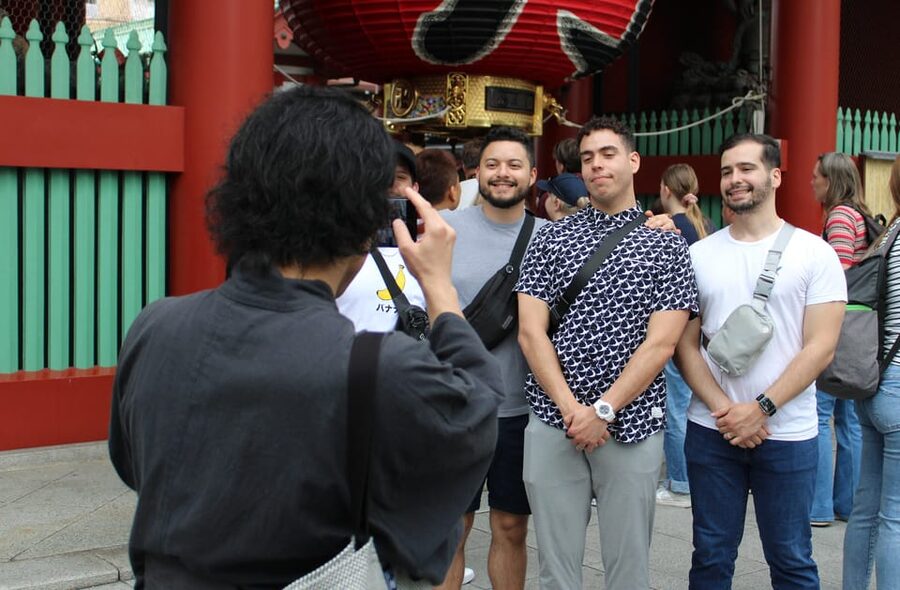
The route continues to Kaminarimon, the Thunder Gate and one of Asakusa’s most recognizable sights. Its large lantern makes an obvious photo stop, but the value of having Ryo here is the explanation around the image.
You’ll have time for photographs and a guided look at the gate before moving toward Nakamise Shopping Street. This is usually the point where visitors begin to sense the layout of the district: Kaminarimon at the entrance, Nakamise leading toward Senso-ji, and the religious buildings beyond.
Because this is a well-known stop, you may already have it on your own list. That does not make the visit pointless, but it does affect the value of the tour. If you only need directions and photographs, you can do this section yourself. If you want to understand what you are seeing and ask questions as you go, the guide earns his fee more easily.
Nakamise Shopping Street without a shopping detour
Nakamise Shopping Street leads toward Senso-ji and is lined with shops selling souvenirs, snacks, and traditional items. This tour does not stop for food or shopping. That keeps the walk on schedule, but it also means you should return later if you want to browse.
Ryo uses illustrations here to explain the origin of Senso-ji and how the temple received support from different groups across Japanese history, including local people and military leaders from different periods. The illustrations should help make the story easier to follow than a string of dates would be.
This part is particularly useful if you plan to spend more time in Asakusa after the tour. Ryo can recommend places to shop once the walk ends, but he does not escort you through the stores. One earlier participant followed a recommendation for melon pan, a sweet bread, so you may want to note any food suggestions and explore them afterward.
The no-shopping rule is worth understanding before booking. Some walking tours build in time for snacks or browsing. This one is more focused on explanation and movement through the district. If you want to eat while you explore, schedule that separately.
Other guided walks in Tokyo:
- Tokyo: Tsukiji Fish Market Food and Walking tour
★ 5.0 · 1,724 reviews - Tokyo: Asakusa Walking Tour with Sensoji Temple Visit
★ 4.8 · 1,583 reviews - Tokyo: Tsukiji Fish Market Guided Walking Tour
★ 4.9 · 1,397 reviews - Tokyo Castle & Imperial PalaceーShogun Walking Tour
★ 4.7 · 1,068 reviews
Asakusa Shrine and Senso-ji side by side
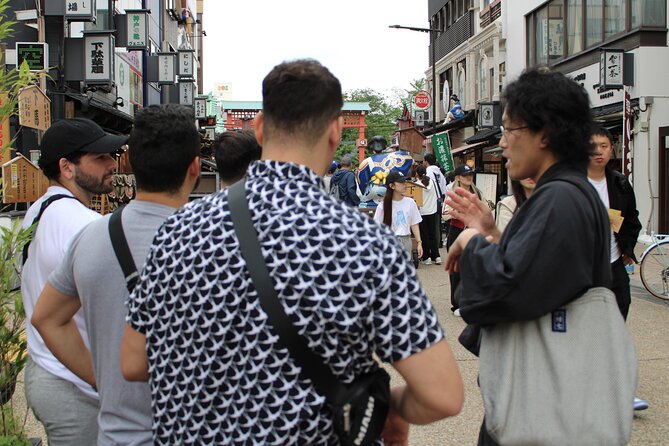
The most useful cultural lesson comes when the route reaches Asakusa Shrine and Senso-ji Temple. Asakusa is distinctive because a Shinto shrine and a Buddhist temple stand beside one another.
For many visitors, the two can look like parts of one large religious complex. Ryo explains the difference between them and discusses how Japanese people may interact with both traditions. This gives you a better way to understand the rituals you see in Japan, where Buddhism and Shinto often exist together rather than being treated as strictly separate choices.
At Asakusa Shrine, you’ll receive a guided explanation and sightseeing time. At Senso-ji, the tour continues toward the main hall, known as the Hondo. Ryo explains the temple’s origin and why it has remained important to the people of Asakusa.
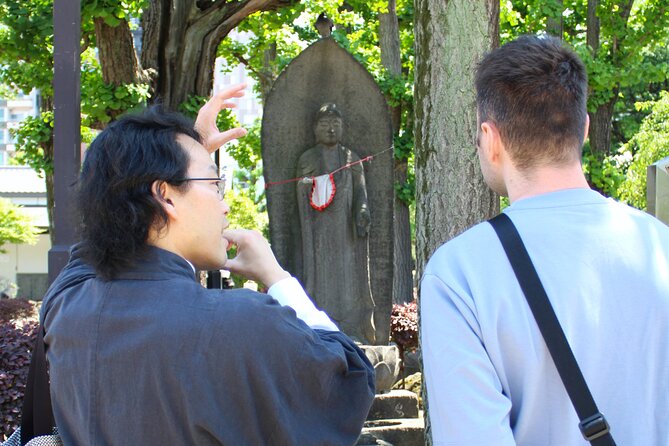
The tour also includes smaller temples, shrines, and a variety of Buddhist statues around the area. These stops may be easy to miss if you follow the main flow of people toward the large temple hall. Ryo explains the significance of the Buddhist deities, giving you a reason to look closely rather than treating every statue as decoration.
The main limitation is time. Ninety minutes is enough for an introduction, but not enough for a slow study of every building or statue. You’ll get the framework and the key stories, then you can return independently to spend longer at the places that interest you.
What Ryo’s humor adds to the walk
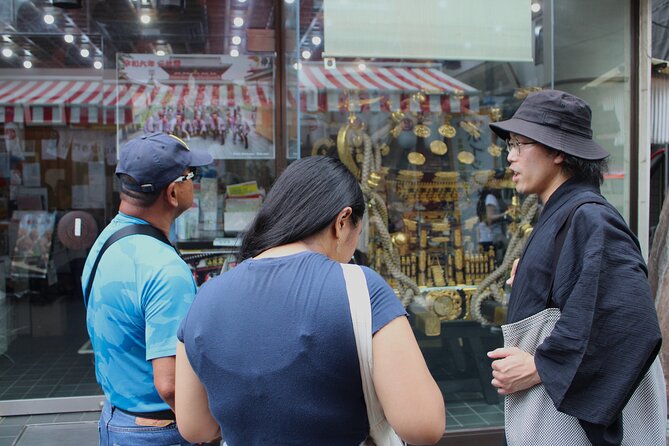
Ryo’s comedy is part of the experience, but it should not be the only reason you book. His humor comes from his career as a Japanese comedian and his view as a local guide. That can make cultural subjects easier to approach, especially when the difference between a temple and a shrine feels unfamiliar.
The tone is not described as a separate comedy show. You are booking a cultural walking tour led by someone who uses humor while explaining history, religion, and local life. If you prefer a strictly academic presentation, this may feel more casual than expected. If you enjoy conversation and occasional jokes, it adds a human touch to the route.
The strongest praise for Ryo centers on his detailed explanations, local insight, kindness, and ability to answer questions about Japanese history. One person had what was effectively a private tour and found his calm manner and background especially worthwhile. Another described the walk as a good way to get bearings in the area.
There is also a more mixed experience to keep in mind. One recent booking found useful information but felt that many of the sights were already part of the visitor’s own plan, and that Ryo was not especially enthusiastic as a guide. That is a fair warning: the tour’s success depends partly on your interest in background information and interaction.
Is $31 a fair price for 90 minutes?
At $31 per person, the price is fair for a small-group walk with a live guide, especially in central Tokyo. You are not paying for admission to a major attraction. You are paying for structure, explanation, a free elevated view, and the chance to ask questions while moving through Asakusa.
The value is strongest if you are visiting Japan for the first time, want help understanding religious customs, or prefer a short introduction before exploring alone. The price is less compelling if you already know Asakusa well or plan to visit each major sight independently with a guidebook.
The small group improves the calculation. A maximum of eight people gives the walk a more personal feel than a large group, and the tour is available with English or Japanese explanation. The 90-minute length also works well in a busy Tokyo schedule. You can fit it before lunch, after arriving in the area, or at the start of a longer Asakusa visit.
The tour has free cancellation up to 24 hours before the start, and you can reserve now and pay later. It is wheelchair accessible, though the information provided does not describe the exact surface conditions or any assistance available along the route.
Practical planning for your Asakusa visit
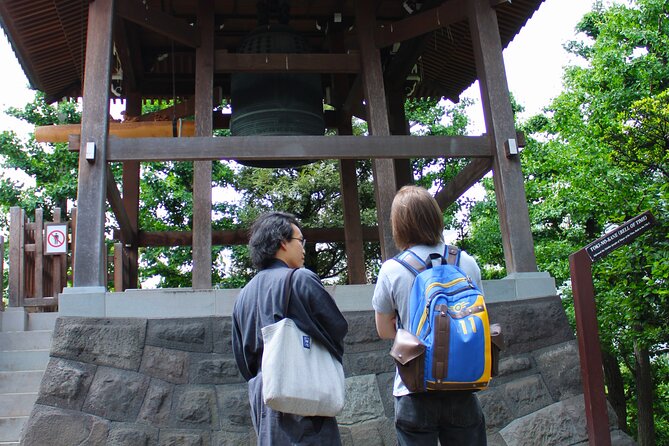
Meet in front of Tokyo Cruise, near Asakusa Station on the Ginza Line. Do not go directly to Senso-ji and expect to find the group there. The walk begins at the stated meeting point and finishes at the Hondo, so you will need to make your own way afterward.
The guide does not pick you up at a hotel or take you to a station at the end. This is simple to manage because the meeting point is close to Asakusa Station, but it is worth planning your onward route before the walk begins.
Wear comfortable shoes. The tour is a walking route through a temple and shrine district, and the schedule leaves no room for a late start. Food and souvenir stops are not included, so have a plan for afterward if you want to eat at Nakamise or shop for gifts.
The walk may suit families and mixed-age groups, but the information does not give a minimum age or a special children’s program. If your group wants a very slow pace, many food stops, or extended shopping time, this is probably not the right format.
Who should book this tour?
I would choose this walk if you want to understand Asakusa rather than simply photograph it. It is a good fit for a first visit to Tokyo, particularly if Buddhist and Shinto traditions are new to you and you value a guide who can explain small details in plain English.
I would also recommend it to anyone who likes a personal guide with an unusual background. Ryo’s years driving a rickshaw in Asakusa give him a practical connection to the district, while his comedy work adds a lighter tone.
I would hesitate if you have already spent time in Asakusa, have researched the major sights closely, or want a tour built around eating and shopping. You may find that the route repeats places you already intend to see. In that case, the tour is worthwhile only if Ryo’s explanations and cultural context add something new.
FAQ
How long does the Asakusa walking tour last?
The tour lasts 90 minutes.
What language is the tour offered in?
The live guide is available in English and Japanese.
Where does the tour meet?
You meet in front of Tokyo Cruise, the water-bus station near Asakusa Station on the Tokyo Metro Ginza Line. It is about a one or two-minute walk from the station.
Where does the tour finish?
The tour finishes at the Hondo, the main hall of Senso-ji Temple.
Does the tour include shopping or food stops?
No. The itinerary does not include stops to shop for food or souvenirs. Ryo can provide recommendations for shopping afterward.
How many people can join the tour?
The tour is a small-group experience limited to eight participants.
Can I cancel or pay later?
You can cancel up to 24 hours in advance for a full refund. You can also reserve now and pay later.
Just added in Tokyo
- The 10 Tastings of Tokyo With Locals: Private Street Food Tour★ 5.0 · 48 reviews
- Small Town in the Big City: Tasting Tokyo’s Kichijoji★ 5.0 · 195 reviews
- Small Town in the Big City: Tasting Tokyo’s Kichijoji★ 5.0 · 16 reviews
- EXCLUSIVE Tokyo Secret: Kichijoji Small-Group Food & Bar Hopping★ 5.0 · 29 reviews
- Explore Kichijoji: Walk Through One of Tokyo’s Beloved Districts★ 5.0 · 21 reviews
- :Tokyo,Shibuya/ Pro Photography in Kimono / English-Friendly★ 5.0 · 26 reviews
- 【R34】Tokyo:Private Daikoku tour in Modified R34★ 4.9 · 92 reviews
- Tokyo:Calligraphy &Make your original folding fan in Asakusa★ 5.0 · 62 reviews
Walking Tours, compared.

Kyoto Geisha Walking Tour: Gion District & Hidden Gems
Read our review →
Tokyo Tsukiji Fish Market Food and Culture Walking Tour
Read our review →
Imperial Palace and Shogun Historical Walking Tour
Read our review →
Gion Geisha District Walking Tour – Stories of Geisha
Read our review →
Shinjuku Local Bar and Izakaya Guided Walking Tour
Read our review →
Asakusa Walking Tour with Sensoji Temple Visit
Read our review →
Nishiki Market Brunch Walking Tour (7 Tastings + Brunch)
Read our review →Browse the lists this tour appears in