
Reviewed · COOKING CLASSES
Tokyo: Kawaii Bento Cooking Class – Cute Character Lunchbox
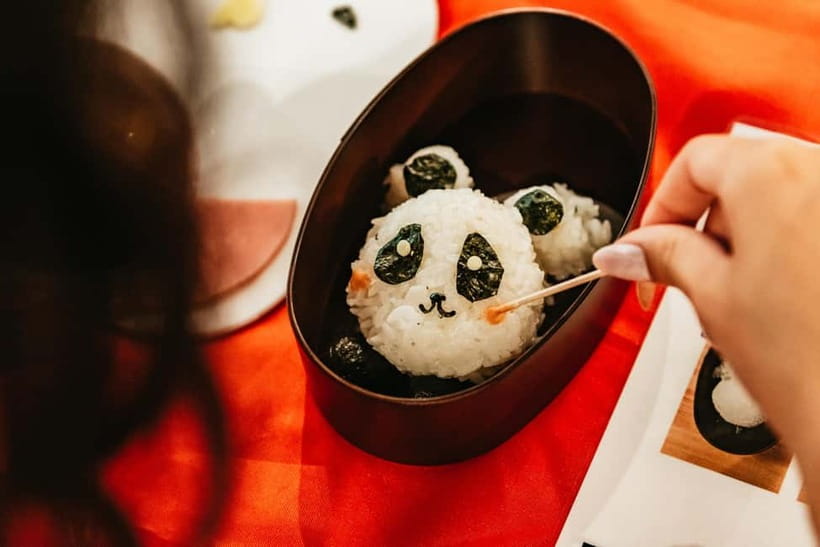
A character bento turns lunch into edible art. At Tokyo Cute Bento, you shape rice, arrange side dishes, and add tiny facial details under the guidance of English-speaking instructors such as Kenji and Mari. The result is playful, but the class also explains why bento matters in Japanese daily life.
I like the mix of hands-on cooking and cultural context, and I like that you do not need prior skill. The instructors provide many small tools, guide each step clearly, and can prepare alternatives for some dietary needs. The main caution is that common allergens, including seafood, soy, and sesame, are used, so severe allergies require careful discussion before booking.
Key points to know
- Choose your character: Select a panda, brown beer, or seasonal limited-edition bento after booking by email.
- Learn by doing: A 15-minute introduction leads into about an hour of shaping, decorating, and arranging food.
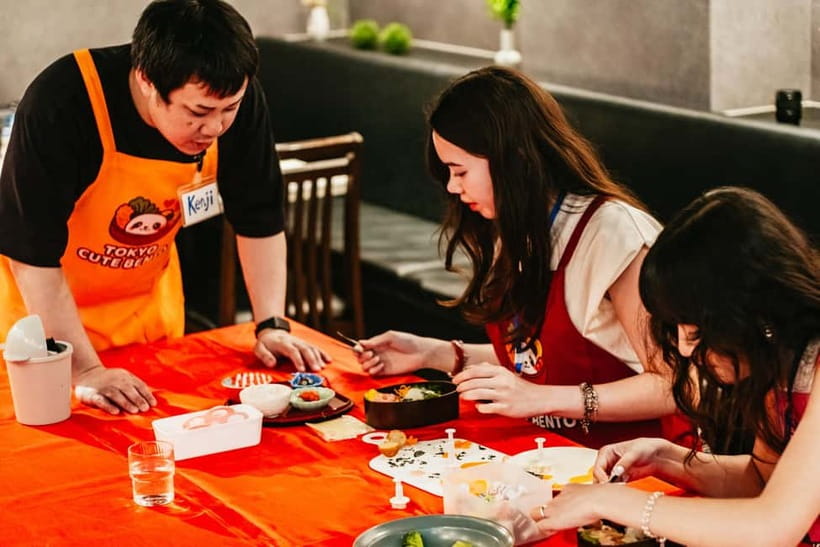
- English guidance: Kenji, Mari, and the teaching team explain the process step by step, with no cooking background required.
- Good for mixed ages: Families, couples, friends, and solo visitors can all join, though children need adult supervision around knives.
- Eat and photograph your work: The final 45 minutes include a photo session and time to enjoy the finished lunch.
- Easy rainy-day plan: The class is indoors, near Tameike-Sanno Station, and is wheelchair accessible.
Why a character bento makes a good Tokyo activity
Tokyo offers plenty of sightseeing where you look, listen, and move on. This class gives you something to make with your hands. You are not simply eating a prepared Japanese lunch. You are learning how small details, careful arrangement, and playful design turn an ordinary meal into a personal expression.
Kawaii culture is often associated with mascots, stationery, fashion, and cute packaging. Here, it appears in a more practical form. Rice becomes the base of a face. Side dishes fill the box. Tiny decorations give the character its personality. The approach makes Japanese food culture approachable, especially if you want an activity that is less formal than a traditional cooking lesson.
I also like the social balance. You work at your own station, but the class has a shared rhythm. The instructor demonstrates, you copy the technique, and everyone gradually sees a box take shape. Solo visitors are welcome, while couples and families can make different characters side by side. One person might choose a panda while another makes a different animal or design.
The $64 price is fair if you value instruction and a complete activity rather than a meal alone. You receive the class, all ingredients and tools, English recipes, cultural explanation, a photo session, the meal itself, and a souvenir. It is not the cheapest lunch in Tokyo, of course. The value comes from spending two hours learning a skill you can repeat at home and taking away a finished bento rather than only a restaurant receipt.
More cooking in Tokyo:
- Ramen & Gyoza Cooking Class in Tokyo with Local Supermarket Visit
★ 5.0 · 823 reviews - Ramen and Sushi Cooking Class with Sake Pairing Set in Tokyo
★ 5.0 · 291 reviews - Tokyo: Wagyu and 7 Japanese Dishes Cooking Class
★ 4.9 · 273 reviews
Finding the basement studio near Tameike-Sanno
The meeting point is Exit 7 of Tameike-Sanno Station. Walk straight, cross the intersection, and look for the building directly ahead. A panda bento sign marks the entrance. The workshop is in the basement, under a ramen shop.
That landmark matters because the class is not presented as a major tourist attraction from the street. Give yourself enough time to leave the station, cross the road, and find the sign without rushing. Ticket redemption and the activity take place at the same location, so you do not need to travel between a meeting point and a separate kitchen.
The location is described as convenient for plans around Tokyo Station, Shibuya, and Asakusa. The exact class starting times vary, so check availability when choosing your date. Since the session is indoors, it can fill a gap on a hot, rainy, or otherwise tiring sightseeing day.
Wheelchair access is available. If accessibility is important to you, it is still sensible to confirm the current route and room arrangements when booking, especially if you need particular equipment or assistance.
The first 15 minutes: bento beyond a lunchbox
The class begins with an introduction to Japanese bento culture. This opening lasts about 15 minutes, so it should give you useful context without taking over the cooking time.
Bento is more than food packed into a box. It reflects planning, portioning, presentation, and the Japanese habit of making everyday meals neat and portable. The character version adds a creative layer, but it still depends on the same basic idea: several foods arranged so the meal looks appealing and feels complete.
This short talk helps explain why the finished box matters. You are not decorating randomly. You are working within a food tradition that values balance and presentation. The instructors connect the practical steps to Japanese food culture, which makes the activity more meaningful than a simple craft session.
The tone appears friendly rather than academic. Kenji has been praised for explaining the cultural and practical side with care, while Mari has taught alongside him in small-group classes. You should expect clear instruction aimed at first-time cooks, not a professional culinary course.
The 60-minute character bento workshop
The main cooking section lasts about an hour. The class provides the ingredients, tools, and recipes, so you can focus on shaping and arranging instead of shopping or preparing a kitchen.
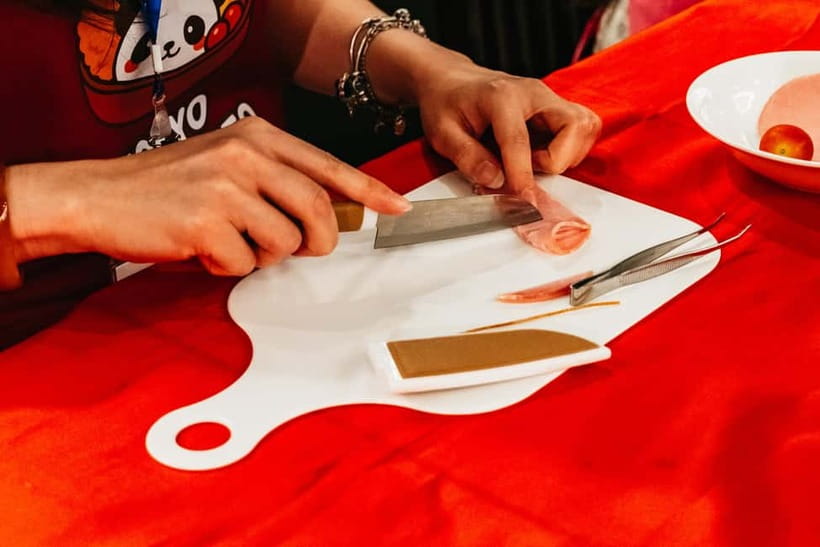
You begin with the basic structure of the character bento. From there, the details create the personality. The instructors show you how to form the main elements, add decorated faces, and place side dishes in the box. You then repeat each step at your own pace.
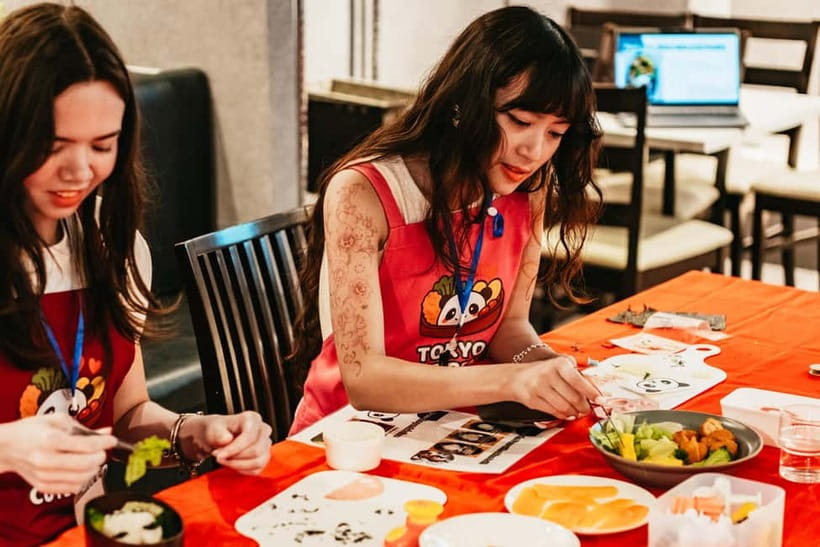
The large selection of bento tools is one of the more useful features. Small cutters and shaping aids make the designs easier for beginners. That does not remove all the work, but it takes away the worry that you need a steady professional hand. Several people have found the finished panda or dog designs easier than expected, which is encouraging if you consider yourself more practical than artistic.
The class also leaves room for creativity. You are not only following a recipe with one correct result. You can make choices about faces and decoration within the selected design. That is where the activity works well for families and friends. Children can take part in the visual work, teenagers can enjoy the craft element, and adults can concentrate on neat presentation or technique.
Knives and other cooking tools are used. Children are welcome, but parents or guardians must supervise younger participants. The activity is suitable for children who can follow instructions and work safely with an adult nearby, rather than for very young children who need constant hands-on control.
You may find the class especially useful if you want a Japanese skill you can repeat later. The English recipes and the clear sequence make it possible to try a similar bento at home. You will still need ingredients and suitable tools afterward, but the basic methods are not locked inside the studio.
Same base, a different sort of day:
- Mt Fuji and Hakone 1-Day Bus Tour Return by Bullet Train
★ 5.0 · 26,383 reviews - 1-Day Tokyo Bus Tour
★ 5.0 · 14,250 reviews - Tokyo: TOKYO SKYTREE® Admission ticket
★ 4.5 · 11,192 reviews - Tokyo: teamLab Planets TOKYO Digital Art Museum Entry Ticket
★ 4.6 · 9,779 reviews
Dietary planning: helpful, but not unlimited
Vegetarian and vegan options are available, and the kitchen can adjust for some allergies. No-nut and no-milk requests can be accommodated when given at booking. The instructors have also prepared substitutes for pork when notified in advance, which is useful if you avoid pork for religious, medical, or personal reasons.
Do not treat this as a guarantee for every dietary need. Common allergens used in the activity include seafood, soy, and sesame. Severe allergies may make the class unsuitable, and strict restrictions may limit what can be offered. Contact the provider before booking with precise details rather than hoping to sort everything out on arrival.
This is one area where advance planning directly affects the quality of the experience. Tell the provider what you cannot eat when you reserve. That gives the kitchen time to make substitutions and gives you a clear answer before you commit to the class.
The final 45 minutes: photographs, then lunch
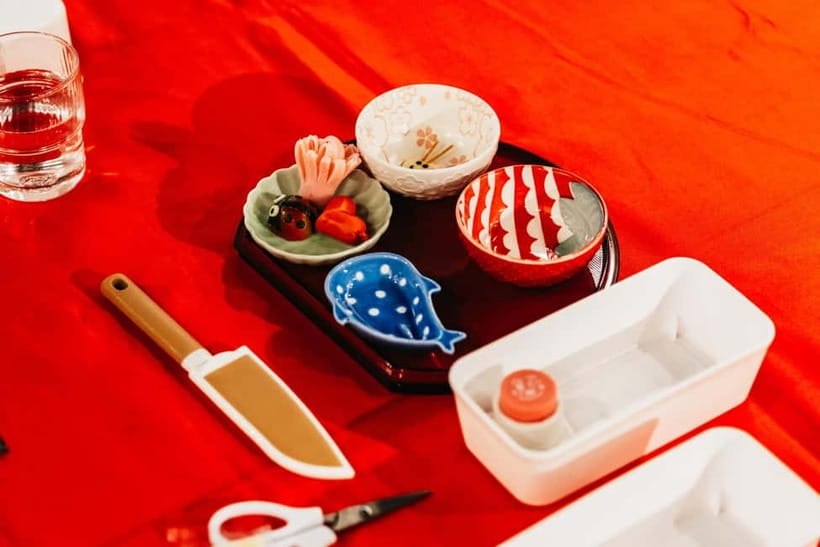
After the cooking section, you have about 15 minutes for photographs. This is a smart part of the schedule because the bento looks its best before you start eating. You can record the face, colors, and careful arrangement that took you an hour to create.
The photo session also gives families and couples a natural keepsake without requiring you to arrange your own photographer. The class includes the photography session, but the supplied details do not promise a set number of professional images, so think of it as a chance to photograph your work rather than a formal portrait service.
The last 30 minutes are for eating. This is when the class shifts from craft to meal. The food is not just a display piece, and the amount may be more generous than the small box first suggests. You can finally see whether your arrangement works as a practical lunch.
Eating what you made gives the activity a satisfying finish. You learn about bento, build one, photograph it, and then enjoy it. If you are visiting with children, this final step can also help them understand that the cute face is part of a real meal, not just decoration.
What makes the instruction work for beginners
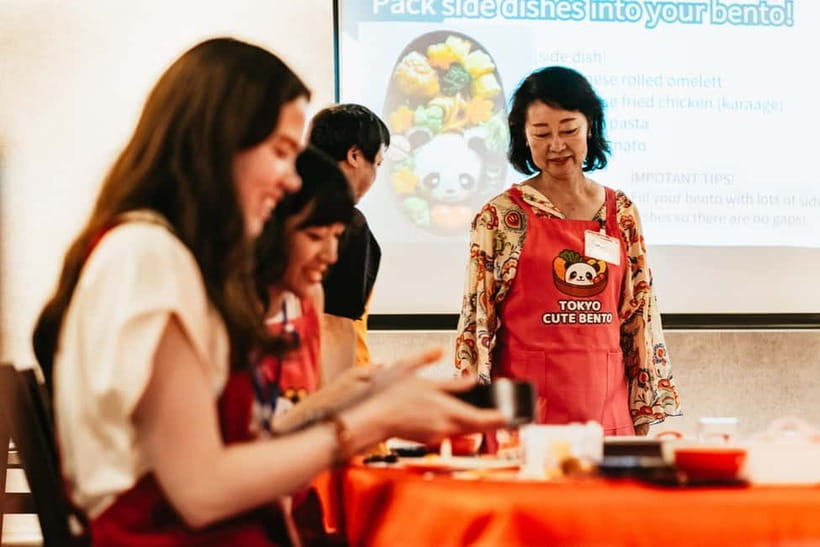
The teaching style is a major reason to choose this class. You receive English instruction throughout, and the process is broken into manageable steps. The instructors demonstrate, explain, and help you correct small problems before they become large ones.
Kenji is the main name to know. He has led family classes, private sessions, and mixed groups, and his approach is described as kind, patient, and enthusiastic. Mari has also taught the class and helped guide participants through the cultural explanation and cooking process.
The class can feel personal when attendance is low. Some sessions have been private or limited to one family, while other descriptions refer to a small group. The exact group size is not guaranteed, so book this for the activity itself rather than assuming you will receive a private lesson.
The format suits people who like guidance but still want to make the choices themselves. You are not watching a chef prepare a perfect box while you sit back. You handle the food, use the tools, and build the final result. At the same time, you are not left to guess how to create the character.
Who should book this two-hour class
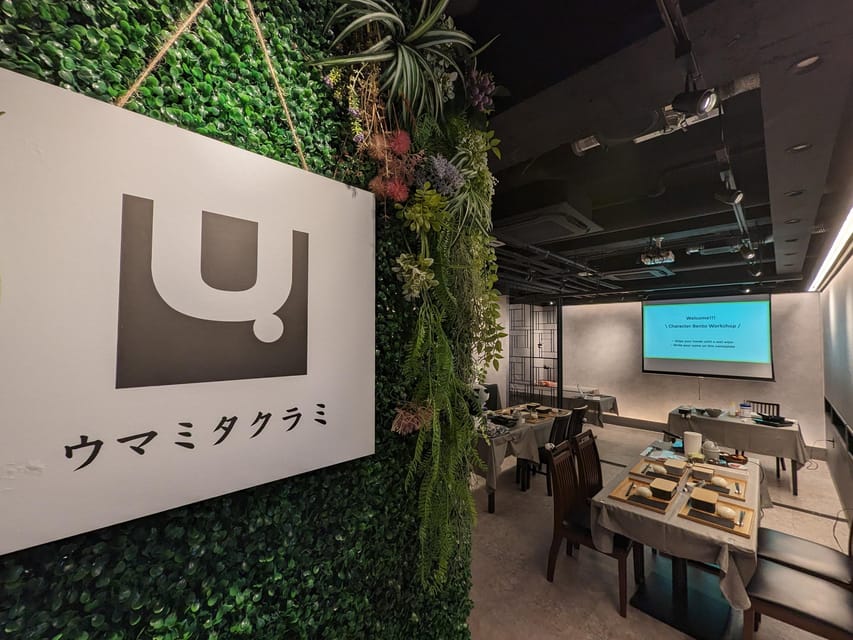
I would put this high on the list for families with school-age children and teenagers. The work is tactile, the results appear quickly, and the subject is playful without being limited to little kids. Adults can enjoy it too, especially if they like food presentation, crafts, or Japanese pop culture.
Couples and friends get a relaxed shared activity that produces a useful souvenir: the skill to make character bento at home. It is also a good choice for a solo visitor who wants a social class without needing to arrive with a partner.
This may be less suitable if you want a serious lesson in advanced Japanese cooking. The focus is character design, bento presentation, and accessible techniques. You will learn about food culture, but this is not described as a course in knife skills, regional cuisine, or complex recipes.
It may also be a poor fit for anyone with severe allergies unless the provider confirms that safe substitutions are possible. The same applies to strict dietary rules. Ask first and book only when the answer is clear.
Timing, cancellation, and small practical details
Plan on two hours from introduction to the final meal. You may request a free 30-minute advanced side-dish preparation session before the workshop or a 30-minute Akasaka tour afterward, but these are limited-time add-ons and must be requested in advance. They should not be treated as automatic parts of the standard booking.
The activity allows cancellation up to 24 hours before the start time for a full refund. Reserve-now, pay-later booking is also available, which can help if your Tokyo schedule is still changing.
Bring a willingness to work carefully rather than a fear of making the box imperfect. The point is not to produce an identical professional model. The tools and instructions make the process manageable, and small differences are part of what makes your bento yours.
Is Tokyo Cute Bento worth $64?
At $64 per person, this class earns its price when you count the complete package: two hours of instruction, ingredients, tools, cultural background, English recipes, a meal, photographs, and a souvenir. You also avoid the work of finding supplies or translating a recipe on your own.
The strongest value is the balance between a guided activity and a useful takeaway. You leave with more than a full stomach. You have practiced a repeatable way to shape and arrange a bento, and the lesson can continue in your own kitchen.
The price is harder to justify if you only want an inexpensive lunch or if you are looking for advanced culinary training. For those goals, a restaurant meal or a more technical cooking class may suit you better. For a memorable indoor activity with a clear cultural link, the cost is reasonable.
Should you book it?
Book this Tokyo character bento class if you want an easygoing, creative activity with clear English instruction and a meal at the end. It is particularly strong for families, couples, friends, and solo visitors who enjoy making something rather than only viewing another sight.
I would book early enough to state dietary needs and confirm your preferred character. Choose it with realistic expectations: this is a cute, beginner-friendly bento workshop, not an advanced chef course. If that sounds like the right balance, Kenji, Mari, the generous tool selection, and the chance to eat your own panda or seasonal bento make the $64 worthwhile.
FAQ
Where does the character bento class take place?
The workshop is near Tameike-Sanno Station. Exit via Exit 7, walk straight, cross the intersection, and find the building directly ahead. The panda bento sign is the landmark. The studio is in the basement under a ramen shop.
How long does the activity last?
The class lasts two hours. The approximate schedule includes 15 minutes of bento culture, 60 minutes of hands-on making, 15 minutes for photographs, and 30 minutes to enjoy the meal.
Which bento designs can I choose?
You can choose a cute panda bento, a brown beer bento, or a seasonal limited-edition bento. Your choice is confirmed by email after booking.
Is the class taught in English?
Yes. The cooking instruction, cultural explanation, and recipes are provided in English.
Can children join the workshop?
Yes, children are welcome. The class uses knives and other cooking tools, so parents or guardians must supervise younger participants.
Can vegetarian, vegan, or allergy-friendly meals be arranged?
Vegetarian and vegan options are available, and some allergies can be accommodated. No-nut and no-milk requests may be possible, and pork substitutions have been arranged when requested in advance. Seafood, soy, and sesame are commonly used, so people with severe allergies or strict restrictions should contact the provider before booking.
Is the activity wheelchair accessible and cancellable?
The activity is wheelchair accessible. You can cancel up to 24 hours in advance for a full refund, and reserve-now, pay-later booking is available.
Just added in Tokyo
- The 10 Tastings of Tokyo With Locals: Private Street Food Tour★ 5.0 · 48 reviews
- Small Town in the Big City: Tasting Tokyo’s Kichijoji★ 5.0 · 195 reviews
- Small Town in the Big City: Tasting Tokyo’s Kichijoji★ 5.0 · 16 reviews
- EXCLUSIVE Tokyo Secret: Kichijoji Small-Group Food & Bar Hopping★ 5.0 · 29 reviews
- Explore Kichijoji: Walk Through One of Tokyo’s Beloved Districts★ 5.0 · 21 reviews
- :Tokyo,Shibuya/ Pro Photography in Kimono / English-Friendly★ 5.0 · 26 reviews
- 【R34】Tokyo:Private Daikoku tour in Modified R34★ 4.9 · 92 reviews
- Tokyo:Calligraphy &Make your original folding fan in Asakusa★ 5.0 · 62 reviews
Cooking Classes, compared.
Ramen Cooking Class at Ramen Factory in Kyoto
Read our review →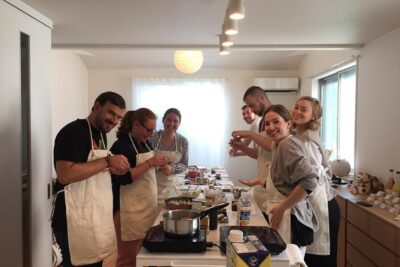
Ramen & Gyoza Cooking Class in Tokyo with Local Supermarket Visit
Read our review →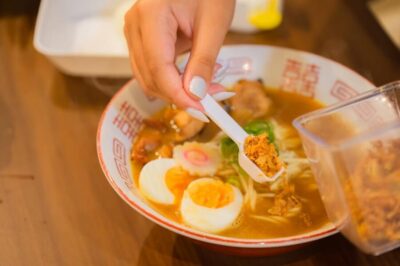
Ramen Cooking Class at a Ramen Factory with Souvenir
Read our review →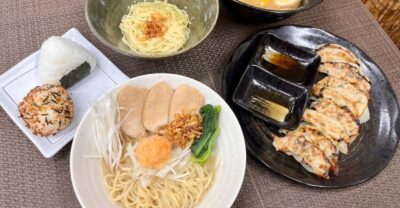
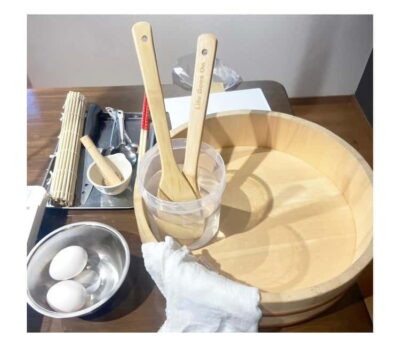
Japanese Washoku Bento Small Group Cooking Class
Read our review →
Sumo Stage Show with Bento or Snack + Fight & Photo
Read our review →
Ramen and Sushi Cooking Class with Sake Pairing Set in Tokyo
Read our review →Browse the lists this tour appears in