
Reviewed · COOKING CLASSES
Tokyo: Night Cooking Class: 5 Home-Cooked Japanese Dishes
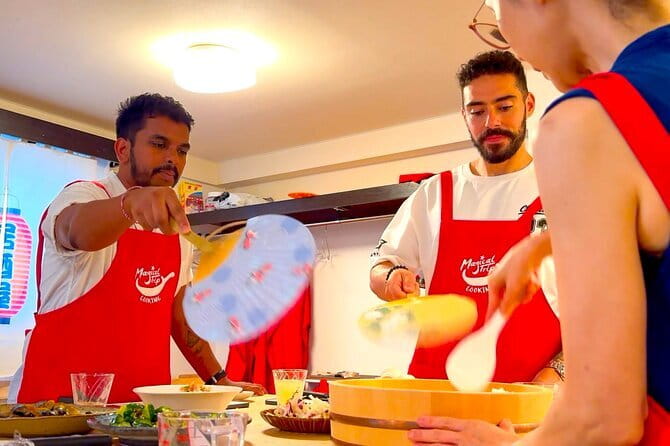
Tokyo’s night cooking class turns a meal into a friendly Japanese nomikai, the custom of sharing food and drinks over a long evening. You prepare small dishes meant to sit beside sake or beer, then eat what you make in a relaxed class setting.
I like the small group size of six, which gives you a better chance to handle the food and ask questions. I also like the practical recipes, since the ingredients are chosen so you can repeat the dishes at home. The main caution is that this is not a good fit for vegans, people avoiding gluten, or anyone with serious food allergies.
Key points to know before booking
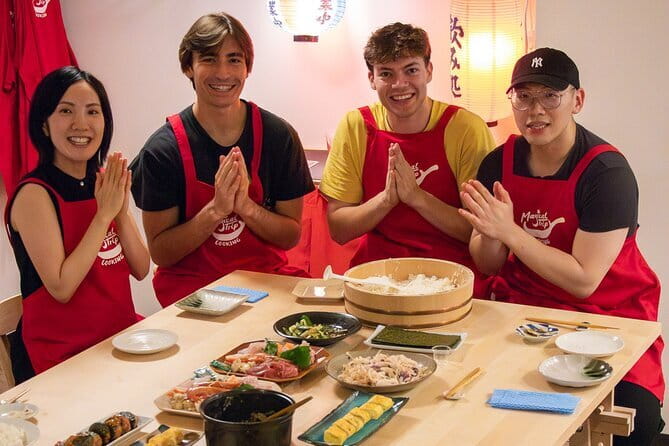
- Japanese home drinking culture: Learn why small plates, drinks, and conversation work so well together.
- Four named preparations: Make sushi hand rolls, wagyu or tofu steak, Japanese rolled egg, and grilled eggplant with miso sauce.
- Three drinks included: Choose alcoholic or soft drinks, with alcohol limited to people aged 20 and over.
- Guides with a personal touch: Alice, Masae, and Fuji have led sessions, with Masae also taking one couple to a local supermarket before class.
- Small evening group: The class is limited to six people and lasts three hours.
- Useful restrictions to note: Vegetarians can be accommodated, but vegan and gluten-free diets cannot.
Why this class is more than a standard cooking lesson
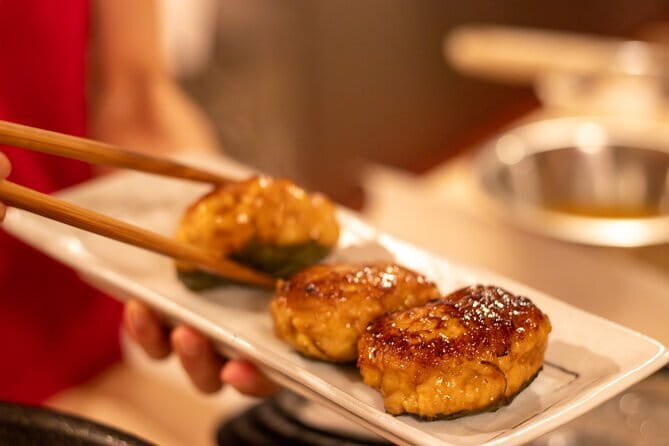
Many Japanese cooking classes focus on sushi technique or a single famous dish. This one takes a broader view of how people eat at home with drinks. The point is not just to produce one large meal. You learn several small dishes that can be placed on the table at once, giving everyone something to pick at while talking.
That is the heart of an izakaya meal. An izakaya is often described as a Japanese pub, but the food matters just as much as the drinks. Small plates arrive in stages, and the flavors are designed to work well with beer, sake, or another drink. This class gives you a hands-on way to understand that balance.
The setting also reflects Japanese home drinking culture rather than a formal restaurant meal. You cook, sip a drink, compare flavors, and eat together. That makes the evening social without requiring you to spend the night in a crowded bar.
More cooking in Tokyo:
- Ramen & Gyoza Cooking Class in Tokyo with Local Supermarket Visit
★ 5.0 · 823 reviews - Ramen and Sushi Cooking Class with Sake Pairing Set in Tokyo
★ 5.0 · 291 reviews - Tokyo: Wagyu and 7 Japanese Dishes Cooking Class
★ 4.9 · 273 reviews
Meeting near Iriya Station
The meeting point is in front of the FamilyMart beside the Gindako takoyaki shop at Iriya Station Exit 2. This detail matters because there are two FamilyMart stores at Iriya Station.
Look for the store next to both Gindako and Doutor Coffee. If you arrive at the wrong convenience store, you may lose time walking around the station area. I would save the meeting instructions on your phone before leaving your hotel.
The class lasts three hours, with starting times that depend on availability. Since it takes place at night, leave enough time to reach Iriya without rushing. Hotel pickup and drop-off are not included, so you handle your own transport to and from the station.
Cooking the four named dishes
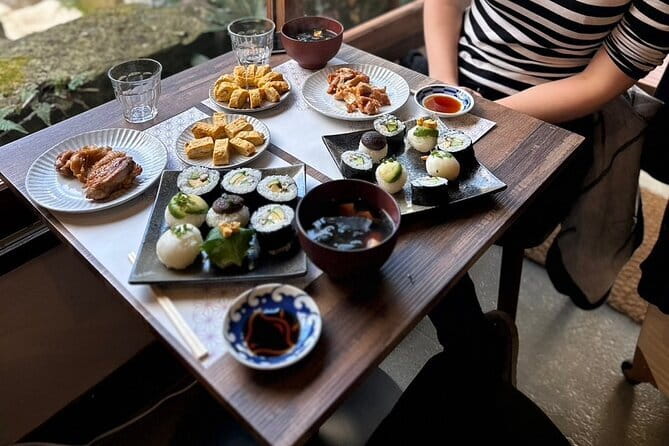
The included menu lists four main preparations, within a five-dish home-cooking format. You make sushi hand rolls, a wagyu or tofu steak, Japanese-style rolled egg, and grilled eggplant with miso sauce. The class description also presents the evening as a chance to work with small dishes such as skewers, tempura, and pickles, all common partners for Japanese drinks.
Sushi hand rolls
Hand-roll sushi is a useful choice for a group class because it is more approachable than highly precise restaurant sushi. You can build your own roll and adjust the amount of filling as you go. The class gives you a chance to focus on the ingredients and technique without needing the knife skills of a sushi chef.
It is also a dish you can recreate for a casual gathering at home. Set out the fillings, let people assemble their own rolls, and you have an easy shared meal rather than a plate that must be prepared in advance.
Same base, a different sort of day:
- Mt Fuji and Hakone 1-Day Bus Tour Return by Bullet Train
★ 5.0 · 26,383 reviews - 1-Day Tokyo Bus Tour
★ 5.0 · 14,250 reviews - Tokyo: TOKYO SKYTREE® Admission ticket
★ 4.5 · 11,192 reviews - Tokyo: teamLab Planets TOKYO Digital Art Museum Entry Ticket
★ 4.6 · 9,779 reviews
Wagyu or tofu steak
The steak course gives you a chance to work with a premium Japanese ingredient, while the tofu option makes the menu more flexible for vegetarians. You should check the exact choice and preparation with the guide if this is important to you.
Wagyu can be a highlight for meat eaters, but the value of this course is not simply the cut of beef. You also learn how it fits into a series of smaller dishes. The tofu alternative means a vegetarian does not have to sit out while the rest of the group cooks.
Japanese rolled egg
Japanese rolled omelette, often called tamagoyaki, looks simple but takes practice. The egg is cooked and rolled in layers, producing a soft, compact shape rather than an ordinary flat omelette.
This is one of the most useful lessons to take home because the technique is clear and repeatable. It also shows how Japanese cooking can turn a basic ingredient into something polished without relying on a long list of seasonings.
Grilled eggplant with miso sauce
Eggplant with miso sauce brings a savory, slightly sweet flavor to the table. It is a good counterpoint to the richer steak and the lighter hand rolls.
This dish also fits the class’s home-cooking focus. It uses familiar produce and a Japanese seasoning that can be adapted to other vegetables. If you like learning recipes that fit ordinary weeknight meals, this may be more useful than a complex specialty dish.
How drinks shape the evening
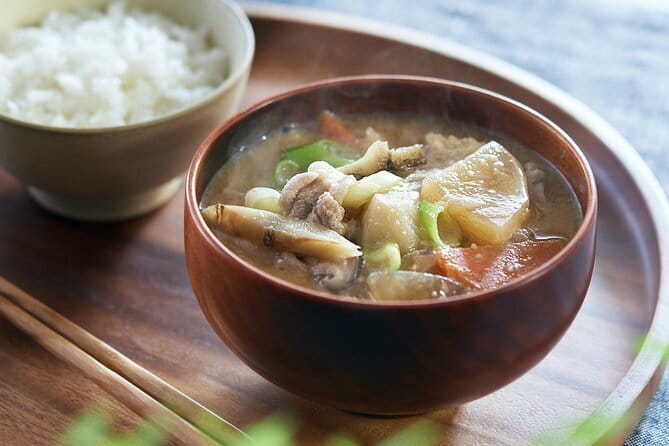
Three cans of alcoholic or soft drinks are included. Guests aged 20 and over can choose alcoholic drinks, while younger participants receive soft drinks. Japanese law does not allow sake or other alcoholic drinks to be served to anyone under 20.
The drink pairing is not just an extra perk. It is part of the lesson. You learn which kinds of dishes work with different beverages and why salty, savory, tangy, or grilled flavors are common at a Japanese drinking table.
You should not expect a formal sake seminar. The focus is on enjoying food and drinks together in a home-style setting. Still, this approach is useful if you plan to visit izakaya later in your trip. You will have a better sense of how to order several small dishes instead of choosing one large entrée.
If you do not drink, the soft-drink option keeps the class accessible. You can still take part in the cooking, tasting, and conversation without alcohol.
The guides make a real difference
The class is conducted in English by a local guide, and the guide’s role goes beyond giving directions at the stove. Previous sessions have been led by Alice, Masae, and Fuji.
Alice has been praised for making the night fun while explaining the food clearly. Fuji has also been singled out as a strong instructor. Masae’s session included a stop at a local supermarket before the cooking began, followed by explanations of Japanese cooking methods and food culture in the cooking studio.
That supermarket visit is not stated as part of every class, so do not book expecting it as a guaranteed stop. If it happens during your session, it adds a useful local angle. You see the kinds of ingredients people can buy in Japan, then use that knowledge in the kitchen.
The small group limit is important here. With no more than six participants, you should get more direct help than in a large demonstration class. A private or nearly private session is possible, but it is not guaranteed. Other participants may join your group.
What the three hours feel like
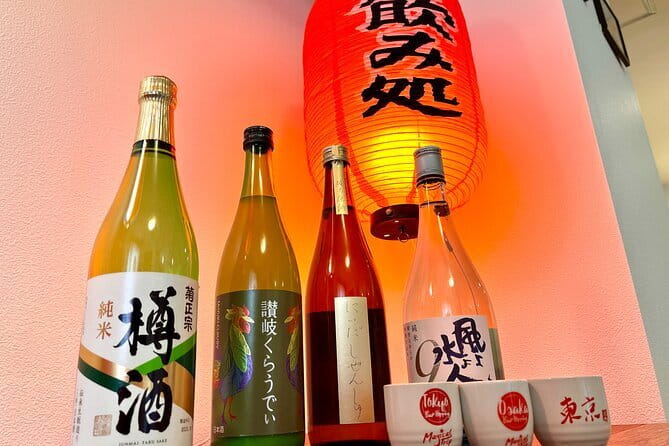
The evening follows a simple rhythm: meet near Iriya Station, move to the cooking space, prepare the dishes with the guide, enjoy the drinks and food, and take home the recipes.
At the start, expect an introduction to the menu and the idea of pairing small plates with Japanese drinks. The guide then explains the ingredients and equipment before the hands-on work begins. All ingredients and cooking equipment are included, so you do not need to bring cooking tools.
The cooking portion is practical rather than purely observational. You will handle ingredients and take part in the preparations allowed for your age. The session is designed for beginners as well as people who already cook, so you do not need advanced kitchen skills.
At the table, the meal becomes a social occasion. You can compare the dishes, talk about Japanese food customs, and decide which drink pairing you prefer. Recipes are provided to take home, and tour photos are included as a record of the evening.
Do not expect a quiet, formal lesson. The class is built around conversation and shared food. That works well for couples, friends, solo visitors, and small groups who want an evening activity that is more personal than sightseeing after dark.
Age rules, children, and family suitability
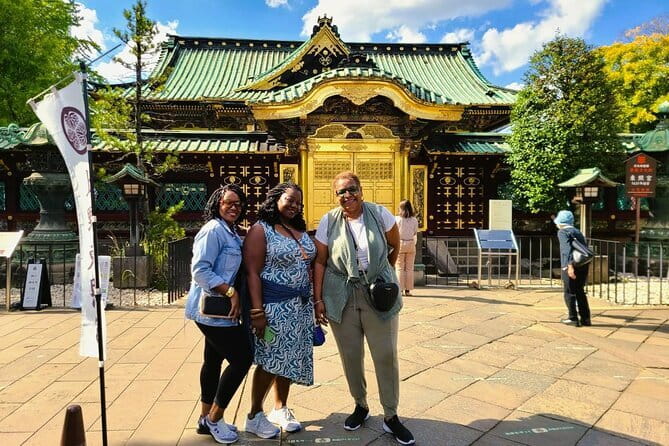
The published age information needs careful reading. Participants aged six and above can attend, but only people aged 12 and over may take part in tasks involving knives and heat, and then only with a parent or guardian supervising.
Elsewhere, the activity is described as not suitable for children under 12. The practical takeaway is this: families with younger children should confirm the policy before booking, since a child under 12 may be present but will not be able to handle the main cooking tasks.
Alcohol is available only to people aged 20 and over. A children’s playroom is available, which can help families who bring younger children, but this remains a cooking class rather than a dedicated children’s activity.
Pregnant women are listed as not suitable for the experience. Smoking is not allowed.
Dietary limits and accessibility
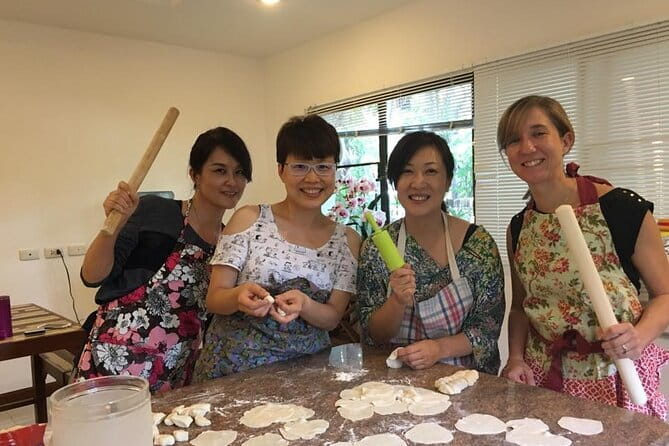
Vegetarians are welcome, and the cooking process and ingredients can be arranged for them. The tofu steak option is particularly useful here.
The class is not available for vegans or people following a gluten-free diet. The kitchen cannot guarantee an allergy-free meal, and substitutions may not always be possible. If you have an allergy or a strict medical diet, I would treat this as a serious limitation rather than assume the guide can adjust every dish.
The itinerary includes places that are not accessible by wheelchair or stroller. Hotel pickup is not included, so you also need to manage the route to the meeting point yourself. Contact the provider before booking if mobility access is essential.
Is $103 a fair price?
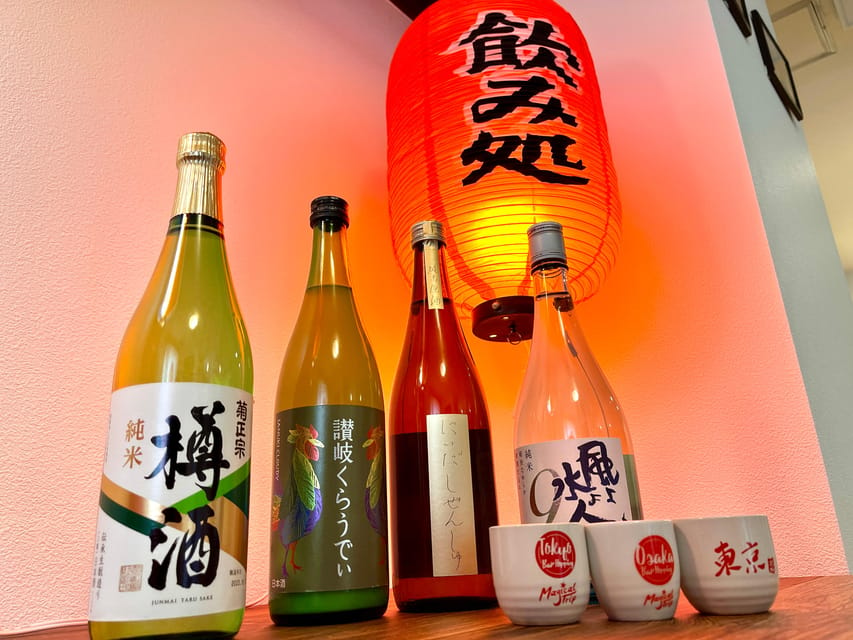
At $103 per person, this is not a budget dinner. The fee covers three hours of instruction, all ingredients, cooking equipment, three alcoholic or soft drinks, recipes, a local English-speaking guide, and tour photos.
The value depends on what you want from the night. If you only want to eat Japanese food cheaply, an ordinary neighborhood restaurant will cost less. If you want a drink-focused evening with no cooking, an izakaya may also be the better choice.
I think the price makes more sense for people who value the lesson itself. You are paying for access to a small group, direct instruction, several recipes, and the chance to repeat the meal at home. The recipes are a lasting benefit, especially if you enjoy hosting friends or want to build confidence with Japanese ingredients.
The maximum group size of six also helps justify the fee. You are not one face in a room full of tourists watching a distant demonstration. Still, a small group is not guaranteed to be private, and the final value will partly depend on how much hands-on time your particular group gets.
Who will enjoy this evening most?
I would recommend the class to:
- Couples looking for a shared activity rather than another restaurant meal.
- Solo visitors who want a social evening and an easy way to meet people.
- Friends who enjoy cooking, drinks, and small plates.
- Beginner cooks who want recipes they can repeat at home.
- Sake and Japanese beer fans who want basic pairing guidance.
- Vegetarians who are happy with a planned tofu-based alternative.
I would think twice if you have a strict allergy, need gluten-free or vegan food, use a wheelchair or stroller, or want a fully private lesson. Families should also confirm the age rules before paying, especially if a child under 12 will attend.
Booking details worth keeping handy
You can cancel up to 24 hours before the activity for a full refund. A reserve-now, pay-later option is available, which is useful if your Tokyo schedule is still changing.
Bring the meeting details with you and identify the FamilyMart beside Gindako and Doutor Coffee. The class is in English, and other participants may join you. Plan for the full three hours, since the cooking, drinks, meal, and conversation are all part of the format.
FAQ
Where does the cooking class meet?
It meets in front of the FamilyMart next to the Gindako takoyaki shop at Iriya Station Exit 2. There are two FamilyMart stores at the station, so use the one beside Gindako and Doutor Coffee.
How long does the activity last?
The class lasts three hours. Starting times depend on availability.
What dishes will I prepare?
The included cooking activities are sushi hand rolls, wagyu or tofu steak, Japanese-style rolled egg, and grilled eggplant with miso sauce. The class is promoted as a five-dish format and also refers to small dishes such as skewers, tempura, and pickles.
Are drinks included?
Yes. Three cans of alcoholic or soft drinks are included. Alcohol is available only to people aged 20 and over.
Is the class suitable for vegetarians?
Yes. Vegetarian participants are welcome, and ingredients and cooking steps can be arranged for them. The tofu steak option is included as an alternative to wagyu.
Can vegans or people who need gluten-free food attend?
No. The activity is not available for vegan or gluten-free diets. Allergy-free meals cannot be guaranteed, and substitutions may not always be possible.
Can children join the class?
Participants aged six and above may attend, but knife and heat-related cooking tasks are limited to people aged 12 and over under a parent or guardian’s supervision. Alcohol is restricted to people aged 20 and over.
Is hotel transportation included?
No. Hotel pickup and drop-off are not included. You must make your own way to and from the meeting point at Iriya Station.
Should you book it?
Book this class if you want to understand Japanese food as a shared evening of small plates, drinks, and conversation. The limited group size, practical recipes, and guides such as Alice, Masae, and Fuji give it more personal value than a large demonstration.
Skip it if your diet is strictly vegan or gluten-free, if allergy control is essential, or if you want a simple restaurant meal at the lowest possible cost. For everyone else, the $103 price is reasonable when you count the food, drinks, instruction, recipes, and three hours of social cooking. It is a particularly good pick for couples, solo visitors, and friends who want to bring a little Japanese home-drinking culture back to their own kitchen.
Just added in Tokyo
- The 10 Tastings of Tokyo With Locals: Private Street Food Tour★ 5.0 · 48 reviews
- Small Town in the Big City: Tasting Tokyo’s Kichijoji★ 5.0 · 195 reviews
- Small Town in the Big City: Tasting Tokyo’s Kichijoji★ 5.0 · 16 reviews
- EXCLUSIVE Tokyo Secret: Kichijoji Small-Group Food & Bar Hopping★ 5.0 · 29 reviews
- Explore Kichijoji: Walk Through One of Tokyo’s Beloved Districts★ 5.0 · 21 reviews
- :Tokyo,Shibuya/ Pro Photography in Kimono / English-Friendly★ 5.0 · 26 reviews
- 【R34】Tokyo:Private Daikoku tour in Modified R34★ 4.9 · 92 reviews
- Tokyo:Calligraphy &Make your original folding fan in Asakusa★ 5.0 · 62 reviews
Cooking Classes, compared.
Ramen Cooking Class at Ramen Factory in Kyoto
Read our review →
Ramen & Gyoza Cooking Class in Tokyo with Local Supermarket Visit
Read our review →
Ramen Cooking Class at a Ramen Factory with Souvenir
Read our review →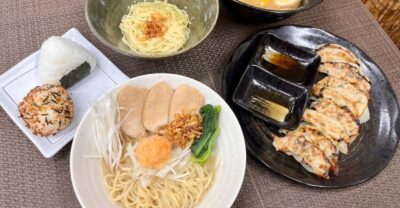
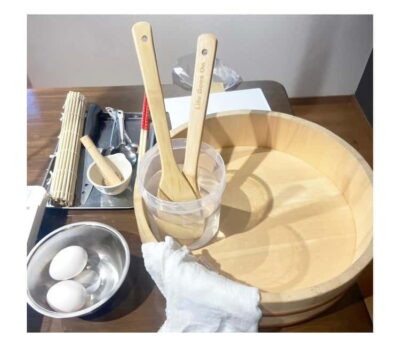
Japanese Washoku Bento Small Group Cooking Class
Read our review →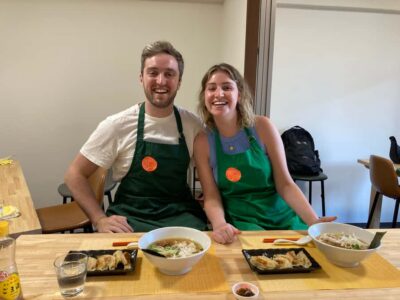
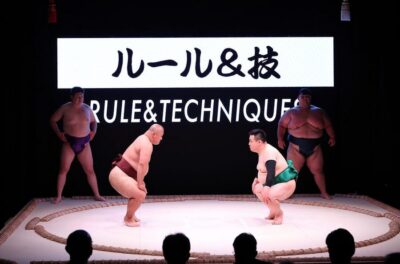
Sumo Stage Show with Bento or Snack + Fight & Photo
Read our review →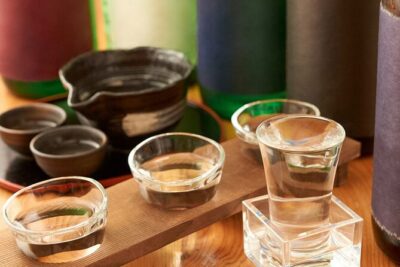
Ramen and Sushi Cooking Class with Sake Pairing Set in Tokyo
Read our review →Browse the lists this tour appears in