
Reviewed · WALKING TOURS
Tokyo: Private Custom Walking Tour with Local Guide
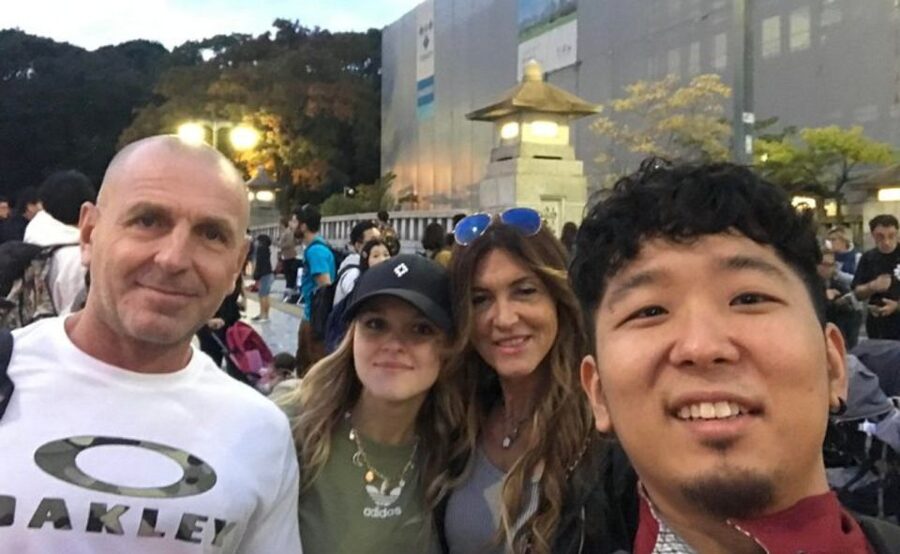
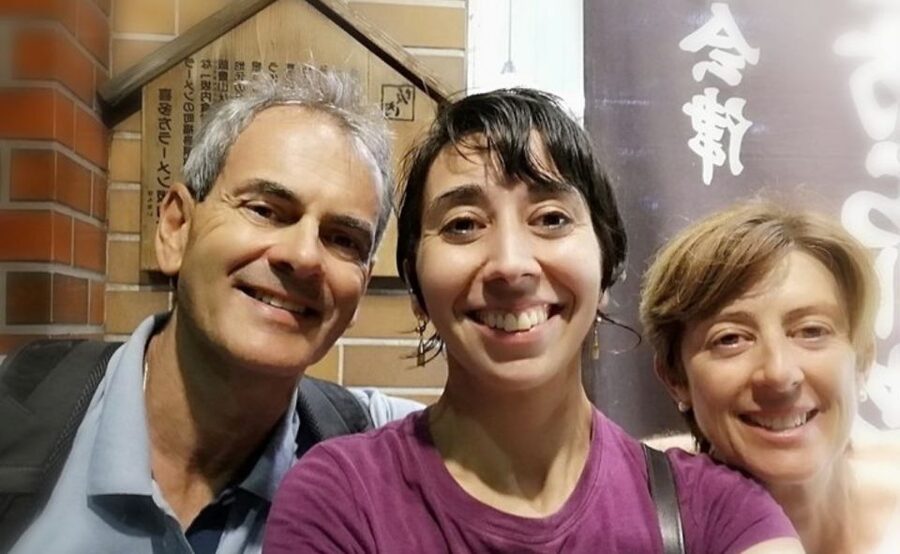
Tokyo is easier to understand when someone helps you connect the dots. This private custom walking tour lets you choose the sights, neighborhoods, food stops, and practical tasks that matter to you, then explore them with a local guide by foot and public transport. Guides such as Francine, Karl, Enrique, and Cristiano have helped people handle trains, plan flexible routes, and find places they might have missed alone.
I like the one-to-one format, especially for families, first-time visitors, and anyone nervous about the Tokyo Metro. I also like that the tour can cover both famous places and quieter corners, from Senso-ji and the Imperial Palace area to Odaiba Marina or a local fish market. The main consideration is that the tour price does not include attraction tickets, food, or drinks, and an ambitious itinerary can mean a very long day on foot.
Key points at a glance
- Start with your own wish list: Ask for Asakusa temples, Shibuya streets, Akihabara, Shinjuku, Odaiba, shopping, food, or transport practice.
- Use Tokyo’s trains with help: Guides can show you how to manage public transport, find platforms, acquire a Suica card, and collect JR rail passes.
- Choose from two to eight hours: A short outing can focus on one area, while a full day can link several wards and neighborhoods.
- Get more than sightseeing: Expect useful advice on Japanese customs, restaurants, bars, karaoke, bathrooms, food ordering, and what to do after the tour.
- Meet at your accommodation: Hotel pickup is available when your accommodation is in Tokyo. A central meeting point is arranged for hotels outside the city center.
- Plan for extra costs: Public transport is included, but attraction tickets, meals, and drinks are not.
Why a private Tokyo walk can save your first day
Tokyo is not hard because the sights are obscure. It is hard because the city is huge, rail stations are sprawling, and several very different districts can sit a short train ride apart. A private guide gives you a human map of the place.
You can ask for an introduction to Tokyo, or make the day practical. Some people use the outing to learn the subway, collect rail passes, or work out how to get around for the rest of the trip. Others want temples, shopping, food, modern architecture, or a mix of old and new.
The guide contacts you before the tour to discuss your preferences. Use that conversation well. Give a short list of priorities, mention mobility needs, tell the guide if you have children, and say how much walking feels comfortable. The route can then be adjusted before you arrive, and changed again during the day.
That flexibility is the heart of the experience. If you spend longer at Senso-ji than planned, the guide can trim another stop. If a neighborhood catches your interest, you can linger instead of racing through a fixed checklist.
Other walking tours in Tokyo people book:
- Tokyo Tsukiji Fish Market Food and Culture Walking Tour
★ 5.0 · 3,184 reviews - Tokyo: Imperial Palace and Shogun Historical Walking Tour
★ 5.0 · 2,251 reviews - Tokyo: Shinjuku Local Bar and Izakaya Guided Walking Tour
★ 4.9 · 1,794 reviews
Asakusa and Senso-ji: Tokyo’s traditional opening act
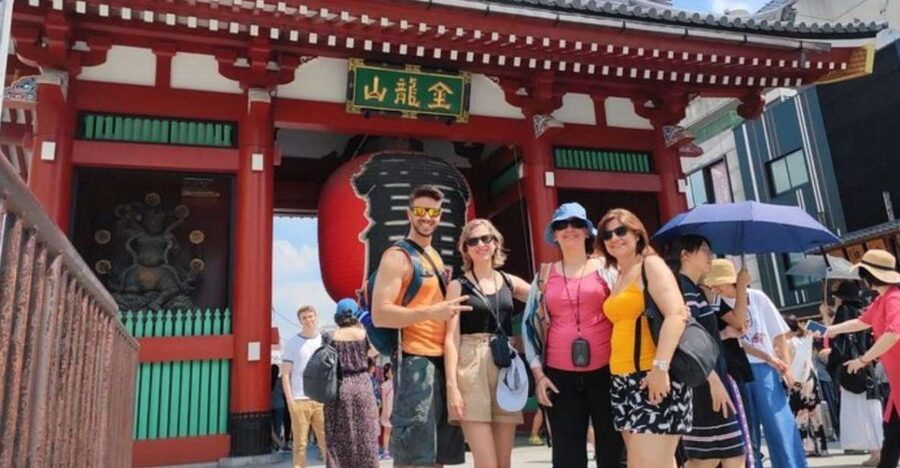
Asakusa is one of the best choices for a first Tokyo walk. The district gives you temple architecture, traditional streets, small food stops, and a sense of how old Tokyo survives inside the modern city.
Senso-ji is the main draw. A guide can explain how to approach a shrine or temple respectfully, which adds meaning to the visit rather than leaving you to copy the nearest person. The area around the temple is also useful for trying local treats and walking through streets that feel very different from Shibuya or Shinjuku.
A nearby viewing platform can add a useful change of angle. One guide took a family to the top of a building for views over the temple and surrounding streets. That kind of stop is valuable because it helps you understand the scale of Asakusa without spending hours on a formal observation deck.
The drawback is simple: Asakusa can be crowded, and the temple area is a major sightseeing zone. You are not getting solitude here. You are getting a strong first lesson in Tokyo’s traditional side, plus help with manners, navigation, and food choices.
Shibuya, Shinjuku, and modern Tokyo
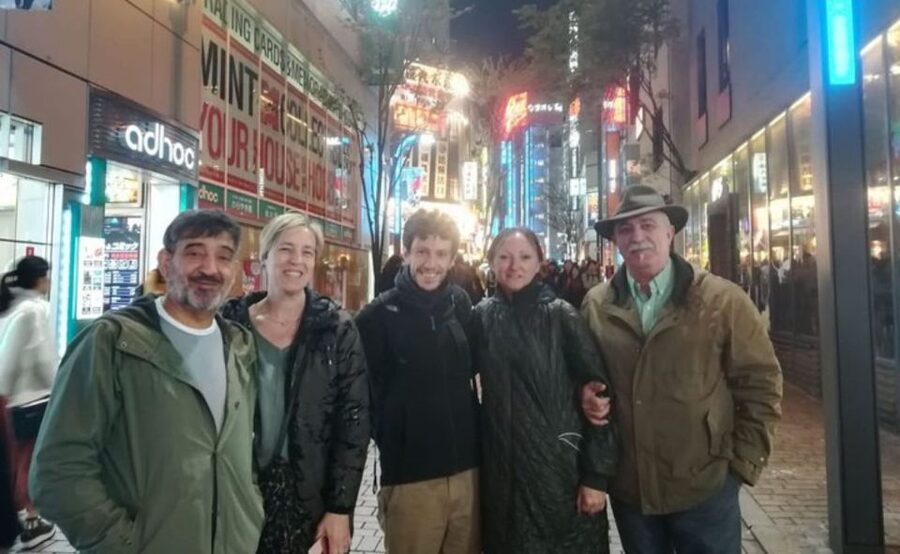
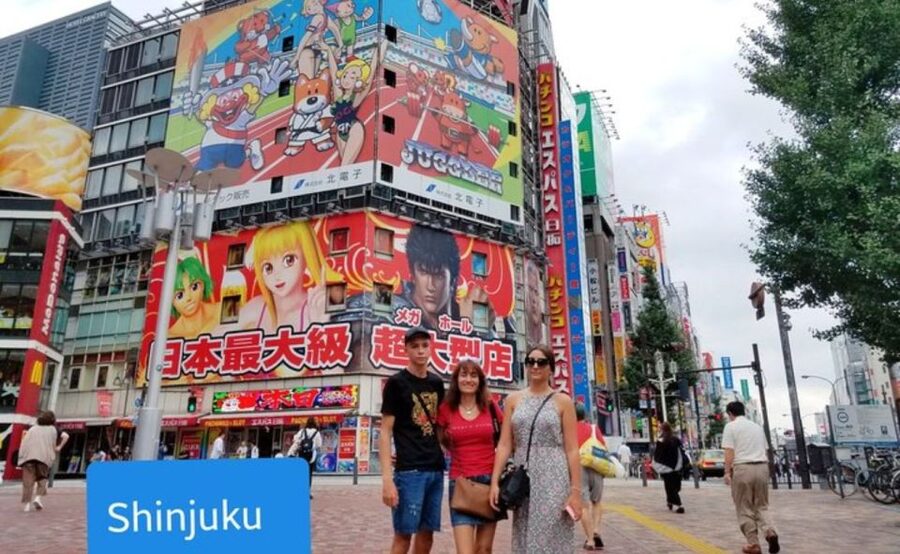
If you want neon, tall buildings, shopping, and a look at present-day city life, ask for Shibuya and Shinjuku. These districts are broad enough that a guide can shape the outing around your interests instead of marching you from one famous crossing to the next.
One itinerary combined diverse parts of Shinjuku and Shibuya with temples, iconic buildings, quieter streets, bars, restaurants, and karaoke suggestions. That mix is more useful than a quick photo stop. You get a sense of how Tokyo changes from major commercial streets to smaller local corners.
The Tokyo Metropolitan Government Building is another practical choice in Shinjuku. A visit there can provide city views without adding the cost of a major paid attraction, although the exact availability of any viewing area should be checked when planning.
Shibuya and Shinjuku also work well for visitors who want advice for later evenings. Your guide can suggest bars, restaurants, and karaoke spots based on your interests. The guide may not accompany you after the tour, but the local advice can make your independent plans much easier.
Imperial Palace gardens and Marunouchi
The Imperial Palace area offers a calmer contrast to Tokyo’s commercial districts. The gardens and broad streets around Marunouchi provide a chance to see the capital’s formal center while learning about the city’s past and present.
This is a good pairing with Asakusa because the two areas feel distinct. Asakusa gives you temple streets and traditional atmosphere. Marunouchi brings polished office towers, open spaces, and a more modern civic setting.
Keep your expectations in check. This is not a guaranteed interior visit to the Imperial Palace. The experience is centered on exterior sights and public areas, and museum interiors or other attractions require advance planning and separate tickets.
That distinction matters throughout the tour. The guide can help arrange tickets for desired visits, but the ticket cost itself is not included. If a museum or paid attraction is a priority, say so before the day begins.
Other guided walks in Tokyo:
- Tokyo: Tsukiji Fish Market Food and Walking tour
★ 5.0 · 1,724 reviews - Tokyo: Asakusa Walking Tour with Sensoji Temple Visit
★ 4.8 · 1,583 reviews - Tokyo: Tsukiji Fish Market Guided Walking Tour
★ 4.9 · 1,397 reviews - Tokyo Castle & Imperial PalaceーShogun Walking Tour
★ 4.7 · 1,068 reviews
Akihabara, Odaiba, and special interests
A custom tour becomes most useful when you have a specific interest. Akihabara can suit people looking for anime, games, electronics, and popular Japanese entertainment. One solo outing combined Akihabara with Asakusa, giving the day a useful old Tokyo and pop-culture contrast.
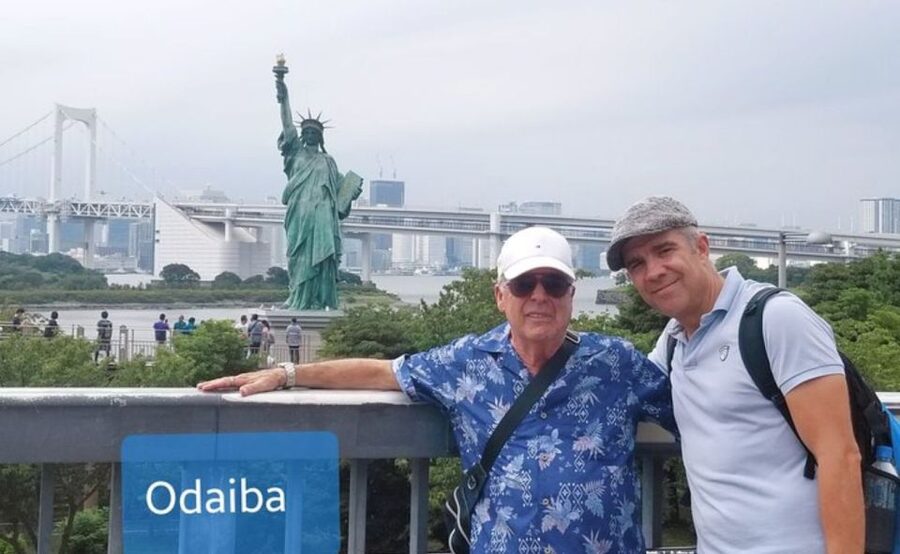
Odaiba Marina offers a different change of pace. A guide can take you there for a quieter waterfront experience and a look at another side of Tokyo. It is a good choice if you have already seen the central districts or want a break from dense streets.
Families can make the route more personal. A guide helped one family combine a fish-market visit, food suitable for someone with celiac disease, a viewing platform above Senso-ji, and a Pokémon Mega Center. The important point is not the exact combination. It is that the tour can join adult interests and children’s interests in one day.
Tell the guide about food restrictions clearly in advance. The guide may help locate suitable food, but you should still confirm ingredients yourself. Food and drinks remain your responsibility and are not part of the tour price.
Tokyo’s trains: the most useful lesson of the day
For many first-time visitors, the best part of the tour is not a monument. It is learning how to move between monuments.
Tokyo’s rail system can feel confusing because several operators, lines, station levels, and exits may serve the same broad area. Guides such as Enrique, Cristiano, Victor, Albert, Karl, and Shaban have helped people learn the system, buy or use transport cards, collect rail passes, find the right platforms, and manage transfers.
That practical instruction has lasting value. After a few guided rides, you may feel able to reach a restaurant, market, museum, or neighborhood without paying for another tour. You can also ask about finding bathrooms, navigating large stations, and choosing a simpler route.
The tour includes walking and public transport, unless you select an option that changes the transport arrangement. You should expect a lot of movement. An eight-hour day covered about 23,000 steps for one person, so request breaks if needed.
The guide can adjust the pace for children or mobility concerns. One family appreciated regular breaks and short detours for their children, while another visitor with mobility issues found the guide patient and flexible. Still, this is fundamentally a walking tour. Ask for a manageable route rather than trying to cross the whole city.
What two hours, four hours, and eight hours can do
The shortest option, two hours, is best for a focused introduction. Pick one neighborhood, one theme, or one practical goal. Asakusa with Senso-ji, Shibuya with transport practice, or a short walk through a local area makes more sense than trying to see all of Tokyo.
Four hours gives you room to combine nearby interests or make a short train journey. You might pair Asakusa and Tokyo Skytree, as one itinerary did, or mix an important sight with a meal recommendation and a lesson in the Metro.
Six to eight hours works for a broad city day. You can link several wards, cover history and shopping, add special-interest stops, and include time for meals or ticket help. The tradeoff is physical effort. A full day can be productive, but it will not feel leisurely if you select too many distant districts.
I would rather see three areas at a comfortable pace than chase six famous names. Tell the guide which sights are essential and which are optional. That gives the day room to breathe.
The guide makes the difference
The provider assigns guides who speak English, French, Italian, Japanese, Spanish, or Portuguese. The actual quality of your day will depend heavily on the guide assigned, so use the pre-tour contact to explain what you want.
Several guides receive especially strong praise in the available feedback. Francine is repeatedly described as friendly, flexible, and good at preparing a route while changing it when interests shift. Karl is praised for explaining modern Tokyo, sharing local stories, and helping people gain confidence on the Metro. Enrique is valued for navigation and for adapting schedules.
Cristiano has helped with rail passes, local transport, and routes across several areas. Albert has been useful for families and first-time visitors learning the subway. Victor has helped with Suica cards and Tokyo Metro advice, while Shaban has handled train tickets, attraction bookings, meal orders, photos, and surprise stops during a long day.
You cannot guarantee a particular guide from the details provided here, but you can state your preferences clearly. If you need strong English, mobility support, family pacing, or help with trains, put that in the request.
Price, inclusions, and practical value
At $53 per person, the tour can be good value if you use it as a useful introduction rather than a simple sightseeing escort. The private format means your time is spent on your interests, and the lessons about trains, customs, food, and neighborhoods can help you make better use of the rest of your Tokyo stay.
The value is strongest for a couple or family that would otherwise need separate planning help. It is also useful for a solo visitor who wants company and context without joining a large group.
The price does not cover food, drinks, or attraction tickets. Public transport and the walking route are included, but check the details if you select a special transport option. If you add a museum or paid observation deck, budget for that separately.
Hotel pickup is included when your accommodation is in Tokyo. If it is outside the city center, you will be directed to a convenient central meeting point. The tour may finish somewhere different from where it began, which is often useful, but request a same-place ending in advance if you need one.
Cancellation is free up to 24 hours before the start time, and you can reserve now and pay later. The experience is wheelchair accessible, but the best route still depends on the districts and transport connections you choose.
Who should book this Tokyo tour?
I would choose this tour for a first visit, a short stay, a family with mixed interests, or anyone who wants to learn Tokyo’s transport system early in the trip. It is also a smart choice for a solo visitor who wants a local companion without giving up control of the itinerary.
It is less suited to someone who wants a fixed historical tour with guaranteed museum entry or a detailed list of included attractions. You need to pay for your own tickets and food, and the day works best when you take part in planning it.
Book it if you value flexibility, practical help, and local advice more than a polished script. For the best result, prepare three must-see places, two optional ideas, your walking limits, and any food or accessibility needs. That gives your guide enough direction to build a day that feels like your Tokyo, not a rushed parade of famous stops.
FAQ
How long does the private Tokyo tour last?
You can choose a duration from two to eight hours. Starting times depend on availability.
Can I choose the places I visit?
Yes. The tour is customizable, and the guide contacts you beforehand to discuss your interests. You can request major sights, neighborhoods, museums, food areas, shopping, or transport practice.
Is hotel pickup included?
Pickup is included if your accommodation is in Tokyo. If your hotel is outside the city center, a convenient central meeting point will be selected.
Are attraction tickets included?
No. Attraction tickets, food, and drinks are not included. The team can help you book tickets for desired visits, and you should request museum visits in advance.
Does the tour include public transportation?
Walking and public transport are included unless you select an option with different transport arrangements. Guides can help with Tokyo’s train system, Suica cards, and JR rail passes.
What languages are available?
Live guides are available in English, French, Italian, Japanese, Spanish, and Portuguese.
Just added in Tokyo
- Luxury Tokyo Sake, Cocktail, Whisky and Pairing Tour★ 5.0 · 18 reviews
- Wagyu & Sake Pairing in Shinjuku – Steak, Shabu-Shabu & More★ 5.0 · 112 reviews
- Small-Group Wagyu Beef and 7 Japanese Dishes Tokyo Cooking Class★ 5.0 · 190 reviews
- Nikko: Edo Wonderland Edomura Cultural Theme Park Ticket★ 4.3 · 205 reviews
- 《MEMBERS-ONLY-BAR-HOPPING》Discover Your Special Whiskey in Tokyo!★ 5.0 · 29 reviews
- Japanese Whisky Hunting《HIGH-QUALITY-ONLY》Rare Tasting Class★ 5.0 · 20 reviews
- From Tokyo: Private Tour to Fuji/Hakone – Onsen, Art, Nature★ 5.0 · 116 reviews
- Tokyo: KABUKI Show at Kabukiza Theatre Admission Ticket★ 4.8 · 152 reviews
Walking Tours, compared.
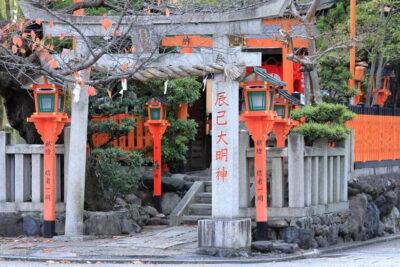
Kyoto Geisha Walking Tour: Gion District & Hidden Gems
Read our review →
Tokyo Tsukiji Fish Market Food and Culture Walking Tour
Read our review →
Imperial Palace and Shogun Historical Walking Tour
Read our review →
Gion Geisha District Walking Tour – Stories of Geisha
Read our review →
Shinjuku Local Bar and Izakaya Guided Walking Tour
Read our review →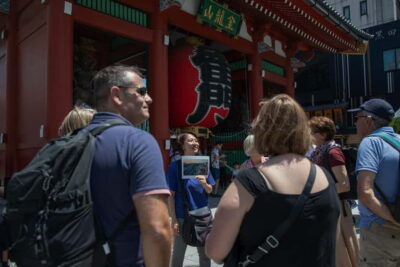
Asakusa Walking Tour with Sensoji Temple Visit
Read our review →
Nishiki Market Brunch Walking Tour (7 Tastings + Brunch)
Read our review →Browse the lists this tour appears in