
Reviewed · COOKING CLASSES
Tokyo: Private Japanese Cooking Class with a Local Chef
Tokyo food is easy to find, but cooking it with Chef Sato in his Shinjuku apartment gives you something a restaurant cannot: a look at how Japanese food fits into everyday home life. You may prepare ramen and gyoza, curry rice, okonomiyaki, teriyaki chicken, miso soup, or a traditional set meal, depending on the day.
I like two things right away. First, you do not simply watch: you chop, season, shape, cook, and arrange the food. Second, Sato explains why seasonal ingredients matter in Japanese cooking, while sharing family stories and practical tips you can use at home. The main consideration is the changing menu, so check the day carefully if you have your heart set on ramen or another particular dish.
Key points to know before booking
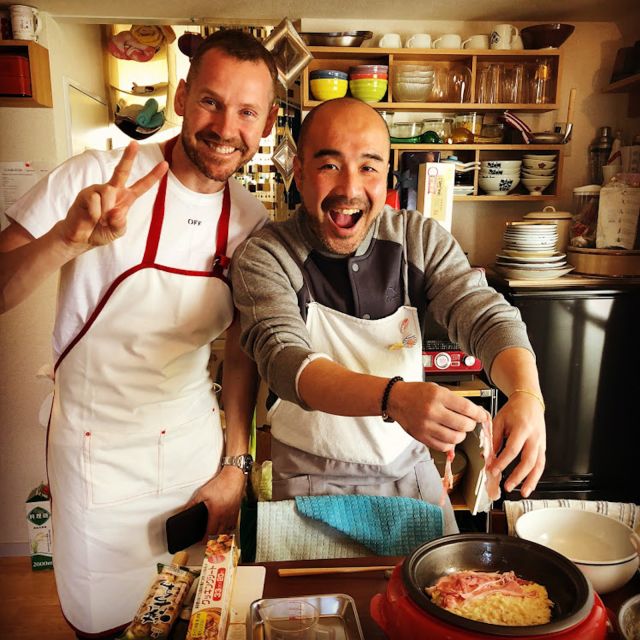
- Chef Sato teaches in English and keeps the class private, making it easier to ask questions and work at your own pace.
- The menu changes by weekday: traditional meals run Saturday through Tuesday, while popular dishes such as ramen, gyoza, curry, and okonomiyaki are offered Wednesday through Friday.
- You prepare two to four dishes, using seasonal ingredients and learning about Japanese home cooking rather than restaurant showmanship.
- The class takes place in Sato’s apartment in Shinjuku, a personal setting that feels more like cooking with a local friend than attending a formal school.
- Morning groups can add a short Tokyo walk from 1 to 3:30 p.m., with stops in Shinjuku and Nakano that may not appear in a standard guidebook.
- The $120 price is strongest for small private groups, especially if you value instruction, a home meal, and local conversation more than a low-cost cooking demonstration.
Cooking Japanese food in Sato’s Shinjuku home
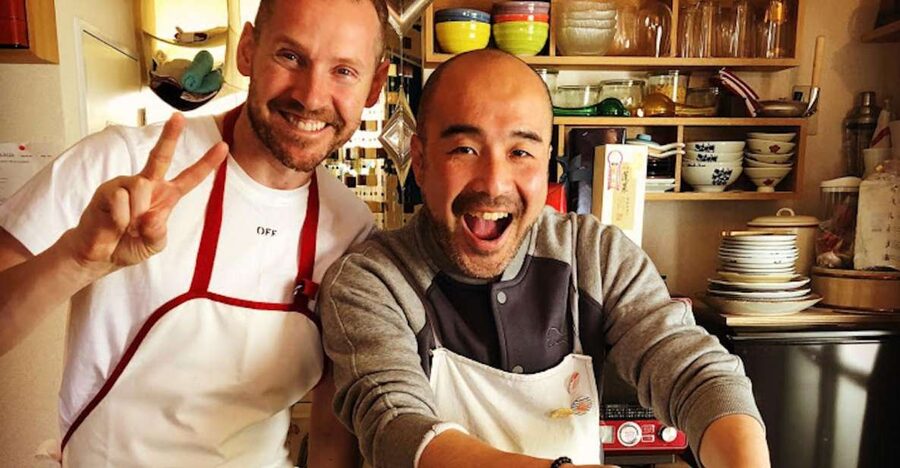
The meeting point is the police box at Shinjuku Station’s east exit, at 3-38-38-1 Shinjuku. From there, you meet Sato and make the short walk to his apartment.
That beginning matters. Shinjuku Station can feel like a city-sized puzzle, so having a clear meeting point and a local escort keeps the first step simple. The class is not held in a large studio with rows of workstations. It takes place in Sato’s small, personal apartment, which gives the afternoon or evening a more domestic feel.
You should expect a relaxed setting rather than a polished cooking show. Sato has cooked traditional Japanese food since childhood, learning from his parents, and his teaching draws on that family background. He talks about ingredients, preparation, presentation, and the place food holds in Japanese life.
The private format is especially useful if you are a beginner. You can ask why an ingredient is used, how finely something should be cut, or what a Japanese cook would substitute at home. Several menus involve familiar home dishes, but the techniques and seasoning can be new to cooks used to Western recipes.
More cooking in Tokyo:
- Ramen & Gyoza Cooking Class in Tokyo with Local Supermarket Visit
★ 5.0 · 823 reviews - Ramen and Sushi Cooking Class with Sake Pairing Set in Tokyo
★ 5.0 · 291 reviews - Tokyo: Wagyu and 7 Japanese Dishes Cooking Class
★ 4.9 · 273 reviews
The menu changes with the day of the week
The schedule splits the cooking into two broad styles. From Saturday through Tuesday, the focus is on standard traditional meals. From Wednesday through Friday, the focus shifts toward popular Japanese foods.
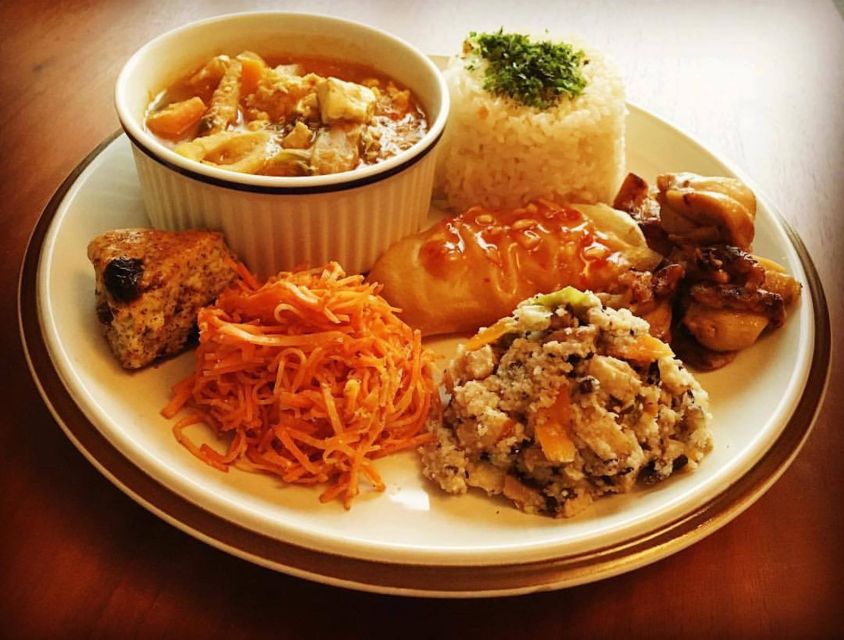
The traditional menu may be a teishoku, or set meal. That usually means rice, a seasonal main dish, and two seasonal side dishes. Other possible menus include donburi, obento, tonjiru with rice balls, and related home-style combinations.
This is a useful introduction to the structure of a Japanese meal. You are not just preparing one large main course. You see how rice, soup, a main dish, and small sides work together. That balance helps explain why Japanese home cooking can feel varied without relying on heavy portions.
Wednesday through Friday may bring more familiar restaurant favorites. Possible dishes include ramen, gyoza, curry rice, okonomiyaki, rice burgers, kara-age, and yakisoba. The class prepares two to four items, and the exact menu depends on the date.
I would check availability before paying if one dish is the main reason you want to book. The weekly pattern gives you a good guide, but it does not promise one exact recipe for every session. A previous class, for example, included ramen and gyoza, while another prepared katsu curry, tofu salad, and chikuwa vegetable appetizers.
That changing menu is a plus for repeat visitors. You can return to Tokyo and take another class without simply repeating the same meal.
What you actually do during the three-hour class
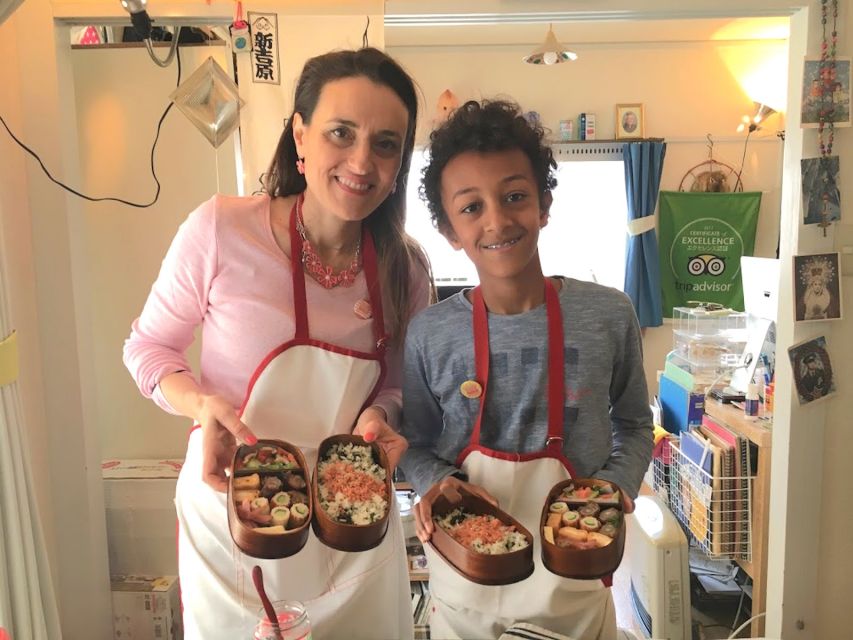
The advertised duration is three hours, also shown as 270 minutes, while the listed morning and evening times each run for two and a half hours. Since the schedule shows 10:30 a.m. to 1 p.m. and 6 p.m. to 8:30 p.m., check the confirmed time when booking.
The class is hands-on from the start. You may chop vegetables, prepare fillings, season meat, shape gyoza, work with noodles, build a soup, and arrange the finished dishes. The aim is to understand the steps, not merely watch Sato perform them.
That makes this a good choice for home cooks. You leave with methods you can repeat, not just a photograph of a finished plate. Past menus have included miso soup, rice, teriyaki chicken, salads, stuffed fishcake, and vegetables, as well as ramen and gyoza made from scratch.
Sato also pays attention to presentation. You learn that a Japanese meal is judged by more than flavor. The way separate dishes are arranged, and how seasonal ingredients are used, are part of the lesson.
The teaching style is patient and conversational. You can expect Sato to explain ingredients and answer questions in English. His personal stories are part of the class, including his family’s influence and his reasons for taking cooking seriously. The result is less like a timed professional workshop and more like a long meal preparation with someone who enjoys passing on what he knows.
Seasonal ingredients are the real lesson
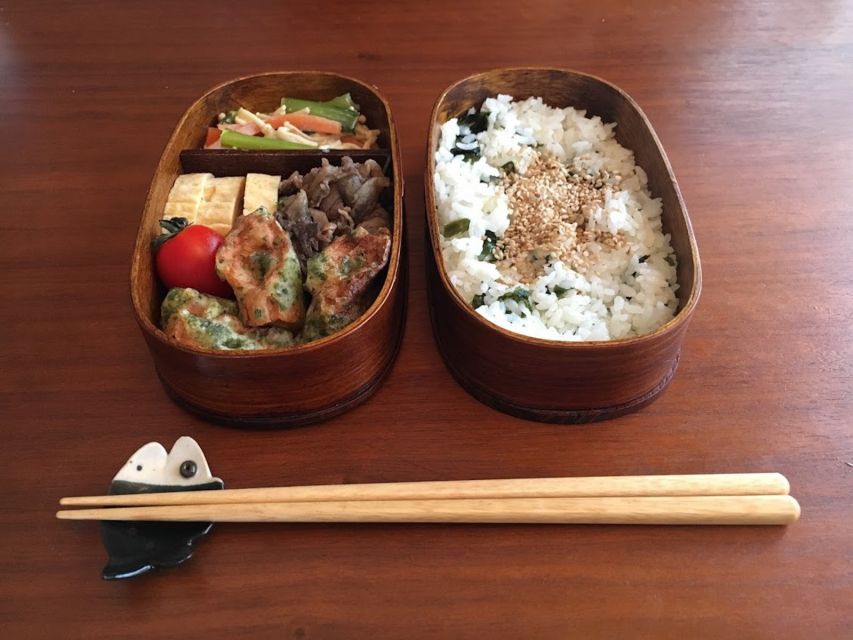
The most important idea running through the class is seasonality. In Japanese cooking, seasonal ingredients are not just a marketing detail. They help shape the menu, the appearance of the food, and the sense of time and place at the table.
Sato uses that idea to explain why Japanese meals are built from several modest components. A seasonal main dish might be paired with side dishes that add different textures and flavors. Rice and soup help make the meal feel complete without making every item rich or heavy.
You may also learn small kitchen lessons that are easy to miss in a restaurant. One participant specifically remembered being shown how to cut black spots out of potatoes. That kind of practical tip is typical of a home class. It is ordinary, useful, and more likely to stay with you than a complicated chef trick.
The recipes are also intended to travel well. You receive recipes in at least some class formats, and the dishes are familiar enough to recreate at home. If you live far from Japan, you may need to adapt ingredients, but the basic methods remain useful.
Same base, a different sort of day:
- Mt Fuji and Hakone 1-Day Bus Tour Return by Bullet Train
★ 5.0 · 26,383 reviews - 1-Day Tokyo Bus Tour
★ 5.0 · 14,250 reviews - Tokyo: TOKYO SKYTREE® Admission ticket
★ 4.5 · 11,192 reviews - Tokyo: teamLab Planets TOKYO Digital Art Museum Entry Ticket
★ 4.6 · 9,779 reviews
Eating what you prepared
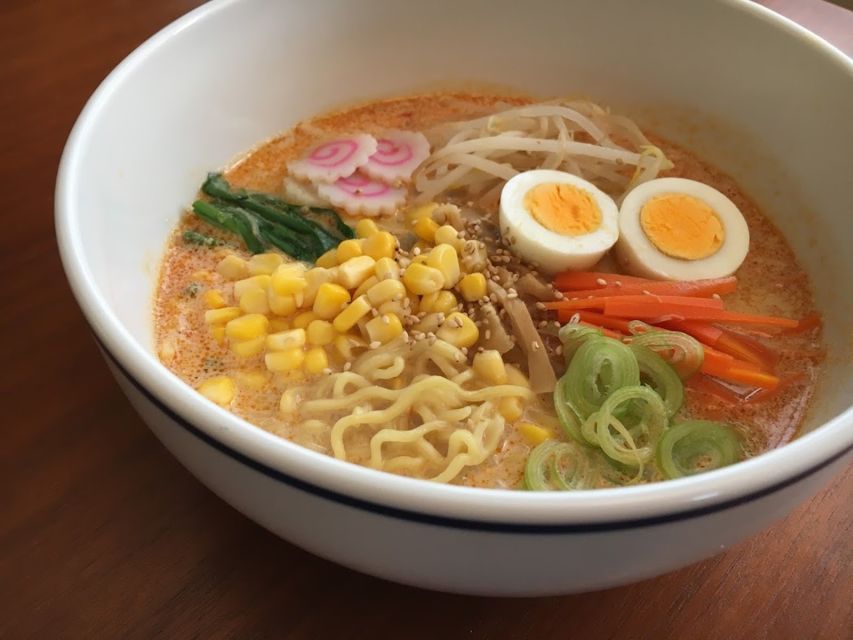
After the cooking, you sit down and eat the meal you helped make. This is more than a reward at the end. It lets you taste how the separate parts work together and gives you time to talk with Sato without a cutting board between you.
The setting is intimate. You are in a local apartment, not a restaurant dining room, and the meal is prepared by the group. That can feel personal and informal, which is exactly the appeal for many people. It also means you should not expect a luxury dining service or a large professional kitchen.
A free drink of Japanese barley tea is included. Meals are included as well, so the $120 cost covers the instruction, ingredients, and a substantial shared meal. Depending on the group size, that is not a bargain in the way a quick bowl of noodles is, but it compares well with a private cultural activity that combines food, teaching, and conversation.
The value improves if you care about learning rather than simply eating. For a couple or small private group, the chance to ask direct questions and help make several dishes makes the price easier to justify. If you only want to taste Japanese food, restaurants and markets will cost less.
The optional Shinjuku and Nakano walk
Morning participants can add a short trip from 1 to 3:30 p.m. after class. The walk visits several places in Shinjuku and Nakano that may not be found in a standard guidebook.
The walk is not described as a major sightseeing circuit, and you should not book it expecting Tokyo’s famous headline attractions. Its appeal is local orientation. Sato can point out places you might pass without noticing and explain parts of the area through his own connection to it.
This add-on also changes the rhythm of the day. You begin with food and conversation, then see more of the neighborhood with a local guide. That combination works well if you want a break from major sights and shopping streets.
The walk is available after the morning class, not the evening session. If you want it, choose the 10:30 a.m. start and allow the full afternoon. If your schedule is tight, the cooking class by itself is still the main event.
Why the private format matters
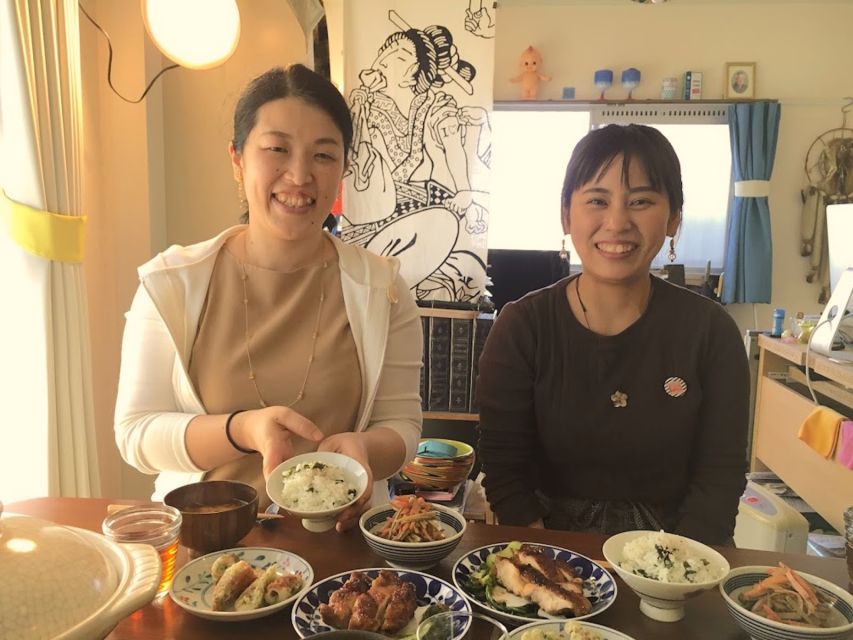
The group is private, so you are not sharing the lesson with a large class of strangers. That can make a major difference in a small apartment, where space and attention matter.
Private groups are also better for mixed cooking ability. A confident cook can ask about technique, while a beginner can slow down and ask basic questions without feeling out of place. Couples and families may appreciate the chance to set their own conversational pace.
Sato’s English is another practical strength. The activity is taught in English, and clear communication is important when you are handling knives, ingredients, and several dishes at once. You can ask about food preferences before the class, and one past couple had a menu adjusted around what they wanted to learn.
Still, the private setting is not for everyone. If you prefer a large culinary school with modern equipment, formal demonstrations, and a set menu, this may feel too home-based. The apartment is part of the point, but it also means a smaller and less commercial environment.
Who will get the most from this class
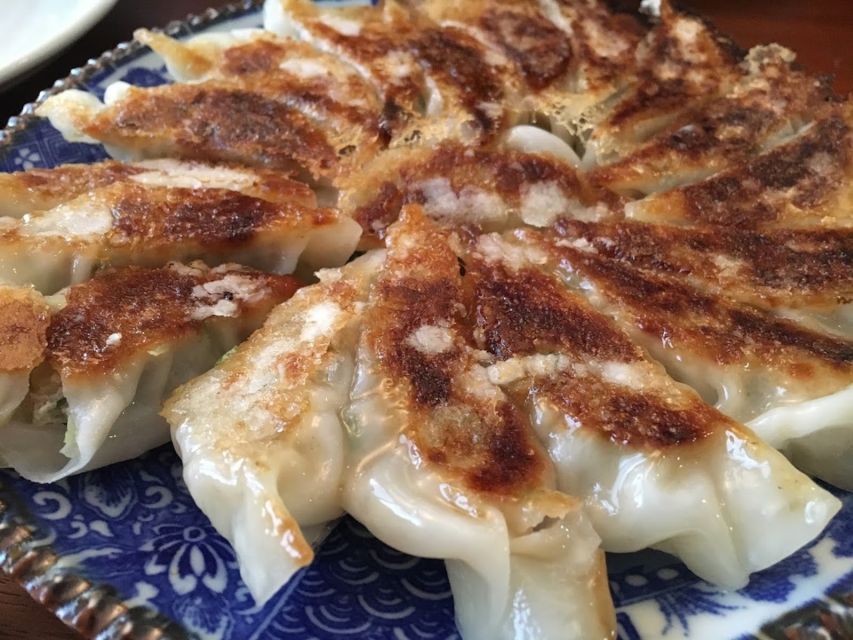
I would recommend this to you if food is one of the main reasons you came to Tokyo and you want to understand what people cook at home. It is particularly well suited to beginners, couples, small groups, and anyone who plans to cook Japanese dishes after returning home.
It also works nicely late in a trip. After days of restaurant meals, preparing a home-style lunch or dinner gives you a different view of Japanese food. You are not only sampling the finished product. You see the preparation, the balance of the meal, and the care taken with small details.
Families may appreciate the relaxed teaching, though the supplied information does not specify a minimum age. If you have allergies, dietary restrictions, or a fixed food requirement, ask about those before booking rather than assuming the menu can be changed.
This is less suited to someone seeking a short, cheap activity or a guaranteed signature dish. The class runs for several hours, and the menu changes by day. You pay for personal instruction and cultural exchange, not just a recipe.
Timing, cost, and practical details
The price is $120 per person. That includes the meal, Japanese barley tea, the private English-language instruction, and pickup at the meeting point near Shinjuku Station’s east exit.
Free cancellation is available up to 24 hours in advance for a full refund. You can also reserve and pay later, which is useful when you are still arranging a Tokyo itinerary.
The listed start times are 10:30 a.m. and 6 p.m. The morning class is followed by the optional 1 to 3:30 p.m. walk. Evening participants get the cooking and meal but not that add-on.
Wear something comfortable for a home kitchen and arrive ready to participate. The meeting point is specific, but Shinjuku Station is large, so allow enough time to reach the east exit police box. You are picked up there and escorted onward.
Should you book Chef Sato’s cooking class?
Book it if you want a personal look at Japanese home cooking, enjoy talking with a local, and like the idea of making food you can repeat at home. Chef Sato’s strengths are his warm hosting, clear English, family cooking background, and patience with questions.
Choose your day with care. Saturday through Tuesday favor traditional set meals and seasonal home dishes. Wednesday through Friday offer popular foods such as ramen, gyoza, curry, okonomiyaki, and kara-age. The exact menu changes, so confirm it if a particular dish matters.
At $120, this is not Tokyo’s cheapest meal. It is a strong value for a private group that wants instruction, food, and a local walk or conversation in one package. If that sounds better than another restaurant reservation, this is a smart addition to your Tokyo plans.
FAQ
Where does the cooking class meet?
Meet at the police box by Shinjuku Station’s east exit, at 3-38-38-1, Shinjuku, Shinjuku-ku, Tokyo, 160-0022. Pickup at this meeting point is included.
Who teaches the class?
Chef Sato teaches the class in English. He learned traditional Japanese cooking from his parents from a very young age and shares family stories and cooking methods during the lesson.
How long does the activity last?
The activity is listed as three hours, or 270 minutes. The published class times run from 10:30 a.m. to 1 p.m. or from 6 p.m. to 8:30 p.m., so confirm the exact schedule when booking.
What food will I cook?
The menu changes by day. Traditional meal days may include teishoku, donburi, obento, tonjiru, rice balls, and seasonal side dishes. Popular food days may include curry rice, okonomiyaki, gyoza, ramen, rice burgers, kara-age, and yakisoba.
Is the cooking class private?
Yes. The activity is for a private group, and the class takes place in Chef Sato’s apartment in Shinjuku.
Is a meal included?
Yes. The meal you prepare is included, along with a free drink of Japanese barley tea.
Can I add a Tokyo walk?
Yes, if you attend the morning class. The optional short trip runs from 1 p.m. to 3:30 p.m. and visits places in Shinjuku and Nakano that may not appear in standard guidebooks.
Just added in Tokyo
- The 10 Tastings of Tokyo With Locals: Private Street Food Tour★ 5.0 · 48 reviews
- Small Town in the Big City: Tasting Tokyo’s Kichijoji★ 5.0 · 195 reviews
- Small Town in the Big City: Tasting Tokyo’s Kichijoji★ 5.0 · 16 reviews
- EXCLUSIVE Tokyo Secret: Kichijoji Small-Group Food & Bar Hopping★ 5.0 · 29 reviews
- Explore Kichijoji: Walk Through One of Tokyo’s Beloved Districts★ 5.0 · 21 reviews
- :Tokyo,Shibuya/ Pro Photography in Kimono / English-Friendly★ 5.0 · 26 reviews
- 【R34】Tokyo:Private Daikoku tour in Modified R34★ 4.9 · 92 reviews
- Tokyo:Calligraphy &Make your original folding fan in Asakusa★ 5.0 · 62 reviews
Cooking Classes, compared.
Ramen Cooking Class at Ramen Factory in Kyoto
Read our review →
Ramen & Gyoza Cooking Class in Tokyo with Local Supermarket Visit
Read our review →
Ramen Cooking Class at a Ramen Factory with Souvenir
Read our review →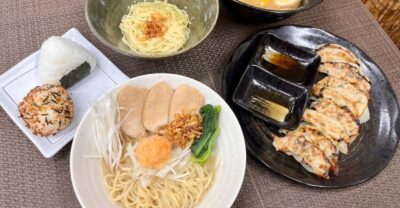
Japanese Washoku Bento Small Group Cooking Class
Read our review →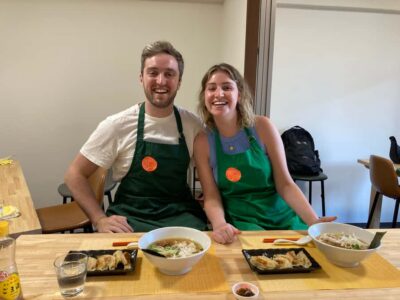
Sumo Stage Show with Bento or Snack + Fight & Photo
Read our review →
Ramen and Sushi Cooking Class with Sake Pairing Set in Tokyo
Read our review →Browse the lists this tour appears in