
Reviewed · WALKING TOURS
Tokyo: Private Walking Tour with a Local Guide
Tokyo is too large for a one-size-fits-all walking tour. This private outing solves that problem by letting you choose the mix: old temples, pop culture, markets, shopping streets, local neighborhoods, or the city’s famous modern sights. Guides such as Momo, Miwa, Rika, Hina, and Kanako are praised for making the day feel more like exploring with a helpful local friend than following a fixed script.
I like the personal planning before the tour and the practical help with Tokyo’s rail system. I also like the chance to trade famous stops for quieter streets and everyday places. The main caution is distance. Tokyo’s sights are spread far apart, so a full day can mean plenty of walking, crowded trains, and frequent transfers unless you agree on a slower plan or use taxis at extra cost.
Key points to know before booking
- Your guide contacts you on WhatsApp before the tour to ask about interests, food needs, pace, and places you want to see.
- The route can combine old and new Tokyo, from Sensō-ji and Meiji Shrine to Akihabara, Shibuya, and Shinjuku.
- Public transport is part of the experience, and guides can show you how to use Tokyo’s trains and subway system.
- The tour is fully private, so you can focus on temples, shopping, food, photography, history, or neighborhood life.
- The advertised price is $53 per person, but train fares, meals, taxis, and tickets for extra attractions are separate.
- This is not a wheelchair-friendly tour, and it is a poor fit if long walks or crowded trains are difficult.
Why a private Tokyo tour can be worth the price
At $53 per person, this is priced attractively for a private experience, especially if you are traveling with family or friends and can share the same guide. You are not paying for a rigid sightseeing circuit. You are paying for planning, local company, explanations, navigation, and the ability to change direction during the day.
The real value appears on a first day in Tokyo. The city’s rail map can look like a plate of noodles, and stations can be large enough to feel like underground neighborhoods. Guides including Miwa, Momo, and Rika have helped visitors understand routes, use the railway system, activate a rail pass, and feel more confident getting around afterward.
The price does not include trains, private cars, food, or admission to extra attractions. Carry cash and a credit card. A Suica card or other convenient transit payment method can save time, and one person specifically noted that having a loaded Suica card made the day easier.
You should also budget for the guide’s transportation. The tour uses public transport, and the advertised inclusions do not cover other transport costs. If your route requires a taxi, you pay for it. If you stop for lunch or dinner, you are expected to cover the guide’s meal if you want the guide to join you.
That arrangement is worth clarifying before the day begins. A quick WhatsApp message about food, taxi use, and the number of paid attractions can prevent awkward surprises.
Other walking tours in Tokyo people book:
- Tokyo Tsukiji Fish Market Food and Culture Walking Tour
★ 5.0 · 3,184 reviews - Tokyo: Imperial Palace and Shogun Historical Walking Tour
★ 5.0 · 2,251 reviews - Tokyo: Shinjuku Local Bar and Izakaya Guided Walking Tour
★ 4.9 · 1,794 reviews
How the planning process shapes your day
The sample route lists a remarkable number of possible places, but you should not expect to visit all of them in one outing. Tokyo’s size makes that impossible at a relaxed pace. The final plan is set with your guide around 24 hours before the tour.
Use that planning window carefully. Tell the guide what matters most:
- temples and Shinto shrines
- Japanese food and markets
- anime, manga, and electronics
- shopping and souvenirs
- photography
- gardens and quiet streets
- modern architecture and city views
- help with trains and future sightseeing
The best approach is to name two or three priorities rather than request every famous district. Bram’s experience with Miwa shows why. He found that deliberate choices mattered because too much time could disappear during travel between places. He also felt Shibuya Crossing was less worthwhile than expected, a useful reminder that famous does not always mean fascinating for you.
Guides often send a proposed route in advance and remain open to changes. Momo, Miwa, Rika, and Hina were repeatedly praised for adjusting the plan, checking energy levels, and mixing headline sights with less touristy streets.
Starting in Asakusa: Sensō-ji and old Tokyo
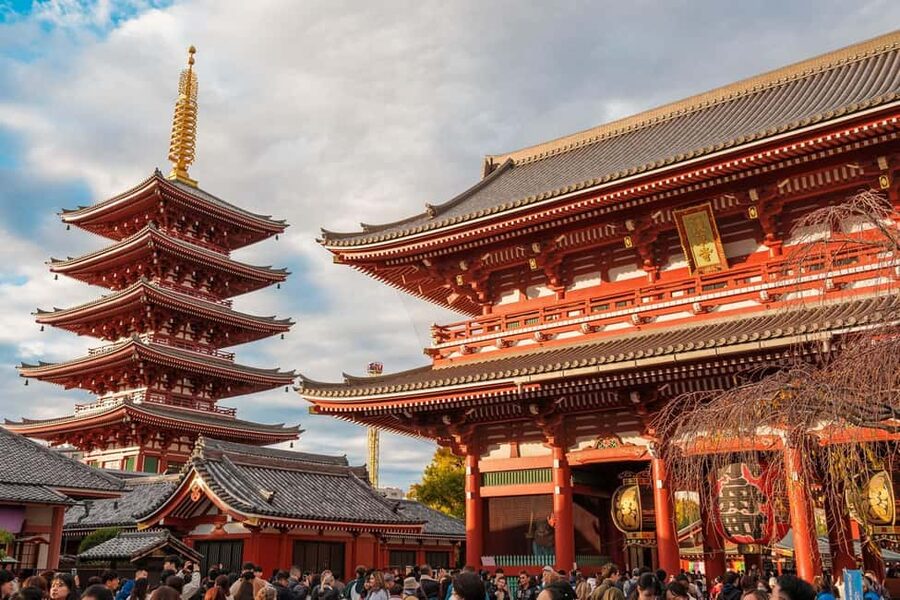
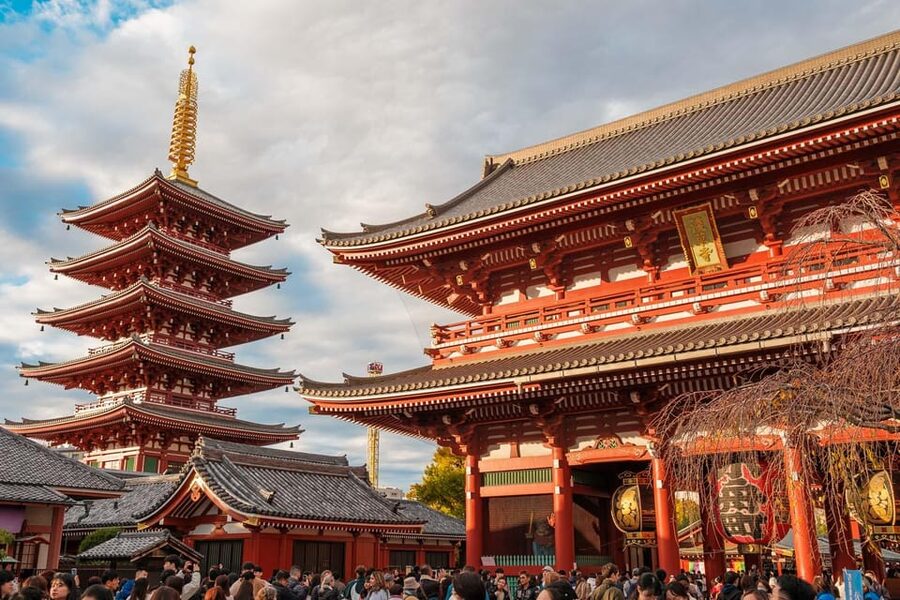
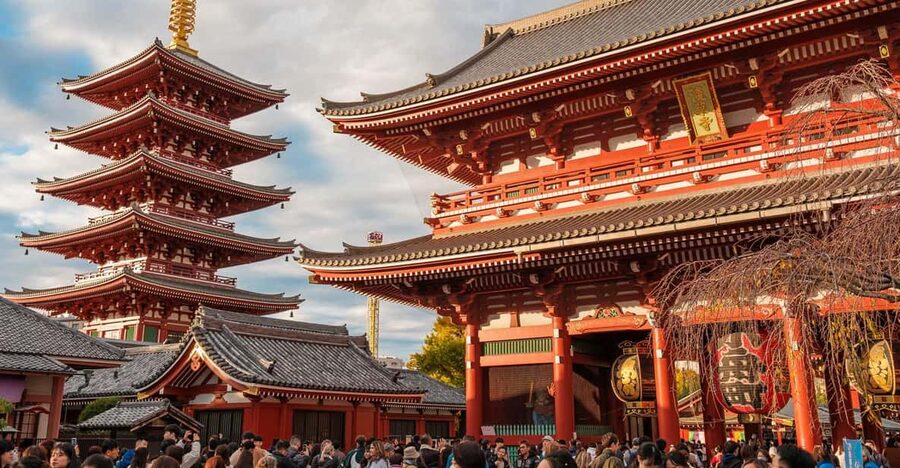
Sensō-ji Temple is one of the clearest starting points for understanding Tokyo’s traditional side. Your guide can explain the temple setting, religious customs, and the meaning behind what you see rather than leaving you to take photographs and move on.
Asakusa gives the temple visit a wider setting. The neighborhood has a strong old-Tokyo feel, with streets, shops, and places to stop for traditional food or souvenirs. It is a good choice if you want cultural context early in your trip.
The drawback is popularity. Sensō-ji can be crowded, and the approach to the temple is not a quiet introduction to Japan. Still, a private guide helps you understand what is happening around you and can point out details you might otherwise miss.
Several guides also combine a Buddhist temple with a Shinto shrine. That pairing is useful because it lets you compare two important parts of Japanese religious life during one outing.
Ueno and Ameya-Yokocho for markets and everyday Tokyo
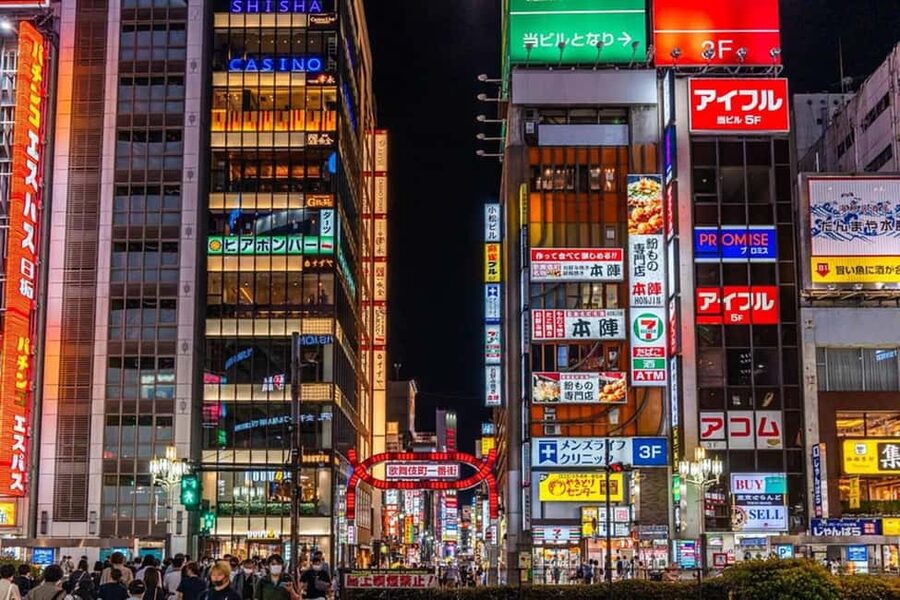
Ueno offers a change of pace from temple grounds. The district is useful for travelers who want a neighborhood with food, shopping, and daily city life rather than only major monuments.
Nearby Ameya-Yokocho adds a market stop. You might find food stalls, small shops, snacks, and plenty of street activity. It is a good place to ask your guide what locals buy, how to order, and which foods are worth trying.
This part of the route works particularly well for visitors who want tastes as well as sights. The tour does not include meals, but your guide can help with choices and communication. Remember that if you invite the guide to eat with you, you are expected to pay for the guide’s meal.
Other guided walks in Tokyo:
- Tokyo: Tsukiji Fish Market Food and Walking tour
★ 5.0 · 1,724 reviews - Tokyo: Asakusa Walking Tour with Sensoji Temple Visit
★ 4.8 · 1,583 reviews - Tokyo: Tsukiji Fish Market Guided Walking Tour
★ 4.9 · 1,397 reviews - Tokyo Castle & Imperial PalaceーShogun Walking Tour
★ 4.7 · 1,068 reviews
Akihabara: Tokyo’s pop culture side
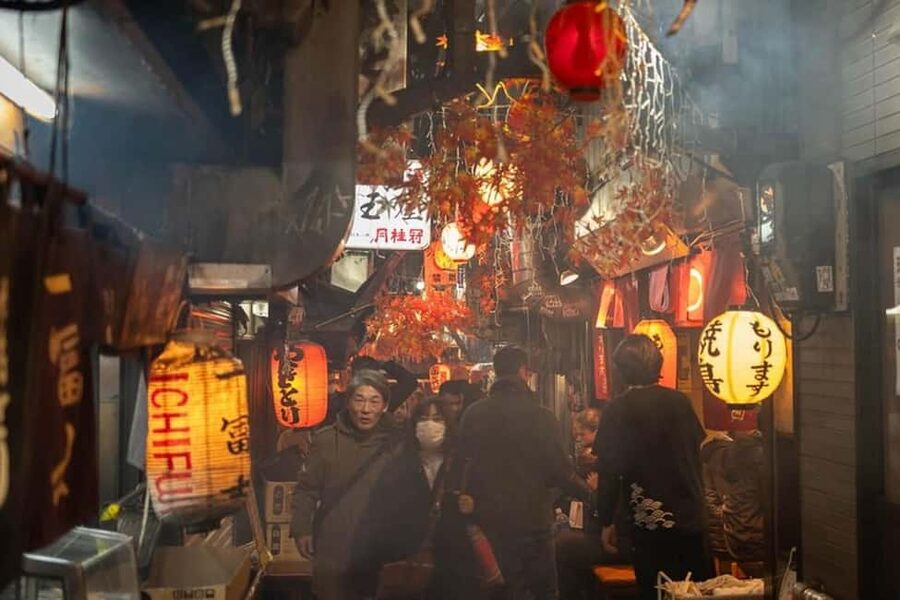
Akihabara shows another Tokyo altogether. It is the natural choice for electronics, anime, manga, games, and modern Japanese pop culture. Your guide can help connect the district to wider changes in Tokyo rather than treating it as a collection of brightly lit shops.
Akihabara is most useful when you have a clear interest. If you want to shop, tell your guide what you are looking for. If you are only curious, a shorter visit may be enough, leaving more time for a neighborhood or shrine.
The private format helps here. You can ask direct questions, skip shops that do not interest you, and avoid spending half a day in a district simply because it appears on a standard itinerary.
Meiji Shrine and Harajuku: a useful contrast
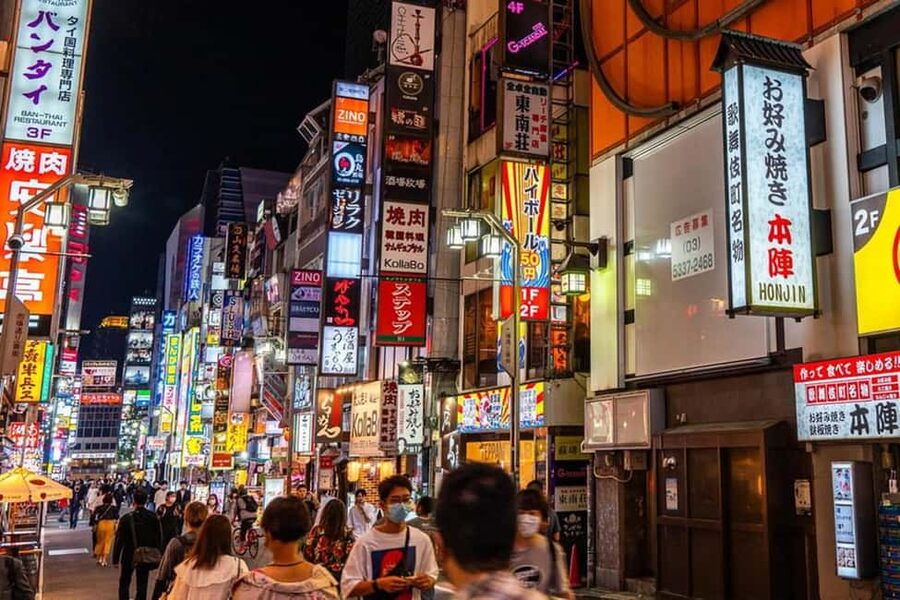
Meiji Shrine offers a calmer setting and a chance to learn about Shinto customs. The guide can explain respectful behavior at a shrine, including how visitors take part in simple rituals, without turning the visit into a lecture packed with dates and figures.
Harajuku adds youth culture, fashion, and shopping. Placing Harajuku near Meiji Shrine creates one of the tour’s best contrasts: a sacred setting followed by a district associated with modern style.
You should not expect total quiet at Meiji Shrine or an untouched local neighborhood in Harajuku. These are well-known places. Their value comes from seeing two different sides of Tokyo close together and having someone explain the connection.
Shibuya Crossing and the question of famous sights
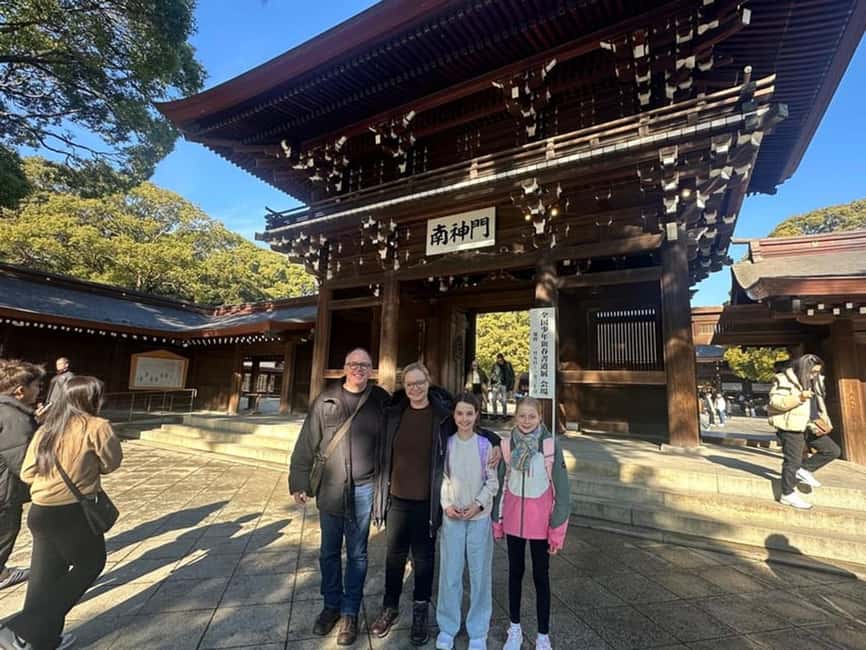
Shibuya Crossing is an obvious request, particularly for a first visit. Your guide can help you reach the crossing, explain the surrounding area, and suggest a good viewpoint. It is an easy photo stop and a symbol of modern Tokyo.
But keep your expectations in check. The crossing itself is brief. You walk across with the crowd, take pictures, and then decide what deserves your time next. One experienced couple later felt they would have chosen another place instead, so I would not make Shibuya Crossing the main reason for booking the tour.
Shibuya becomes more worthwhile if you pair it with shopping, food, nearby streets, or a discussion of Tokyo’s modern culture. Your guide can also help you avoid wasting time wandering through the station.
Tsukiji Outer Market and Ginza
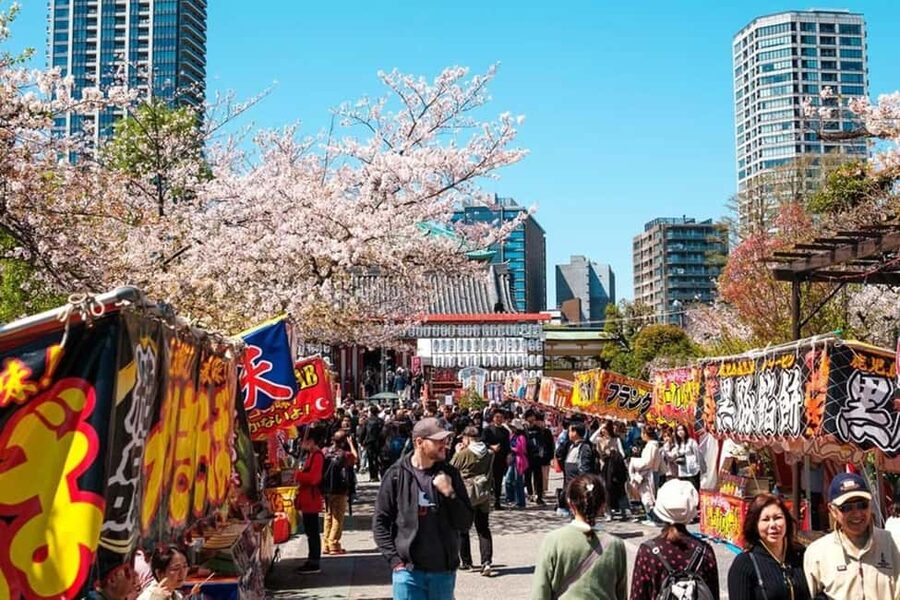
Tsukiji Outer Market is a strong choice for food lovers and early visitors who want a lively introduction to Tokyo’s eating culture. Rika led one group through the market, where they enjoyed free samples and grilled seafood. That sort of local guidance matters in a market, because the best stop is not always the most obvious one.
The market is not included as a meal, so bring money and expect to pay for what you eat. Also remember that crowds, standing, and narrow routes can make it tiring.
Ginza provides a polished contrast. It is known for department stores, major brands, restaurants, and wide city streets. Ask for Ginza if you want shopping or a look at Tokyo’s high-end commercial side. If you prefer small alleys and local markets, you may find Ueno or Tsukiji a better use of your time.
The Imperial Palace and central Tokyo
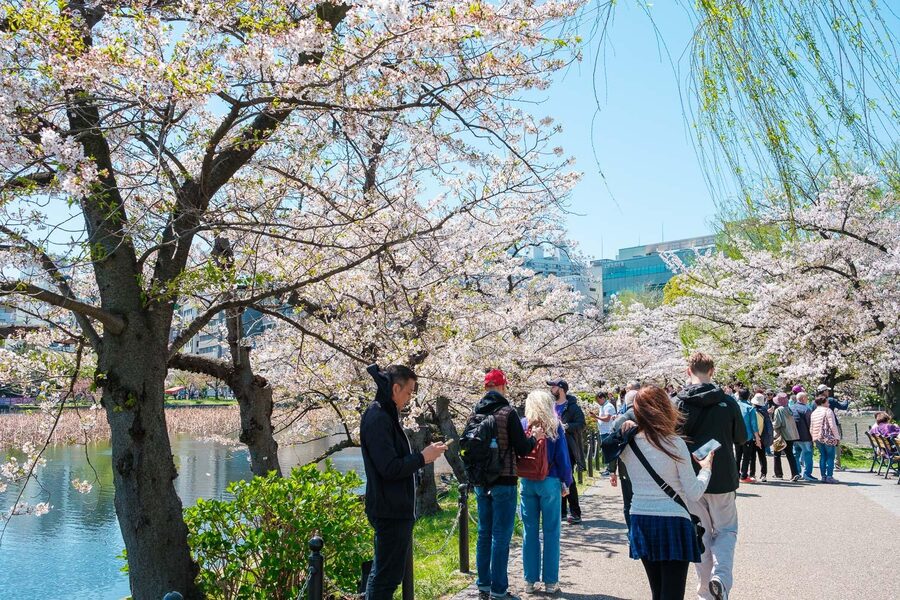
The Tokyo Imperial Palace is a natural choice for visitors interested in national history and central Tokyo. You can see the area around the palace and place modern city life against an important national setting.
The exact access and paid attractions depend on what you choose to enter. Temple and shrine entrance fees are included, but additional attractions are not. If a special site requires admission, you must pay for your ticket and the guide’s ticket.
This is another reason to discuss priorities in advance. A visitor seeking photographs and a broad orientation needs a different stop from someone who wants to spend time inside paid attractions.
Shinjuku and the city after dark
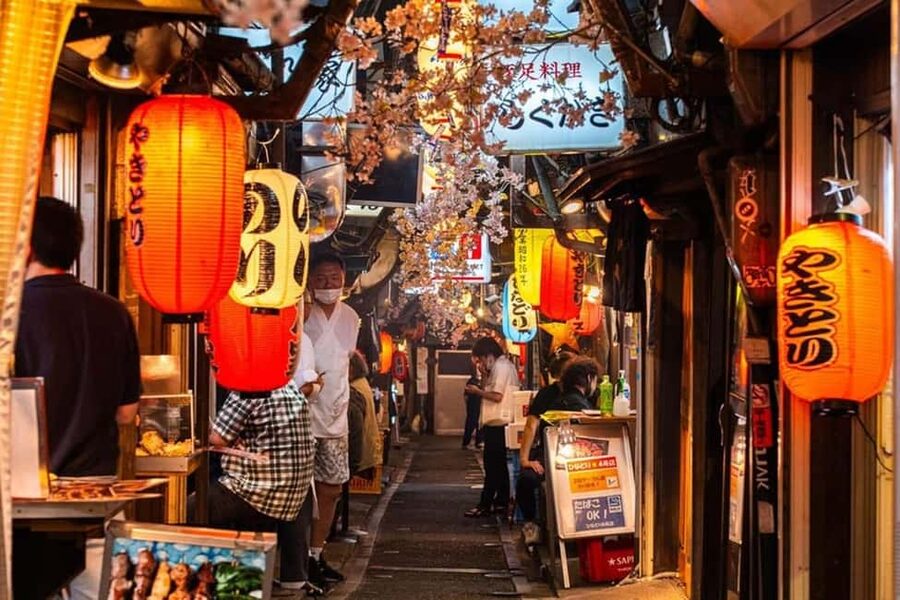
Shinjuku can close the day with a strong dose of modern Tokyo. It offers department stores, restaurants, entertainment, tall buildings, and dense city energy. It is also a practical place to learn how the rail system connects major districts.
A guide can help you choose between a quick orientation and a longer evening stop. Do not assume that adding Shinjuku means you have time for every other district. A six-hour route covering several far-flung areas can feel full, while an eight-hour day can become physically demanding.
One guide took visitors to a restaurant with a city view after a day that included Asakusa, Ueno, Tokyo Station, Shibuya, Meiji Shrine, and Shinjuku. Food and restaurant bills are separate, but this shows how the tour can finish with practical local advice rather than simply ending at the last landmark.
Walking, trains, and the physical effort
The name says walking tour, but the day combines walking with public transport. That is the right way to cover Tokyo, though it means you should expect station stairs, platform changes, standing, and crowded trains.
Wear comfortable shoes. On a hot or humid day, ask for cooling breaks and fewer stops. Momo adjusted the pace for a group during warm weather, while Kanako helped older visitors use taxis instead of trains when walking became too difficult.
The activity is not suitable for people with mobility impairments or wheelchair users. Baby strollers and baby carriages are also not allowed. If you walk slowly, have joint problems, or dislike crowded trains, say so before the final route is set.
The strongest guide is not the one who packs in the most locations. It is the one who chooses a route you can enjoy. Rika, Momo, Miwa, Hina, and Kanako are repeatedly praised for pacing, patience, clear English, and practical help, but your experience still depends on explaining your needs honestly.
The guides and the personal side of the tour
The guide roster includes Momo, Momoha, Miwa, Rika, Hina, Kanako, Hina, Nao, Yoshie, Yossy, Saya, and others. You do not select a guaranteed guide from the general description, so treat the guide assignment as part of the booking uncertainty.
The strongest pattern is personal attention. Guides ask what you want to see, answer questions without burying you in facts, take photographs, suggest later activities, and help you feel independent for the rest of your trip.
Momo is often praised for warmth, humor, flexibility, and local suggestions. Miwa receives high marks for clear communication, cultural explanations, rail help, and thoughtful route planning. Rika is praised for organization, photos, and efficient use of public transport. Hina is noted for a relaxed pace, clear English, and useful advice beyond the tour.
That personal connection is a major reason to choose this experience over a standard group outing. It is also why your pre-tour message matters. Give the guide enough information to understand what a successful day means to you.
Duration choices and who should book
The activity is advertised for two to eight hours, with planning notes referring to four, six, or eight-hour options. A four-hour tour can introduce you to several central areas without turning the day into a marathon. Six hours gives you room for more contrasts, while eight hours suits active visitors who want a broad first look.
I would choose four hours if you want orientation, one traditional area, one modern district, and help with transport. Choose six hours if you want several neighborhoods and a proper lunch or market stop. Choose eight hours only if your group is comfortable walking and changing trains for much of the day.
This tour suits first-time visitors, families who want a private pace, couples with specific interests, and solo travelers who want company without joining a large group. It is also useful late in a trip if you need help with shopping, final temples, or transport.
It is less suitable if you want a specialist food tour, a fixed historical lecture, a fully wheelchair-accessible outing, or a day with no public transport. It is also not ideal if you expect every famous Tokyo sight in one relaxed route.
Should you book this private Tokyo walking tour?
Book it if you want a friendly local guide, a flexible route, and practical help with Tokyo’s huge transport network. The best value comes when you use the tour as an orientation day, not as a race to collect every landmark.
Before booking, prepare a short wish list and rank it. Ask for fewer train journeys if comfort matters, confirm the duration, and clarify any paid attractions, taxi use, and meal plans. At $53 per person, the private format offers good value when the guide saves you time and helps you enjoy places you would struggle to connect on your own.
FAQ
How much does the private Tokyo walking tour cost?
The listed price is $53 per person. Meals, beverages, train fares, private cars, taxis, airport transfers, and tickets for additional attractions are not included.
How long does the tour last?
The advertised duration is two to eight hours. The planning information refers to four, six, or eight-hour options, with the exact choice confirmed when you check availability and plan with your guide.
Where does the tour start?
Pickup is available from your hotel or accommodation in central Tokyo, or from a preferred meeting place in Tokyo. The available pickup areas include districts such as Shinjuku, Shibuya, Taito, Chiyoda, Minato, and others.
Is the tour private?
Yes. This is a private group experience with a live English-speaking guide.
Can I choose the places I visit?
Yes. You should share your interests and requested places after booking. The sample route may include Sensō-ji, Asakusa, Ueno, Akihabara, Shibuya, Harajuku, Meiji Shrine, Tsukiji, Ginza, the Imperial Palace, and Shinjuku, but your final route can differ.
Are entrance fees included?
Temple and shrine entrance fees are covered. Tickets for additional attractions or special requests are not included, and you are responsible for buying admission for yourself and your guide when required.
Is the tour suitable for wheelchair users?
No. The activity is not suitable for wheelchair users or people with mobility impairments. Comfortable shoes are recommended, and the tour may include substantial walking and public transport.
Just added in Tokyo
- Nikko: Edo Wonderland Edomura Cultural Theme Park Ticket★ 4.3 · 205 reviews
- 《MEMBERS-ONLY-BAR-HOPPING》Discover Your Special Whiskey in Tokyo!★ 5.0 · 29 reviews
- Japanese Whisky Hunting《HIGH-QUALITY-ONLY》Rare Tasting Class★ 5.0 · 20 reviews
- Luxury Tokyo Sake, Cocktail, Whisky and Pairing Tour★ 5.0 · 18 reviews
- Wagyu & Sake Pairing in Shinjuku – Steak, Shabu-Shabu & More★ 5.0 · 112 reviews
- Small-Group Wagyu Beef and 7 Japanese Dishes Tokyo Cooking Class★ 5.0 · 190 reviews
- From Tokyo: Private Tour to Fuji/Hakone – Onsen, Art, Nature★ 5.0 · 116 reviews
- Tokyo: KABUKI Show at Kabukiza Theatre Admission Ticket★ 4.8 · 152 reviews
Walking Tours, compared.
Kyoto Geisha Walking Tour: Gion District & Hidden Gems
Read our review →
Tokyo Tsukiji Fish Market Food and Culture Walking Tour
Read our review →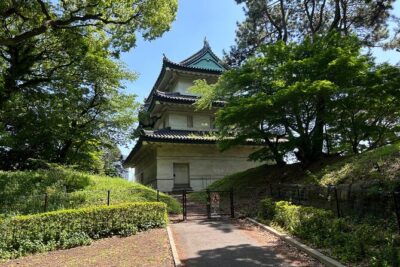
Imperial Palace and Shogun Historical Walking Tour
Read our review →
Gion Geisha District Walking Tour – Stories of Geisha
Read our review →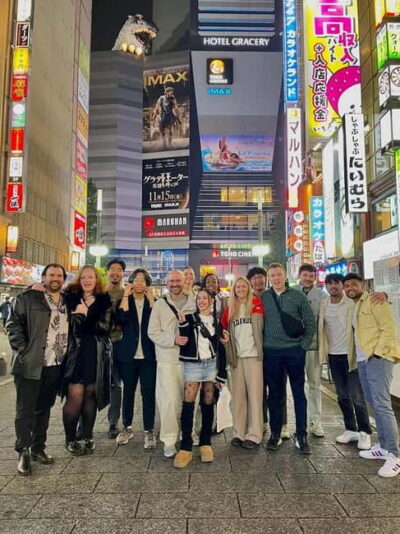
Shinjuku Local Bar and Izakaya Guided Walking Tour
Read our review →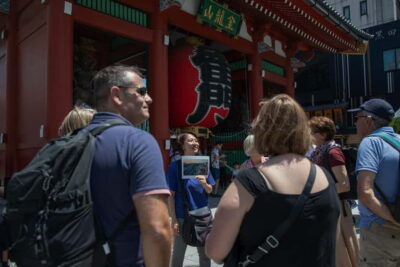
Asakusa Walking Tour with Sensoji Temple Visit
Read our review →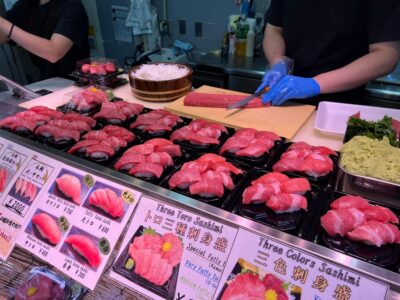
Nishiki Market Brunch Walking Tour (7 Tastings + Brunch)
Read our review →Browse the lists this tour appears in