
Reviewed · WALKING TOURS
Tokyo: Shinjuku Historical Walking Tour & Secret Backstreets
Shinjuku changes character every few blocks, and this tour takes you from neon-lit Kabukicho to narrow bar lanes and a quiet shrine in about 90 minutes. The best part is the contrast: Tokyo’s loudest nightlife district sits beside corners that feel almost tucked away from the city.
I like the small-scale local guidance and the useful restaurant and bar advice you receive along the way. I also like the route’s mix of photo stops, old Tokyo atmosphere, and traditional culture. The main drawback is its short length. If you already know Shinjuku well, parts of the walk may feel easy to do alone, and there is no included food or bar visit.
Key points to know before booking
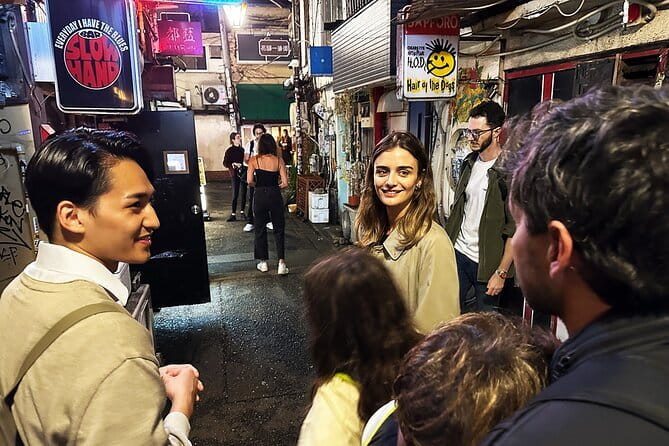
- Omoide Yokocho begins the old-Tokyo story: Expect tiny lanes and small eateries in a nostalgic corner near Shinjuku Station.
- Kabukicho supplies the neon and energy: The route passes through Shinjuku’s famous entertainment district after dark.
- Golden Gai is best for atmosphere: You see its narrow lanes and tiny bars, but drinks are not included.
- Hanazono Shrine gives the walk a calm finish: The guide explains shrine customs and leaves you with a quieter view of the district.
- The price is modest for a private introduction: At $25.20 per person, the value rests mainly in orientation and local advice, not included attractions.
- The weather matters: Poor weather can lead to a new date or a full refund, and you can cancel free up to 24 hours ahead.
Why Shinjuku works so well on foot
Shinjuku can be hard to read at first. The station is huge, signs point in many directions, and the district shifts quickly from department stores and office towers to food lanes, bars, shrines, and entertainment streets.
A guide helps you spend less time studying a map and more time noticing what is around you. You meet at the police box by the East Exit of Shinjuku Station, then walk through several distinct parts of the district before returning to the same meeting point.
That circular route is handy. You do not need to arrange a taxi at the end, and you finish where you can reconnect with the train system. The meeting point is near public transportation, but give yourself extra time to find the East Exit. Shinjuku Station is not a place where you want to arrive at the last minute.
The tour lasts about 90 minutes. That makes it a good first look at the area, especially if you are staying in Shinjuku and want to choose a restaurant or evening activity afterward. It is not long enough for a slow visit inside every stop, and it does not include a sit-down meal, bar tasting, or paid attraction.
Other walking tours in Tokyo people book:
- Tokyo Tsukiji Fish Market Food and Culture Walking Tour
★ 5.0 · 3,184 reviews - Tokyo: Imperial Palace and Shogun Historical Walking Tour
★ 5.0 · 2,251 reviews - Tokyo: Shinjuku Local Bar and Izakaya Guided Walking Tour
★ 4.9 · 1,794 reviews
Omoide Yokocho and the feel of old Tokyo
Omoide Yokocho, also called Memory Lane, is one of the strongest opening stops. Its narrow passages and compact eating places offer a sharp contrast to the broad streets and tall buildings nearby.
This is the kind of place where a guide adds value through context. You can see the lanes on your own, but a local can point out why the area feels different from the newer parts of Shinjuku and suggest places to eat later. The tour includes one vending-machine drink recommended by the guide, but it does not cover meals or drinks at the small eateries.
Keep your expectations clear. Omoide Yokocho is a viewing and orientation stop, not a food tour. You may leave with ideas for dinner, but you will need to return on your own if you want to eat there. That is not a serious fault at this price, though it matters if you expect tastings.
The lanes also make good photographs. Space is tight, so listen to the guide and be considerate around restaurants and people eating. A little patience helps you take pictures without blocking the passage.
Kabukicho after dark
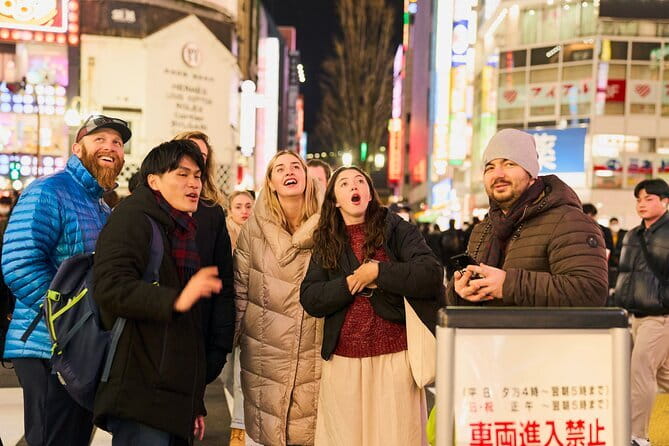
Kabukicho is the district most people picture when they think of Shinjuku at night. Neon signs, large entertainment buildings, and busy streets create a strong visual break from the quieter shrine later in the walk.
The guide does not simply lead you through the main road. The point is to help you understand the surrounding streets and locate places you might miss when walking alone. Guides including Mao, Akari, Maya, Cherry, Ai, and Aki have been praised for explaining the area in a friendly, clear way, with advice on food, bars, shopping, and local customs.
One practical strength is the use of calmer corners for explanations. Shinjuku can be noisy, so standing in a quieter spot makes it easier to hear the guide. This is especially useful for anyone visiting Tokyo for the first time or anyone who wants background without sitting through a long lecture.
Kabukicho is a place where basic awareness helps. Stay close to your guide, keep track of your belongings, and pay attention when the group turns into a side street. The tour is designed to remove the worry of getting lost, but you still need to watch where you are walking.
Tokyu Kabukicho Tower and modern Shinjuku
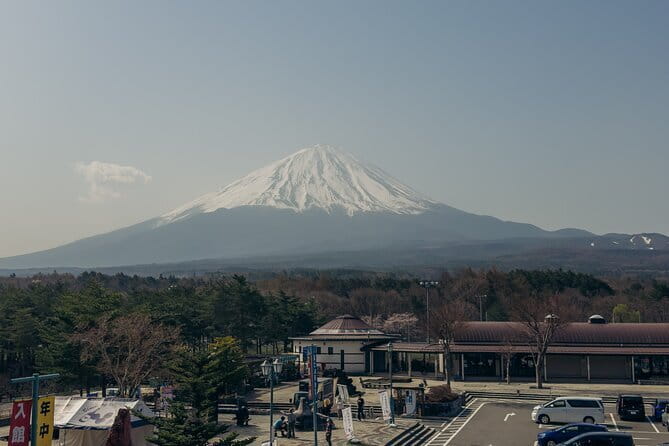
Tokyu Kabukicho Tower shows the newer face of the district. The large complex contains several kinds of entertainment and gives the guide a chance to explain how Kabukicho continues to change.
The stop lasts about 25 minutes, making it the longest scheduled pause. That gives you time to look at the building and surrounding area rather than rushing past for a photograph. One useful detail from the experience is that some guides may include a free observation deck or elevated viewing point. This is a welcome bonus when available, but it should not be treated as a guaranteed paid attraction or a separate tour feature.
The tower is also a good reminder that Shinjuku is not only about old alleys and tiny bars. The district combines newer commercial projects with long-established nightlife streets. Seeing both in one short walk gives you a clearer sense of the area than visiting only the famous photo spots.
The stop is free, but food, shopping, and entertainment inside the building are your own expense. You can use the guide’s suggestions to plan a later visit, but the tour fee does not cover purchases.
Other guided walks in Tokyo:
- Tokyo: Tsukiji Fish Market Food and Walking tour
★ 5.0 · 1,724 reviews - Tokyo: Asakusa Walking Tour with Sensoji Temple Visit
★ 4.8 · 1,583 reviews - Tokyo: Tsukiji Fish Market Guided Walking Tour
★ 4.9 · 1,397 reviews - Tokyo Castle & Imperial PalaceーShogun Walking Tour
★ 4.7 · 1,068 reviews
Golden Gai and its tiny bar lanes
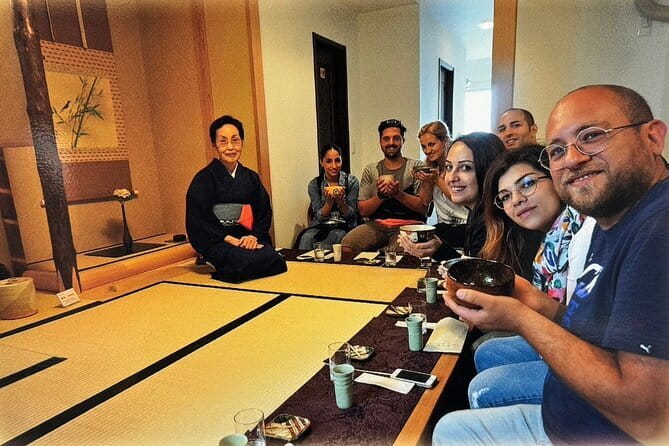
Golden Gai is perhaps the most distinctive stop for first-time visitors. Several narrow lanes hold a remarkable number of very small bars, each with limited seating and its own character.
The appeal here is visual and cultural. You see a style of nightlife that feels far removed from a standard hotel bar or large restaurant. The guide can explain how to approach the area and point out places worth noting for a later evening.
Do not assume the walking tour includes entry to a bar. The schedule gives Golden Gai about 15 minutes, and no drinks are included. That short stop is enough to walk through, take photographs where appropriate, and ask questions. It is not enough for a relaxed drink at several venues.
This is one of the places where the guide’s advice may be more valuable than a rushed stop. Ask about suitable restaurants or bars after the tour, especially if you are unsure about small venues. Several guides are praised for offering practical suggestions after explaining the district.
If you return later, remember that tiny bars can have limited space and individual rules. The tour helps you get oriented, but it does not promise admission or a reserved seat.
Hanazono Shrine brings the route back to quiet
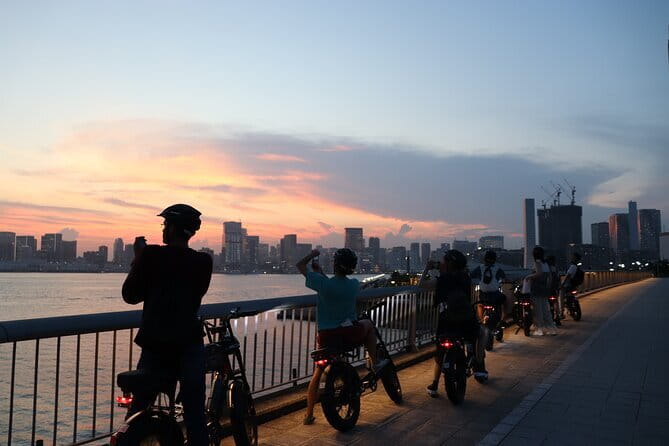
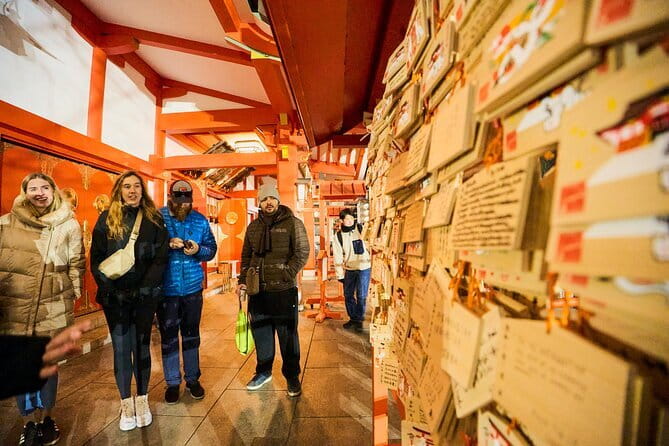
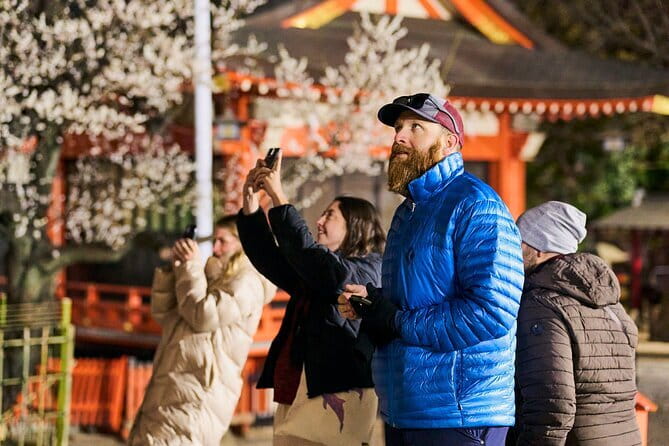
Hanazono Shrine is a smart final stop because it changes the mood completely. After neon signs, traffic, and narrow nightlife lanes, the shrine provides a calmer place to talk about Japanese religious customs.
The visit lasts about 20 minutes. That is enough time for the guide to explain basic shrine etiquette and traditions, and for you to look around without feeling hurried. If you want to buy an omikuji fortune or make an offering, bring a small amount of change. Those costs are not included in the tour price.
This stop gives the walk more balance. Without it, the experience could feel like a tour only about nightlife and photographs. The shrine adds a traditional part of Tokyo that you might pass without noticing when heading between restaurants and train stations.
It also works well for visitors who want a gentle end to the evening. Guides such as Glenda and Naoto have been praised for making the final shrine visit meaningful and for helping people find their way back toward the station.
What the guide adds to a short walk
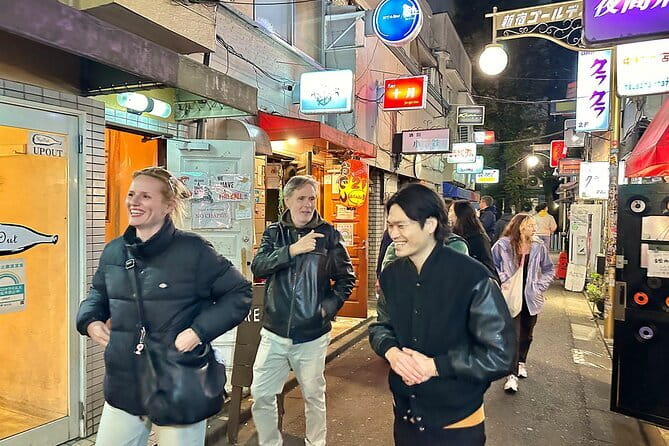
The route itself is straightforward, but the guide determines how much you get from it. Strong guides adjust their explanations to the group, answer questions, and avoid giving a speech in the middle of a noisy street.
Mao is praised for asking about personal interests early and shaping the walk around them. Akari is described as a useful guide for getting oriented in the Shinjuku area. Ayaka managed a group of 15 while keeping the explanations clear, though the activity is advertised as a private experience for your group, so confirm the group format when booking if that distinction matters to you.
Naoto is noted for giving clear meeting directions and walking people back toward the station. Ai is praised for helping a last-minute booking feel worthwhile, while Aki is singled out for history and suggestions about food and shopping. These names are useful examples of the kind of guide you may receive, but you should not assume a particular guide will be assigned to your date.
The best use of your guide is practical. Ask where to eat after the walk, which streets are worth revisiting, and how the shrine customs work. You can also ask for help sorting Shinjuku’s many options into a plan that fits your evening.
Is $25.20 good value?
At $25.20 per person, this is reasonably priced for a 90-minute introduction to one of Tokyo’s most confusing districts. There are no admission fees to worry about, and one vending-machine drink is included.
The real value is the orientation. You get a route through Omoide Yokocho, Kabukicho, Tokyu Kabukicho Tower, Golden Gai, and Hanazono Shrine, plus advice that can shape the rest of your stay. A private guide at this price can be particularly useful if you are new to Tokyo or nervous about navigating nightlife streets.
The value is weaker if you want hands-on activities. You do not receive a meal, bar tasting, shrine offering, omikuji, or paid observation-deck ticket. You also spend only a short time at each place.
Think of the tour as a well-priced introduction, not a full evening out. If you use the recommendations afterward, the cost makes more sense. If you only want to photograph the major stops and leave, you may feel that the route is easy to copy independently.
Who should book this Shinjuku walk?
I would recommend it for first-time Tokyo visitors, people staying near Shinjuku, solo visitors who want more confidence in the nightlife district, and anyone who prefers local explanation over reading a guidebook while walking.
It also suits couples and families who want a short evening activity. Most people can participate, and the walking pace is designed around several stops rather than one long march.
You may want something else if you already know Kabukicho and Golden Gai, or if you want a food-focused experience with tastings. The tour points you toward places to eat, but you pay for your own food and drinks and do not spend much time inside the venues.
Bring comfortable shoes, a charged phone for the mobile ticket, and a little cash for shrine offerings or omikuji. The tour runs in different time slots, so choose one that gives you the atmosphere you want. Night slots should provide the strongest neon views, while daytime departures may show some entertainment spots before they are open.
Practical booking details
The meeting point is the police box at Shinjuku Station East Exit, 3-chome-38-1 Shinjuku, Shinjuku City, Tokyo 160-0022. The walk ends back at the same meeting point.
Confirmation is provided at booking, and the mobile ticket makes entry simple. The activity depends on good weather. If poor weather causes cancellation, you can choose another date or receive a full refund.
You can cancel for a full refund up to 24 hours before the start time. Cancellations or changes made inside that period are not accepted for a refund, and cut-off times use Tokyo local time.
Should you book it?
Book this tour if you want a short, friendly introduction to Shinjuku that mixes nightlife, food advice, backstreets, modern Tokyo, and shrine customs. The strongest benefit is not access to exclusive attractions. It is having someone like Mao, Ai, Aki, or Naoto help you make sense of a district that can feel overwhelming at first.
Skip it if you want a meal, drinks, or a long visit inside Golden Gai. For $25.20, I see it as a good first-evening orientation, especially when you plan to use the guide’s restaurant and bar suggestions afterward.
FAQ
How long does the Shinjuku walking tour last?
The tour lasts approximately 1 hour and 30 minutes.
Where does the tour begin and end?
It begins at the police box by the East Exit of Shinjuku Station, at 3-chome-38-1 Shinjuku, Shinjuku City, Tokyo. The activity ends back at the meeting point.
What places are included in the walk?
The route includes Omoide Yokocho, Kabukicho, Tokyu Kabukicho Tower, Shinjuku Golden Gai, and Hanazono Shrine.
Is food or a drink included?
One vending-machine drink recommended by the guide is included. Meals, bar drinks, omikuji, and shrine offerings are not included.
Can I cancel for a full refund?
Yes. You can cancel at least 24 hours before the experience start time for a full refund. Changes or cancellations made less than 24 hours before the start time are not accepted for a refund.
What happens if bad weather cancels the tour?
If the experience is canceled because of poor weather, you can choose a different date or receive a full refund.
Just added in Tokyo
- Nikko: Edo Wonderland Edomura Cultural Theme Park Ticket★ 4.3 · 205 reviews
- 《MEMBERS-ONLY-BAR-HOPPING》Discover Your Special Whiskey in Tokyo!★ 5.0 · 29 reviews
- Japanese Whisky Hunting《HIGH-QUALITY-ONLY》Rare Tasting Class★ 5.0 · 20 reviews
- Luxury Tokyo Sake, Cocktail, Whisky and Pairing Tour★ 5.0 · 18 reviews
- Wagyu & Sake Pairing in Shinjuku – Steak, Shabu-Shabu & More★ 5.0 · 112 reviews
- Small-Group Wagyu Beef and 7 Japanese Dishes Tokyo Cooking Class★ 5.0 · 190 reviews
- Mt. Fuji & Hakone Cherry Blossom private One Day Tour★ 4.5 · 35 reviews
- Mt. Fuji, Hakone Private Tour from Tokyo – Onsen, Arts and Nature★ 5.0 · 79 reviews
Walking Tours, compared.
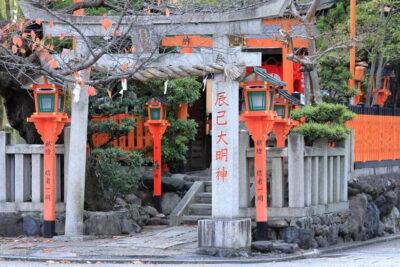
Kyoto Geisha Walking Tour: Gion District & Hidden Gems
Read our review →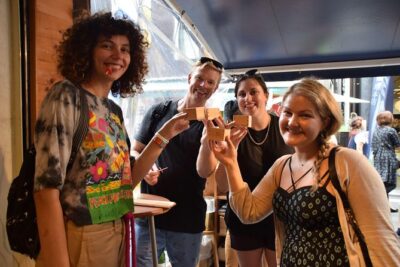
Tokyo Tsukiji Fish Market Food and Culture Walking Tour
Read our review →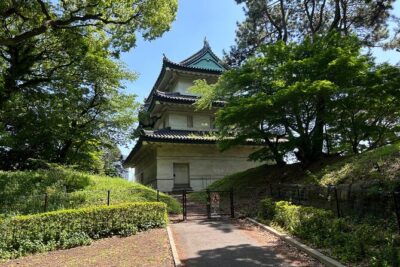
Imperial Palace and Shogun Historical Walking Tour
Read our review →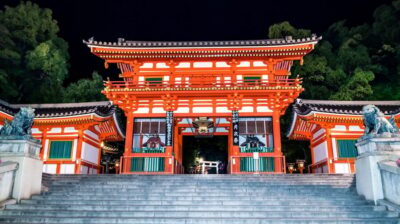
Gion Geisha District Walking Tour – Stories of Geisha
Read our review →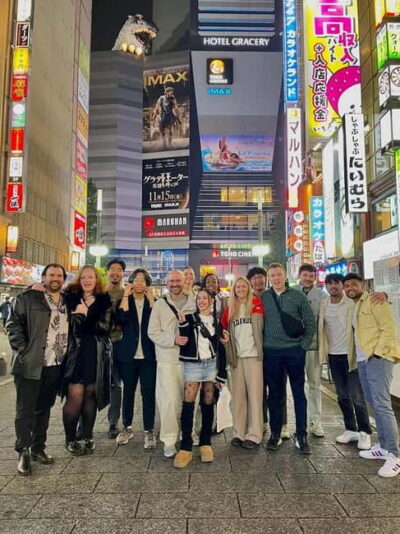
Shinjuku Local Bar and Izakaya Guided Walking Tour
Read our review →
Asakusa Walking Tour with Sensoji Temple Visit
Read our review →
Nishiki Market Brunch Walking Tour (7 Tastings + Brunch)
Read our review →Browse the lists this tour appears in