
Reviewed · TSUKIJI & TOYOSU FISH MARKET TOURS
Tsukiji Fish Market: Street Food & Culture Walking Tour
Tsukiji is best understood one bite at a time. This two-hour walk takes you from the grand Tsukiji Hongwanji Temple into the market’s food lanes, where you can try fresh tuna, wagyu, grilled scallops, eel, fish cakes, dumplings, omelet, and other Japanese specialties. The fresh-grated wasabi set is a small but memorable touch, especially with seafood.
I like the mix of food and culture here. You get a proper introduction to the temple, then practical help choosing what to eat instead of wandering past dozens of stalls unsure where to begin. I also like the guides’ flexibility. George, Kawa, Mao, Chihiro, Tomo, and others have been praised for explaining ingredients clearly and adjusting food choices to the group.
The main drawback is the calendar. About half the Outer Market shops may close on Wednesdays, Sundays, and national holidays, so the experience can feel quieter and some demonstrations may not be available. The tour is still possible, but choose another day if you can.
Key points at a glance
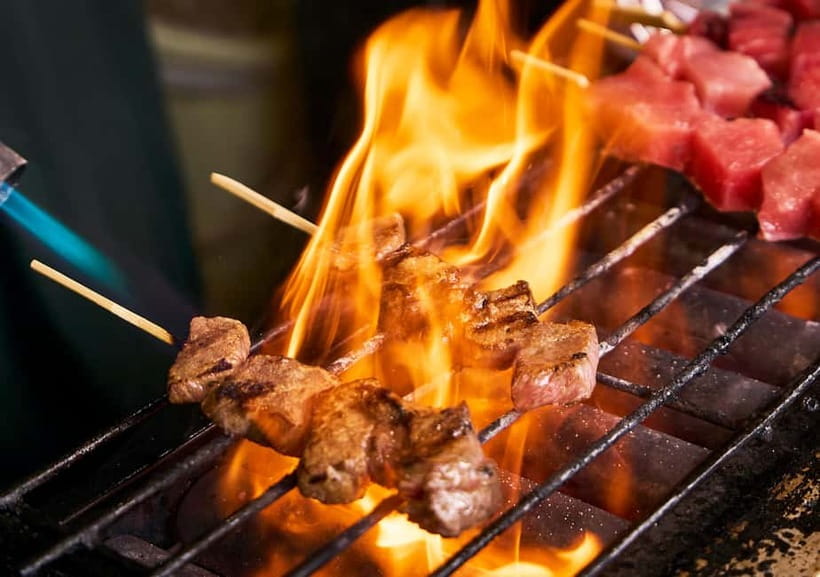
- Fresh wasabi changes the tasting: Your guide may grate or provide fresh wasabi, showing how it brings out seafood flavors without overwhelming them.
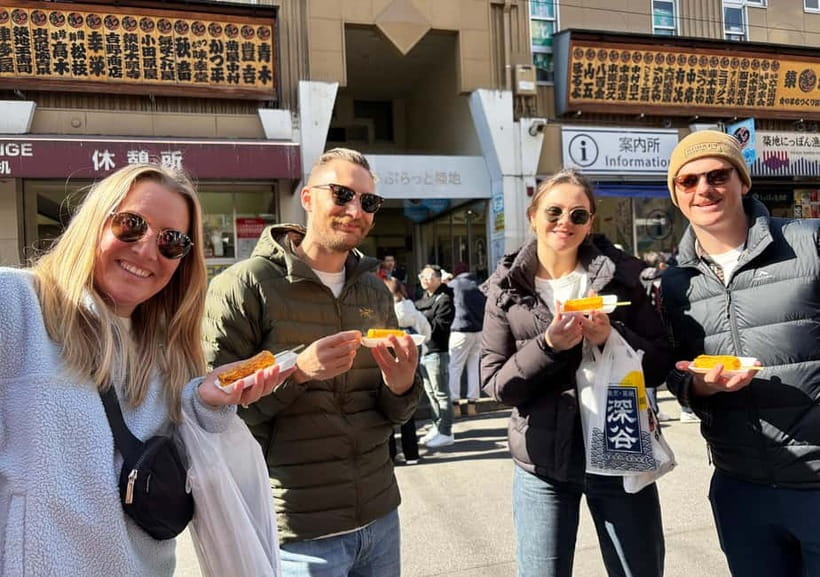
- Temple and market in one short walk: The route begins at Tsukiji Hongwanji, then moves into the Outer Market for food, shopping, and cooking traditions.
- You choose how much to eat: The tour introduces you to food stalls, while your own spending on extra bites can be as modest or generous as you like.
- Guides make the market easier: English-speaking guides such as George, Kawa, Mao, Tomo, and Chihiro explain unfamiliar foods and point out sensible places to buy.
- Bring cash: Small food stalls and market shops may not take cards, so cash is part of the practical preparation.
- A strong first-day Tokyo activity: You leave with a better sense of Japanese ingredients, food customs, and where to return on your own.
Why Tsukiji still matters after the wholesale market moved
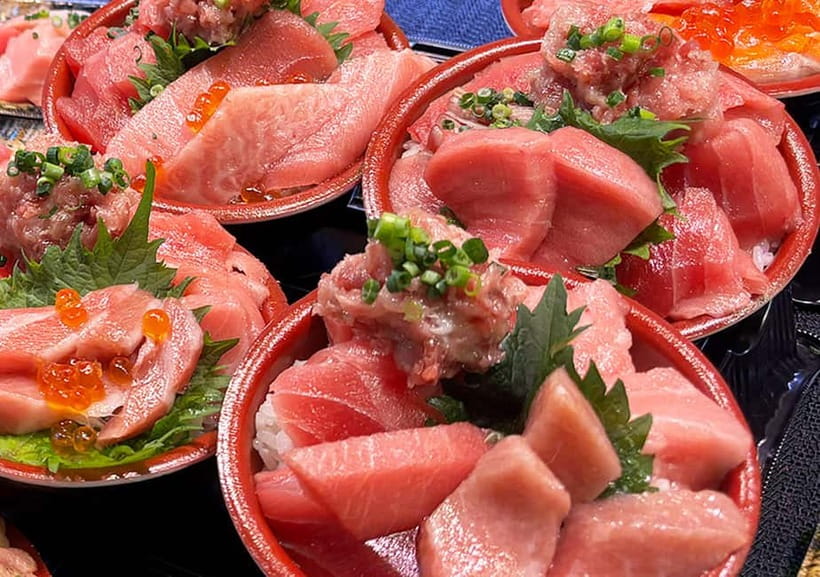
Tsukiji is no longer Tokyo’s main wholesale fish market. That role moved to Toyosu, but the Tsukiji Outer Market remains a major food district, with shops selling seafood, knives, spices, dried goods, sweets, cookware, and ready-to-eat food.
That distinction matters. You are not signing up for a behind-the-scenes auction tour or a working wholesale warehouse visit. You are walking through a public market where food shops and small eateries serve both local shoppers and curious visitors.
The market’s importance comes from its long connection to Tokyo’s kitchens. Here, preservation methods such as drying, pickling, curing, and careful temperature control help develop umami. A good guide connects those techniques to the ingredients in front of you, so the market feels like more than a string of snack stops.
At $22 per person, the tour is priced as an introduction rather than a full meal package. The value comes from having someone explain what you are seeing, help with ordering, and steer you toward good choices. You may spend extra on food as you go, but you do not need to buy every item offered.
Other food tours in Tokyo people book:
- Tokyo: Shinjuku Food Tour (13 Dishes at 4 Local Eateries)
★ 5.0 · 6,603 reviews - Tokyo: Shinjuku Food Tour (15 Dishes and 4 Eateries)
★ 4.9 · 2,033 reviews - Best of Shinjuku: Izakaya Food Tour (4 Stops, 14+ Tastings)
★ 5.0 · 1,863 reviews
Starting at Tsukiji Hongwanji Temple
The meeting point is at Tsukiji Hongwanji Temple, with the exact starting arrangement depending on the option you book. The temple gives the tour a calm opening before you enter the crowded market lanes.
Allow about 20 minutes here. Your guide explains the building, its carvings, interior, and place in the neighborhood. You may also learn the basic purification procedure used before entering a shrine or temple area, as several guides have made this a practical part of the introduction.
The building’s appearance is unusual for Tokyo, and it gives you something to look at beyond food. It also helps explain why Tsukiji developed as more than a commercial district. Religious life, food trading, shipping, cooking, and neighborhood shopping have long been tied together in this part of the city.
I appreciate this beginning because it prevents the food tour from feeling like a simple eating contest. If you arrive early, you can take a quiet look around before meeting the guide. Just remember that this is an active place of worship, so keep your voice low and follow the guide’s instructions.
Entering the Outer Market with a local guide
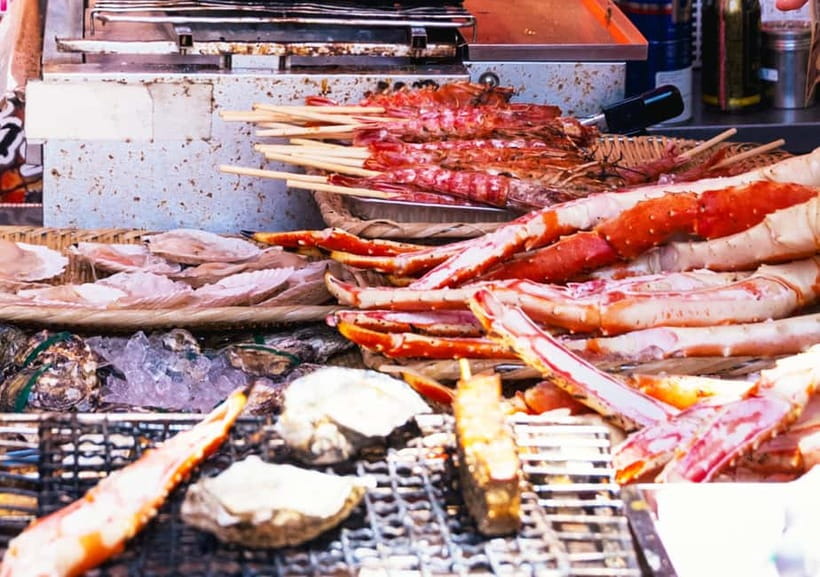
The main market portion lasts about 80 minutes and includes a guided walk, food tastings, and time to look at ingredients. This is where the tour earns its keep.
Tsukiji can be confusing at first. Shops sell similar-looking products, food is displayed in different ways, and some menus may offer items you have never tried. A guide can explain what something is, how it is prepared, and whether it makes sense as a quick snack or a purchase to take away.
The food selection varies, but the tour has included tuna sushi, sashimi, eel, grilled scallops, wagyu beef, skewered octopus, fish cake, omelet, dumplings, and other traditional snacks. You might also find rice crackers, spices, ceramics, dried ingredients, and cooking tools as you walk.
The best part is the chance to try a range of textures and cooking methods. Raw tuna shows off freshness and knife work. Grilled seafood brings out sweetness and smoke. Wagyu offers a rich, tender contrast to the fish. Fish cakes and omelet give you a look at everyday Japanese cooking rather than only expensive seafood.
You are not expected to eat blindly. Guides such as Kawa, Mao, George, and Tomo have been praised for identifying ingredients and explaining how they are cooked. That is useful if you have food allergies, strong dislikes, or simply want to know what you are ordering before taking a bite.
The fresh wasabi tasting
Fresh wasabi is one of the tour’s most distinctive details. The guide’s wasabi set helps show why freshly prepared wasabi differs from the familiar green paste served in many restaurants.
With seafood, the flavor is not just about heat. Fresh wasabi can sharpen the taste of tuna or sashimi and make the fish seem cleaner on the palate. It is a small lesson in how Japanese cooking uses condiments to support an ingredient rather than cover it.
Several people have singled out the wasabi as a favorite part of the experience. The guide may grate it for you or provide it as part of the tasting, depending on the day and available stalls. Since market offerings can change, do not assume every item appears on every departure.
This is also a good example of why a guide helps. Without context, wasabi is just another green mound beside your food. With an explanation, you notice aroma, texture, strength, and how it behaves with fresh fish.
Other walking tours in Tokyo people book:
- Tokyo Tsukiji Fish Market Food and Culture Walking Tour
★ 5.0 · 3,184 reviews - Tokyo: Imperial Palace and Shogun Historical Walking Tour
★ 5.0 · 2,251 reviews - Tokyo: Shinjuku Local Bar and Izakaya Guided Walking Tour
★ 4.9 · 1,794 reviews - Tokyo: Tsukiji Fish Market Food and Walking tour
★ 5.0 · 1,724 reviews
Food stalls, demonstrations, and the cost of eating
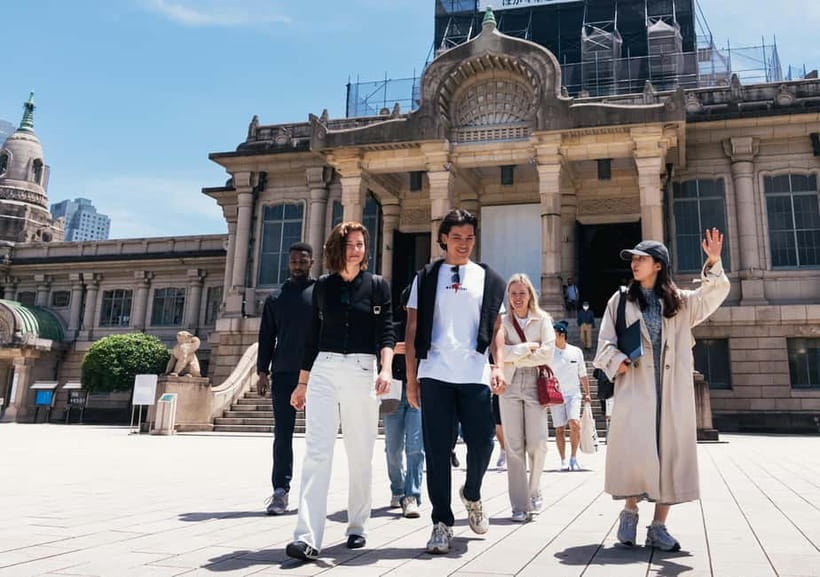
The tour fee covers the guided market experience, but you should bring cash for food purchases. You can usually control your own spending by choosing which extra items to buy, rather than committing to a fixed, expensive tasting menu.
That makes the tour useful for different budgets. You might sample a few small bites, or you might add sushi, wagyu, grilled seafood, and sweets. The guides can point you toward good-value choices and help you avoid buying something simply because it has a long queue.
Some departures have included a fish-cutting demonstration. Watching a whole fish become portions for sushi or sashimi gives you a better sense of the skill involved in Japanese food preparation. It also makes preservation and freshness easier to understand.
The demonstration is not guaranteed in the same form every day. Shop schedules and market activity change, especially when many stalls are closed. If seeing fish preparation is a major reason for booking, choose your date carefully and confirm what is expected to be available.
The food is generally the high point, but pace matters. Eighty minutes sounds generous until you include walking, ordering, eating, questions, and occasional queues. You will have time for several tastings, but this is not a leisurely lunch at one table.
The final 20 minutes and returning on your own
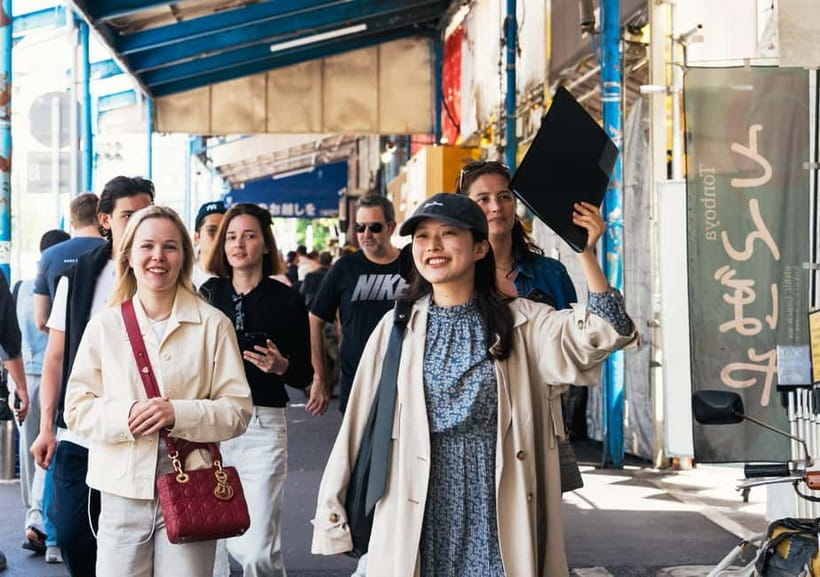
The last part of the tour adds another 20 minutes of guided exploration. This is useful because the market can look different once you know what you are seeing.
Your guide may explain more ingredients, point out shopping areas, or help you decide where to return later. Several guides have also helped with suggestions for ceramics, packaged snacks, and foods to take back to your accommodation.
This final section is where the tour shifts from guided tasting to practical orientation. You learn how to move through the market without needing someone beside you at every stall. The tour returns to the temple area, with drop-off arrangements tied to the option booked.
If you want to continue exploring afterward, keep the guide’s advice in mind and take your time. The market is more enjoyable when you are not trying to see every shop. Choose a few products that interest you, watch how the vendors work, and leave room for another small bite.
The guides make the difference
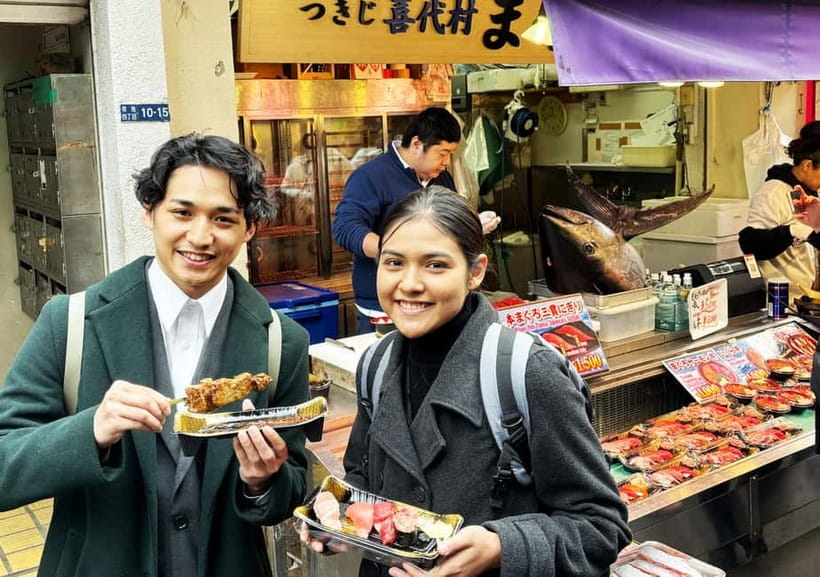
The experience depends heavily on the individual guide. The strongest feedback has focused on guides who explain food clearly, speak good English, answer questions, and adjust the route to personal tastes.
George has been praised for his English, market knowledge, and ability to suggest good food without pushing tourist-priced choices. Kawa has been noted for careful explanations and attention to individual preferences. Mao, Chihiro, Tomo, Daichi, Naoto, Kaana, Ayaka, and others have also led highly praised departures.
Do not expect one fixed personality or identical route every time. That is part of the appeal, but it also means the exact foods and stories may differ. One guide may focus more on market history, another on cooking methods, another on helping you sample unfamiliar items.
Small groups are available, and some departures may feel very intimate. That is helpful in narrow market lanes and makes it easier to ask questions. It also means the experience can be less anonymous than a large bus-style food tour.
Best day, practical comfort, and accessibility
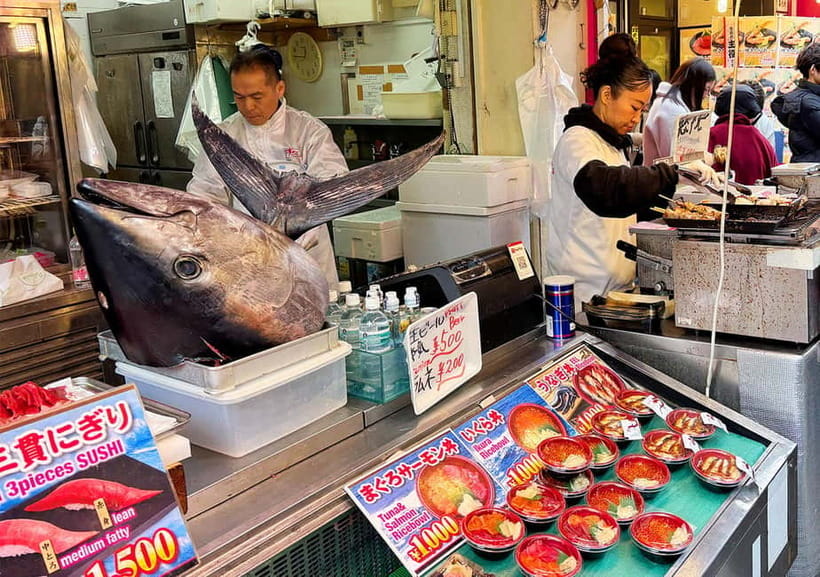
The biggest scheduling warning is simple: avoid Wednesdays, Sundays, and national holidays if you want the fullest market experience. About half of the shops may be closed on those days, and the route may lack some demonstrations or food choices.
The tour lasts two hours, with about 20 minutes at the temple, 80 minutes in the main market section, and another 20 minutes of guided exploration. Starting times vary, so check availability when booking.
Wear shoes you can walk in and bring cash. Market lanes can be crowded, and you may need to pause while other shoppers pass. The activity is listed as wheelchair accessible, but you should still confirm the meeting arrangement and route details for your preferred departure.
Free cancellation is available up to 24 hours before the start for a full refund, and you can reserve now and pay later. Those terms are useful if your Tokyo schedule is still changing.
Who will enjoy this Tsukiji walk
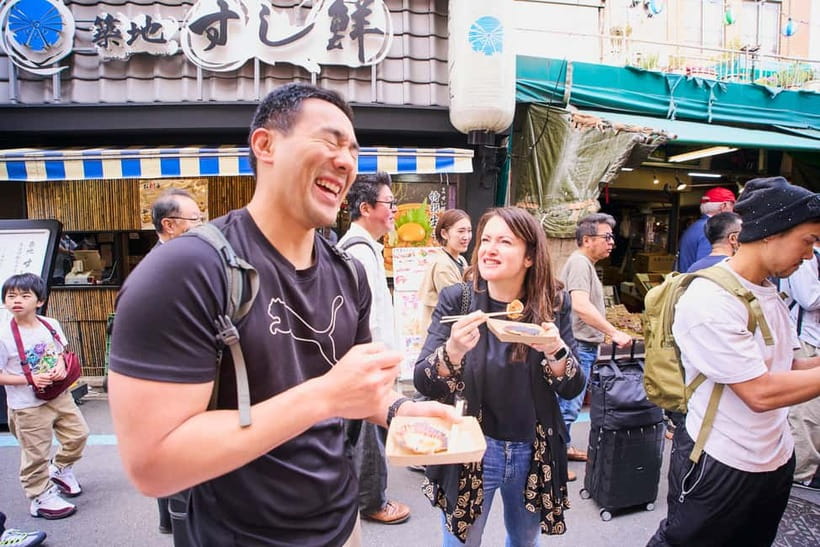
I would choose this tour if you are visiting Tsukiji for the first time, feel unsure about ordering seafood, or want food explained in plain English. It is also a smart early-Tokyo activity because it gives you ideas for later meals and shopping.
Families and mixed groups can benefit from the flexible food choices. One person can try raw fish while another chooses grilled food or wagyu. The guide can help you understand unfamiliar items without making the group stop at every stall.
Food-focused visitors will find plenty to enjoy, especially if they care about knife work, preservation, freshness, and the small details behind Japanese cooking. The temple stop also suits anyone who wants cultural context rather than a meal-only outing.
You may not need the tour if you have already spent time in Tsukiji, are comfortable ordering on your own, or prefer to browse without a schedule. One person noted that the market can be explored independently with research. That is fair. The tour’s purpose is not access to a secret market. It is guidance, translation, selection, and context.
Should you book it?
Book this Tsukiji tour if you want an easy, affordable introduction to Tokyo food culture, with a guide who can help you choose, taste, and understand what is in front of you. The $22 price is good value for two hours of orientation, especially when you consider the temple visit, market walk, food education, and practical advice.
Choose your date with care, bring cash, and expect to pay extra for the bites you select. If you can avoid a Wednesday, Sunday, or national holiday, do so. For first-time visitors who want fresh seafood, wagyu, wasabi, and a clearer sense of how Japanese ingredients are used, this is a strong choice.
FAQ
How long does the Tsukiji Fish Market tour last?
The tour lasts two hours.
What places does the tour visit?
The route includes Tsukiji Hongwanji Temple and the Tsukiji Outer Market.
Is food included in the tour?
The experience includes food tastings, but you should bring cash for food purchases at market stalls and shops.
What food might I try?
Possible foods include tuna, sushi, sashimi, eel, grilled scallops, wagyu, skewered octopus, fish cake, omelet, dumplings, and other traditional Japanese snacks.
Is fresh wasabi included?
The tour highlights a special wasabi set provided by the guide. Freshly grated wasabi may be available as part of the tasting.
Is the tour conducted in English?
Yes. The tour has a live English-speaking guide.
Is the tour wheelchair accessible?
Yes, the activity is listed as wheelchair accessible.
What happens if I visit on a Wednesday, Sunday, or national holiday?
About half of the Tsukiji Outer Market shops may be closed. The tour can still operate, but the available food, shops, and demonstrations may differ.
Where does the tour start and finish?
The starting and drop-off arrangements may vary by booking option. The listed location is Tsukiji Hongwanji Temple, at approximately 35.66661467955698, 139.77199430835137.
Can I cancel the booking?
You can cancel up to 24 hours in advance for a full refund. Reserve now and pay later is also available.
More food tours elsewhere in Japan
- Tokyo Night Foodie Tour in Shinjuku – Seasonal Sushi, Wagyu Beef
★ 5.0 · 1,161 reviews - Eat and Drink Like a Local: Tokyo Ueno Food Tour-Taverns&Ramen
★ 5.0 · 957 reviews - Tokyo: Shibuya Food Tour (13 dishes and 4 Eateries)
★ 5.0 · 770 reviews - Tsukiji Fish Market: Street Food & Culture Walking Tour
★ 5.0 · 669 reviews
More fish market tours in Tokyo
- Tokyo: Tsukiji Fish Market Guided Walking Tour
★ 4.9 · 1,397 reviews - Tokyo Sushi Making Class in Tsukiji with Professional Chef
★ 5.0 · 1,177 reviews - Tsukiji Fish Market Guided Tour and Sushi Making with Pro Chef
★ 5.0 · 775 reviews - Tokyo: Tsukiji Fish Market Food and Culture Walking Tour
★ 4.7 · 757 reviews
Just added in Tokyo
- Small-Group Wagyu Beef and 7 Japanese Dishes Tokyo Cooking Class★ 5.0 · 190 reviews
- Nikko: Edo Wonderland Edomura Cultural Theme Park Ticket★ 4.3 · 205 reviews
- 《MEMBERS-ONLY-BAR-HOPPING》Discover Your Special Whiskey in Tokyo!★ 5.0 · 29 reviews
- Japanese Whisky Hunting《HIGH-QUALITY-ONLY》Rare Tasting Class★ 5.0 · 20 reviews
- Luxury Tokyo Sake, Cocktail, Whisky and Pairing Tour★ 5.0 · 18 reviews
- Wagyu & Sake Pairing in Shinjuku – Steak, Shabu-Shabu & More★ 5.0 · 112 reviews
- From Tokyo: Private Tour to Fuji/Hakone – Onsen, Art, Nature★ 5.0 · 116 reviews
- Tokyo: KABUKI Show at Kabukiza Theatre Admission Ticket★ 4.8 · 152 reviews
Tsukiji & Toyosu Fish Market Tours, compared.
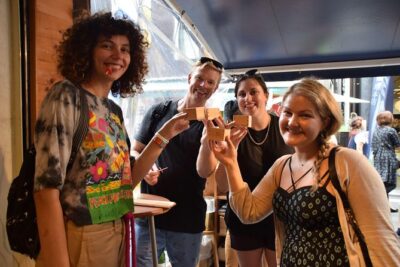
Tokyo Tsukiji Fish Market Food and Culture Walking Tour
Read our review →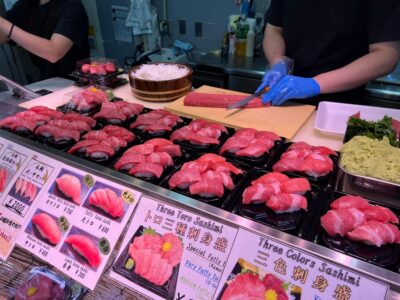
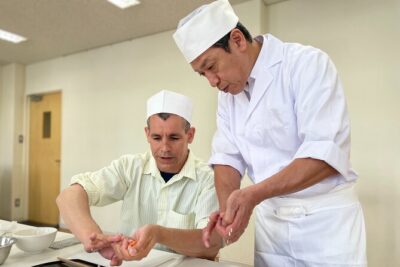
Tokyo Sushi Making Class in Tsukiji with Professional Chef
Read our review →
Tsukiji Fish Market Guided Tour and Sushi Making with Pro Chef
Read our review →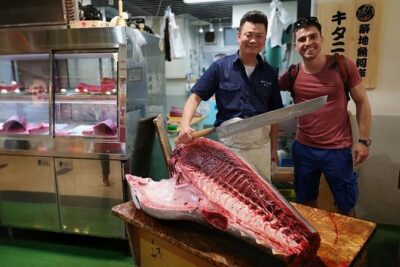
Tsukiji Fish Market Small-Group Food Walking Tour
Read our review →
Tsukiji Fish Market Sushi Making Class with Pro Chef
Read our review →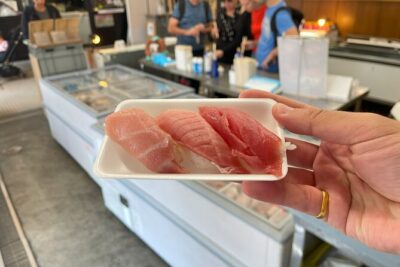
Tokyo Food Tour Taste Fresh Delights at Tsukiji Market
Read our review →
Tokyo Tsukiji Fish Market Tour and Sushi Making Lesson
Read our review →Browse the lists this tour appears in