
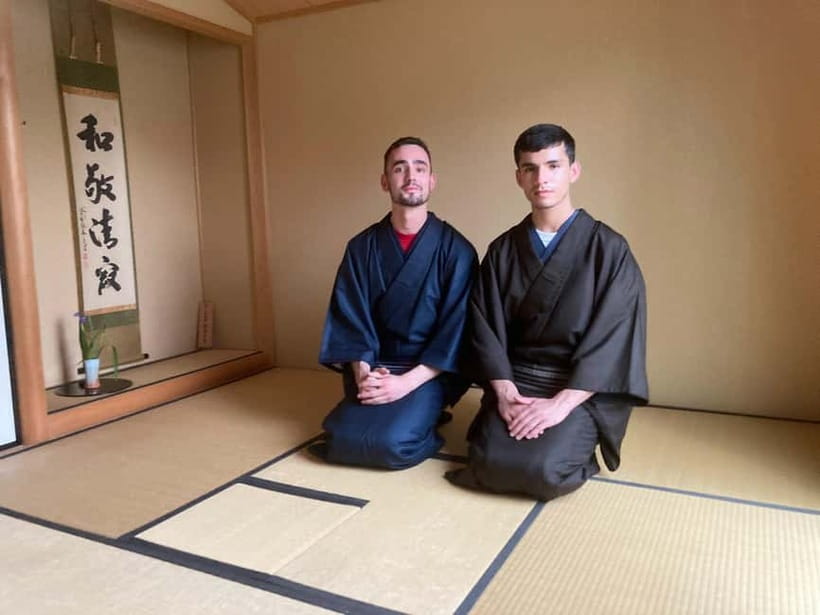
Reviewed · TEA CEREMONY EXPERIENCES
Tokyo: Tea Ceremony Experience in a small tea room
Tokyo’s tea ceremony is less about drinking a cup of matcha than learning how purity, harmony, hospitality, and mindfulness shape Japanese culture. In this small-room session near Nishi-Nippori, Mari guides you through the ritual in English, then lets you prepare your own tea if you wish.
I like the six-person limit, which gives you room to ask questions and practice the small movements without feeling rushed. I also like the location: a quiet residential setting near the Kamogawa Delta, Yanaka, and Nezu Shrine, far removed from Tokyo’s major shopping streets.
The main caution is access. The room is in a residential area and can be tricky for a taxi to find. It is also reached by two narrow flights of stairs, so ask for exact access details before booking if stairs are a concern.
Key points about this Tokyo tea ceremony
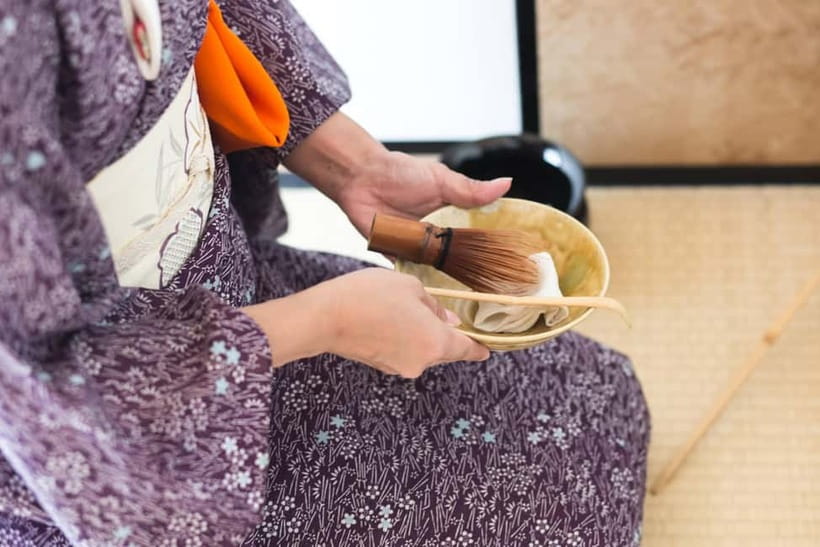
- A one-hour lesson with Mari: Learn directly from an English-speaking teacher with more than 20 years of tea ceremony experience.
- A small group of up to six: The size leaves time for questions, demonstrations, and hands-on matcha preparation.
- A quiet Nishi-Nippori setting: The tea room is about a seven-minute walk from the station and close to Yanaka, Nezu Shrine, and the Kamogawa Delta.
- You can make your own matcha: Mari guides you through whisking and the precise gestures of tea preparation.
- Traditional sweets are included: Matcha is served with dried Japanese sweets as part of the ceremony.
- Kimono dressing is optional: You can request it for an additional charge, but it is not included in the $51 price.
Why this small-room ceremony works
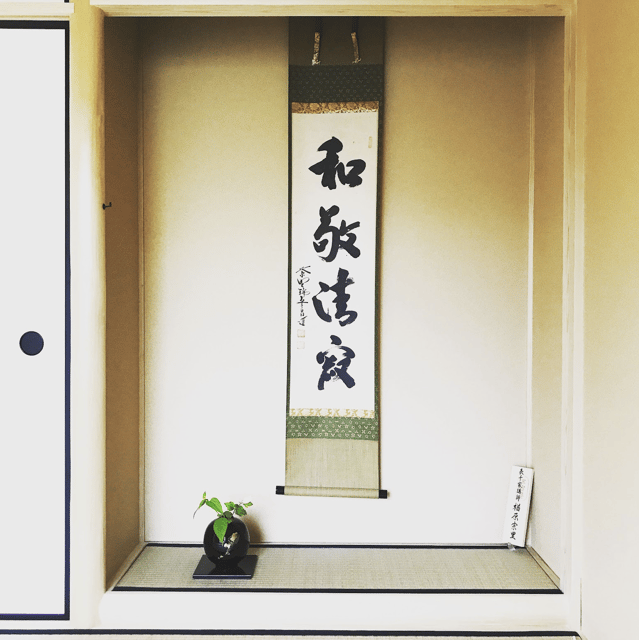
Many visitors first meet Japanese tea ceremony through a formal demonstration. That can be beautiful, but it can also feel stiff if you do not know where to look, when to bow, or how to hold the bowl.
This session takes a friendlier route. Mari explains what is happening as she performs the ceremony, then gives you the chance to try the process yourself. You are not expected to arrive with any knowledge of tea etiquette. The goal is to help you understand the purpose behind the movements, not to test you on them.
That makes the experience a good fit for first-time visitors. It also suits anyone who has seen matcha prepared in Japan but wants a clearer explanation of the ritual.
The tea ceremony is built around ideas that are easy to miss if you only watch from a distance. Purity appears in the careful handling of utensils. Hospitality is shown through the host’s preparation and attention to the guest. Harmony comes through the order of the movements and the quiet relationship between host and participant.
You will not learn every element of Japanese tea culture in one hour. You will, however, gain a useful framework for understanding why the ceremony is deliberate and why small gestures matter.
Other tea rooms and ceremonies in Tokyo:
- Matcha Making Class in Tokyo with Authentic Japanese Sweets Set
★ 5.0 · 744 reviews - Tokyo: Traditional Tea Ceremony with a Tea Master
★ 5.0 · 528 reviews - Tokyo: Matcha Making Experience with Mochi Sweets in Asakusa
★ 4.9 · 388 reviews
Meeting Mari at Senraku-an
You meet at Senraku-an 10 minutes before the scheduled start. The tea room is around a seven-minute walk from Nishi-Nippori Station, though the residential setting means you should allow enough time to follow the directions carefully.
This is not a large public venue with a prominent storefront. That helps create the calm atmosphere, but it also means the final approach may require more attention. One participant found that a taxi had trouble locating the address, so walking from Nishi-Nippori is likely the simpler choice if you are comfortable using the station area.
The room is close to Yanaka and Nezu Shrine, two of Tokyo’s more pleasant old-neighborhood areas. You can pair the ceremony with a walk through Yanaka, or visit the shrine before or afterward. The Kamogawa Delta is also nearby, offering a quiet riverside setting that gives this part of Tokyo a slower feel than the city center.
The address is in a residential area, and the room is reached by two narrow flights of stairs. That detail matters for older visitors, anyone with limited mobility, or parents carrying small children. Contact the provider in advance if you need a ground-floor setting or more information about the stairs.
The first taste of matcha and sweets
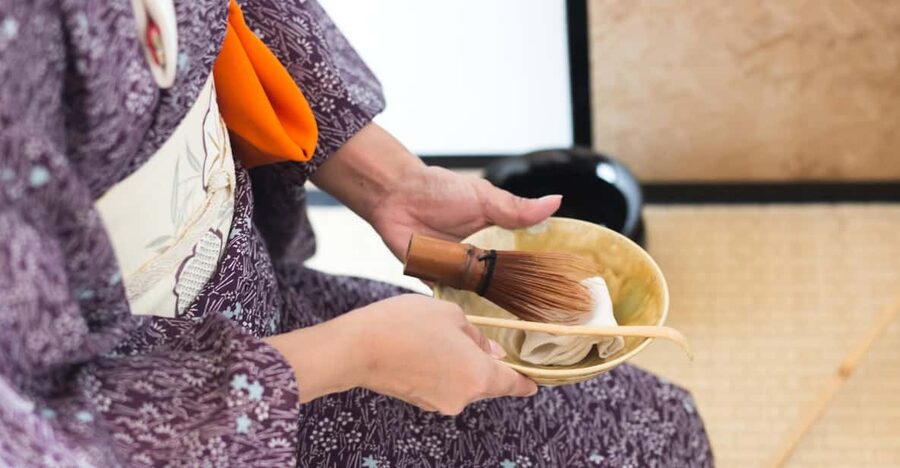
The session includes matcha and traditional dried sweets. The sweets are not simply a snack before the tea. In the ceremony, their sweetness balances the sharp, grassy flavor of matcha and prepares your palate for the drink.
Mari introduces the tea and explains the basic etiquette before the preparation begins. You learn how the host handles the tools and how each action fits into the larger ritual. The pace is calm, giving you time to follow the explanation rather than trying to copy a rapid performance.
The powdered green tea has a stronger and more distinctive taste than the sweetened matcha drinks served in many cafés. If this is your first cup, the dried sweet helps make the flavor easier to appreciate.
You should also expect the ceremony to include quiet pauses. They are part of the experience, not empty time. The pauses allow you to notice the bowl, the movements, and the care given to serving something as simple as tea.
Preparing your own matcha
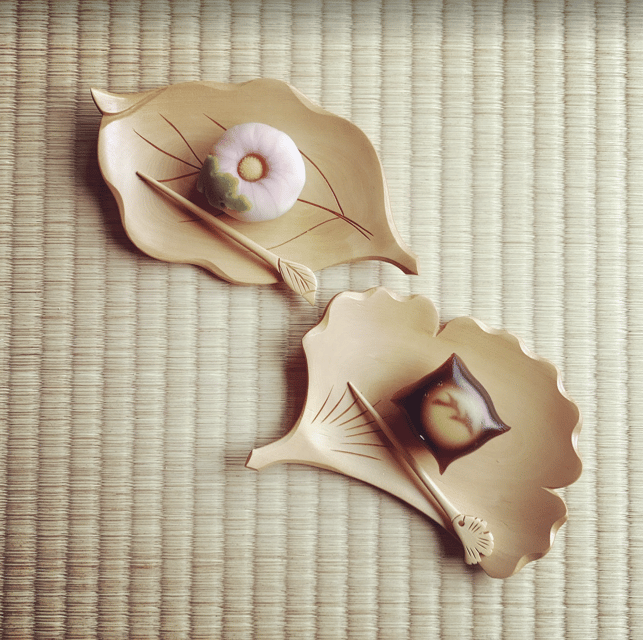
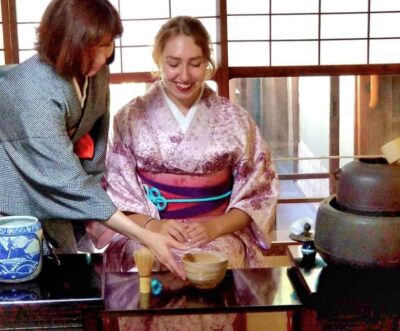
The hands-on portion is the strongest reason to choose this activity over a standard cultural demonstration. Under Mari’s direction, you whisk your own powdered tea and practice the movements used to prepare matcha.
The process looks simple until you try to repeat it. The whisk must move with a controlled rhythm, and the host’s gestures are precise without looking hurried. Mari’s teaching style is patient, which is useful when you need to repeat a step or ask why something is done in a particular way.
One especially helpful part of the lesson is the folding of the tea towel. It is a small detail, but it shows how much order and care goes into the ceremony. You may need to practice it more than once, and Mari is willing to go over the movement again so you can understand it properly.
You can take part in the preparation or simply watch. That choice makes the activity comfortable for mixed groups, including families where one person wants to participate and another prefers to observe.
Same base, a different sort of day:
- Mt Fuji and Hakone 1-Day Bus Tour Return by Bullet Train
★ 5.0 · 26,383 reviews - 1-Day Tokyo Bus Tour
★ 5.0 · 14,250 reviews - Tokyo: TOKYO SKYTREE® Admission ticket
★ 4.5 · 11,192 reviews - Tokyo: teamLab Planets TOKYO Digital Art Museum Entry Ticket
★ 4.6 · 9,779 reviews
What makes the setting different from a large cultural show
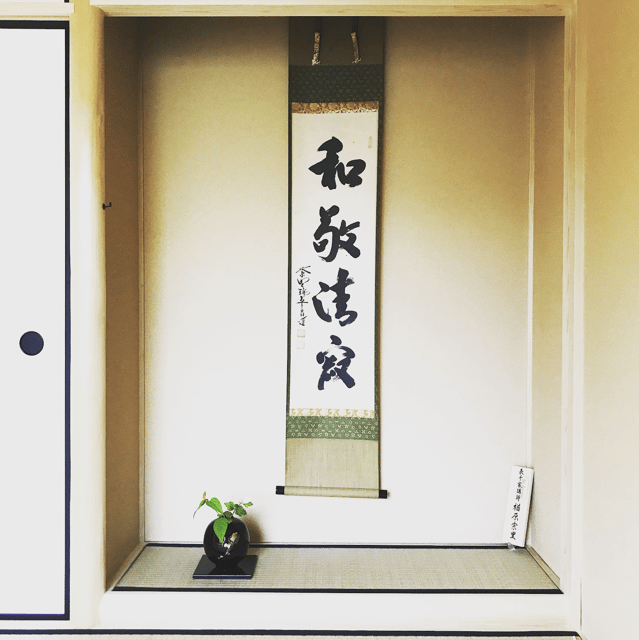
A large tea ceremony performance can offer polished presentation, but a small room gives you more direct contact with the teacher. Here, the group is limited to six participants, and the session takes place in a personal residential setting.
That setting adds warmth. You are not watching from rows of seats or moving through a busy attraction. You are close enough to see the tea tools and ask about details that might otherwise pass unnoticed.
The trade-off is that the room may feel less convenient than a dedicated tourist venue. The approach is not as obvious, taxis may have difficulty with the address, and the stairs are narrow. You are choosing personal attention over easy access.
For me, that is a reasonable exchange if you value a quieter cultural activity. If you need step-free access or prefer a large, clearly marked venue, this may not be the right choice.
How the hour is likely to unfold
The exact order can vary, but the one-hour session follows a clear pattern:
- You arrive at Senraku-an 10 minutes early and meet Mari.
- Mari introduces the tea ceremony and explains the ideas behind the main gestures.
- You receive matcha and traditional dried sweets.
- Mari demonstrates the preparation of the tea.
- You whisk your own matcha with her guidance if you choose to participate.
- You ask questions and practice details such as folding the tea towel.
- The session ends after the tea preparation and explanation.
The hour goes quickly. You are not attending a long lecture, and the activity does not try to cover every school or historical period of tea ceremony. Instead, it gives you a focused introduction with enough participation to make the ritual memorable.
The short duration also makes it easy to fit into a Tokyo itinerary. You can schedule it between visits to Yanaka and Nezu Shrine without giving up most of your day.
The value of $51 per person
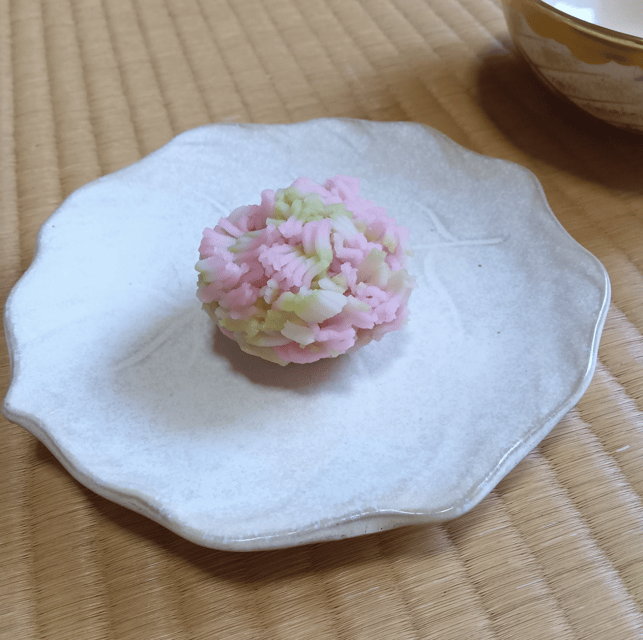
At $51 per person, this is not the cheapest cup of matcha you can buy in Tokyo. You are paying for more than the drink. The price includes a private-feeling setting, instruction from a teacher with more than 20 years of experience, traditional sweets, English explanations, and the chance to prepare the tea yourself.
The six-person limit improves the value. A larger group would make the hands-on part less useful, since you would have less time to practice and ask questions. Here, the small size supports the personal teaching that gives the activity its purpose.
The price also compares well with the time involved. You receive a complete one-hour cultural lesson without committing to a half-day tour. If your schedule is tight, this is a manageable way to add a traditional Japanese activity.
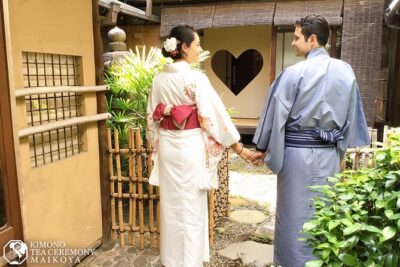
Kimono dressing costs extra. It can add a visual element for families and couples, but you should ask about the price before agreeing. One family found the dressing service worthwhile at a reasonable additional cost, while another participant felt the kimono charge was high. Treat it as an optional add-on, not part of the basic value.
Who should book this experience
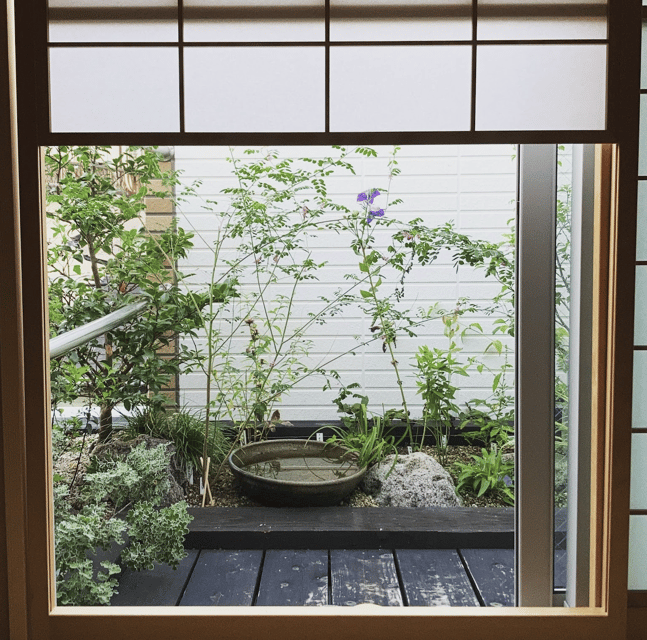
I would recommend this tea ceremony to first-time visitors who want more than a quick matcha tasting. It is also a good choice for couples, families, and solo visitors who enjoy asking questions and trying a cultural activity with their hands.
Families should know that the ceremony is quiet and structured. Children who can sit calmly and follow simple instructions may enjoy making the tea, while very young children may find the slow pace difficult.
It suits visitors who are interested in Japanese customs but feel unsure about formal etiquette. You do not need prior experience, and Mari’s English instruction makes the session accessible to international visitors.
The experience may be less suitable if you have trouble with stairs, need a highly visible meeting point, or want a large-scale theatrical presentation. It is also not the right pick if your main goal is a long lesson covering the full history of tea ceremony.
Pairing the ceremony with Yanaka and Nezu Shrine
The nearby area is one of the best reasons to schedule this activity away from central Tokyo. After the ceremony, you can explore Yanaka, known for its older streets and traditional atmosphere, or visit Nezu Shrine.
You can also spend time near the Kamogawa Delta, where the riverside setting provides a quiet break from Tokyo’s dense central districts. The tea ceremony feels more meaningful when paired with this slower neighborhood setting. Instead of rushing from one major attraction to another, you get an hour devoted to attention and another part of the day for a relaxed local walk.
Plan your route before arriving. The tea room is not presented as a sightseeing stop with a broad public entrance, so it is wise to have the meeting directions ready on your phone and avoid leaving the navigation until the last minute.
Practical details before you book
The activity lasts one hour and is conducted in English. It is offered as a small group with no more than six participants.
Transportation is not included. You are responsible for reaching Senraku-an, and you should arrive 10 minutes before the session begins. The meeting point is near Nishi-Nippori Station, about a seven-minute walk away.
Matcha, dried sweets, and the lesson are included. Kimono dressing is not included, but you can request it separately.
The activity allows free cancellation up to 24 hours before the scheduled start for a full refund. You can also reserve now and pay later, which helps if your Tokyo plans are still changing.
Should you book this Tokyo tea ceremony?
Book it if you want a quiet, personal introduction to matcha rather than a quick photo opportunity. Mari’s patient teaching, the small group, and the chance to prepare your own tea give the hour real substance.
I would especially choose it for a first visit to Tokyo, a family seeking a manageable cultural activity, or anyone already planning time in Yanaka and around Nezu Shrine. The $51 price is fair for direct instruction and a small-group setting.
Think carefully if stairs, taxi access, or optional kimono costs may create problems. If those points work for you, this is a thoughtful way to slow down, learn a little, and see a more personal side of Tokyo.
FAQ
How long does the tea ceremony last?
The experience lasts one hour.
Where does the tea ceremony meet?
You meet at Senraku-an 10 minutes before the scheduled start.
How far is the location from Nishi-Nippori Station?
The tea room is about a seven-minute walk from Nishi-Nippori Station.
Is the activity offered in English?
Yes. The instructor speaks English, and the lesson is conducted in English.
How many people can join the session?
The activity is limited to six participants.
Is matcha included in the price?
Yes. Matcha and traditional dried sweets are included.
Can I prepare my own tea?
Yes. You can make your own matcha with guidance from the tea ceremony teacher if you wish.
Is kimono dressing included?
No. Kimono dressing is not included in the $51 price, but you can request it for an additional charge.
Just added in Tokyo
- The 10 Tastings of Tokyo With Locals: Private Street Food Tour★ 5.0 · 48 reviews
- Small Town in the Big City: Tasting Tokyo’s Kichijoji★ 5.0 · 195 reviews
- Small Town in the Big City: Tasting Tokyo’s Kichijoji★ 5.0 · 16 reviews
- EXCLUSIVE Tokyo Secret: Kichijoji Small-Group Food & Bar Hopping★ 5.0 · 29 reviews
- Explore Kichijoji: Walk Through One of Tokyo’s Beloved Districts★ 5.0 · 21 reviews
- :Tokyo,Shibuya/ Pro Photography in Kimono / English-Friendly★ 5.0 · 26 reviews
- 【R34】Tokyo:Private Daikoku tour in Modified R34★ 4.9 · 92 reviews
- Tokyo:Calligraphy &Make your original folding fan in Asakusa★ 5.0 · 62 reviews
Tea Ceremony Experiences, compared.
Tea Ceremony in a Traditional Tea House in Kiyomizu
Read our review →
World Heritage Kyoto & Nara Uji Authentic Matcha Experience
Read our review →
Arashiyama Bamboo Forest, Monkeys, Matcha & Temple Tour
Read our review →Browse the lists this tour appears in