
Reviewed · ARASHIYAMA & BAMBOO GROVE TOURS
Buddha, Bamboo & Zen – Bespoke Kamakura Private Walking Tours
Kamakura gives you a welcome change from Tokyo’s bright signs and packed streets. This private day walk links the Great Buddha, bamboo gardens, samurai-era sites, and Japan’s most important Shinto shrine in one easy-to-adjust outing. I especially like the freedom to slow down for green tea or lunch, and the guide Brad’s friendly help with practical details such as Suica cards and cash. The tour is also designed to stop before you feel templed out.
The main drawback is that the advertised six hours can include about two hours of walking, trains, buses, rest, and food breaks. Admission fees, public transport, and lunch are extra, and some travelers may prefer a more tightly timed tour with less flexibility.
Key points to know before booking
- A private day with Brad: Only your group of up to six people takes part, with an Australian native English-speaking guide who adjusts the day to your interests.
- Five contrasting Kamakura stops: See the Great Buddha, Hasedera, Hokoku-ji’s 2,000 bamboo plants, Komachi Street, and Tsurugaoka Hachimangu.
- Flexible pacing: You can add a short historic hike, shopping, lunch, or breaks, or finish once you feel satisfied.
- Expect extra costs: The tour price is $355.80 per group, while temple tickets, transport, food, and drinks are paid separately.
- Bring cash: About ¥2,000 per person is recommended for admissions and transport, with more for lunch and matcha.
- Best for small groups: Families and friends who want conversation, context, and a relaxed day will get the most from this format.
Why Kamakura makes a fine break from Tokyo
Kamakura is close enough to reach for a day, yet it feels like a different Japan. The town carries Buddhist temples, Shinto traditions, old warrior stories, wooded paths, and a coastal-town calm. You are not simply ticking off one famous statue. You are moving through several layers of Kamakura life.
I like this tour because it does not treat the town as a race between monuments. The guide has room to explain Zen, samurai history, Shinto customs, and the purpose of the sites without forcing every stop into a rigid timetable. If your group has had its fill of temple roofs by midafternoon, you can spend more time on Komachi Street or call it a day.
The experience is private for your group of up to six. That matters. You can ask questions without holding up a large coach party, and the guide can change the balance between sightseeing, food, shopping, and rest. One family even used the day to explore a side of Japan beyond Tokyo’s flashing lights and crowds.
Brad is the guide named for this experience. He is an Australian native English speaker and can help make the day easier from the start. His practical assistance has included explaining how to get a Suica card and where to find extra cash. That kind of help is useful when you are still finding your feet in Japan.
Other mornings on the western edge of Kamakura:
- Kamakura Bamboo Forest and Great Buddha Private Tour
★ 5.0 · 12 reviews - Kyoto: Fushimi Inari, Kinkakuji, Bamboo Grove 1 Day Bus Tour
★ 4.8 · 4,316 reviews - Osaka/Kyoto:Kinkakuji,Arashiyama,FushimiInariShrine,NaraPark
★ 4.1 · 1,596 reviews
Starting at the Great Buddha of Kamakura
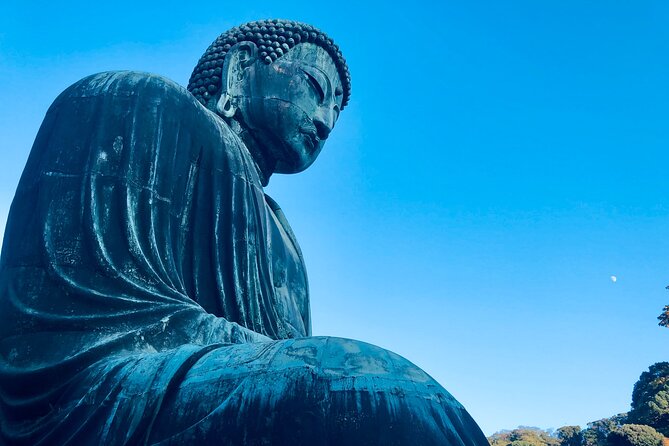
The usual first stop is Kotoku-in, home to the Great Buddha of Kamakura. This bronze statue measures 13.35 meters and is one of the town’s defining sights. The statue was first made in wood before being cast in bronze, a detail that gives you a sense of the skill and resources behind this famous figure.
You have about an hour here. That is enough time to take in the statue, hear about its place in Kamakura’s Buddhist tradition, and look around the temple grounds without turning the visit into a quick photograph. Admission is not included. The listed fee is ¥300 per person.
The Great Buddha is a strong opening stop because it gives you an immediate visual anchor. It is large, calm, and easy to understand even if you are new to Buddhist art. I would listen closely to Brad here, since the value of a familiar sight comes from learning how it fits into Kamakura rather than simply seeing its bronze surface.
Kotoku-in can be popular, so your experience may feel less quiet than the later temple gardens. That is not a reason to skip it. It is simply worth knowing that the statue is a major draw, while the quieter character of the day arrives at other stops.
Hasedera and the Eleven-headed Kannon
Hasedera adds a different mood. The temple is known for its 9.18-meter wooden statue of the Eleven-headed Kannon, said to have been carved in 721. The figure is the main reason to visit, but the gardens give you another reason to linger.
You have roughly 45 minutes here. The grounds contain flowers throughout the year, with the hydrangea path being a particular seasonal attraction. Since the tour does not promise a specific bloom season, I would treat the gardens as a pleasant bonus rather than plan the entire day around one flower display.
Hasedera is also a good place to notice how Japanese temples combine religious spaces with carefully arranged gardens. Brad can help you read the setting instead of reducing it to a list of statues and plants. The visit is shorter than the Great Buddha stop, which helps keep the day from becoming too heavy on temple interiors and religious detail.
Admission is ¥400 per person and is paid separately. If you are traveling with children or anyone who tires quickly, the 45-minute visit offers a useful middle ground. You get an important Kamakura sight without giving it the same amount of time as the larger stops.
The bamboo grove at Hokoku-ji
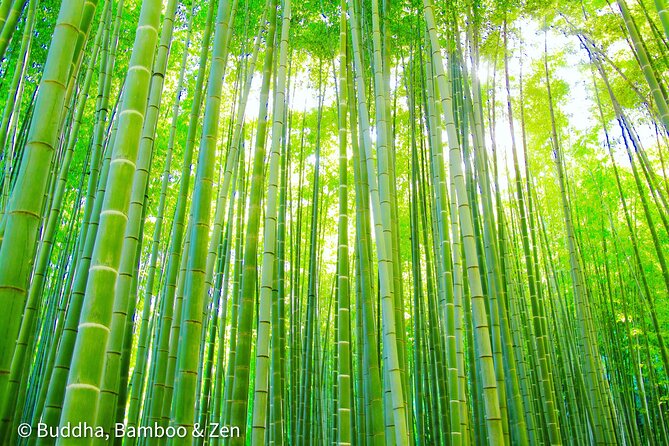
Hokoku-ji is the most atmospheric stop on the route. This Rinzai Zen temple, founded in 1334, is known as the Bamboo Temple because of its grove of about 2,000 moso bamboo plants. The tall bamboo changes the feel of the day. After the open space around the Great Buddha and the flowers at Hasedera, you enter a more enclosed green setting.
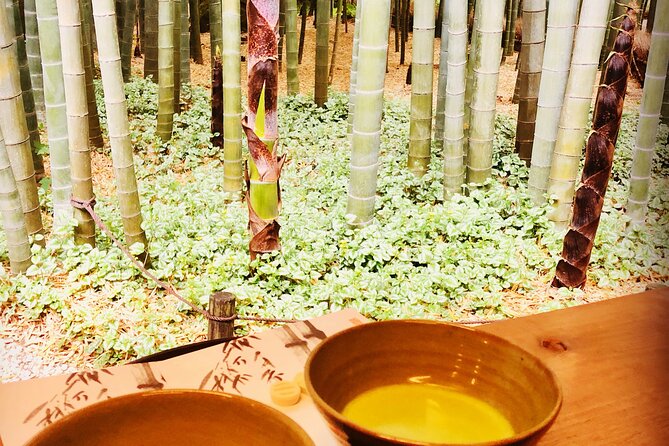
The visit lasts about an hour. You can walk through the grove and enjoy matcha green tea, though the tea is not included in the tour price. The temple admission is listed as ¥600 per person, and you should carry cash for that fee and your drink.
I like the way this stop connects the physical setting with Zen. The grove is not just a photo stop. Its narrow paths, filtered light, and restrained design create a quieter pause in the day. Brad can explain the temple’s Rinzai Zen background and help you appreciate the understated style without turning the visit into a lecture.
There is one practical point to keep in mind. The bamboo grove is smaller than some famous bamboo sites in Japan, so do not expect an all-day attraction. Its appeal comes from the calm and the tea, not from size alone. The flexible format helps because you can leave once you have enjoyed the setting rather than wait for a fixed group departure.
Other quiet hours in Kamakura:
- Tokyo: Zen Meditation at a Private Temple with a Monk
★ 5.0 · 510 reviews - Kyoto Zen Meditation & Garden Tour at a Zen Temple with Lunch
★ 5.0 · 441 reviews - Kyoto: Zen Experience in a Hidden Temple
★ 5.0 · 437 reviews - Kyoto: Tea Ceremony Meditation – Make Matcha with Tea Master
★ 4.8 · 406 reviews
Komachi Street for food and local atmosphere
Komachi Street shifts the day from sacred sites to everyday Kamakura. This pedestrian shopping street runs through the center of town, with small side lanes, shops, and a wide range of places to eat. You have about an hour to explore.
Lunch is not included, and neither are snacks or drinks. That is a drawback if you want one clear all-in price, but it gives your group control over the meal. You can ask Brad to help fit lunch into the day, and past tours have included a delicious meal and time for shopping.
I would use Komachi Street as a reset rather than rush through it. After several temples, you may want a proper meal, a sweet snack, or time to browse. The hour may pass quickly if you stop often, so tell Brad early if food is a priority.
The street can also be more crowded and commercial than the temple grounds. That contrast is useful. Kamakura is not a museum set aside for sightseeing. It is a living town where religious landmarks, local shopping, and daily routines sit close together.
Tsurugaoka Hachimangu and Kamakura’s warrior past
The final listed stop is Tsurugaoka Hachimangu, the most important Shinto shrine in Kamakura. It was established in 1063 and is dedicated to Hachiman, the tutelary deity of warriors. The shrine gives the day a strong historical finish because it connects Kamakura with the samurai world that shaped the town.
You have about an hour here, and admission is free. The approach to the shrine is part of the experience, so do not judge the stop only by the main buildings. Brad can explain the difference between this Shinto site and the Buddhist temples visited earlier, helping you understand how both traditions appear side by side in Japan.
I find this contrast especially valuable for first-time visitors. The Great Buddha and Hokoku-ji show different sides of Buddhism, while Tsurugaoka Hachimangu brings in Shinto and warrior culture. Taken together, the stops make more sense than five unrelated photo opportunities.
The shrine is also a sensible place to slow down and ask questions. If your group has a strong interest in samurai history, the day can include more context around old routes and historic passes. One past itinerary included a short hike through an historic pass, though that should be treated as a possible custom addition rather than a guaranteed stop.
How the flexible schedule really works
The tour is described as about six hours, but the guide has allocated roughly two hours for access between attractions on foot, by train, and by bus, along with rest and food breaks. That detail matters. You are not receiving six full hours inside five attractions.
The flexibility is the point. You can share your preferred itinerary in advance, or let Brad choose favorite spots. The day can include a short hike, shopping, lunch, extra breaks, or an early finish. A group that wants to see every major sight should set that expectation early. A group that values a relaxed pace will benefit more naturally from the format.
This is not the best choice if you want a fast, fixed schedule with every minute planned. It is better for people who want to talk, pause, and adjust. The guide can also respond to energy levels, jet lag, and changing interests. One group reportedly kept going for about seven hours despite arriving tired from a long trip, but you should not assume you need to extend your day.
The meeting point is Kamakura Station East Exit, at 1 Chome-1 Komachi. The tour ends back at the same meeting point. Public transport costs ¥840 per person, and the operator recommends bringing about ¥2,000 per person for temple admissions and transport. Bring extra cash for lunch, matcha, and snacks.
What the $355.80 group price delivers
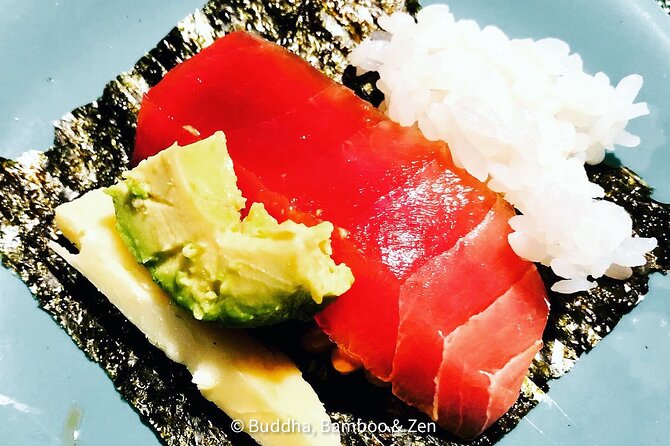
At $355.80 per group for up to six people, the value depends on your group size. Six people bring the guiding cost to about $59 per person before admissions and transport. A couple pays much more per person, but still receives a private guide and a day shaped around their own interests.
The price covers guiding services only. You will pay separately for:
- Kotoku-in: ¥300 per person
- Hokoku-ji: ¥600 per person
- Hasedera: ¥400 per person
- Public transportation: ¥840 per person
- Lunch, matcha, drinks, and snacks
The listed temple admissions total ¥1,300 per person. Add the stated ¥840 transport cost, and you are at ¥2,140 per person before food, slightly above the suggested ¥2,000 cash amount. I would carry at least that much for each person, plus a separate food budget.
The price makes the most sense for families or friends who would otherwise book several separate guided visits. You are also paying for local planning, a private pace, and help with the small challenges of moving between sights. If you only want the Great Buddha and bamboo grove, public transport and a self-guided day may cost less.
Who will enjoy this private Kamakura walk
I would recommend it most strongly to families, small friend groups, and first-time visitors who want the day explained in clear English. It also suits people who like to ask questions, stop for lunch, and avoid being hurried from one gate to the next.
The tour is a good fit if your group has mixed interests. One person can enjoy Zen gardens, another can focus on samurai stories, and someone else can take time for shopping on Komachi Street. The private format gives Brad room to balance those needs.
It may be less suitable if you dislike walking, want every admission included, or prefer a large organized group with a fixed departure time. The tour involves walking, trains, buses, and breaks across a full day. Most people can participate, and service animals are allowed, but you should still consider your group’s stamina.
The experience is listed for Wednesday from 8:00 AM to 5:00 PM during the stated operating period. Confirmation is provided when you book, and the activity requires good weather. Cancellation is free up to 24 hours before the start time. If poor weather cancels the tour, you are offered another date or a full refund.
Should you book Buddha, Bamboo & Zen?
Book this tour if you want Kamakura to feel like a place rather than a checklist. The strongest reasons are Brad’s personal, flexible guiding, the mix of Buddhist and Shinto sites, and the chance to add food, shopping, a short hike, or extra rest to your day.
Skip it if you want an all-inclusive price or a strict sightseeing timetable. You will need to budget for admissions, transport, and food, and part of the six hours is spent getting between places.
For a family or group of friends, the private rate is easier to justify, especially if you value practical help and a relaxed pace. Bring cash, tell Brad what matters most, and leave room for the day to change. That is where this Kamakura experience has its best value.
FAQ
How long does the Buddha, Bamboo & Zen tour last?
The tour lasts approximately six hours. About two hours are allocated for travel between attractions on foot, by train, and by bus, as well as rest and food breaks.
How many people can join the private tour?
The tour is private for your group, with up to six people included in the group price.
Who is the guide?
The guide is Brad, an Australian native English-speaking local guide.
Where does the tour start and finish?
The tour starts at Kamakura Station East Exit, at 1 Chome-1 Komachi, Kamakura. It ends back at the same meeting point.
Are temple admission fees included?
No. Temple admission fees are paid separately by each person. The listed fees are ¥300 for Kotoku-in, ¥600 for Hokoku-ji, and ¥400 for Hasedera.
Is lunch included?
No. Lunch, matcha green tea, drinks, snacks, and other food are not included.
What should I bring for transport and admissions?
The tour recommends about ¥2,000 per person for temple admissions and public transportation. You should bring extra cash for lunch, drinks, and snacks.
Can I cancel the tour for a full refund?
You can cancel at least 24 hours before the start time for a full refund. If poor weather causes the tour to be canceled, you are offered a different date or a full refund.
More walking tours elsewhere in Japan
- Kamakura Historical Walking Tour with the Great Buddha
★ 5.0 · 129 reviews - Kamakura Walking Tour – The City of Shogun
★ 5.0 · 100 reviews - Kyoto Geisha Walking Tour: Gion District & Hidden Gems
★ 4.7 · 3,273 reviews - Tokyo Tsukiji Fish Market Food and Culture Walking Tour
★ 5.0 · 3,184 reviews
Just added in Kamakura
- First time in Kamakura? Enjoy a Tour of All Must-sees!★ 5.0 · 15 reviews
- Your Own HANKO Name Seal Activity in Kamakura.★ 5.0 · 24 reviews
- When Emperors Reigned and Shoguns Ruled★ 5.0 · 43 reviews
- Kamakura 4hr Private Trip with Government-Licensed Guide★ 5.0 · 58 reviews
- Kamakura Walking Tour – The City of Shogun★ 5.0 · 100 reviews
- Kamakura Bamboo Forest and Great Buddha Private Tour★ 5.0 · 12 reviews
- Exciting Kamakura – One Day Tour from Tokyo★ 5.0 · 40 reviews
- Kamakura Tours Half Day or Full Day Tours with a local guide.★ 5.0 · 12 reviews
Arashiyama & Bamboo Grove Tours, compared.
Osaka/Kyoto:Kinkakuji,Arashiyama,FushimiInariShrine,NaraPark
Read our review →
Kyoto/Osaka: Nara, Fushimi Inari Taisha, Arashiyama Bus Tour
Read our review →
Kyoto Arashiyama Walking Tour: Bamboo, Monkeys, Gardens & Secrets
Read our review →
Arashiyama Bamboo, Temple, Monkeys, or Secret Sake Brewery
Read our review →
Arashiyama Bamboo Forest, Monkeys, Matcha & Temple Tour
Read our review →
Osaka/Kyoto: Arashiyama, Nara & Fushimi Inari Shrine w/Lunch
Read our review →
Nijo, Kinkaku-ji, Arashiyama, Kiyomizu & Fushimi Inari
Read our review →
Kyoto Ghost Tour: Dark Tales, Urban Legends, Bamboo Forest Night
Read our review →Browse the lists this tour appears in