
Reviewed · COOKING CLASSES
Bento Box Cooking Class
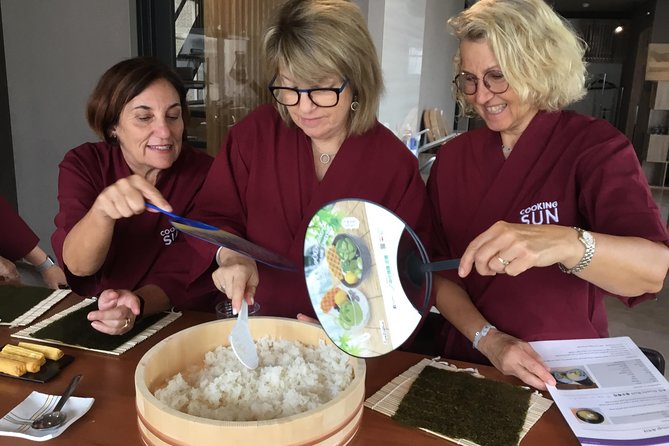
Kyoto’s bento box cooking class turns a familiar Japanese lunch into a hands-on lesson in technique, balance, and everyday food culture. You learn why each item belongs in the box, prepare several dishes yourself, then sit down to eat the meal you made.
I like the small-class attention and the range of skills packed into one morning. You may work on tempura, sushi rolling, teriyaki chicken, miso soup, spinach with sesame, and the layered egg omelet called tamagoyaki. The recipes go home with you, which gives the class value long after lunch.
The main drawback is that the experience is not a quick demonstration. You will be cooking for roughly three to three and a half hours, and the menu can change every three months. If you want a short tasting rather than a full lesson, this may feel like too much time.
Key points to know before booking
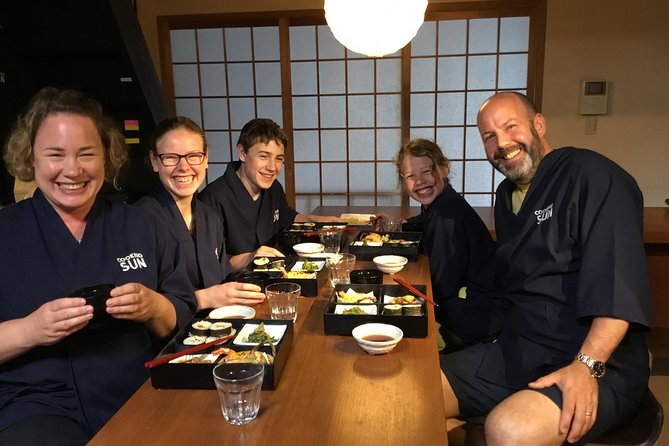
- You cook a full Japanese lunch: The class can include miso soup, tempura vegetables or shrimp, sushi, teriyaki chicken, spinach with sesame, and rolled egg.
- The menu follows the seasons: Dishes may change every three months to use the best available ingredients.
- Hands-on help is central: English-speaking chefs demonstrate each task, then guide you as you prepare the food.
- The class is useful for home cooks: You receive recipes and learn practical tips about dashi, soy sauce, sushi, and Japanese cooking methods.
- The meal is substantial: Your handmade bento and accompanying dishes become lunch, so eat lightly beforehand rather than arriving overly full.
- It fits neatly into a Kyoto morning: The class starts at 9:30 a.m. at Cooking Sun Kyoto and ends at the same meeting point.
What you really learn inside the Kyoto bento class
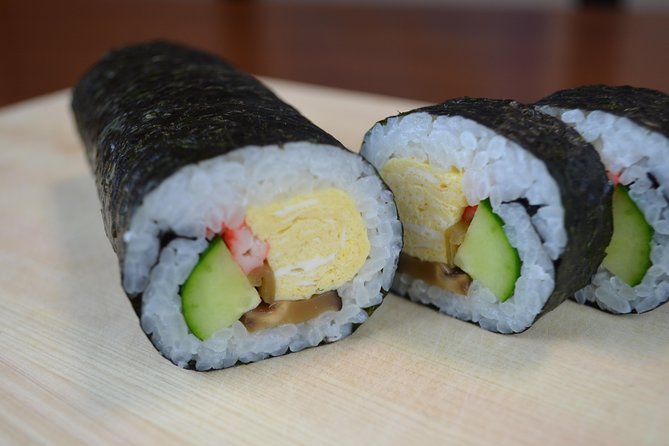
A bento is more than food placed in a box. It is a compact meal designed to offer variety in color, texture, flavor, and preparation. A small portion of omelet may sit beside crisp tempura, seasoned vegetables, rice, sushi, or chicken. The box looks simple when you buy one, but the class shows you how much work can sit behind that neat arrangement.
The lesson begins with an introduction to the origins of bento. The word has a long path through Asian food culture, and the class connects the modern convenience meal with Japanese habits of packing and presenting food. This short background matters because it gives purpose to the cooking. You are not just assembling attractive lunch portions. You are learning why several small dishes work together.
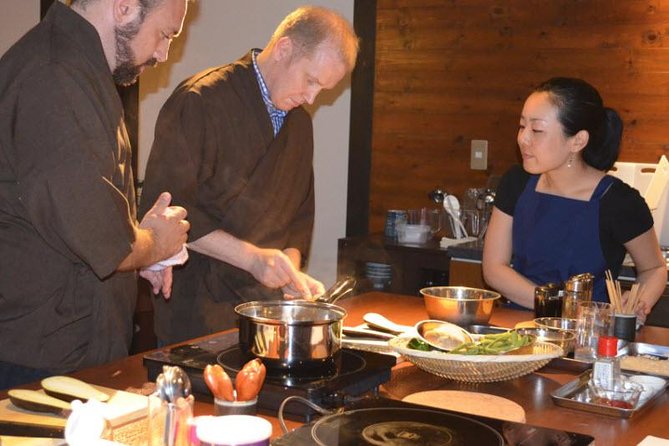
The chef then demonstrates the main techniques. The format is practical: watch a method, try it yourself, and ask for help when you need it. This works well for mixed skill levels. You can follow along as a beginner, but you will also find useful details if you already cook Asian food.
The class covers several different types of preparation in one sitting. You may fry tempura, season vegetables, roll sushi, cook chicken, prepare soup, and build an omelet one thin layer at a time. That variety is one of the strongest reasons to book this experience. You leave with a better sense of how Japanese food uses several small techniques rather than one large centerpiece.
Other cooking classes in Kyoto people book:
- Ramen Cooking Class at Ramen Factory in Kyoto
★ 5.0 · 1,937 reviews - Kyoto: Ramen Cooking Class at a Ramen Factory with Souvenir
★ 4.9 · 532 reviews - Kyoto: Ramen, Gyoza, and Onigiri Cooking Class
★ 5.0 · 445 reviews
A closer look at the morning schedule
The meeting time is 9:30 a.m. at Cooking Sun Kyoto, located at 679 Funayachō in Kyoto’s Shimogyo Ward. The studio is near public transportation, but hotel pickup and drop-off are not included. Plan your route before breakfast and leave enough time to find the entrance without rushing.
The official duration is about three hours, with some descriptions placing it closer to three and a half. That difference is small, but it matters if you have a temple visit, train, or timed reservation immediately afterward. I would keep the rest of your morning open and treat lunch as part of the schedule.
Once the class begins, expect a short explanation of bento culture followed by chef demonstrations. The chefs speak English, and the teaching style is designed around clear instructions and direct practice. The class materials and equipment are provided, including the apron, ingredients, and cooking tools needed for the lesson.
The menu changes seasonally. That is good news if you want food tied to the time of year, though it means you should not book expecting every dish listed in a general description. Miso soup, tempura, egg rolls, sushi, and teriyaki-style dishes have all been part of the teaching format, but the exact selection may differ.
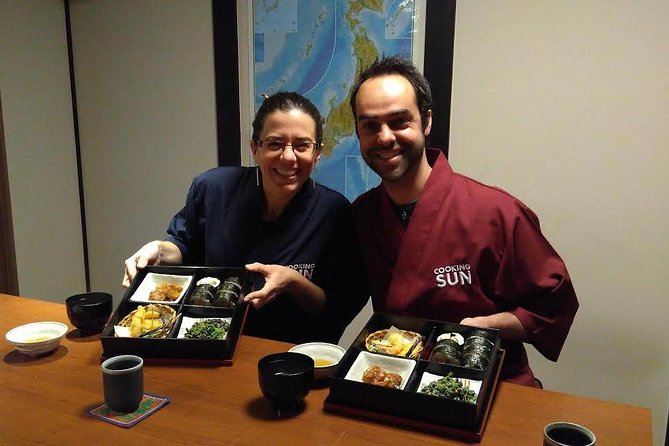
After the cooking, you arrange the food in your bento box and sit down for lunch. This final step is more important than it may sound. You see how the separate dishes fit together, compare textures, and understand why a bento can feel like a complete meal despite its small portions.
Why the hands-on format works
Cooking demonstrations can be entertaining, but they do not always translate into useful skills. Here, you get to handle the food yourself. That gives you a chance to notice the small points that are hard to catch from a distance, such as how to roll an omelet, how to work with sushi rice, or how to keep tempura light.
The layered egg roll is a good example. It looks straightforward, yet the shape depends on timing and careful rolling. The class lets you try it with guidance instead of simply watching a chef produce a perfect version. You may not create a restaurant display on your first attempt, but you will understand the method well enough to try again.
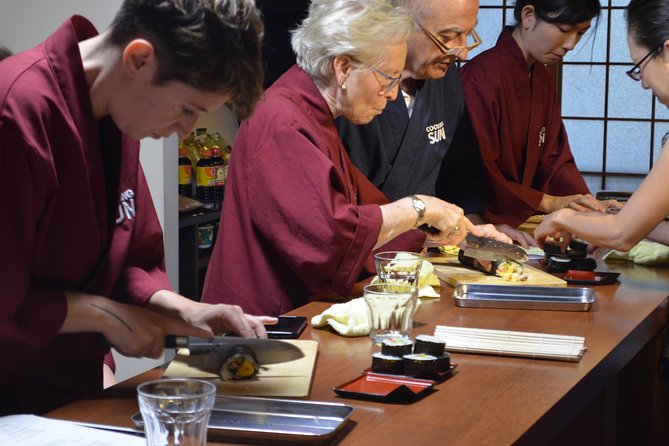
Sushi rolling is another practical highlight. The lesson gives you a chance to build and roll your own piece rather than treating sushi as something only a specialist can prepare. Tempura offers a different lesson in texture and heat. Together, these dishes make the class feel varied rather than repetitive.
The instructors also explain ingredients and basic Japanese cooking habits. Useful details can include how to make dashi, when to use different shades of soy sauce, and how Japanese meals balance savory, sweet, fresh, and fried elements. These small tips may be more useful at home than a long lecture about cuisine.
The instructors and level of personal attention
The experience uses English-speaking cooking instructors, and the class format allows questions throughout the session. The published booking details limit a reservation to eight people, though class sizes and instructor numbers can vary. Some sessions have had several chefs working with a larger group, so the exact room setup may not be identical every day.
That flexibility seems to help the teaching. You are not left to guess what to do next, but you also are not standing idle while one chef handles everything. The strongest part of the format is the balance between demonstration and your own cooking time.
This class suits beginners especially well. You do not need advanced knife skills or professional kitchen experience to take part. At the same time, people who cook regularly can pick up new ideas, particularly with sushi, tamagoyaki, tempura, dashi, and the arrangement of a complete bento.
The class is also a good fit for families with older children and teenagers. The tasks change often enough to hold attention, and the meal gives everyone a clear reward at the end. Younger children may find the three-hour schedule long, especially during periods when they must listen before cooking.
More cooking in Kyoto:
- Kyoto: Japanese Washoku Bento Small Group Cooking Class
★ 5.0 · 380 reviews - Kyoto Ramen and Gyoza Cooking Class with Professional Chefs
★ 5.0 · 282 reviews - Kyoto: Afternoon Japanese Izakaya Cooking Class
★ 4.9 · 241 reviews - Izakaya Style Cooking Class
★ 5.0 · 219 reviews
What you eat, and how much work is involved
The exact menu changes, but the class has included a broad spread of Japanese dishes. Expect the possibility of miso soup, tempura vegetables, tempura shrimp, egg rolls, sushi, teriyaki chicken, and spinach with sesame. These are not all guaranteed on every date, so check the current menu if one particular dish is your main reason for booking.
One useful point is that much of the preparation is organized in advance. That keeps the class moving and lets you focus on cooking techniques rather than spending the entire session chopping. It also means the experience is accessible to people who are interested in Japanese cooking but do not want a knife-skills workshop.
Do not mistake prepared ingredients for a lack of work. You still make several dishes and take part in the important stages. The class has enough activity to keep you busy, and the final meal can be larger than expected. One practical tip is to eat a small breakfast first. You may not taste the finished food until the end, and cooking while hungry can make the wait feel long.
Lunch is included, along with the ingredients. Extra food and drinks are not included unless specifically stated. Since the handmade bento is the central meal, you should not need to plan another lunch immediately afterward, though you may want a drink depending on what is provided in the studio.
Value at $71.35 per person
At $71.35 per person, this is not the cheapest meal in Kyoto. You can buy a convenient bento for much less, and a cooking lesson always costs more than eating the finished product. The value comes from the combination of food, instruction, cultural context, and recipes you can use later.
You are also getting a full lunch rather than a short sample. The class covers multiple dishes and several methods, with an English-speaking instructor available to help. If you enjoy cooking, that makes the price easier to justify than a simple food tasting.
The recipes add lasting value. You can attempt the dishes at home, adjust the menu to suit your kitchen, and use the techniques in other meals. A traveler who cooks often may get more from the class than someone mainly looking for a one-time activity.
Group discounts are available, which may help families or friends booking together. Since the class has a maximum of eight people per booking and a maximum of eight participants stated for the activity, you should expect a more personal setting than a large lecture. The exact group arrangement can vary, so do not assume every session will have the same chef-to-student ratio.
Dietary needs and practical details
Tell the provider about specific dietary requirements when you book. The cooking staff have handled food allergies carefully, but you should communicate your needs in advance rather than waiting until the class begins.
The ingredients are central to the activity, so clear information matters. Ask about your particular allergy or restriction before committing if you need strict separation or substitutions. The available details confirm that dietary requirements should be advised at booking, but they do not promise that every restriction can be accommodated.
Service animals are allowed, and the studio is near public transportation. Hotel pickup and drop-off are not provided. The activity begins and ends at the Cooking Sun Kyoto meeting point, so you are responsible for reaching the studio and continuing on to your next stop.
Free cancellation is available if you cancel at least 24 hours before the local start time. A cancellation made less than 24 hours before the experience begins is not refunded, and late changes are not accepted. That policy is fairly standard, but the morning start makes it worth checking your Kyoto plans carefully.
Who should book this Kyoto cooking experience
I would choose this class for anyone who wants more than a restaurant meal but less than a long culinary course. It fits a first visit to Kyoto because it gives you food, culture, and a practical activity in one morning.
It is especially suitable for:
- Couples who want a shared activity with a meal at the end
- Families with teenagers
- Home cooks looking for Japanese recipes
- Visitors who enjoy learning by doing
- People with a free morning before sightseeing
- Anyone curious about the work behind a neatly arranged bento
You may want to skip it if you dislike group activities, have very little time, or prefer to spend the morning visiting temples and markets. The three-hour schedule is compact compared with a full-day course, but it is still a real class, not a quick demonstration.
The format also suits people who want an authentic everyday-food angle. This is not focused on elaborate restaurant plating or rare ingredients. It explains a meal Japanese families and workers recognize, then gives you the tools to prepare your own version.
Should you book the bento box class?
Book it if you want to understand Japanese food through your hands, not just your taste buds. The strongest reasons are the varied menu, patient English instruction, practical recipes, and the chance to eat a complete lunch that you prepared yourself.
I would be more cautious if you have a strict schedule or a complex dietary restriction that has not been confirmed with the provider. Also remember that the menu is seasonal, so the dishes you hope to make may not be available on your date.
For most food-focused visitors, the price is reasonable for a three-hour lesson with lunch and take-home recipes. Arrive ready to cook, ask questions, and expect a filling meal. You will leave with a better feel for Japanese home cooking and a bento you can try to recreate once Kyoto is far behind you.
FAQ
Where does the bento box cooking class take place?
The class takes place at Cooking Sun Kyoto, at 679 Funayachō, Shimogyo Ward, Kyoto, 600-8466, Japan.
What time does the class begin?
The scheduled start time is 9:30 a.m.
How long does the experience last?
The class lasts about three hours, with some details describing it as three to three and a half hours.
What food might I prepare?
Possible dishes include miso soup, tempura vegetables, tempura shrimp, egg rolls, sushi, teriyaki chicken, and spinach with sesame. The menu can change every three months with the seasons.
Is lunch included?
Yes. You eat the bento and other dishes you prepare during the class. Additional food and drinks are not included unless specified.
Are ingredients and cooking equipment provided?
Yes. All cooking ingredients and an apron are included.
Is the class taught in English?
Yes. An English-speaking cooking instructor leads the class.
Can I share dietary requirements?
Yes. You should advise the provider of any specific dietary requirements at the time of booking.
What is the cancellation policy?
You can cancel for a full refund up to 24 hours before the experience start time. Cancellations or changes made less than 24 hours before the start are not accepted for a refund.
Just added in Kyoto
- Private Cooking Class Udon in Kyoto Japan★ 5.0 · 23 reviews
- Your Private Vacation Photography Session In Kyoto★ 5.0 · 110 reviews
- Kyoto: Zen Meditation at a Private Temple with a Monk★ 5.0 · 25 reviews
- Private Pewter Sake Cup Experience with a Kyoto Artisan★ 5.0 · 31 reviews
- Kyoto Wagashi(Japanese sweets) Cooking Class near Fushimiinari★ 5.0 · 60 reviews
- Kyoto:Family-Friendly Kimono & Yukata Experience at WARGO★ 5.0 · 147 reviews
- Private Guided Traditional Buddhist Cooking in Japan★ 5.0 · 16 reviews
- Kyoto: Gion Geisha District & Sake-in-Hand Walking Tour★ 5.0 · 37 reviews
Cooking Classes, compared.
Ramen Cooking Class at Ramen Factory in Kyoto
Read our review →
Ramen & Gyoza Cooking Class in Tokyo with Local Supermarket Visit
Read our review →
Ramen Cooking Class at a Ramen Factory with Souvenir
Read our review →
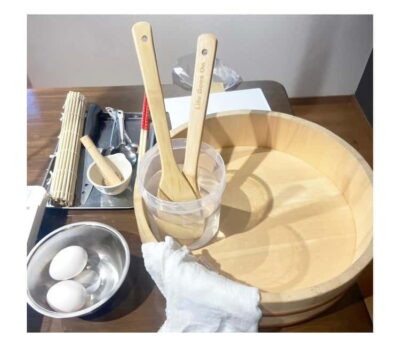
Japanese Washoku Bento Small Group Cooking Class
Read our review →
Sumo Stage Show with Bento or Snack + Fight & Photo
Read our review →
Ramen and Sushi Cooking Class with Sake Pairing Set in Tokyo
Read our review →Browse the lists this tour appears in