
Reviewed · COOKING CLASSES
Izakaya Style Cooking Class
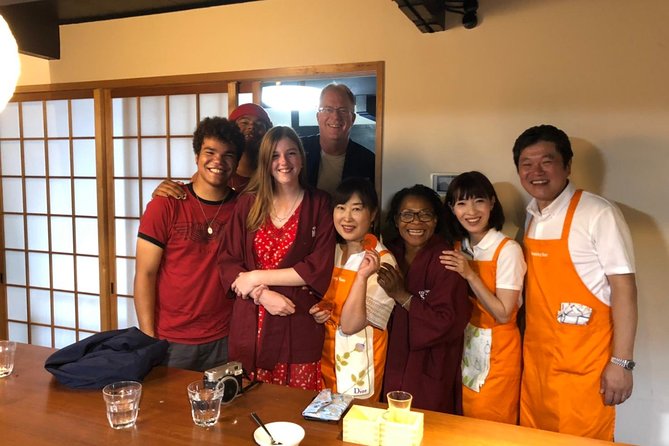
Kyoto’s izakaya cooking class is less about making sushi look pretty and more about learning the sauces, stock, knife work, and small dishes that Japanese families actually eat. You’ll work in a traditional wooden house at Cooking Sun, then sit down to dinner with the food you prepare. Learning dashi is a real highlight, since this basic stock shapes so much Japanese cooking.
I like the practical recipes and the generous amount of hands-on time. I also like the patient teaching style from Keiko and her team, who keep the class moving while helping cooks of different ages and skill levels. The food is prepared as a shared meal, so you leave with both dinner and recipes you can try at home.
The main drawback is that the menu changes with seasonal ingredients. You may prepare six dishes, but you cannot count on a particular favorite such as noodles, teriyaki yellowtail, or mushroom tempura. A glass of sake may also cost extra, so ask about the price before accepting one.
Key points to know before booking
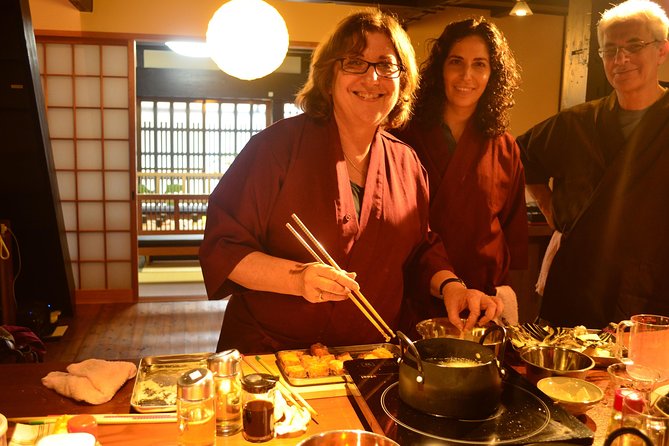
- Learn dashi from scratch: You’ll be shown how to prepare the Japanese soup stock that forms the base of many home dishes.
- Cook several small plates: Past menus have included spinach with sesame sauce, vegetable chowder, mushroom tempura, teriyaki yellowtail, rice with vegetables, and dessert.
- Expect a friendly, well-run class: The maximum group size is eight, with an English-speaking instructor and hands-on help.
- Dinner is part of the experience: You eat the dishes you prepare together at the end of the session.
- Recipes go home with you: The class is designed to help you repeat the dishes for family and friends.
- Allow three hours: The class starts at 2 p.m. and ends back at the Cooking Sun meeting point.
What makes an izakaya class different from a sushi lesson
An izakaya is a casual Japanese drinking and dining place where people order several small dishes to share. The food can be simple, but simple does not mean careless. Good izakaya cooking depends on balanced seasoning, fresh ingredients, careful preparation, and knowing how to build flavor without covering everything in soy sauce.
That makes this class a useful choice if you already plan to eat sushi in Kyoto and want something different. You are learning the food served in ordinary homes and casual restaurants, not only the dishes most familiar to visitors.
The class also gives you a bit of cultural context. The instructors explain how izakaya developed from sake shops that began serving food, and how it grew into an affordable place for small groups. That short introduction helps explain why the meal is made up of several modest dishes rather than one large main course.
I like this format because it connects the cooking to daily life. You are not simply copying a restaurant dish. You are learning why soup stock matters, how Japanese seasonings work together, and how several small plates can make a complete meal.
Other cooking classes in Kyoto people book:
- Ramen Cooking Class at Ramen Factory in Kyoto
★ 5.0 · 1,937 reviews - Kyoto: Ramen Cooking Class at a Ramen Factory with Souvenir
★ 4.9 · 532 reviews - Kyoto: Ramen, Gyoza, and Onigiri Cooking Class
★ 5.0 · 445 reviews
Arriving at Cooking Sun Kyoto at 2 p.m.
The meeting point is Cooking Sun at 679 Funayachō, in Kyoto’s Shimogyo Ward. The class is held in a traditional wooden house, and the location is near public transportation. Your confirmation provides the cooking studio details, so check those instructions carefully before setting out.
The start time is 2 p.m. This is a useful part of the schedule if you want to visit a temple, market, or neighborhood in the morning. It also means you should avoid eating a large lunch. You will finish with dinner, and the class includes enough food to make arriving hungry a sensible plan.
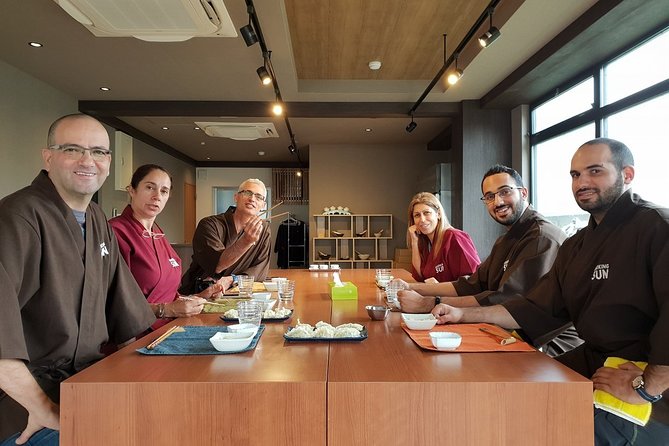
The group limit is eight people. That is small enough for direct help, though the exact feel depends on the booking size. A group of four or five should have plenty of space for questions. A full session may feel busier, but the teaching team is used to dividing tasks and helping several cooks at once.
Aprons and all cooking ingredients are included. You do not need to bring special equipment. Wear something comfortable for standing and preparing food, since the session combines demonstrations, chopping, cooking, and eating.
The opening lesson: izakaya, ingredients, and Japanese seasoning
The class begins with an explanation of izakaya and the place it holds in Japanese food culture. This is not a long lecture, but it gives you a useful frame for the cooking ahead.
The instructors then introduce the ingredients and seasonings. This part matters because Japanese cooking can look straightforward while relying on small differences in taste. Soy sauce, sesame, sake, miso, and other seasonings each have a role. The class focuses on how to use them rather than simply handing you a recipe and sending you to a cutting board.
English instruction is included, and the teaching style is aimed at a wide range of cooking abilities. Children as well as adults have taken part, and the recipes are presented in a way that beginners can follow. If you cook often, you may still pick up new flavor combinations, preparation methods, or Japanese kitchen tools.
You should expect a practical demonstration before trying each preparation yourself. The staff also handle much of the ingredient organization and cleanup between recipes. That keeps the session focused on cooking rather than leaving you stuck with a pile of washing up.
Learning dashi, the foundation of the meal
Dashi is one of the most valuable parts of the lesson. It is a Japanese soup stock used as a base for many dishes, and the class shows you how to prepare it rather than treating it as a mysterious ingredient hidden in the kitchen.
Learning dashi helps you understand why Japanese soups and sauces can taste full without being heavy. It also gives you a technique you can use at home in more than one recipe. If you are interested in Japanese food beyond restaurant meals, this is the kind of lesson worth keeping in your notes.
The class also explains how Japanese seasonings work with the stock and other ingredients. You may not leave able to reproduce every dish perfectly on your first attempt, but you will have a better sense of how to build flavor and adjust a recipe.
That is where the class offers more value than a meal at an izakaya. Dining shows you the result. Cooking shows you the steps that create it.
More cooking in Kyoto:
- Kyoto: Japanese Washoku Bento Small Group Cooking Class
★ 5.0 · 380 reviews - Kyoto Ramen and Gyoza Cooking Class with Professional Chefs
★ 5.0 · 282 reviews - Kyoto: Afternoon Japanese Izakaya Cooking Class
★ 4.9 · 241 reviews - Ramen & Gyoza Cooking Class in Tokyo with Local Supermarket Visit
★ 5.0 · 823 reviews
Preparing several dishes instead of one centerpiece
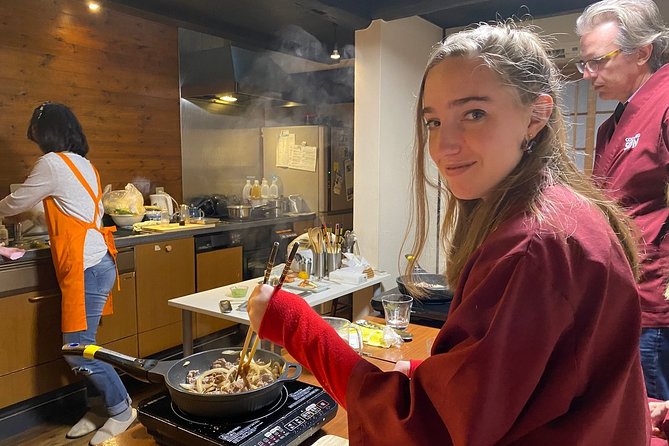
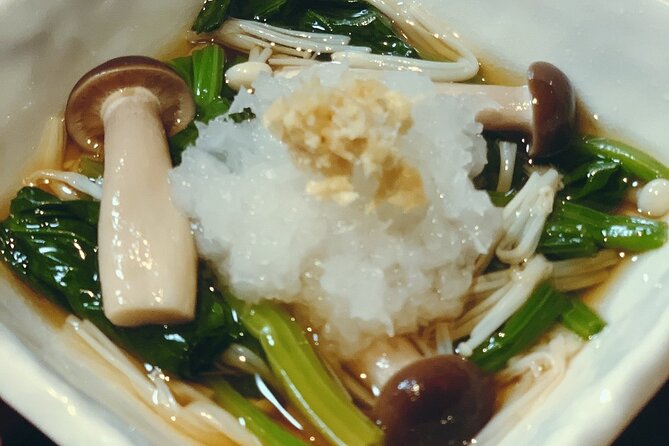
The menu varies according to seasonal ingredients, so the exact dishes are not fixed. Examples include spinach with sesame sauce, teriyaki yellowtail, vegetable chowder, mushroom tempura, and rice with vegetables. Some sessions have included six dishes, along with sweets such as mochi.
This variety is a strong point. You are not spending three hours perfecting one complicated dish. Instead, you move through several preparations and see how different textures, seasonings, and cooking methods fit together.
The work is also divided into manageable steps. Some ingredients may be prepared in advance so you can spend more time learning and less time on repetitive chopping. That does mean the class may not feel like a full professional kitchen training session, but it is a better use of time for a visitor with only an afternoon available.
One session included a pasta dish, which may surprise you if you expect only traditional Japanese noodles. The menu can mix familiar and less familiar foods, and a particular class may not match your idea of a perfect izakaya spread. If you want a specific dish, contact the provider before booking rather than assuming it will appear.
Vegetarian and allergy needs can be accommodated when you provide them at the time of booking. The staff have prepared alternatives for vegetarians and have worked carefully with people avoiding gluten. Still, you should state your requirements early and confirm them directly. Do not rely on making a last-minute request at the door.
Cooking with Keiko and the teaching team
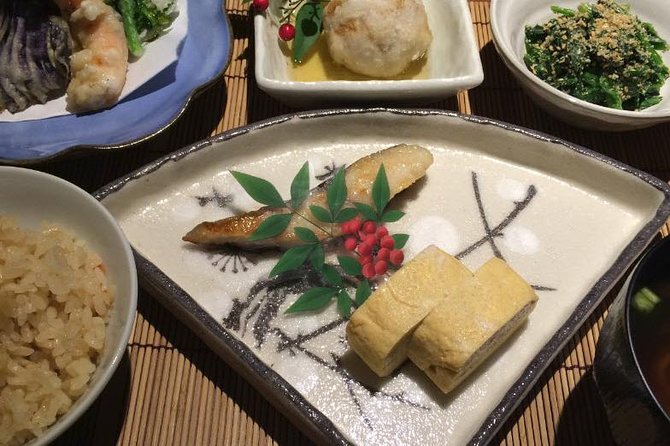
Keiko and her team are known for a calm, organized approach. The staff prepare ingredients, explain each stage, answer questions, and keep the work area moving. That teamwork is especially helpful when several dishes are in progress.
I would choose this class for a family or mixed-age group because the teaching is not aimed only at serious cooks. Children aged 10 and 12 have taken part successfully, and the class can work for beginners, confident home cooks, and people somewhere in between.
The hands-on guidance is important. You are not simply watching a chef demonstrate and then eating a prepared meal. You handle the knife, mix seasonings, prepare ingredients, and take part in the cooking. The instructors step in when needed but allow you to do the work.
That balance makes the class approachable. You can ask about a sauce, a tool, or a technique without feeling that you are holding up the group. The instructors also have time to give suggestions for what to do after the class, which can be useful if you want to continue exploring Kyoto’s food scene.
Sitting down to dinner after the cooking
The class ends with a shared dinner of the dishes you have made. This is more satisfying than eating while standing around a worktable. You can taste the results, compare the different dishes, and talk with the other people in the group.
The meal is included, along with the ingredients and cooking instruction. Drinks are not generally included unless specifically stated. Be careful with sake: one class participant was offered a glass and later learned it cost 600 yen. There is no problem with paying for an optional drink, but ask the price before accepting it.
The amount of food can be substantial. Several dishes plus rice, soup, or dessert can add up to a full meal, so arrive hungry and avoid planning a large dinner immediately afterward.
The shared table also gives the class a social side. You are cooking with people from different places, but the focus remains on food rather than forced group entertainment. If you prefer a private lesson for just your party, check the booking arrangements before paying, since the standard activity is designed for a small group.
What you take home besides dinner
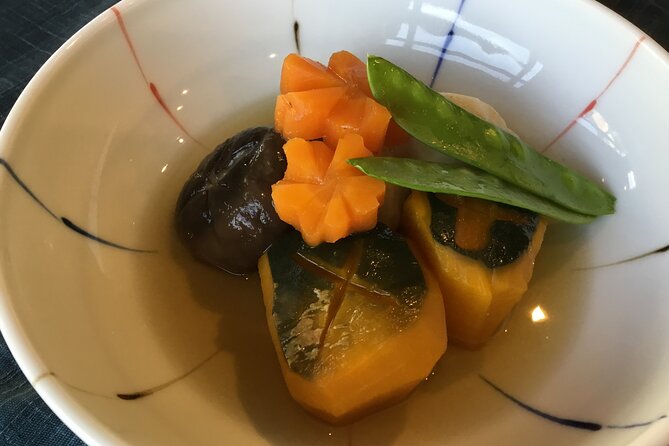
The recipes are provided so you can repeat the dishes at home. This is one of the best reasons to book the class. A food tour may introduce you to flavors, but recipes give you a chance to keep using what you learned after Japan.
The most useful takeaways are likely to be the dashi method, the seasoning ideas, and the approach to making several small dishes from ordinary ingredients. You can use those lessons separately even if you do not recreate the complete menu.
The dishes are described as healthy and manageable rather than technically difficult. That makes them realistic for a home kitchen. You may need to find Japanese ingredients or substitute locally available ones, but the class gives you a starting point and a clearer idea of what each ingredient contributes.
I also like that the recipes suit a social meal. You can prepare several dishes for friends or family rather than serving one restaurant-style centerpiece. It is a practical souvenir, especially for anyone who enjoys cooking while traveling.
Is the $71.63 price good value?
At $71.63 per person, the class is not a cheap meal, but it is more than dinner. The price covers about three hours of instruction, all cooking ingredients, an apron, and the meal you prepare. You also receive recipes and direct access to an English-speaking instructor.
The value is strongest if you want to learn. If you only want to eat Japanese food, a casual izakaya dinner will cost less and give you more choice. If you want to understand how the food is made and take useful skills home, the class compares well with many short culinary activities.
The small maximum group size also matters. You are paying for access to the instructor, not just a seat at a demonstration. The hands-on format makes the price easier to justify for keen cooks, families, and anyone who wants an activity with lasting value.
Group discounts are available, so check the rate if you are booking with family or friends. Free cancellation is available up to 24 hours before the start time. Cancellations or changes within 24 hours are not refunded or accepted, so keep that deadline in mind when planning around Kyoto weather and transport.
Who should book this Kyoto cooking class?
I would recommend it to first-time visitors who want a food experience beyond sushi and teriyaki. It is also a good fit for people who like learning by doing, families seeking a shared afternoon activity, and home cooks who want new Japanese techniques.
Beginners should feel comfortable joining. The class is structured, the recipes are approachable, and the staff provide help throughout. Experienced cooks may not find every step challenging, but the seasonings, dashi, ingredients, and unfamiliar tools can still add something new.
It may be less suitable if you need a completely fixed menu or want to focus on one specialty such as ramen, sushi, or Japanese noodles. The menu changes, and the emphasis is on a range of home-style izakaya dishes.
The class is also not the best choice for someone who dislikes group activities. You cook and eat with other participants, and the session can include up to eight people.
Should you book the Izakaya Style Cooking Class?
Book it if you want a useful, social Kyoto afternoon that ends with a proper meal. The strongest reasons are the hands-on dashi lesson, the range of dishes, the patient English instruction, and the recipes you can use at home.
Before booking, send your dietary requirements and ask about the current menu if a particular dish matters to you. Also confirm the cost of any optional drink. If you accept those small conditions, the $71.63 price buys more than dinner: it gives you a practical introduction to the everyday cooking behind Japan’s casual food culture.
FAQ
Where does the Izakaya Style Cooking Class take place?
The class takes place at Cooking Sun, 679 Funayachō, Shimogyo Ward, Kyoto, 600-8466, Japan. It is held in a traditional wooden house near public transportation.
What time does the class start?
The activity starts at 2 p.m. and lasts approximately three hours.
Is dinner included?
Yes. You prepare the dishes during the class and eat them for dinner afterward. Food and drinks outside the included meal are not covered unless specified.
Is the class taught in English?
Yes. An English-speaking cooking instructor leads the class.
How many people can join?
The maximum is eight participants. A maximum of eight people can be included in one booking.
What dishes will I cook?
The menu changes with seasonal ingredients. Possible dishes include spinach with sesame sauce, teriyaki yellowtail, vegetable chowder, mushroom tempura, and rice with vegetables. Some sessions prepare six dishes, but no fixed menu is guaranteed.
Can dietary requirements be accommodated?
You should advise the provider of dietary requirements when booking. Vegetarian and allergy accommodations have been provided, but you should confirm your needs in advance.
What is included in the price?
The price includes the cooking ingredients, an English-speaking instructor, an apron, and dinner. Hotel pickup and drop-off are not included.
Can I cancel for a full refund?
Yes. You can cancel at least 24 hours before the start time for a full refund. Cancellations or changes made less than 24 hours before the experience are not accepted and are not refunded.
More bar hopping tours elsewhere in Japan
- Kyoto: Izakaya Bars Guided Walking Tour
★ 4.9 · 815 reviews - Kyoto Bar Hopping Night Tour
★ 5.0 · 613 reviews - Kyoto Foodie Night Tour
★ 5.0 · 376 reviews - Tokyo Bar Hopping Tour in Shinjuku (All-You-Can-Drink + Dinner)
★ 5.0 · 3,587 reviews
Just added in Kyoto
- Kyoto: Private Photoshoot Service★ 5.0 · 158 reviews
- Kyoto Rickshaw Tour★ 5.0 · 210 reviews
- Kyoto: Traditional Concert at Townhouse or Bathhouse★ 4.9 · 224 reviews
- Ninja 2-hour Hands-on Lesson by Japanese master in Kyoto -Medium★ 5.0 · 218 reviews
- Kyoto: Arashiyama Bamboo, Temple, Matcha, Monkeys & secret spots★ 5.0 · 219 reviews
- The right way to know Kyoto★ 5.0 · 257 reviews
- Kyoto Geisha District Walking Tour in Gion★ 5.0 · 232 reviews
- Kyoto: Gion & Pontocho Food Tour with 13 Dishes★ 4.9 · 235 reviews
Cooking Classes, compared.
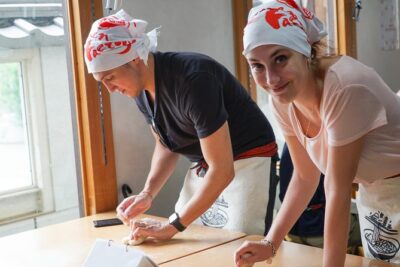
Ramen Cooking Class at Ramen Factory in Kyoto
Read our review →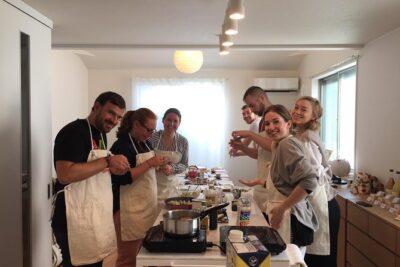
Ramen & Gyoza Cooking Class in Tokyo with Local Supermarket Visit
Read our review →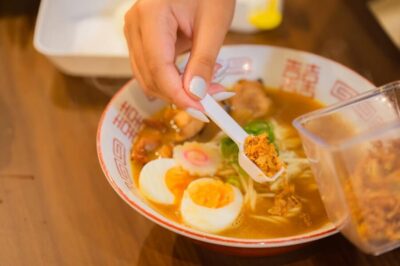
Ramen Cooking Class at a Ramen Factory with Souvenir
Read our review →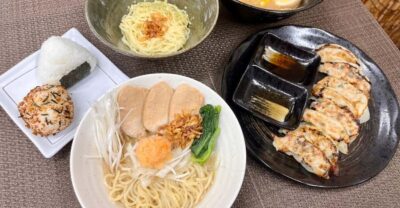
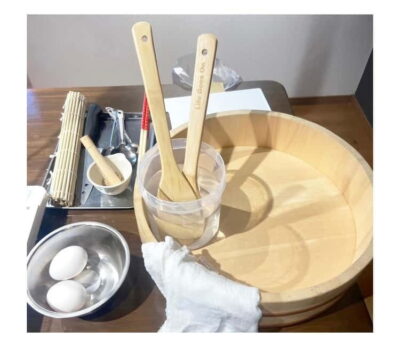
Japanese Washoku Bento Small Group Cooking Class
Read our review →
Sumo Stage Show with Bento or Snack + Fight & Photo
Read our review →
Ramen and Sushi Cooking Class with Sake Pairing Set in Tokyo
Read our review →Browse the lists this tour appears in