
Reviewed · COOKING CLASSES
Kyoto Udon and Tempura Cooking Class with Professional Chefs
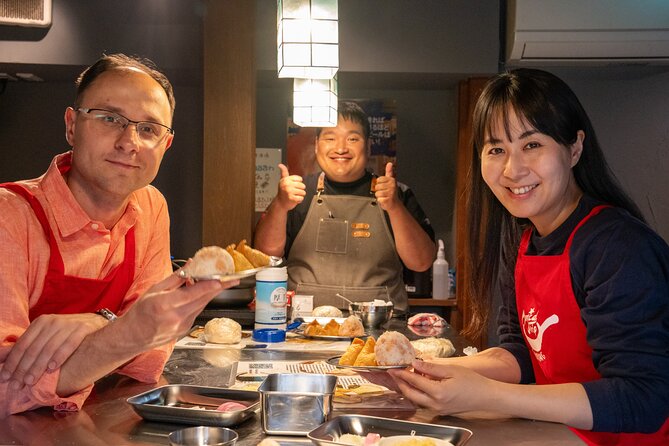
Fresh udon is the star here. You begin with flour and water, then knead, roll, and cut the noodles by hand with help from a local udon master. That simple process turns lunch into a useful Kyoto memory, not just another meal served to you.
I like the small maximum group of eight, which should give you a fair chance to work at the counter and ask questions. I also like the full menu: handmade udon, onigiri, inari sushi, and tempura, followed by two drinks and an easy meal. The main consideration is timing. At 2.5 hours, this is a hands-on cooking session, not a quick demonstration, so it may feel long if you only want to eat.
Key points at a glance
- Hand-cut udon: Start with flour and water, then knead, roll, and cut chewy noodles.
- Four Japanese dishes: Make udon, tempura, onigiri, and inari sushi from scratch.
- Small class size: The maximum is eight people, with an udon master and English-speaking guide.
- A meal at the end: Eat the food you prepare, including hot and cold udon, according to the class flow.
- Two drinks included: Choose alcoholic or non-alcoholic drinks, with a mini sake tasting available.
- Useful take-home extras: Downloadable English recipes and tour photos sent by email are included.
Turning flour and water into Kyoto udon
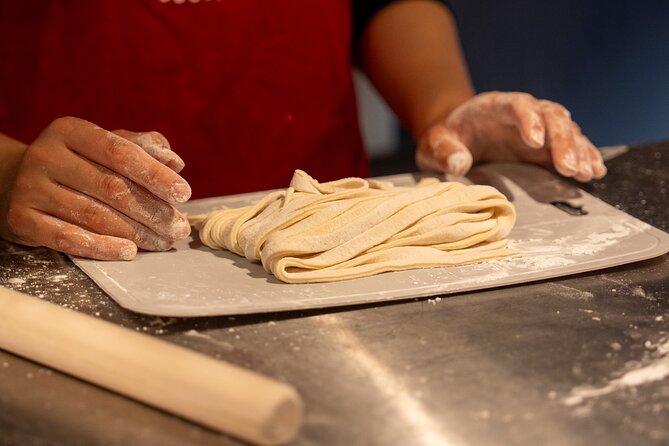
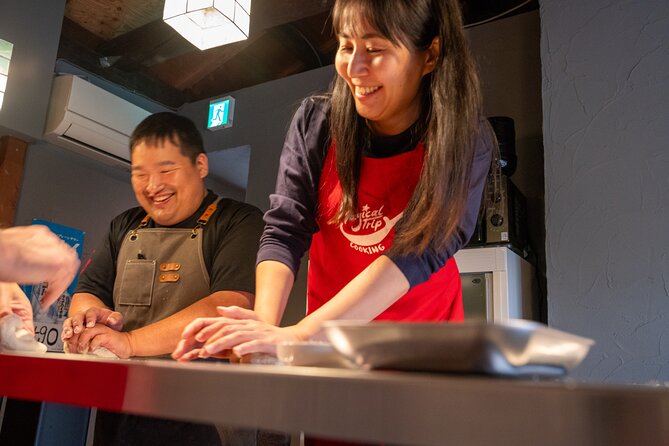
The class begins with the most satisfying task: making udon from basic ingredients. You learn to knead the dough, roll it out, and cut it into noodles. This is not a polished cooking show where you sit back and watch a chef work. You handle the dough yourself, with guidance from a local udon master and an English-speaking guide.
That matters because udon looks simple on the plate, but its texture depends on the dough and the cut. The class gives you a direct feel for the work behind those thick, springy noodles. You also get a practical recipe to download later, so the lesson does not end when you leave Kyoto.
Expect some variation in the noodles. Hand-cut pieces will not all look factory-perfect, and that is part of the point. You are learning a traditional kitchen skill, not trying to produce identical strands. If your family or group enjoys doing things together, this opening section should keep everyone involved.
The class may include both hot and cold udon during the meal. That gives you a useful comparison in texture and presentation, rather than treating udon as a single fixed dish. You should arrive ready to eat, since you will have several dishes ahead of you.
Other cooking classes in Kyoto people book:
- Ramen Cooking Class at Ramen Factory in Kyoto
★ 5.0 · 1,937 reviews - Kyoto: Ramen Cooking Class at a Ramen Factory with Souvenir
★ 4.9 · 532 reviews - Kyoto: Ramen, Gyoza, and Onigiri Cooking Class
★ 5.0 · 445 reviews
Four dishes, four different Japanese food skills
After the udon work, the class moves into rice preparation. You make onigiri and inari sushi, two familiar Japanese foods that use rice in very different ways.
Onigiri is shaped rice, a simple food with plenty of room for hands-on practice. Inari sushi uses rice tucked into seasoned tofu pockets. Making both helps you see how Japanese home cooking can turn a few staple ingredients into foods with different shapes, textures, and uses.
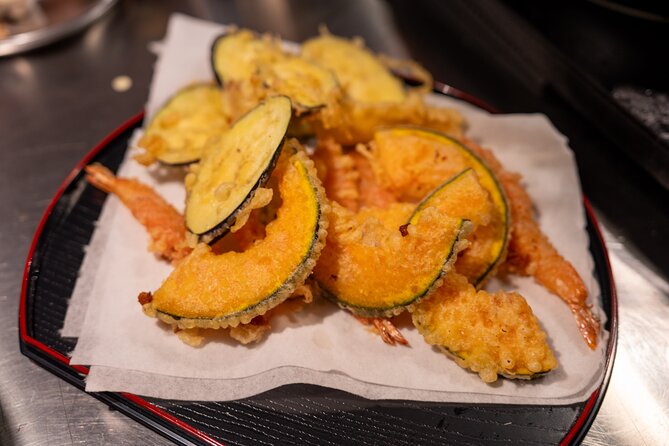
The tempura section adds another skill: frying. You prepare ingredients and work toward a crisp, golden coating. The supplied details do not promise a particular selection of vegetables or seafood, but a family review specifically notes shrimp and vegetables, so those may be part of the cooking session.
Tempura is also the part that benefits most from close instruction. Frying requires attention, and having a chef and guide present is more useful than trying to copy a short recipe at home. Still, remember that the class lasts only about two and a half hours. You will learn the basic method, not receive a full professional kitchen course.
The menu gives the session good variety. Kneading dough uses your hands and patience. Rice dishes call for shaping. Tempura brings heat and timing. You are not repeating one task for the whole morning.
Eating what you made, with two drinks
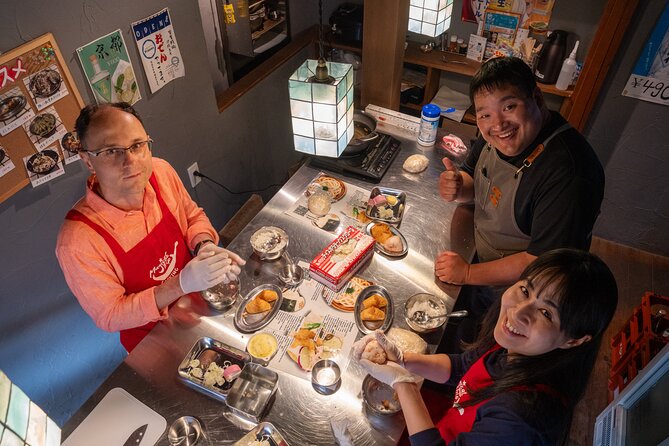
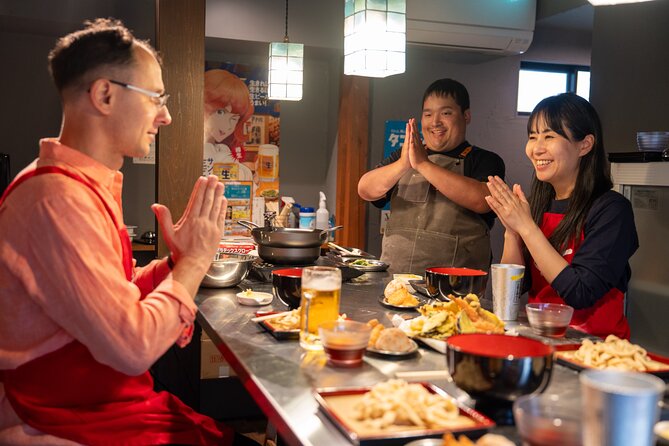
The best payoff comes after the preparation. You sit down and eat the udon, sushi, and tempura you helped make. The food is fresh because the meal follows the cooking, and you can connect each dish with the work behind it.
A family account of the class describes making and trying multiple dishes, including hot udon, cold udon, shrimp, and vegetables. That is a useful clue for anyone planning breakfast. Skip breakfast or eat lightly, and bring an appetite. The meal is not just a small sample at the end.
Two drinks are included. You can choose alcoholic or non-alcoholic options, and the experience includes a mini sake tasting. That makes the final meal feel more like a shared food experience than a basic lesson. The information does not specify the sake brands or the exact tasting size, so you should not book this expecting a detailed sake seminar.
The drink policy also gives groups some flexibility. If you do not drink alcohol, you can choose non-alcoholic beverages. If you do enjoy sake, the tasting adds a small Kyoto flavor to the meal without changing the main focus, which is cooking.
What the small group means in practice
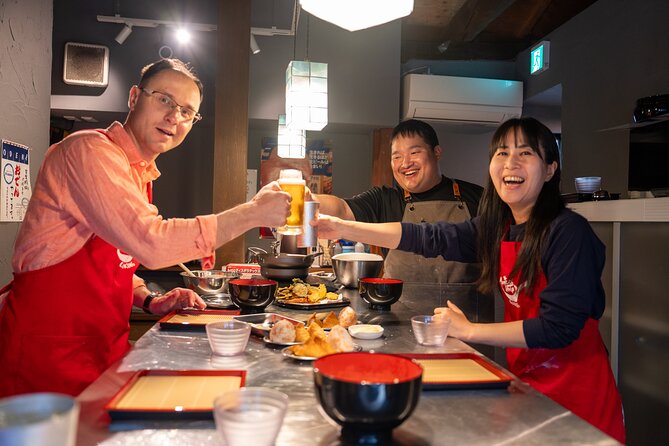
The class accepts no more than eight people. That is a useful limit for a kitchen activity. You have a better chance of seeing the instruction, handling ingredients, and getting help than you would in a large group.
The named instructors include Josh and Nakajima-san. A family who attended with them described both as kind and friendly, and the class worked well for the whole family. I would treat that as a good sign for families and mixed-age groups, while remembering that instructor assignments can vary.
English support is built into the experience. You receive instruction from an English-speaking guide alongside the local udon master. That makes the class easier to follow if you cannot read Japanese recipes or need a clear explanation before using unfamiliar equipment.
The class is designed for beginners. No prior cooking experience is required, and the teaching format centers on learning by doing. You should still expect to follow directions carefully, especially during the frying section.
More cooking in Kyoto:
- Kyoto: Japanese Washoku Bento Small Group Cooking Class
★ 5.0 · 380 reviews - Kyoto Ramen and Gyoza Cooking Class with Professional Chefs
★ 5.0 · 282 reviews - Kyoto: Afternoon Japanese Izakaya Cooking Class
★ 4.9 · 241 reviews - Izakaya Style Cooking Class
★ 5.0 · 219 reviews
Price and value at $85.39
At $85.39 per person, this is not the cheapest way to eat udon in Kyoto. You can find a bowl of noodles for far less. The value comes from the combined package: 2.5 hours of instruction, four dishes, two drinks, a meal, recipes, a mini sake tasting, and photos sent after the class.
I would compare it with the cost of a short cooking lesson plus lunch, not with the price of a restaurant meal. You are paying for the chef’s guidance, the ingredients, the activity, and the chance to prepare food yourself. For a family or small group, that can be a fair deal because everyone has something to do.
The value is weaker if you are mainly seeking a quick local lunch. Much of the time goes into preparation, and the price includes the teaching experience. You will get more from it if you care about Japanese food, want a practical souvenir, or need an indoor activity that works for several people.
Photos and recipes add modest but useful value. The guide takes photos during the class and sends them by email afterward. You also receive downloadable English recipes, which gives you a way to repeat at least some of the dishes at home.
Meeting in central Kyoto at 10:00
The meeting point is the 7-Eleven at 599 Uraderacho, Nakagyo Ward, Kyoto, postal code 604-8041. The activity begins at 10:00 a.m. and ends back at the same meeting point.
Transportation to and from the meeting point is not included. You need to make your own way there and allow enough time to find the convenience store. Since the location is near public transportation, it should fit neatly into a morning plan, but the details provided do not name a particular station or route.
The fixed meeting point is helpful because you do not need to arrange a separate return transfer. You can plan another central Kyoto activity afterward, though I would leave a little breathing room rather than scheduling a timed attraction immediately after the class.
A mobile ticket is included, which means you can keep the booking details on your phone. Confirmation arrives at booking. The class has free cancellation until 24 hours before the start time, but cancellations or changes inside that window are not accepted for a refund.
Who will enjoy this cooking class most
I would choose this for families, couples, and small groups who want an activity with a clear result. You make several dishes, sit down together, and leave with recipes. The family-friendly format is supported by the hands-on work and the beginner-level instruction.
It also suits food-focused visitors who want more context than a restaurant menu provides. Making udon by hand gives you a better sense of its texture and preparation. The rice dishes and tempura keep the morning from becoming too narrow.
The class may be less suitable if you have very limited time in Kyoto or do not want to spend a full 2.5 hours indoors. It is also not the right pick if your main goal is a formal sake tasting, an advanced cooking course, or a restaurant-style chef’s demonstration.
The class includes several foods, but the supplied details do not provide a full allergy, dietary, or ingredient policy. If you have food allergies or strict dietary needs, ask the provider before booking. Do not assume that substitutions are available.
Practical tips before you book
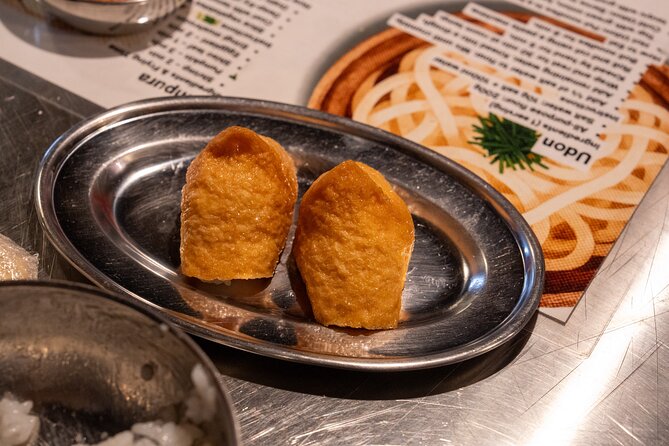
Arrive hungry, but not uncomfortable. You will prepare and eat several dishes, and the session may include both hot and cold udon, tempura, and rice dishes.
Wear something you can cook in. The information does not specify a dress code, but kneading dough and frying food are active tasks. You should also keep your phone ready for the mobile ticket and make sure you can receive the later photo email.
Plan the morning around the 10:00 start. The class begins and ends at the same meeting point, but you are responsible for getting there. Check your route in advance and do not rely on finding the address at the last minute.
If you are booking for a group, remember that the maximum is eight people. That small size is one of the experience’s practical strengths, so booking early makes sense when your dates are fixed.
Should you book it?
Book this class if you want to work with your hands, eat a full spread of Japanese dishes, and learn a few recipes you can use again. The combination of udon, sushi, tempura, two drinks, a sake tasting, and a small group makes the $85.39 price easier to justify than a simple meal.
Skip it if you want a fast breakfast, a quiet restaurant meal, or an advanced culinary course. For most beginners, families, and food-minded visitors, this is a friendly and well-shaped Kyoto morning, with the handmade udon providing the strongest reason to go.
FAQ
Where does the cooking class meet?
The class meets at the 7-Eleven at 599 Uraderacho, Nakagyo Ward, Kyoto, 604-8041, Japan.
What time does the class start?
The activity starts at 10:00 a.m.
How long does the experience last?
The cooking class lasts approximately 2 hours and 30 minutes.
Where does the activity end?
The experience ends back at the meeting point.
What dishes will I make?
You will learn to make udon, tempura, onigiri, and inari sushi.
Do I need cooking experience?
No. The class is designed for beginners and includes guided, hands-on instruction.
Who teaches the class?
Instruction comes from a local udon master and an English-speaking guide. Josh and Nakajima-san are named instructors connected with the experience.
How many people can join?
The maximum group size is eight people.
Are drinks included?
Yes. Two drinks are included, with alcoholic and non-alcoholic choices available. The experience also includes a mini sake tasting.
Are recipes and photos included?
Yes. You receive downloadable English recipes, and the guide takes photos during the class and sends them to you by email afterward.
Just added in Kyoto
- Private Cooking Class Udon in Kyoto Japan★ 5.0 · 23 reviews
- Your Private Vacation Photography Session In Kyoto★ 5.0 · 110 reviews
- Kyoto: Zen Meditation at a Private Temple with a Monk★ 5.0 · 25 reviews
- Private Pewter Sake Cup Experience with a Kyoto Artisan★ 5.0 · 31 reviews
- Kyoto Wagashi(Japanese sweets) Cooking Class near Fushimiinari★ 5.0 · 60 reviews
- Kyoto:Family-Friendly Kimono & Yukata Experience at WARGO★ 5.0 · 147 reviews
- Private Guided Traditional Buddhist Cooking in Japan★ 5.0 · 16 reviews
- Kyoto: Gion Geisha District & Sake-in-Hand Walking Tour★ 5.0 · 37 reviews
Cooking Classes, compared.
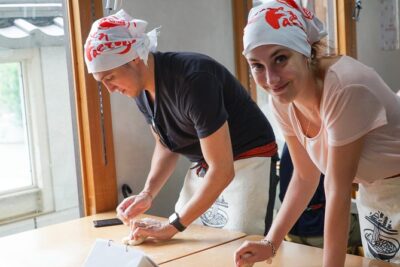
Ramen Cooking Class at Ramen Factory in Kyoto
Read our review →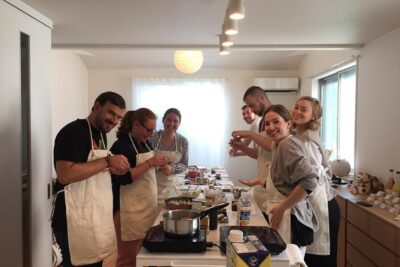
Ramen & Gyoza Cooking Class in Tokyo with Local Supermarket Visit
Read our review →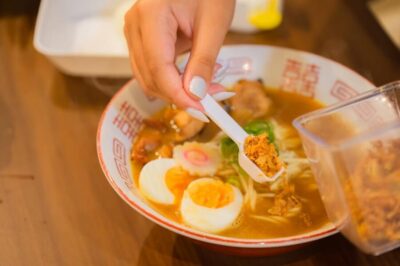
Ramen Cooking Class at a Ramen Factory with Souvenir
Read our review →
Japanese Washoku Bento Small Group Cooking Class
Read our review →
Sumo Stage Show with Bento or Snack + Fight & Photo
Read our review →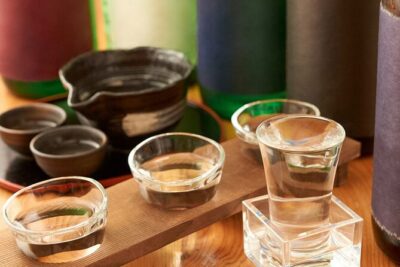
Ramen and Sushi Cooking Class with Sake Pairing Set in Tokyo
Read our review →Browse the lists this tour appears in