
Reviewed · COOKING CLASSES
Private Cooking Class Udon in Kyoto Japan
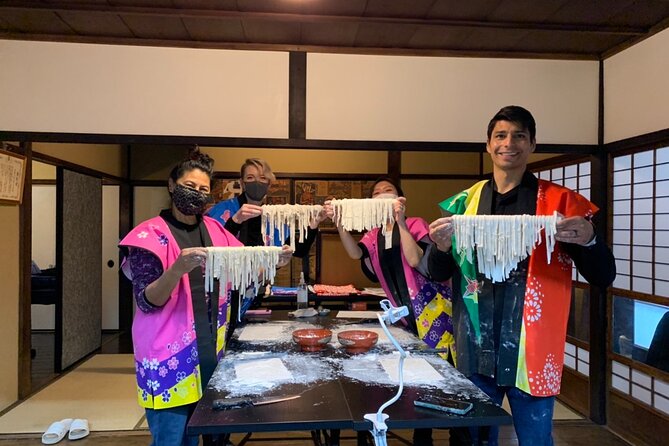
Handmade udon is the star here, but the 130-year-old Kyomachiya house gives this short class its character. You mix, knead, stretch, and cut the noodles, then eat the results with tempura and dipping broth. I like the historic setting, and I like that Tanaka-san and the other local teachers make the lesson easy for children and first-time cooks.
The class is close to Kyoto Station and Nishi Honganji Temple, so it fits neatly into a sightseeing day. The main drawback is that the advertised class lasts about an hour, while the full meal and time in the house can take closer to two hours. Also, you make the noodles, but not the tempura, broth, or final boiling.
Key points
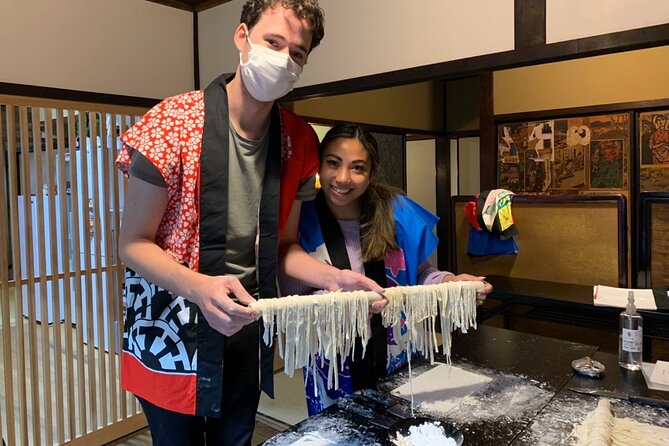
- Udon from scratch: Make saltwater, knead the dough, let it rest, stretch it, and cut it by hand.
- Historic Kyoto setting: Cook inside a restored traditional house with antique furniture and artifacts.
- Friendly named instructors: Tanaka-san is lively and patient, while Hisayu has also taught the class.
- A proper lunch afterward: Eat your noodles with vegetable tempura, dipping broth, ginger, and green onion.
- Good for families: Children can take part because the instructors handle the boiling.
- Convenient location: The meeting point is a 12-minute walk from Kyoto Station and two minutes from Nishi Honganji Temple.
Making udon inside a 130-year-old Kyoto house
This is not a demonstration where you sit back and watch someone else cook. You work with the flour and dough yourself, following a series of simple steps that show how much effort goes into a good bowl of udon.
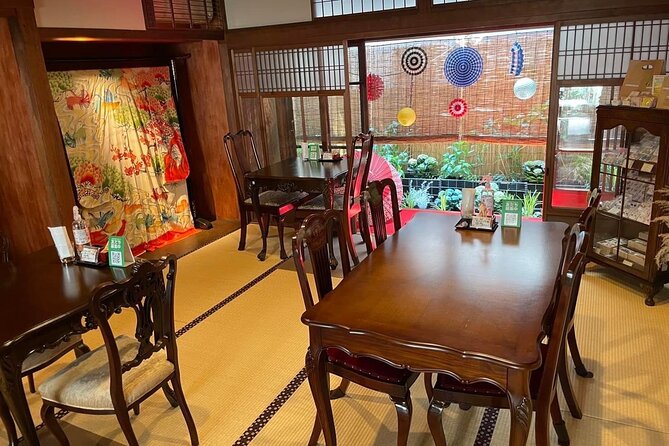
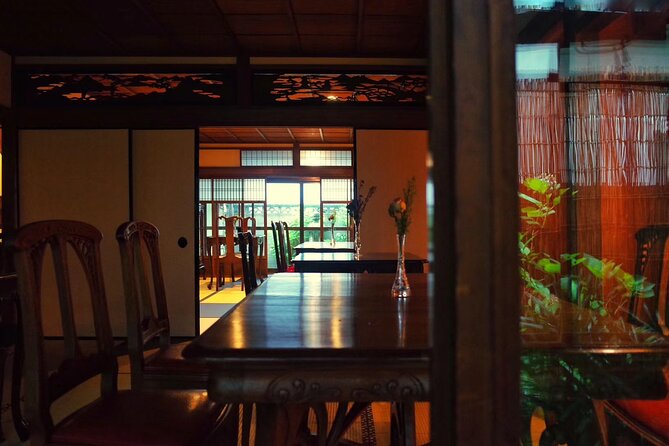
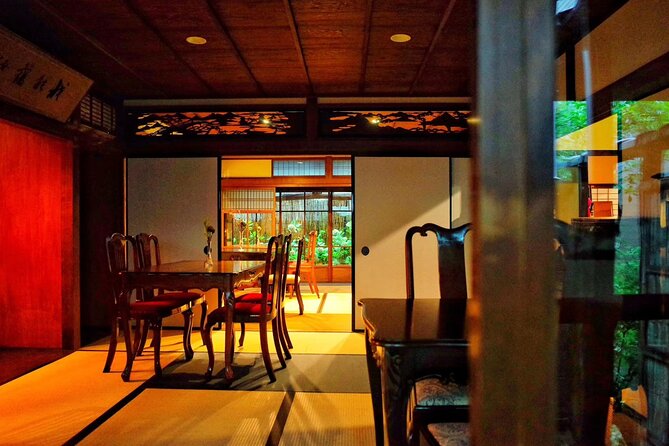
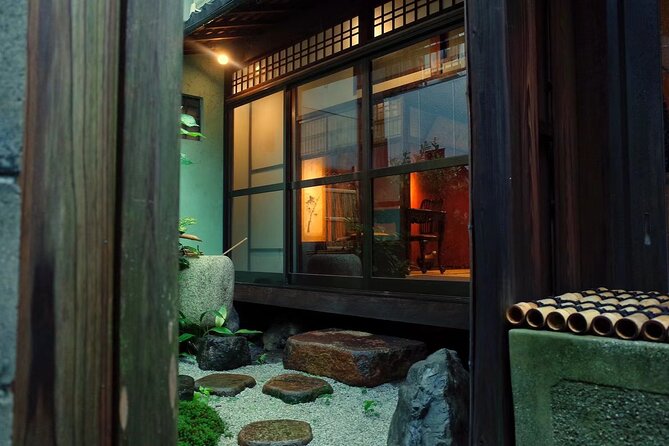
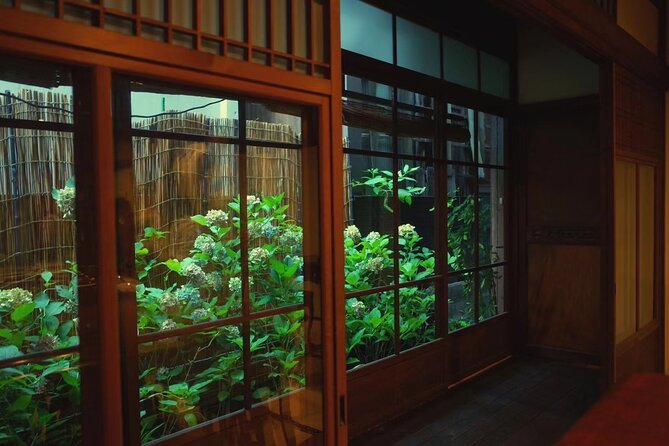
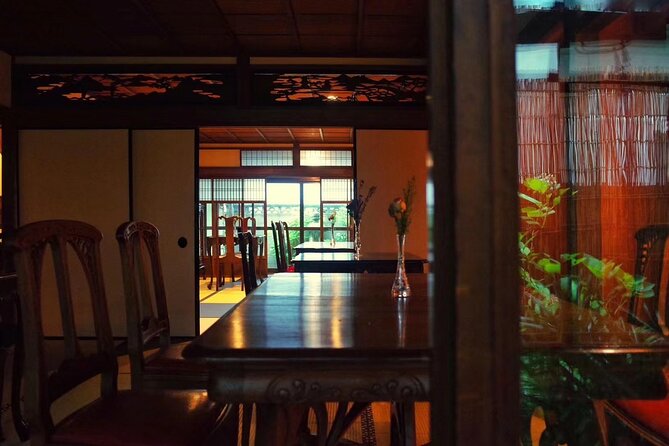
The class takes place at 364 Momijicho in Kyoto’s Shimogyo Ward. The building is a beautifully restored traditional Japanese house dating from roughly 120 to 130 years ago. Antique furniture and old household objects fill the interior, and traditional Japanese music helps set the mood.
I like this setting because it gives the cooking lesson a sense of place. You are not simply making noodles in a modern studio. You are working in an old Kyoto home near Honganji, with the house itself providing part of the cultural lesson.
The room is designed for hands-on work. Ingredients are prepared in advance, and each participant has space to work. That matters when you are handling sticky dough, especially with children or a group that includes people who have never made noodles before.
The instructors are local to Kyoto. Tanaka-san is the teacher most often named in the available feedback, and Hisayu is another instructor associated with the class. Tanaka-san is described as upbeat, encouraging, and patient, while the teaching style overall is friendly and easy to follow in English.
Other cooking classes in Kyoto people book:
- Ramen Cooking Class at Ramen Factory in Kyoto
★ 5.0 · 1,937 reviews - Kyoto: Ramen Cooking Class at a Ramen Factory with Souvenir
★ 4.9 · 532 reviews - Kyoto: Ramen, Gyoza, and Onigiri Cooking Class
★ 5.0 · 445 reviews
From saltwater to a ball of dough
The first step is making saltwater. It sounds basic, but this is the starting point for the udon dough, and the class shows you how the ingredients come together rather than handing you a finished mixture.
You then work the flour and water into dough. One memorable part of the class is the traditional foot-kneading step. You place the dough in a protected covering and use your feet to work it. It is practical, slightly playful, and a good way to make the process enjoyable for children.
The class follows a clear sequence:
- Make the saltwater.
- Combine it with the flour.
- Knead the dough.
- Let the dough mature or rest.
- Stretch it into a sheet.
- Fold and cut it with a knife.
- Cook the noodles.
The exact demonstrations and pace can vary with the instructor and your group, but the method is simple enough to follow. Tanaka-san is known for demonstrating each stage and keeping the mood light. One playful teaching touch is the udon dance, which turns the kneading process into part of the fun.
You should not expect a technical chef’s workshop. The aim is to give you a traditional, usable method that you can repeat at home. A recipe is provided, and the steps are straightforward enough that several people have gone home and made the noodles again.
The floury hands are part of the fun
Making udon is a tactile activity. Your hands get sticky and floury, and the dough can feel awkward at first. That is exactly why the class works well for families. Children are not expected to sit quietly while an instructor does everything for them.
The instructors help with the difficult parts and explain what to do next. Children as young as four have been able to take part, with older children and teenagers enjoying the process just as much. Since you do not handle the boiling yourself, the activity avoids one of the main safety concerns of a cooking class with young children.
That does not mean every moment is polished or formal. The class has a relaxed, family-run feel rather than the atmosphere of a professional culinary school. If you want advanced knife skills or a detailed lesson in dashi preparation, this will feel limited. If you want to make something with your own hands and eat it afterward, the format is well judged.
The instructors also explain some background about udon and Japanese food culture. The history lesson is brief, but it adds useful context to the noodles you are making. You leave with more than a meal, yet the focus stays on doing rather than listening.
What you eat after the class
The cooking portion lasts about one hour. After that, the instructors boil the noodles and prepare the rest of the meal. This is where the time estimate needs a little explanation. The advertised activity is approximately one hour, but you may remain for another 30 minutes to two hours while eating and enjoying the house.
Your meal includes the udon you made, along with a tempura set. The tempura is prepared separately, so you do not make it during the lesson. You also receive dipping broth, freshly grated ginger, and minced green onion.
The meal is served as more than a quick taste. The noodles are cooked for you, and the tempura gives the lunch enough substance to make the experience feel complete. You can judge the difference between handmade noodles and the packaged noodles you may use at home.
The food is one of the strongest reasons to schedule this at noon. Start time is 12:00 p.m., so the class leads directly into lunch. You do the work first, then sit down to eat it in the same traditional house. That makes the timing especially useful for families or anyone building a half-day plan around Kyoto Station and Nishi Honganji.
One limitation is that you do not prepare the broth or tempura. Some people may prefer a longer class that covers every part of the meal. I see this as a sensible choice for a one-hour workshop, though. The difficult and distinctive part, making the noodles, is yours. The hot cooking and accompanying dishes are handled for you.
More cooking in Kyoto:
- Kyoto: Japanese Washoku Bento Small Group Cooking Class
★ 5.0 · 380 reviews - Kyoto Ramen and Gyoza Cooking Class with Professional Chefs
★ 5.0 · 282 reviews - Kyoto: Afternoon Japanese Izakaya Cooking Class
★ 4.9 · 241 reviews - Izakaya Style Cooking Class
★ 5.0 · 219 reviews
Why the location works well in a Kyoto itinerary
The meeting point is about a 12-minute walk from Kyoto Station and only two minutes from Nishi Honganji Temple. That makes this one of the easier food activities to combine with a train arrival, a hotel near the station, or a visit to the temple.
You should allow enough time to find 364 Momijicho and arrive before the noon start. The experience ends back at the same meeting point, so you do not need to arrange a separate return transfer.
The location also gives the class a useful sense of neighborhood. You are in central Kyoto, but the activity takes place in an old wooden house rather than a large commercial venue. After lunch, you can continue sightseeing near the Honganji area or return toward Kyoto Station.
Since the activity uses a mobile ticket, keep your booking available on your phone. Confirmation is sent within 48 hours of booking, subject to availability, so do not assume an immediate confirmation if you are arranging a tightly timed schedule.
Value at $60.43 per person
At $60.43 per person, this is not the cheapest lunch in Kyoto. You can find udon for far less in a restaurant. The price makes more sense when you separate the meal from the activity: you are paying for an instructor, the ingredients, the old house, the hands-on lesson, and the lunch afterward.
I consider it good value for families and small private groups that want a shared activity rather than another restaurant meal. The price also covers the part you cannot easily recreate during a normal Kyoto visit: making noodles in a historic house with local teachers and then eating them immediately.
For a solo diner or a couple focused only on food, the value is less obvious. You could have a fine bowl of udon for a fraction of the cost. This class earns its price through participation and atmosphere, not through portion size or an elaborate menu.
The strongest value comes when you use the full visit well. Arrive ready to cook, take part in the kneading and cutting, stay for the meal, and pair it with Nishi Honganji Temple. If you leave after the one-hour class without eating, you will miss a major part of what you paid for.
Who will enjoy this class most
I would recommend this experience to families with children, couples who want a low-pressure cultural activity, and anyone who likes learning through food. The instructors are patient, the steps are manageable, and the children can take part without handling boiling water.
It also suits visitors who prefer a short scheduled activity. A one-hour class is easier to fit between temple visits than a long cooking course. Just remember to allow extra time for lunch afterward.
The class may not suit you if you want to prepare an entire Japanese menu. You do not make the tempura or broth, and the food lesson centers almost entirely on udon. It may also disappoint serious cooks who want detailed instruction on knife technique, noodle chemistry, or regional variations.
Older family members can take part as well. The activity has been enjoyed by a group that included an 83-year-old, suggesting that the pace and physical demands can work across generations. The foot-kneading and dough handling are active, but the lesson does not require athletic ability.
Service animals are allowed, and the site is near public transportation. The supplied information does not give detailed mobility guidance for the historic house, so contact the provider if you need specific access arrangements.
Booking, cancellation, and weather notes
The activity is offered as a private tour, meaning only your group participates. That gives you a more personal setting than a large public class, though the exact teaching style will depend on the instructor assigned.
Free cancellation is available up to 24 hours before the start time for a full refund. Changes or cancellations made less than 24 hours ahead are not accepted and are not refunded. The cut-off uses Kyoto local time.
The experience requires good weather. If poor weather causes a cancellation, you are offered another date or a full refund. That policy is worth checking when planning around a short stay in Kyoto.
The activity is recommended by all available participants and carries a 4.9 rating from 23 reviews. The most consistent praise is for the friendly teachers, the fun children’s experience, the tasty meal, and the fact that the recipe is easy to use at home. Those are the points I would give the greatest weight when deciding.
FAQ
Where does the udon cooking class take place?
It takes place at 364 Momijicho, Shimogyo Ward, Kyoto, 600-8345, Japan. The activity is about a 12-minute walk from Kyoto Station and a two-minute walk from Nishi Honganji Temple.
What time does the class start?
The start time is 12:00 p.m.
How long does the experience last?
The class itself lasts approximately one hour. You can remain for the meal afterward, and the full visit may take about 1.5 to two hours.
What steps are included in making the udon?
You make saltwater, combine the ingredients, knead the dough, let it mature, stretch it, cut it with a knife, and have the noodles boiled.
Do I make the tempura and broth too?
No. The tempura set, dipping broth, ginger, and green onion are prepared separately. You make the udon noodles yourself.
Is the class private?
Yes. Only your group participates in the private tour or activity.
Can I cancel for a full refund?
Yes, if you cancel at least 24 hours before the experience start time. Cancellations or changes made less than 24 hours in advance are not refunded. If poor weather causes the activity to be canceled, you are offered another date or a full refund.
Should you book this Kyoto udon class?
Book it if you want a hands-on family activity, a traditional setting, and a proper lunch built around something you made yourself. The combination of the old townhouse, friendly local instruction, and easy-to-repeat recipe gives the class more substance than a standard restaurant visit.
I would be especially keen to book it for children, teenagers, or a mixed-age family group. The class is short, the adults handle no complicated cooking setup, and everyone gets to sit down to the finished noodles.
Skip it if you only want an inexpensive bowl of udon or a full Japanese cooking course. At $60.43, the meal alone does not justify the cost. The value is in the making, the setting, and the shared time, and for the right kind of afternoon in Kyoto, that is a fair trade.
Just added in Kyoto
- Your Private Vacation Photography Session In Kyoto★ 5.0 · 110 reviews
- Kyoto: Zen Meditation at a Private Temple with a Monk★ 5.0 · 25 reviews
- Private Pewter Sake Cup Experience with a Kyoto Artisan★ 5.0 · 31 reviews
- Kyoto Wagashi(Japanese sweets) Cooking Class near Fushimiinari★ 5.0 · 60 reviews
- Kyoto:Family-Friendly Kimono & Yukata Experience at WARGO★ 5.0 · 147 reviews
- Private Guided Traditional Buddhist Cooking in Japan★ 5.0 · 16 reviews
- Kyoto: Gion Geisha District & Sake-in-Hand Walking Tour★ 5.0 · 37 reviews
- Tour in Kyoto with a Goverment Certified Tour Guide★ 3.5 · 117 reviews
Cooking Classes, compared.
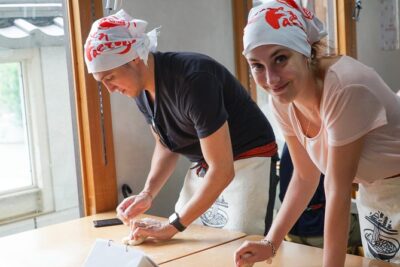
Ramen Cooking Class at Ramen Factory in Kyoto
Read our review →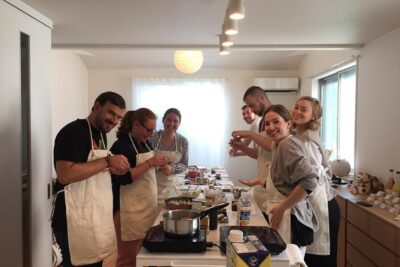
Ramen & Gyoza Cooking Class in Tokyo with Local Supermarket Visit
Read our review →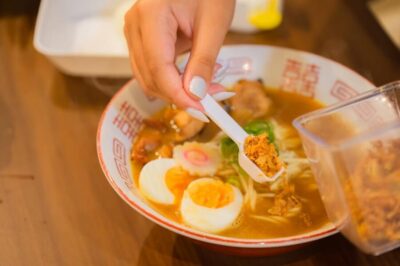
Ramen Cooking Class at a Ramen Factory with Souvenir
Read our review →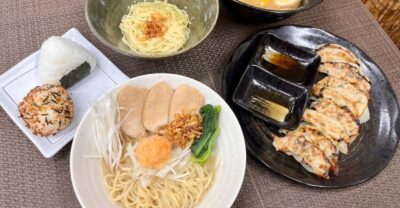
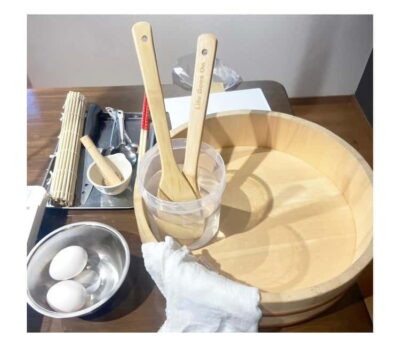
Japanese Washoku Bento Small Group Cooking Class
Read our review →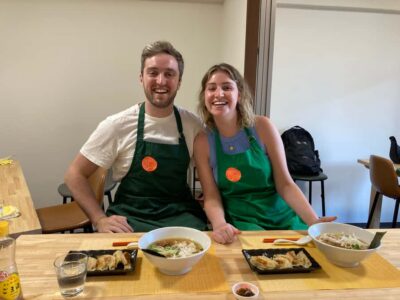
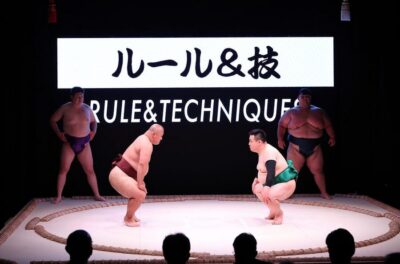
Sumo Stage Show with Bento or Snack + Fight & Photo
Read our review →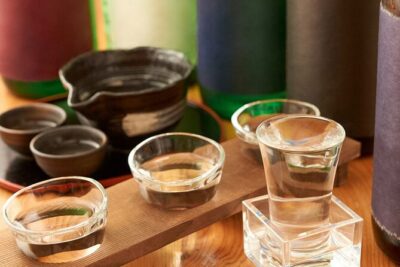
Ramen and Sushi Cooking Class with Sake Pairing Set in Tokyo
Read our review →Browse the lists this tour appears in