
Reviewed · ZEN & MEDITATION EXPERIENCES
Kyoto: Zen Meditation at a Private Temple with a Monk
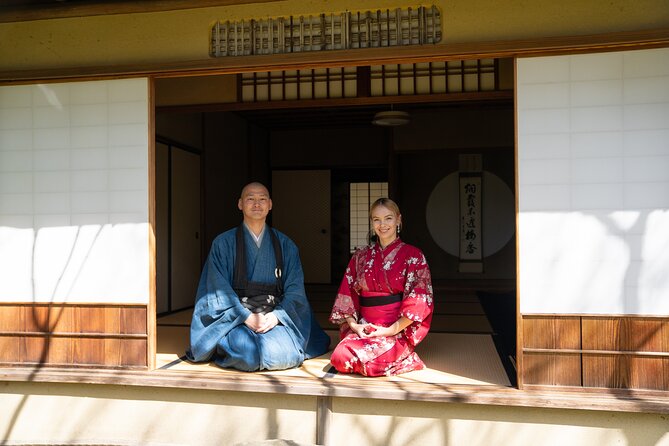
Kyoto’s best cultural moments are often quiet ones, and this 90-minute temple visit puts you in one of the city’s more unusual settings: a private temple near Kodaiji Park that is not normally open to the public. A monk explains Zen, offers practical sitting advice, and guides a meditation session before tea and traditional snacks.
I like the small group limit of nine, which suits a personal teaching session far better than a crowded sightseeing stop. I also like the balance between explanation and practice. You are not simply watching a ceremony. You hear how Zen connects with Japanese culture, then try the meditation yourself.
The main consideration is the price, $98.83 per person. That is a serious sum for an hour and a half, especially if you only want to see a temple. You are paying for rare access, a monk-led session, translation, and a focused cultural encounter, not a full day of sightseeing.
Key details to know before booking
- A private temple near Kodaiji Park: The setting is usually closed to the public, giving the visit a more personal feel than a standard temple stop.
- A monk leads the meditation: You receive practical instruction on Zen principles and how to sit correctly.
- Small groups keep the session focused: The maximum is nine people.
- Tea and snacks are included: Matcha and traditional Japanese treats follow the meditation.
- The meeting and finish are both in Higashiyama: Start at Kodaiji Park and finish on Nene-no-michi.
- Free cancellation is available up to 24 hours ahead: Late cancellations and late changes are not refunded or accepted.
A rare look inside a private Kyoto temple
The experience begins at Kodaiji Park, at 463-28 Shimokawaracho in Kyoto’s Higashiyama Ward. From there, you are taken to a nearby private temple. The exact temple name is not provided, so you should think of this as a small, location-based cultural visit rather than a tour of one of Kyoto’s major named monuments.
That distinction matters. Kyoto has no shortage of famous temples, and you can visit many of them on your own. This experience is different because access is the point. You are entering a place that is typically closed to the public, with the visit arranged around conversation, instruction, and meditation rather than a long list of buildings or gardens.
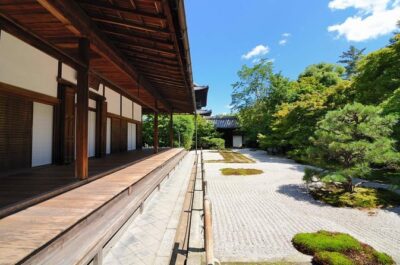
The setting is described as small, beautiful, serene, and atmospheric. Those qualities fit the purpose well. Meditation is difficult in a noisy group or beside a constant stream of people taking photographs. A private temple gives the session a quieter frame, even though you should not expect a grand sightseeing complex or a long temple tour.
You finish on Nene-no-michi, a well-known lane in the same Higashiyama area. Since the tour ends there rather than returning you to Kodaiji Park, plan your next stop in that direction. That makes it easy to continue exploring the historic streets of eastern Kyoto, but you should arrange your own onward plans.
Other temples and shrines in Kyoto people book:
- Kyoto: Tea Ceremony Ju-An at Jotokuji Temple
★ 4.9 · 3,207 reviews - Arashiyama Bamboo, Temple, Monkeys, or Secret Sake Brewery
★ 4.8 · 886 reviews - Kyoto: Arashiyama Bamboo Forest, Monkeys, Matcha & Temple Tour
★ 5.0 · 759 reviews
What happens during the 90-minute session
The visit is compact, with about an hour and a half devoted to the temple, the monk’s introduction, meditation, and refreshments. That length works well for a first encounter with Zen. You get enough time to understand the basic ideas and sit in practice, without giving up half a day of sightseeing.
The monk begins by explaining core Zen principles and offering cultural context. This is one of the experience’s strongest features. You are not asked to meditate without background. The introduction helps connect the posture, stillness, and attention to wider Japanese traditions.
The practical advice is especially useful. One session included guidance on sitting upright correctly, a small point that can make meditation far more comfortable and less confusing. A good metaphor was also used to make the practice easier to understand. Since meditation is often presented in vague or overly grand language, clear instruction can be more helpful than a long philosophical lecture.
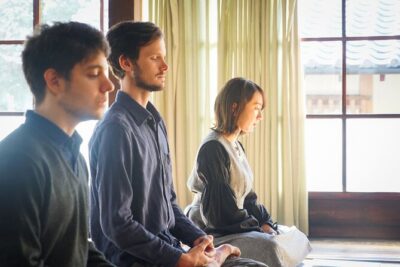
After the introduction, you try meditating in the temple. The session is suitable for newcomers and also works as a reminder for people who already have a meditation practice. You do not need to arrive with special training. The emphasis is on learning the basics and having a direct experience in a setting that supports quiet attention.
Do keep your expectations realistic. This is not a silent retreat, a multi-day Zen training course, or a formal religious initiation. It is a short introduction led by a monk, with cultural explanation and a guided period of practice. If you want a first taste of meditation in Kyoto, the format is well judged. If you already spend a great deal of time in formal Zen practice, the instruction may feel introductory.
Why the monk-led teaching matters
A temple visit can easily become a visual exercise. You see the architecture, admire the garden, and move on. Here, the monk gives you a reason to pay attention to the meaning behind the setting.
The teaching also adds a human element that an audio guide cannot match. You can hear how the monk presents Zen and how the explanations are adapted for an international audience. The available feedback points to clear translation and an educational approach, which is important because subtle ideas can be lost when translated too literally.
The monk is described as genuine, insightful, and approachable. Those qualities matter more here than a long list of credentials. You are looking for someone who can explain an unfamiliar practice without making it feel remote or overly formal.
The session also gives you a useful lesson in restraint. You may come expecting an impressive ritual, but the memorable part is likely to be simple: how you sit, where you place your attention, and how you understand stillness. That can make the experience feel more personal than another stop where you only take in the scenery.
Matcha and traditional snacks after meditation
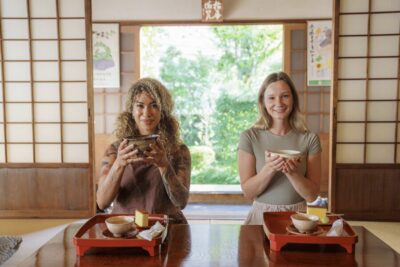
The included matcha tea and traditional snacks are small details, but they improve the rhythm of the visit. After sitting quietly, a cup of tea gives you time to return to ordinary conversation and consider what you have just learned.
This is not presented as a full meal, so do not book it in place of lunch. Think of the refreshments as part of the cultural exchange. Matcha is closely tied to Japanese tea traditions, and sharing tea in a temple setting gives the visit a graceful ending.
The snacks also help keep the experience from feeling too austere. Meditation can sound intimidating to people who have never tried it. Tea and sweets make the occasion more welcoming without turning it into a casual food tour.
Because the duration is short, the refreshments should be viewed as an included cultural touch rather than a major part of the price. The real value remains the private access and the monk’s instruction.
Other quiet hours in Kyoto:
- Kyoto Zen Meditation & Garden Tour at a Zen Temple with Lunch
★ 5.0 · 441 reviews - Kyoto: Zen Experience in a Hidden Temple
★ 5.0 · 437 reviews - Kyoto: Tea Ceremony Meditation – Make Matcha with Tea Master
★ 4.8 · 406 reviews - Kyoto: Zen Meditation at a Private Temple with a Monk
★ 5.0 · 202 reviews
The value of $98.83 per person
At $98.83 per person, this is not a budget temple stop. Kyoto has many temples you can visit for a modest admission fee, and some can be explored at no cost. If your only goal is to see traditional architecture, spend your money elsewhere.
The price makes more sense if you value access and personal guidance. You are paying for a private location that usually does not welcome the public, a monk-led introduction, meditation instruction, translation, a small group, and tea with snacks. Those elements are hard to reproduce by walking into a regular temple on your own.
The maximum group size of nine is important. A large group would make a sitting practice feel impersonal and could limit your chance to follow the explanations. With fewer people, the session can feel more like a lesson than a performance.
I would see this as a special-interest experience rather than a general sightseeing bargain. It suits you if Zen, Japanese culture, or mindful travel is high on your list. It is less suitable if you are trying to cover as many famous Kyoto sights as possible on a tight budget.
The 5 out of 5 score from 25 ratings supports the idea that the format delivers what it promises, particularly the monk’s guidance, the intimate temple setting, and the accessible meditation instruction. Still, ratings do not change the basic cost calculation. Decide first if this kind of personal cultural encounter matters to you.
Meeting in Higashiyama and finishing on Nene-no-michi
You meet at Kodaiji Park in Higashiyama. The provided meeting address is 463-28 Shimokawaracho, Kyoto, 605-0825, Japan. Make sure you arrive at the stated meeting point rather than going directly to a temple you think might be the destination, since the private location is described as nearby and is not identified by name.
The experience finishes on Nene-no-michi in Shimokawaracho. This is useful to know when planning your day. You will not finish at the original meeting point, so allow time for your next activity from Nene-no-michi.
The location makes sense for a Kyoto itinerary focused on eastern Kyoto. You can pair the session with other Higashiyama sights before or after it, but keep your schedule flexible enough to reach Kodaiji Park on time. The experience itself lasts about 90 minutes, though you should allow extra time for finding the meeting point and moving between the park and temple.
A mobile ticket is provided, which keeps the booking simple. Confirmation arrives at the time of booking. Most people can take part, according to the supplied participation information, but the experience does not give more detailed guidance about mobility needs or specific physical accommodations. If you have concerns, contact the provider before booking.
Who will get the most from this experience
This is a strong choice for you if you want more than photographs and brief temple visits. It suits first-time meditators, people curious about Zen, and anyone who values a direct conversation with a local religious teacher.
It also works well for couples, friends, or solo visitors who prefer small cultural activities. The group limit keeps the atmosphere personal, and the tea gives you a natural moment to talk afterward.
The experience may be especially useful during a busy Kyoto itinerary. After several crowded sights, a quiet session can change the pace of your day. You will need to be willing to sit still and listen, though. If you find guided meditation uncomfortable or simply want sightseeing action, the format may not hold your attention.
Families with children should consider the child’s patience and interest. The available information says most people can participate, but it does not provide a minimum age or child-specific program. Since the session centers on explanation and meditation, it is likely best for anyone who can engage respectfully with a quiet activity.
Practical booking advice and cancellation terms
The experience offers free cancellation if you cancel at least 24 hours before the start time. Canceling less than 24 hours ahead does not qualify for a refund, and changes made inside that window are not accepted.
That policy is fairly flexible for a scheduled cultural appointment, but Kyoto plans can change when rain, fatigue, or delayed trains affect your day. I would book it for a day when you can protect the appointment rather than squeezing it between several timed attractions.
The maximum group size is nine, and confirmation is issued when you book. Since the location is private and the meeting point is specific, keep the mobile ticket available and check the meeting details before setting out.
Should you book this private temple meditation?
Book it if you want a personal encounter with Zen, value access to places normally closed to the public, and are happy to pay for instruction rather than simply temple admission. The monk’s practical advice, clear translation, and welcoming approach are the heart of the experience.
Skip it if your Kyoto budget is tight, you have no interest in meditation, or your main goal is to see major landmarks. At $98.83, this needs to be a meaningful part of your trip, not an impulse purchase.
For the right person, the appeal is simple: a small group, a private temple, a monk who explains the practice, time to try it yourself, and tea afterward. That is a focused and memorable way to spend 90 minutes in Higashiyama.
FAQ
Where does the experience begin?
It begins at Kodaiji Park, at 463-28 Shimokawaracho, Higashiyama Ward, Kyoto, 605-0825, Japan.
Where does the experience finish?
The experience finishes on Nene-no-michi in Shimokawaracho, Kyoto.
How long does the experience last?
The visit lasts approximately 1 hour and 30 minutes.
How many people can join?
The group can include a maximum of nine participants.
Is the temple open to the general public?
The temple is typically closed to the public, and this experience provides access to it.
What is included after meditation?
You receive matcha tea and traditional snacks after the meditation session.
Is a mobile ticket available?
Yes. The experience includes a mobile ticket, and confirmation is received at the time of booking.
Can I cancel for a full refund?
Yes, if you cancel at least 24 hours before the experience start time. Cancellations and changes made less than 24 hours ahead are not refunded or accepted.
More temples and shrines elsewhere in Japan
- Osaka/Kyoto: Arashiyama, Nara & Fushimi Inari Shrine w/Lunch
★ 4.4 · 754 reviews - Kyoto: Ninnaji Temple Entry Ticket
★ 4.2 · 650 reviews - KYOTO Tea Ceremony with kimono near by Imamiya Jinjya Shrine
★ 5.0 · 343 reviews - Kyoto: 3-Hour Fushimi Inari Shrine Hidden Hiking Tour
★ 4.9 · 270 reviews
Just added in Kyoto
- Private Cooking Class Udon in Kyoto Japan★ 5.0 · 23 reviews
- Your Private Vacation Photography Session In Kyoto★ 5.0 · 110 reviews
- Private Pewter Sake Cup Experience with a Kyoto Artisan★ 5.0 · 31 reviews
- Kyoto Wagashi(Japanese sweets) Cooking Class near Fushimiinari★ 5.0 · 60 reviews
- Kyoto:Family-Friendly Kimono & Yukata Experience at WARGO★ 5.0 · 147 reviews
- Private Guided Traditional Buddhist Cooking in Japan★ 5.0 · 16 reviews
- Kyoto: Gion Geisha District & Sake-in-Hand Walking Tour★ 5.0 · 37 reviews
- Traditional Japanese Washi Papermaking- Kyoto morning★ 5.0 · 77 reviews
Zen & Meditation Experiences, compared.
Kyoto Zen Meditation & Garden Tour at a Zen Temple with Lunch
Read our review →

Tea Ceremony Meditation – Make Matcha with Tea Master
Read our review →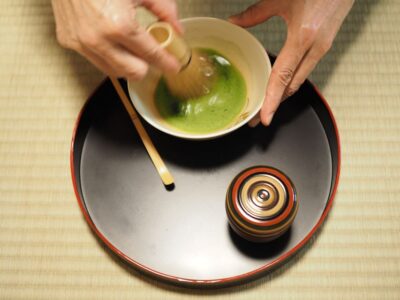
4.5-Hour Kyoto Bike Tour with Lunch and UNESCO Zen Temples
Read our review →
Browse the lists this tour appears in