
Reviewed · TSUKIJI & TOYOSU FISH MARKET TOURS
Tokyo Tsukiji Fish Market Tour and Sushi Making Lesson
Tsukiji is best understood with a guide who knows which stalls welcome curious visitors and which foods are worth trying. This three-hour outing pairs a walk through the Tsukiji Outer Market with a hands-on class at ABC Cooking Studio, where you may make sushi, tamagoyaki, miso soup, and side dishes.
I like the easy mix of tasting and cooking, and I like the small maximum of six people. Guides such as Akiko, Lucy, Nobu, Yoko, and Shitomi have been praised for friendly explanations and useful help with Japanese foods. The main drawback is value: the class is fairly basic for anyone already comfortable making sushi, and the market visit does not include the ingredients used in class.
- Market sampling: Browse seafood, dried foods, sweets, and cooking ingredients with help from an English-speaking guide.
- A short temple stop: Begin near the unusual Indian and South Asian inspired Tsukiji Hongwanji Temple.
- Hands-on Japanese cooking: Prepare sushi, tamagoyaki, miso soup, and other dishes under an instructor’s direction.
- Small-group format: The activity accepts no more than six people, allowing room for questions and assistance.
- Lunch with a drink: Eat what you prepare with wine, plum sake, or a soft drink.
- Important limits: Tuna auction viewing is not included, and children must be at least 9 years old and 130 centimeters tall.
Why This Tsukiji Experience Works
At $99.49 per person, this is not a cheap market walk. You are paying for a guide, translation help, transport between the market and cooking studio, an apron, ingredients, instruction, and a prepared meal.
The price makes more sense if you want two activities in one morning and would otherwise book a separate cooking class. It is less compelling if you mainly want to browse Tsukiji or if you already make maki rolls and omelets at home.
The strongest part is the pairing. The market gives you a look at the ingredients and food culture, while the class turns that interest into something you can repeat at home. You do not simply eat lunch and move on. You practice several basic techniques, then eat the results.
The public rating is 4.9 from 390 ratings, with 97 percent recommending the experience. That points to a consistently well-liked activity, though the lower ratings offer a useful warning: the amount of food and the level of instruction may feel modest for some people.
Starting at Tsukiji Hongwanji Temple
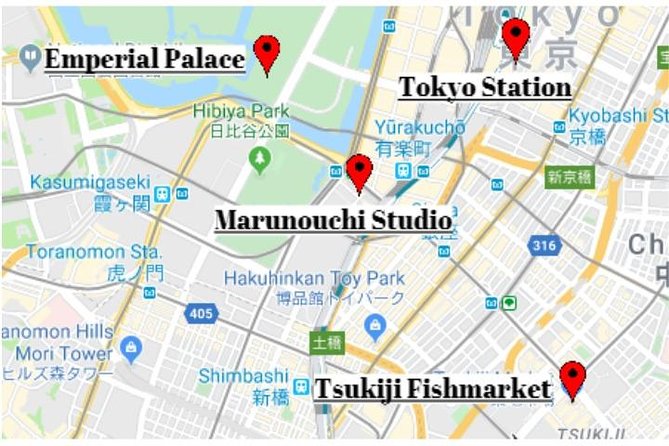
Meet outside Tsukiji Hongwanji Temple, at 3-chōme-15-1 Tsukiji. The temple is worth a few minutes before the market walk. Its exterior draws on South Asian and Indian design, which makes it look quite different from the wooden temple buildings many visitors expect in Tokyo.
The stop lasts about five minutes and admission is free. It is not a full temple visit, but it gives you a clear meeting landmark and a quick introduction to the district.
Arrive ready to walk. No hotel pickup is provided, though the meeting point is near public transportation. You should also leave large luggage and strollers behind, since they are not allowed on the activity.
Other market mornings in Tokyo:
- Tokyo Tsukiji Fish Market Food and Culture Walking Tour
★ 5.0 · 3,184 reviews - Tokyo: Tsukiji Fish Market Food and Walking tour
★ 5.0 · 1,724 reviews - Tokyo: Tsukiji Fish Market Guided Walking Tour
★ 4.9 · 1,397 reviews
Walking Through Tsukiji Outer Market
The market portion takes about an hour, though the operator notes that the group may spend about 70 minutes in the outer shopping area instead. This is the part where a local guide can save you time and uncertainty.
Tsukiji’s wholesale market moved to Toyosu, but the Outer Market remains a major food district. Its narrow lanes hold seafood shops, produce sellers, dried food stalls, kitchenware, sweets, and small places selling ready-to-eat bites. You may see tuna, sea urchin, octopus, dried scallops, beans, and other ingredients arranged for sale.
The guide’s job is not simply to point at fish. You can ask what an unfamiliar item is, how it is eaten, and which stalls offer samples. Several guides have been singled out for this practical help. Akiko, for example, has taken groups to favorite sampling spots, while Lucy has helped visitors understand foods and communicate with sellers. Other guides named in the feedback include Nobu, Yoko, Shitomi, and Miho.
Sampling can include tamagoyaki on a stick, dried seafood, beans, mochi, and other small bites. The exact selection changes with the season and what is available that day. You can also buy food during the walk, but the market shopping is not presented as a formal ingredient-buying trip for the cooking class.
That distinction matters. Some people expect to choose fish at Tsukiji and then use it in their sushi lesson. This experience does not promise that. If shopping and eating are your main goals, you could visit the Outer Market on your own before or after the tour. The guide adds translation, direction, and local suggestions, but the market itself is open to independent visitors.
I suggest eating a light breakfast. The tasting stops are small, yet they add up. One useful plan is to keep your morning flexible and avoid booking a heavy lunch immediately afterward.
The Ride to ABC Cooking Studio
After the market, you travel with the guide to ABC Cooking Studio. Transportation between Tsukiji Market and the studio is included. The transfer is practical, but it also means the cooking school is not right beside the market.
One person specifically wished the kitchen were closer. That is a fair point if you picture the whole activity as one compact Tsukiji visit. On the other hand, the studio offers a clean, bright, professional setting designed for instruction, which is more useful for cooking than a cramped market stall would be.
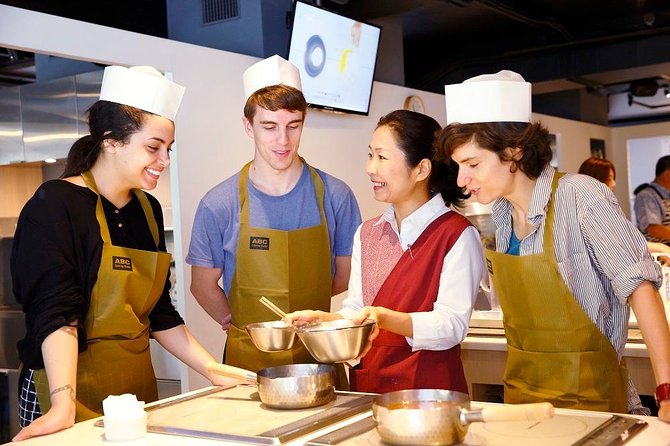
ABC Cooking Studio is a large Japanese cooking school with studios around Japan and elsewhere in Asia. The activity takes place in one of these purpose-built classrooms, not in a private home. You receive an apron, and drinking water is available.
Expect a lesson built for beginners. The instructor demonstrates each step, then helps you work through it. English ability can vary by guide and instructor, though the strongest experiences feature clear explanations and patient assistance. If you have special ingredient needs, you can ask about alternatives. Ingredients may change with the season, availability, or the day’s planned menu.
Making Sushi, Tamagoyaki, and Miso Soup
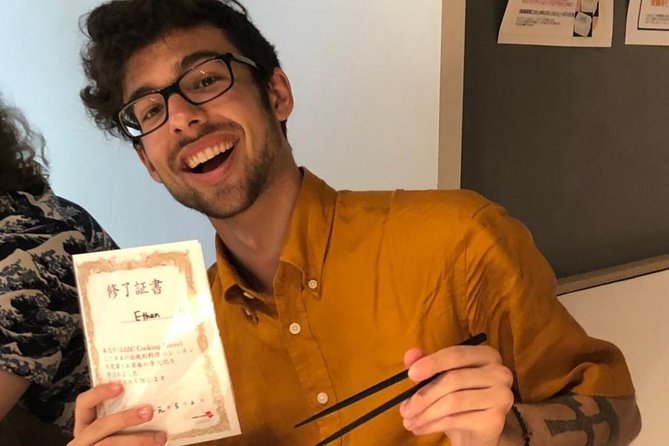
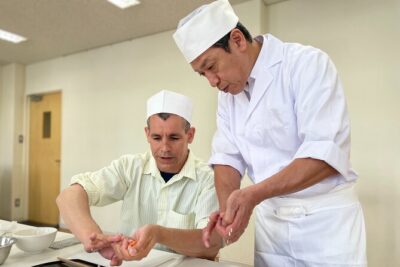
The cooking lesson lasts about 90 minutes. The menu commonly includes sushi rolls and tamagoyaki, the Japanese rolled omelet. Other dishes may include nigiri sushi, miso soup, stock, and side dishes.
Tamagoyaki is one of the more useful skills to take home. The egg is cooked in layers and rolled into a neat block, requiring timing and a steady hand. One young participant became interested enough to want a tamagoyaki pan at home. You may not become an expert in one lesson, but you will understand the basic process.
The sushi portion is also designed for first-timers. You may prepare rolled sushi and nigiri, depending on the day’s menu. The emphasis is on basic assembly and traditional home-style methods rather than advanced sushi-counter technique.
That makes this class a strong choice for families and beginners. Children aged 9 and older can participate if they are at least 130 centimeters tall. Several families have enjoyed the activity because the food lesson keeps children involved without requiring a full day of museum-style sightseeing.
If you already make sushi regularly, manage rice seasoning confidently, or have taken several Japanese cooking classes, you may find the lesson too simple. One lower-rated experience described the food as basic and wished for more discussion of sushi customs and traditions. That criticism is worth taking seriously. The class teaches useful actions, but it is not a specialist seminar on knife skills, fish preparation, or regional Japanese cuisine.
The amount of cooking also varies in how it feels. Some people have described the session as genuinely hands-on, while others felt they did not make enough food for the price. Your satisfaction will depend partly on what you expect. Think of this as a guided introduction, not an intensive culinary workshop.
Other classes behind the counter in Tokyo:
- Sushi Making Tokyo Roll and Authentic Japanese Sushi Class
★ 5.0 · 3,971 reviews - Tokyo: Roll and Authentic Sushi Making Class in Asakusa
★ 4.9 · 1,957 reviews - Tokyo: Sushi Making Class in a Happi Coat near a Famous Spot
★ 4.9 · 1,377 reviews - Tokyo Sushi Making Class in Tsukiji with Professional Chef
★ 5.0 · 1,177 reviews
Eating the Food You Make
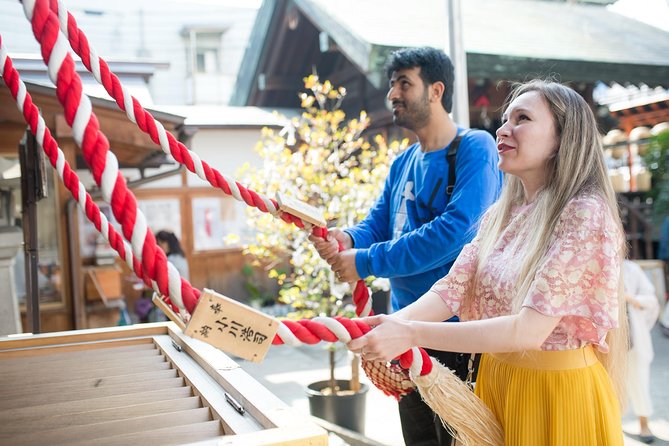
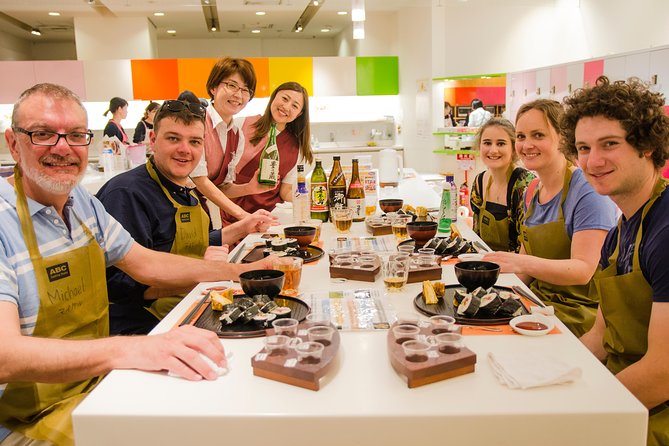
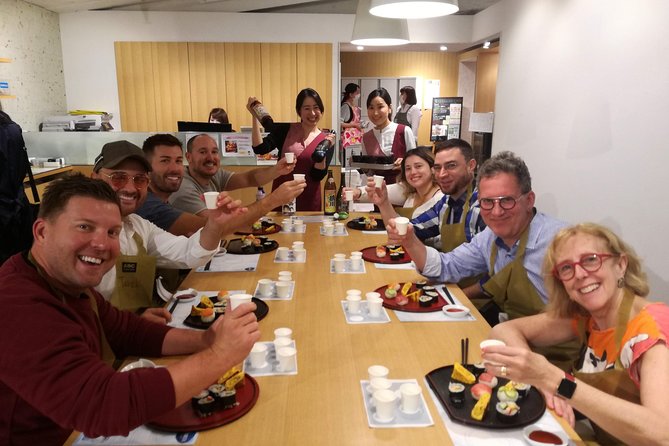
The final reward is lunch at the studio. You sit down with the sushi, omelet, soup, and side dishes prepared during the lesson. Drink choices include wine, plum sake, or soft drinks.
This meal gives the class a clear finish. You can see how the separate steps fit together, and you leave with more than a quick demonstration. It is also a sensible way to judge your own work. Uneven rolls and slightly lopsided omelets are part of the fun.
The meal is not intended as a large restaurant feast. If you want a broad sushi tasting or premium sashimi, this is the wrong format. The focus is on preparing a small Japanese meal and enjoying it together.
What the Small Group Adds
The maximum group size is six. That limit matters more in the kitchen than in the market. At a busy food district, a larger group can still move through the lanes, but a small class gives you more chances to ask for help and get your hands on the ingredients.
The guides have also helped groups with different needs. One booking involved two families who had reserved separately and initially were not placed together. After some phone calls, the operator managed to bring the group together. If you are arranging more than one booking, have one person reserve for the whole party or contact the operator right away to request the same group.
The small-group format does not guarantee a private tour. It simply keeps the group limited. The minimum is two participants, so the activity may be canceled if that number is not reached.
Who Should Book This Experience
I would choose this for first-time visitors who want an organized introduction to Tsukiji and Japanese home cooking. It suits people who enjoy tasting unfamiliar foods, asking questions, and learning by doing.
Families with older children are another good match. The age and height limits are clear, and the cooking keeps the experience active. It also works well for couples or friends who want a food activity that ends before the rest of the day’s sightseeing.
I would hesitate if you are primarily interested in the tuna auction. Tuna auction viewing is not included. I would also hesitate if you want to select your own fish for the class, study sushi traditions in depth, or eat a large amount of premium seafood.
English support is a major benefit, but do not expect every explanation to have the same level of detail. Some guides and instructors communicate very clearly, while others may offer simpler explanations. You can improve the experience by asking direct questions about ingredients, preparation, and market customs.
Practical Details Before You Book
The activity lasts about three hours, with roughly five minutes at the temple, one hour in the market, and 90 minutes at the cooking studio, plus transport. The end point is different from the meeting point, so do not plan around returning to Tsukiji.
A mobile ticket is accepted. Confirmation is provided at booking, and the experience is near public transportation. Wear comfortable shoes and clothing suitable for walking and cooking.
The market is an active working shopping district, not a quiet food museum. Lanes can be tight, and you should stay close to the guide. Leave luggage and strollers at your accommodation.
The tour requires good weather. If poor weather forces cancellation, you can receive a full refund or request another date. You can also cancel for a full refund up to 24 hours before the start time. Cancellations or changes made within 24 hours are not accepted for a refund.
Photography may be used by the operator for its website, social media, or advertising. If that concerns you, ask about the policy before the activity begins.
Should You Book the Tsukiji and Sushi Class?
Book it if you want a guided food morning with real participation, especially if you are new to sushi making or traveling with older children. The market guide helps you make sense of unfamiliar foods, and the cooking lesson gives you something practical to take home.
Skip it if you want an advanced culinary course, a large seafood meal, or the tuna auction. The $99.49 price is reasonable for the market guidance, transport, class, meal, and small group, but it will feel high if you only value the market walk.
My best advice is to arrive hungry but not starving, ask questions throughout the market visit, and treat the cooking class as a friendly introduction rather than professional training. With that expectation, this is a tasty and useful way to spend three hours in Tokyo.
FAQ
How long does the Tsukiji and sushi-making experience last?
The activity lasts approximately three hours, including the temple stop, market walk, transport, and cooking class.
Where does the tour begin?
It begins outside Tsukiji Hongan-ji Temple at 3-chōme-15-1 Tsukiji, Chuo City, Tokyo 104-8435, Japan.
Does the tour include the tuna auction?
No. Tuna auction watching is not included.
What food will I make?
The menu typically includes sushi rolls and tamagoyaki. Depending on the day, you may also prepare nigiri sushi, miso soup, stock, and side dishes.
Is the cooking class suitable for children?
Children must be at least 9 years old and 130 centimeters tall. The activity can accommodate a maximum of six people.
Is transportation included?
Yes. Transportation between Tsukiji Market and the cooking studio is included. Hotel pickup and drop-off are not included.
What is included with the cooking lesson?
An English-speaking guide, transportation between the market and studio, an apron, and drinking water at the studio are included. You also eat the food you prepare and can choose wine, plum sake, or a soft drink.
Can I cancel for a full refund?
Yes. You can cancel at least 24 hours before the start time for a full refund. If the operator cancels because of poor weather or because the minimum number of participants is not reached, you can receive a full refund or be offered another date or experience.
Just added in Tokyo
- Nikko: Edo Wonderland Edomura Cultural Theme Park Ticket★ 4.3 · 205 reviews
- 《MEMBERS-ONLY-BAR-HOPPING》Discover Your Special Whiskey in Tokyo!★ 5.0 · 29 reviews
- Japanese Whisky Hunting《HIGH-QUALITY-ONLY》Rare Tasting Class★ 5.0 · 20 reviews
- Luxury Tokyo Sake, Cocktail, Whisky and Pairing Tour★ 5.0 · 18 reviews
- Wagyu & Sake Pairing in Shinjuku – Steak, Shabu-Shabu & More★ 5.0 · 112 reviews
- Small-Group Wagyu Beef and 7 Japanese Dishes Tokyo Cooking Class★ 5.0 · 190 reviews
- From Tokyo: Private Tour to Fuji/Hakone – Onsen, Art, Nature★ 5.0 · 116 reviews
- Tokyo: KABUKI Show at Kabukiza Theatre Admission Ticket★ 4.8 · 152 reviews
Tsukiji & Toyosu Fish Market Tours, compared.
Tokyo Tsukiji Fish Market Food and Culture Walking Tour
Read our review →
Tokyo Sushi Making Class in Tsukiji with Professional Chef
Read our review →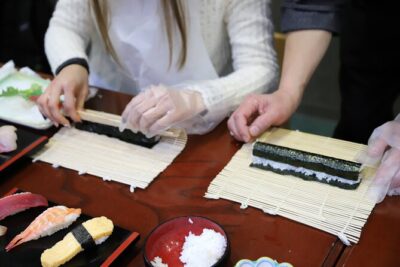
Tsukiji Fish Market Guided Tour and Sushi Making with Pro Chef
Read our review →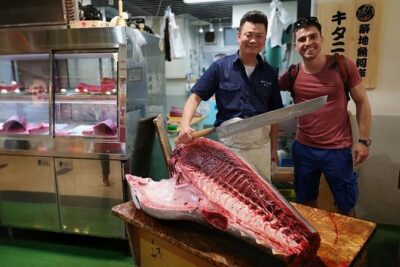
Tsukiji Fish Market Small-Group Food Walking Tour
Read our review →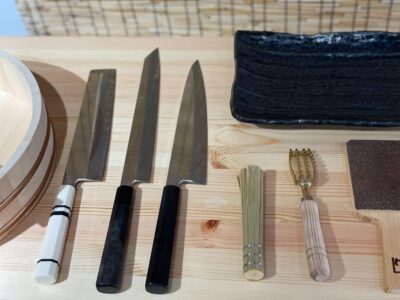
Tsukiji Fish Market Sushi Making Class with Pro Chef
Read our review →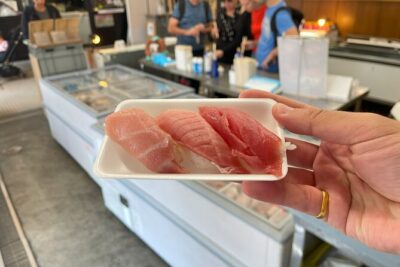
Tokyo Food Tour Taste Fresh Delights at Tsukiji Market
Read our review →Browse the lists this tour appears in