
Reviewed · COOKING CLASSES
Kyoto Home Cooking Class &Supermarket tour near Fushimiinari
The best part of this Kyoto cooking class is the setting: you prepare lunch inside a traditional Japanese home, then eat what you made in a room overlooking the garden. It feels less like a staged food show and more like being invited into a local household.
I especially like the small group limit of six and the supermarket visit at the end. You do not just follow recipes and forget them later. You learn which Japanese products to buy, how dashi works, and what to look for when you try the dishes at home. The main consideration is that the menu changes with the season, so you may not cook every dish described in older examples.
Key points at a glance
- Learn dashi first: This basic Japanese stock appears in a huge range of everyday dishes and gives the class a useful foundation.
- Cook several dishes yourself: Expect about five dishes, with examples including sushi, tempura, miso soup, rolled omelet, salad, and dessert.
- Eat in a garden-view Japanese room: Lunch takes place where the class is held, in a traditional home setting.
- Shop with a local guide: The supermarket walk helps you recognize ingredients, seasonings, produce, and packaged foods.
- English instruction for up to six people: The instructors are licensed guide interpreters, so explanations are designed to be clear.
- Vegetarian and vegan options are possible: Vegetarian dashi is used, but you should communicate your dietary needs in advance.
Why this feels like lunch at a Japanese friend’s home
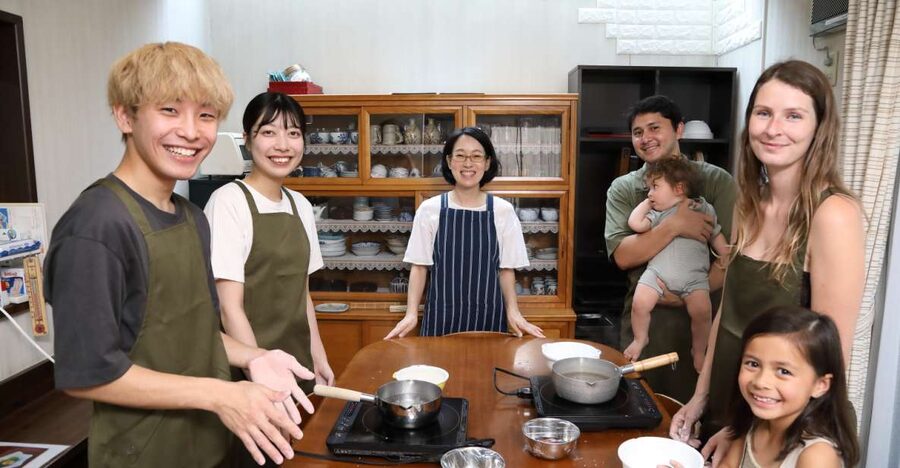
Many cooking classes take place in professional kitchens or restaurant schools. This one takes place in an authentic Japanese room with garden views, which changes the mood right away. You sit close to the cooking area, watch the demonstrations, and later eat in the same home rather than being sent to a separate restaurant.
That home setting is a big part of the value. You get a look at a style of Japanese interior that is easy to miss when your time is spent in temples, shopping streets, and hotel dining rooms. You will need to bring socks, since this is a traditional indoor setting.
The class is led by an English-speaking instructor, with Miho praised for her clear explanations, patience, and friendly manner. The instructors are licensed guide interpreters, so the lesson is not just a sequence of cooking commands. You can ask about ingredients, techniques, and how Japanese food fits into daily life.
The group size matters. With no more than six participants, you should have room to see the demonstrations and take part in the preparation. If you are traveling alone, the small format gives you a better chance to work with the instructor and meet the other people in the class. Couples and families can also participate together.
Other cooking classes in Kyoto people book:
- Ramen Cooking Class at Ramen Factory in Kyoto
★ 5.0 · 1,937 reviews - Kyoto: Ramen Cooking Class at a Ramen Factory with Souvenir
★ 4.9 · 532 reviews - Kyoto: Ramen, Gyoza, and Onigiri Cooking Class
★ 5.0 · 445 reviews
Starting with dashi, the key to Japanese flavor
The first lesson focuses on dashi, the Japanese soup stock used in many familiar dishes. This is a smart place to begin because dashi is not always obvious to a first-time cook. It can sit quietly behind miso soup, sauces, simmered foods, and other dishes, giving them a savory base without making the flavor heavy.
The class uses vegetarian dashi, which makes it suitable for vegetarian and vegan participants. You should still notify the provider in advance if you have dietary restrictions, since the exact menu may change and some dishes may include ingredients you need to avoid.
I like this part because it gives you a practical idea to take home. Japanese cooking is not only about buying sushi rice or learning how to roll food. It is also about building flavor from a few basic ingredients and using them with care.
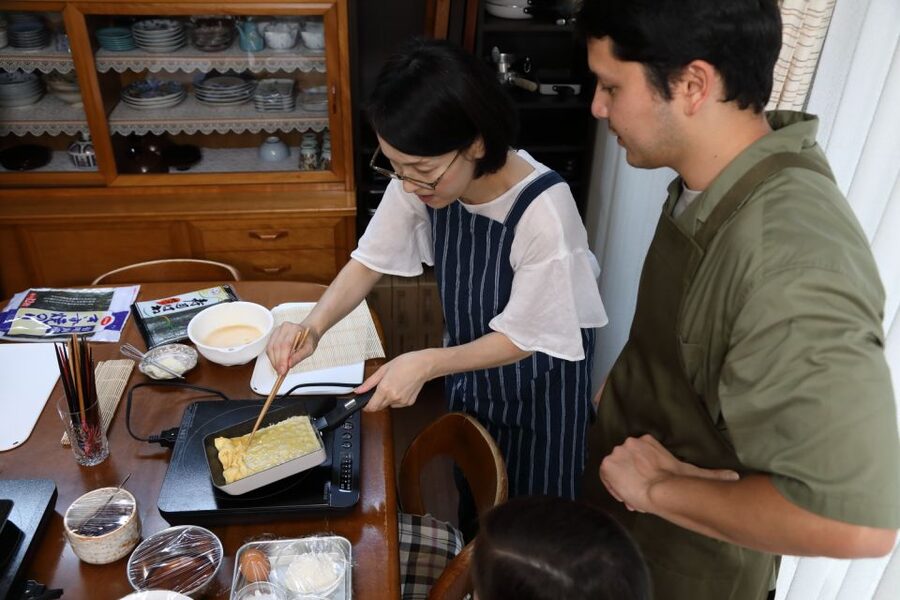
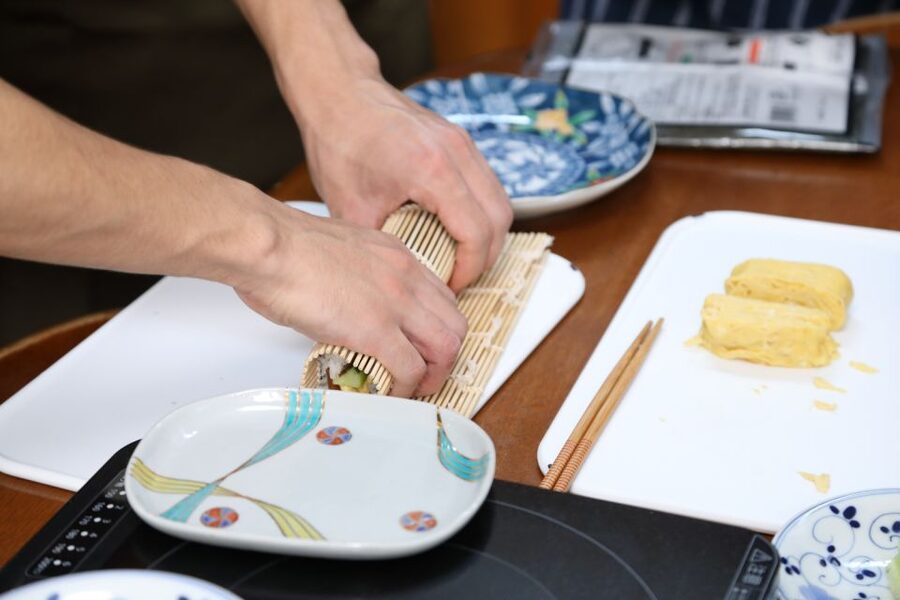
The instructor demonstrates techniques before you begin. That matters if you are new to Japanese cooking, since tasks such as preparing sushi, making a neat rolled omelet, or handling tempura can look easier than they are. You get to watch the process first, then try it with guidance.
Preparing five or more dishes by hand
The advertised format calls for about five dishes, prepared alone or with a partner. The precise menu depends on the season, so you should treat sample dishes as possibilities rather than a fixed promise.
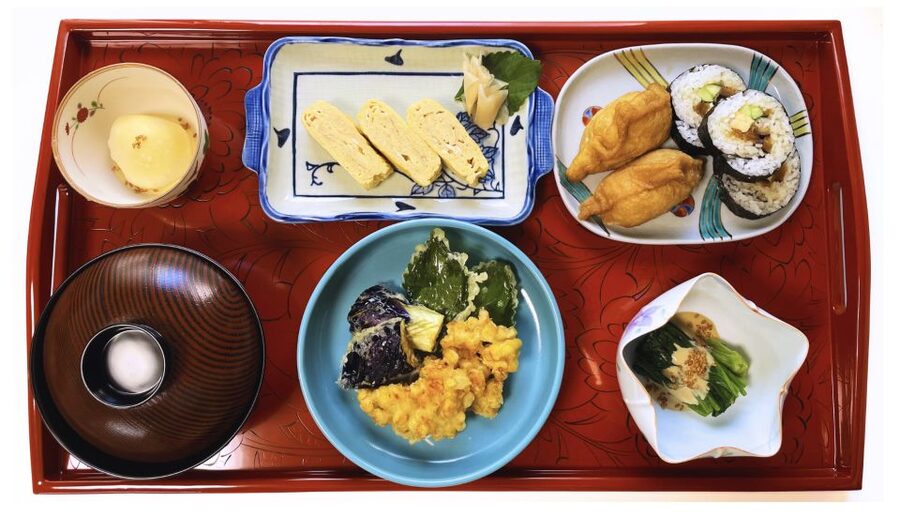
Past menus have included miso soup, tempura, sushi, Japanese rolled omelet, salad, mochi, and other desserts. One class included seven dishes, while another focused on a smaller set. The common thread is variety: you are not spending four hours making one complicated recipe.
The instructor handles the demonstrations, then gives you time to prepare the food. This hands-on approach is more useful than watching a chef do everything while you take photographs. You can practice basic steps, receive corrections, and learn how the ingredients behave.
A Japanese omelet is a good example of the kind of skill you may pick up. It requires more control than an ordinary scrambled egg, and the finished shape depends on timing and technique. Sushi and tempura also give you different types of practice, from handling rice to preparing food for frying.
The recipes are provided afterward, which makes the class more useful once you return home. You are not expected to memorize every measurement during a busy morning. Keep your recipes and use the supermarket tour to match them with products you can find again.
Eating what you made in a garden-view room
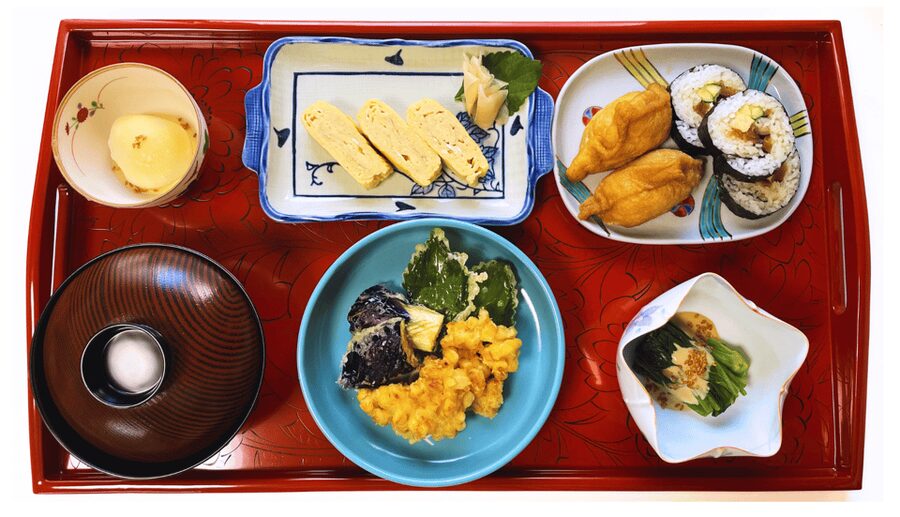
Once the cooking is finished, you sit down together and eat the meal in a traditional Japanese room with a view of the garden. This is not a rushed tasting between demonstrations. Lunch is part of the experience, and it gives you time to enjoy the food and talk with the group.
The setting adds something that a standard cooking school may not provide. You see the dishes in the sort of calm home environment where Japanese meals are meant to be enjoyed. The garden view also gives the meal a sense of place without requiring another stop on your busy Kyoto schedule.
I would keep your expectations sensible. This is a home cooking lesson, not a fine-dining restaurant. The point is to understand the ingredients and methods, then enjoy the results of your own work. If you want a polished restaurant meal with a long tasting menu, spend your money elsewhere.
For many people, the meal will be the most satisfying moment of the morning. You have prepared the food yourself, and the instructor can explain what you are eating. That makes the lunch feel personal rather than simply presented to you.
More cooking in Kyoto:
- Kyoto: Japanese Washoku Bento Small Group Cooking Class
★ 5.0 · 380 reviews - Kyoto Ramen and Gyoza Cooking Class with Professional Chefs
★ 5.0 · 282 reviews - Kyoto: Afternoon Japanese Izakaya Cooking Class
★ 4.9 · 241 reviews - Izakaya Style Cooking Class
★ 5.0 · 219 reviews
The supermarket visit makes the class practical
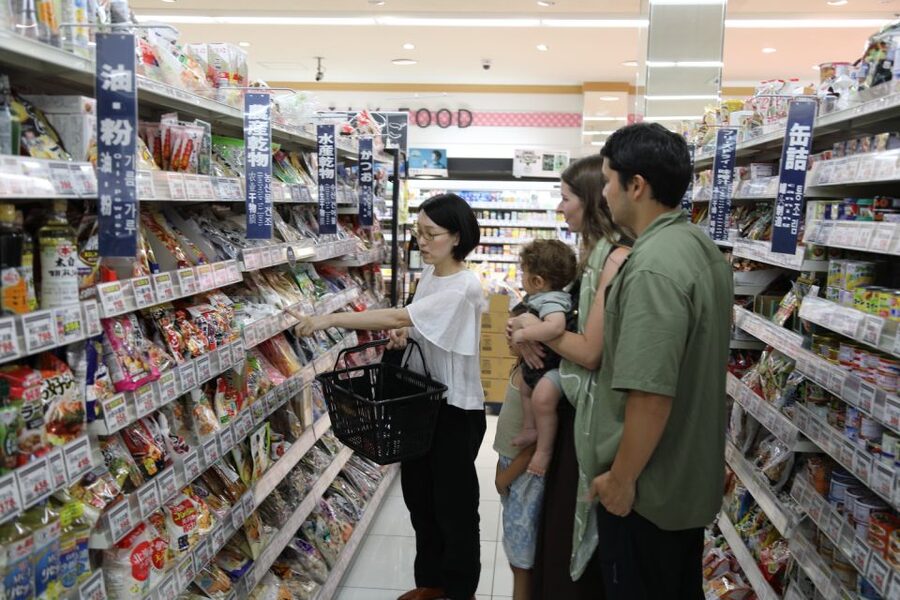
After lunch, you visit a local supermarket with the instructor. This is one of the strongest features of the experience because Japanese food shops can be confusing even if you are familiar with the cuisine.
Miho can help identify the ingredients used in the class and explain other products along the aisles. You may see unfamiliar seasonings, vegetables, spices, packaged foods, and cooking staples. The tour is not limited to pointing out one brand of miso or one packet of noodles. It helps you understand what Japanese shoppers see as ordinary food.
This stop also bridges the gap between a holiday activity and your life at home. You can buy ingredients for your family and friends, then use the recipes after you return. If you have ever come home from Japan with a bag of attractive but mysterious food products, this guidance can save you some guesswork.
The supermarket visit is also useful for people who already cook Japanese food. You may learn which products are easy to find, what labels to look for, and how ingredients used in the class fit into everyday shopping.
The walk takes place after the cooking and meal, so plan on four hours for the complete experience. The class does not include hotel pickup or drop-off. You need to make your own way to the meeting point near Fushimi Inari, and you should check the exact start time and location when booking.
How much value do you get for $127?
At $127 per person, this is not a cheap lunch. You are paying for a four-hour small-group lesson, all ingredients and seasonings, lunch, English instruction, access to a traditional home, and the supermarket visit.
The price looks stronger when you consider what is included. A short demonstration followed by lunch would offer less value. Here, you prepare several dishes, learn about dashi, receive recipes, eat the food, and get help finding the ingredients afterward.
The maximum group size of six is important to the calculation. You are not one person in a large class trying to see over other people’s shoulders. You should receive direct guidance, though the amount of individual attention will still depend on the number of participants and the menu that day.
I would recommend the class most strongly to people who want to cook Japanese food after their trip. If you only want a quick cultural activity, the four-hour length and price may feel like too much. If you want skills, recipes, and a better understanding of Japanese supermarket food, the package is easier to justify.
The included lunch also means you do not need to arrange a separate midday meal. Still, gratuity is not included, and you should budget for that if you feel the instructor provided good service.
Who should book, and who should think twice?
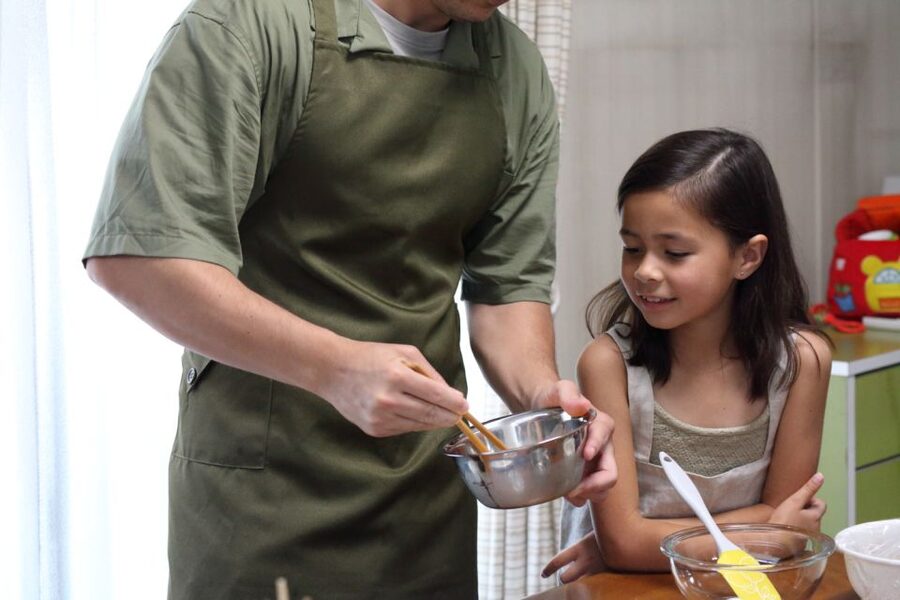
This class suits food-focused visitors, couples, solo visitors, and families with older children. Children aged 12 and below must participate with a guardian, and children under six cannot take part. One family with three young children received a menu adjustment and patient instruction, but you should still confirm that the format works for your children before booking.
Vegetarians and vegans can be accommodated because vegetarian dashi is used. Tell the provider in advance so the menu can be planned properly. The menu may differ by season, so this is not the right choice if you need a fixed list of dishes.
The experience is conducted in English, and non-English speakers may also participate according to the activity information. The instructor’s role as a licensed guide interpreter is helpful if you want cultural explanations along with cooking instruction.
This activity is not suitable for wheelchair users. The traditional home setting may also be less convenient for anyone who has difficulty sitting or moving in a typical Japanese interior, although the available information does not give detailed seating or step information. Ask the provider directly if this is important for you.
Bring socks. That small instruction matters in a Japanese home and is easy to overlook when packing for a day of sightseeing.
A smart way to fit it into your Kyoto plans
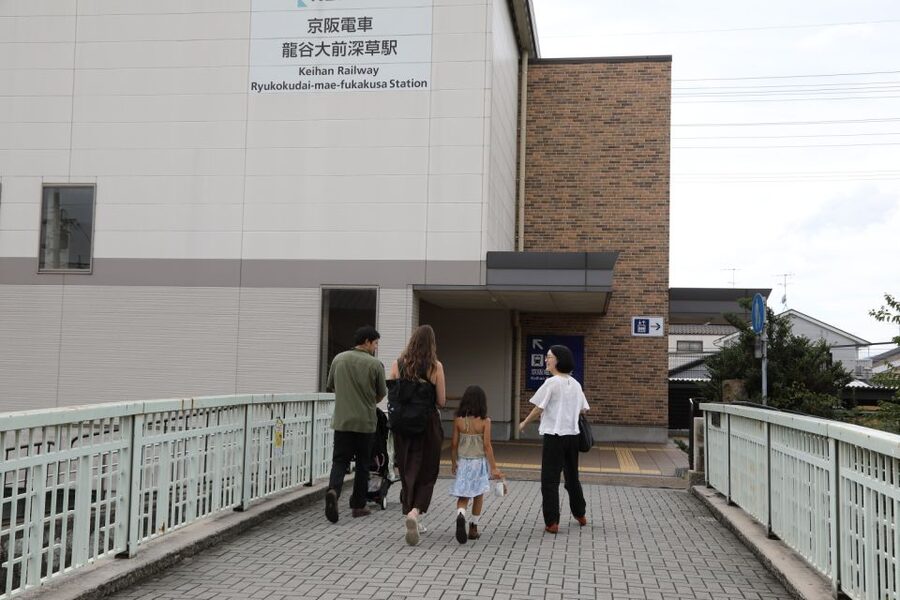
The class is near Fushimi Inari, so it can pair naturally with time in that part of Kyoto. Since the activity lasts four hours, do not squeeze it between two distant reservations. Give yourself enough time to reach the meeting point and continue afterward without rushing.
You might schedule the class on a morning when you plan to explore Fushimi Inari later, or use it as the main activity for that part of the city. The supermarket visit completes the lesson, so leaving early would mean missing one of the most useful parts.
The cooking itself is active, but the pace should be manageable because the instructor demonstrates each part before you begin. You will spend time watching, preparing, eating, and walking through the supermarket. Wear comfortable clothing and remember the required socks.
A small group also means the class depends somewhat on the people attending that day. If everyone wants to cook and ask questions, the four hours should feel full. If you prefer to work entirely alone, remember that some dishes may be prepared with a partner.
Should you book this Kyoto cooking class?
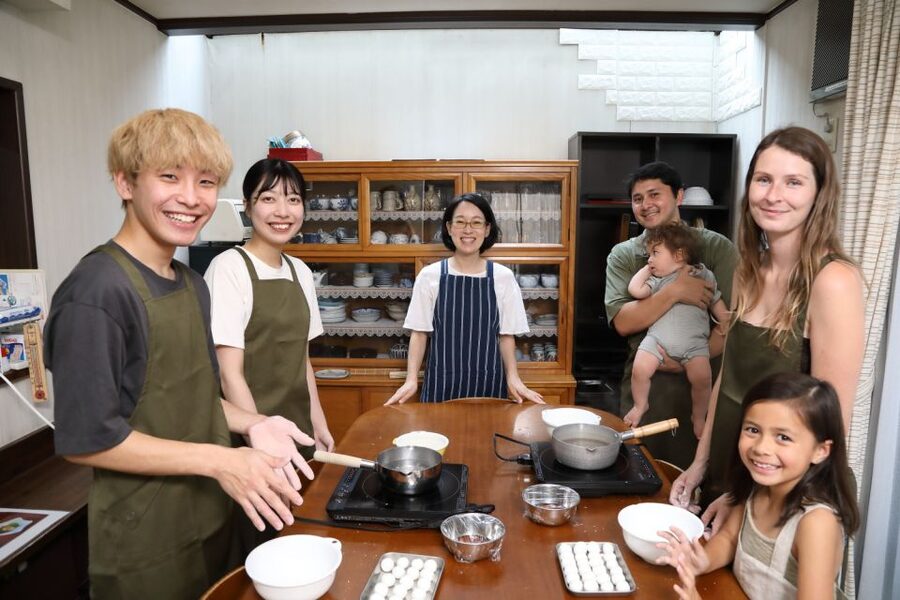
I would book it if you want more than a photograph and a meal. The combination of dashi instruction, hands-on cooking, lunch in a traditional Japanese home, recipes, and supermarket guidance gives you something useful to take home.
The biggest strengths are Miho’s patient teaching, the intimate group size, and the practical shopping lesson. The main limits are the $127 price, the changing seasonal menu, the four-hour commitment, and the lack of wheelchair suitability.
Book this class if Japanese food is part of why you came to Kyoto, especially if you want to recreate the dishes for family and friends. Skip it if you are looking only for a quick activity, a fixed menu, or a restaurant-style meal. For a food-minded visitor who values local contact and practical skills, this is a strong use of half a day near Fushimi Inari.
FAQ
How long does the Kyoto cooking class last?
The complete experience lasts four hours, including the cooking lesson, lunch, and local supermarket visit.
How much does the experience cost?
The price is $127 per person.
How many people can join the class?
The class has a maximum of six participants, making it a small-group experience.
Is the class taught in English?
Yes. The instruction is in English, and the instructors are licensed guide interpreters.
What dishes will I cook?
You will prepare about five dishes, but the menu changes with the season. Examples can include sushi, tempura, miso soup, Japanese rolled omelet, salad, mochi, and dessert.
Is lunch included?
Yes. Lunch, along with all seasonings and ingredients used in the class, is included.
Can vegetarians and vegans participate?
Yes. Vegetarian dashi is used, and vegetarian and vegan participants are welcome. Tell the provider about your dietary needs in advance.
What should I bring?
Bring socks for the traditional Japanese home setting.
Can children join the class?
Children aged 12 and below must participate with a guardian. Children under six are not permitted to join.
Just added in Kyoto
- Private Cooking Class Udon in Kyoto Japan★ 5.0 · 23 reviews
- Your Private Vacation Photography Session In Kyoto★ 5.0 · 110 reviews
- Kyoto: Zen Meditation at a Private Temple with a Monk★ 5.0 · 25 reviews
- Private Pewter Sake Cup Experience with a Kyoto Artisan★ 5.0 · 31 reviews
- Kyoto Wagashi(Japanese sweets) Cooking Class near Fushimiinari★ 5.0 · 60 reviews
- Kyoto:Family-Friendly Kimono & Yukata Experience at WARGO★ 5.0 · 147 reviews
- Private Guided Traditional Buddhist Cooking in Japan★ 5.0 · 16 reviews
- Kyoto: Gion Geisha District & Sake-in-Hand Walking Tour★ 5.0 · 37 reviews
Cooking Classes, compared.
Ramen Cooking Class at Ramen Factory in Kyoto
Read our review →
Ramen & Gyoza Cooking Class in Tokyo with Local Supermarket Visit
Read our review →
Ramen Cooking Class at a Ramen Factory with Souvenir
Read our review →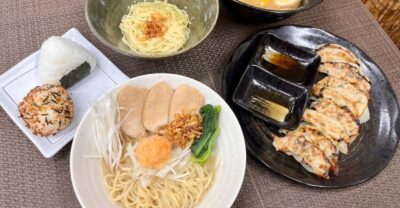
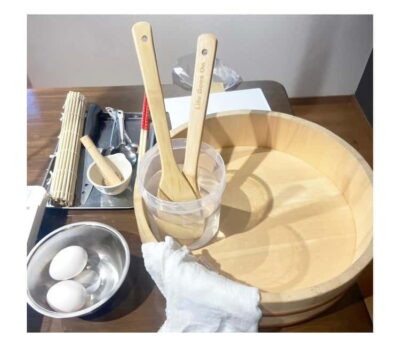
Japanese Washoku Bento Small Group Cooking Class
Read our review →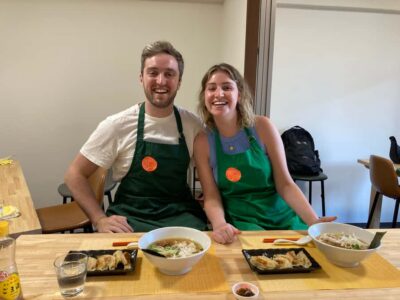
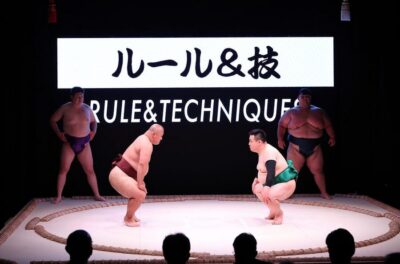
Sumo Stage Show with Bento or Snack + Fight & Photo
Read our review →
Ramen and Sushi Cooking Class with Sake Pairing Set in Tokyo
Read our review →Browse the lists this tour appears in