
Reviewed · ZEN & MEDITATION EXPERIENCES
Kyoto: Zen Meditation and Garden Tour at a Temple with Lunch
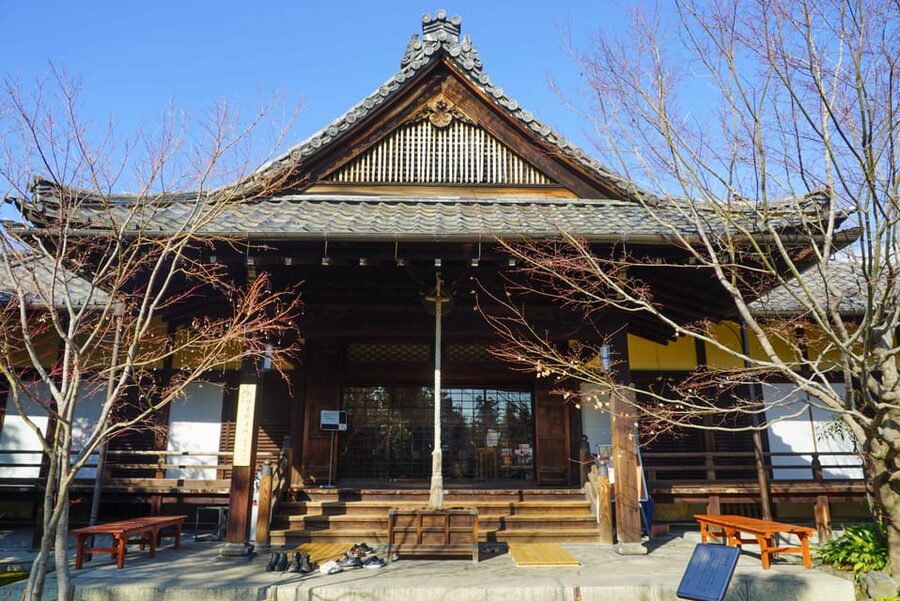
Kyoto’s Zen tradition makes more sense when you see it, sit with it, and then eat it. This half-day experience begins in the quiet garden of Komyo-in, continues through Tofukuji Temple, and reaches its heart with one hour of zazen meditation beside a Zen monk. It ends with a traditional Buddhist lunch.
I like the small maximum group of seven and the way guides such as Yutaka, Eri, Louis, and Tammy explain Buddhist ideas in plain English. I also like the mix of garden, temple architecture, meditation, and food. The main consideration is that the meditation room may include other participants, so the session is not always as intimate as the small walking group suggests.
Key points to know before booking
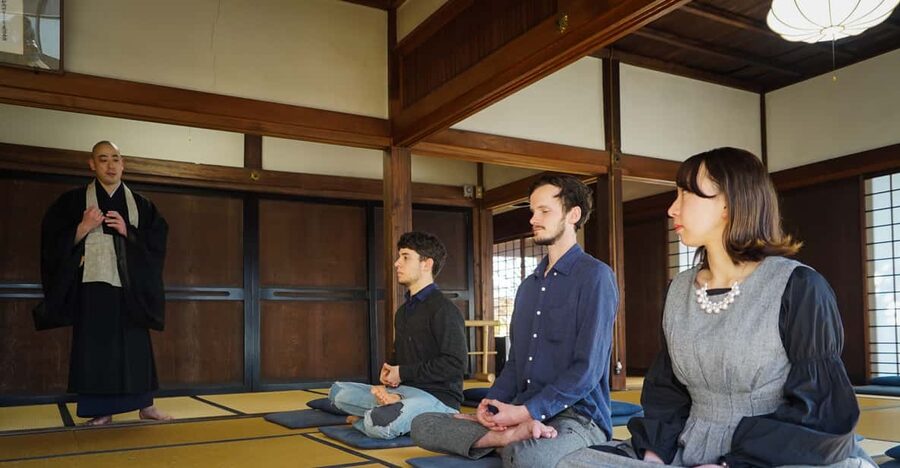
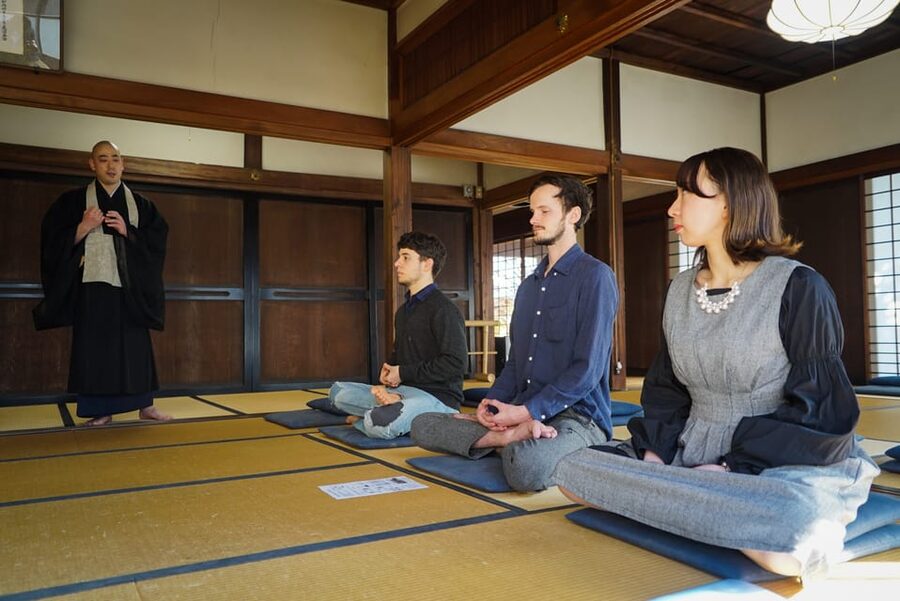
- Meditation with a Zen monk: Learn posture, breathing, and the basic ideas of zazen during a one-hour session.
- Three temple settings: Visit Komyo-in, Tofukuji, and Shorin-ji, each offering a different look at Kyoto’s Zen tradition.
- A guide-led garden visit: Hear how to look at a Zen garden before sitting down to meditate.
- Traditional Buddhist lunch: Expect a vegetable-based meal with mushrooms, seaweed, and fish-based dashi. Some dairy is included.
- Small walking group: The tour is capped at seven people, though the meditation hall can include others.
- Plan for a late lunch: A 10:45 start places lunch at about 14:15, so eat breakfast or an early snack.
Why this Kyoto Zen experience feels different
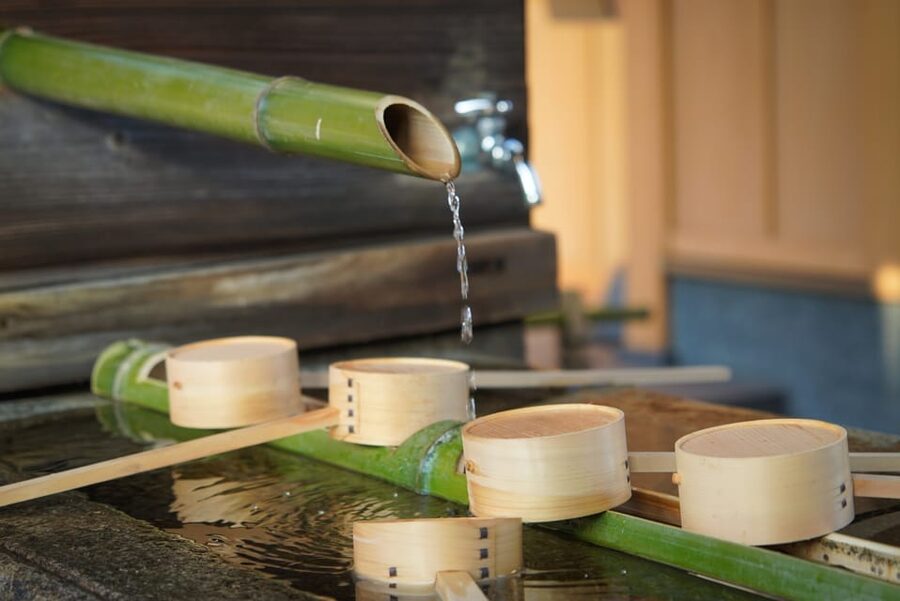
Many Kyoto temple visits are quick affairs: remove your shoes, admire the garden, take a photo, and move on. This experience asks you to slow down. The garden comes first, so you receive a little guidance before the formal meditation. That order matters. You are not simply dropped onto a cushion and told to sit still.
The English-speaking guide explains basic Zen ideas, points out features in the garden, and gives you a framework for looking. Zen gardens can seem puzzling at first. Rocks, gravel, moss, and empty space do not offer a clear story in the way a painting or statue does. A good explanation helps you notice arrangement, restraint, and the effect of quiet.
The tour lasts 270 minutes, or four and a half hours. That is long enough to cover several sites without turning into a full-day commitment. You still have time afterward for another Kyoto sight, though the late lunch on the 10:45 departure means you should plan your morning carefully.
Other temples and shrines in Kyoto people book:
- Kyoto: Tea Ceremony Ju-An at Jotokuji Temple
★ 4.9 · 3,207 reviews - Arashiyama Bamboo, Temple, Monkeys, or Secret Sake Brewery
★ 4.8 · 886 reviews - Kyoto: Arashiyama Bamboo Forest, Monkeys, Matcha & Temple Tour
★ 5.0 · 759 reviews
Starting at Tofukuji Station
Your meeting point is outside Tofukuji Station at Exit 2, beside the Family Mart. This detail is important. A taxi driver may take you to Tofukuji Temple rather than the station, which can leave you rushing to find the group.
From Kyoto Station, take the JR line to Tofukuji. Rapid and local trains are both suitable. From Shijo Keihan, take a Keihan sub-express, semi-express, or local train. Do not take an express train.
Arrive early. The tour cannot wait for late arrivals, and missing the group means no joining later, refund, or rescheduling. Kyoto’s station names and temple names can sound similar, so check that you are heading to the station meeting point, not directly to the temple.
Komyo-in’s garden: learning how to look
The first formal stop is Komyo-in Temple, where you spend about 40 minutes. This is a smart opening because the garden gives you a quiet introduction to Zen before the meditation begins.
Your guide talks through the garden and offers basic context about Zen thought. You may find that the explanation changes the way you see the space. Instead of treating the garden as a pretty backdrop, you begin to consider its empty areas, rock placement, and controlled design.
The garden visit is also a useful pause after the train ride. The pace is calm, and the setting prepares you for the more disciplined hour that follows. Several people particularly appreciated the garden’s peaceful character and the clear explanations about Buddhist philosophy.
Do not expect a long private lecture in total silence. The guide is there to make the ideas accessible, and questions are part of the experience. If you want a scholarly study of Zen, this will only be an introduction. If you want a practical way into a subject that can feel abstract, the format works well.
Tofukuji Temple and its major sights
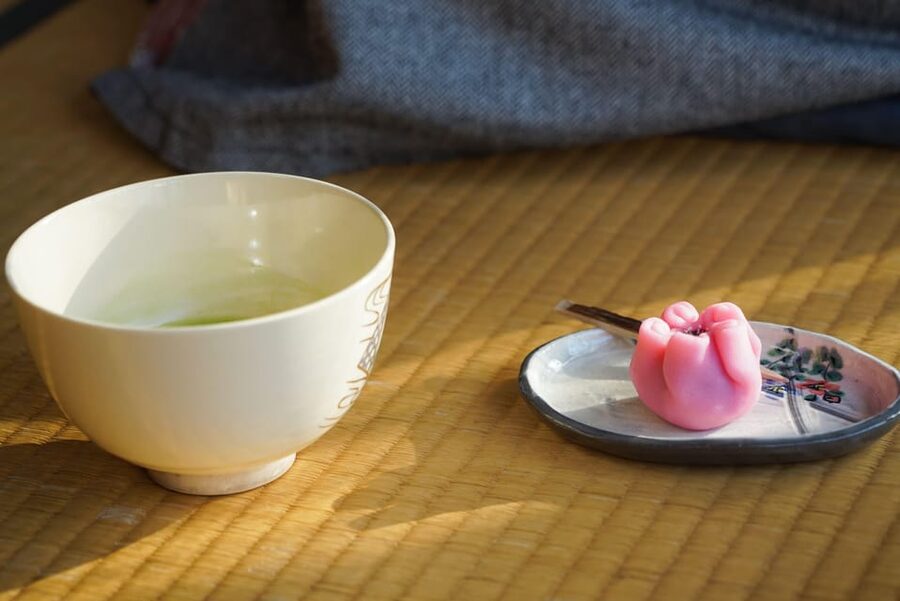
The walk then brings you to Tofukuji Temple, one of Kyoto’s five great Zen temples. The temple has served as a place for monks to live and practice Zen since the 13th century.
The listed visit is about 10 minutes, so this is more of an introduction than a full temple tour. You can expect to see the impressive San-mon gate, dragon paintings on a ceiling, and the oldest surviving toji, or temple toilet. These details give the visit texture. Zen is not only gardens and meditation cushions. It also includes the buildings, routines, and working spaces that supported monastic life.
The short stop may feel too brief if you want a full architectural tour. That is part of the tradeoff. The tour gives more time to meditation and the smaller temple setting, rather than spending an hour on every major structure at Tofukuji.
Other quiet hours in Kyoto:
- Kyoto Zen Meditation & Garden Tour at a Zen Temple with Lunch
★ 5.0 · 441 reviews - Kyoto: Zen Experience in a Hidden Temple
★ 5.0 · 437 reviews - Kyoto: Tea Ceremony Meditation – Make Matcha with Tea Master
★ 4.8 · 406 reviews - Kyoto: Zen Meditation at a Private Temple with a Monk
★ 5.0 · 202 reviews
Shorin-ji and the one-hour zazen session
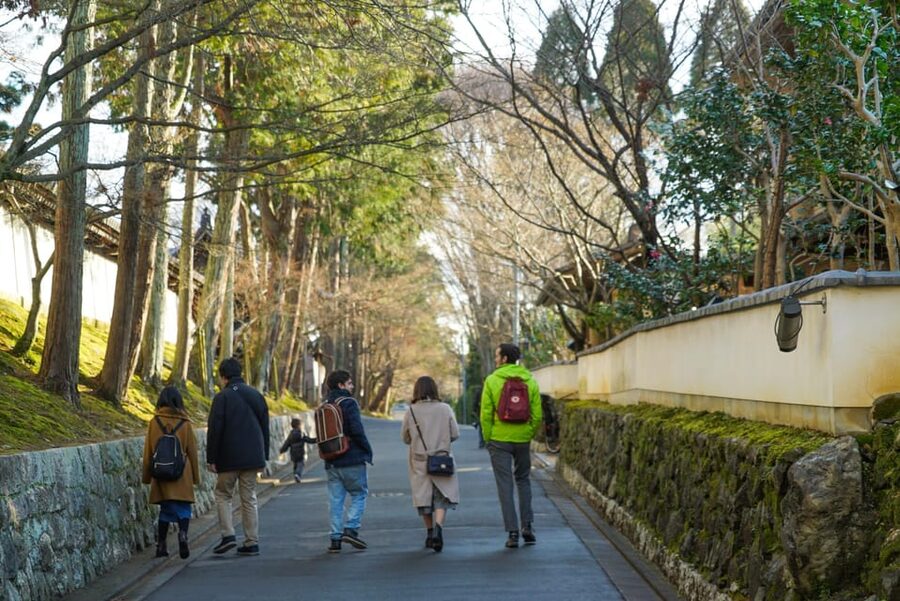
The central experience takes place at Shorin-ji, also known as Bishamon-do Temple. You spend about 70 minutes here, including the zazen session and the surrounding visit.
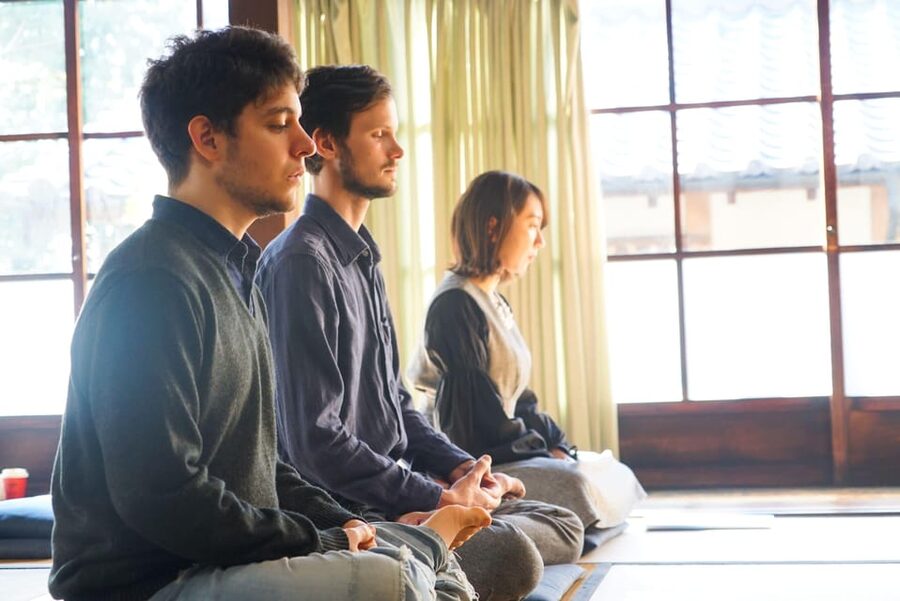
Before you sit, the guide explains how to approach meditation. You learn about posture, breathing, and the basic method of zazen. This is useful for beginners because the instructions remove some of the uncertainty. You do not need to arrive with meditation experience.
During the session, the guide remains silent. Written material is provided for silent reading, since private conversation is generally not allowed while others are meditating. This quiet rule is not a minor detail. If you are expecting a lively lesson throughout the hour, you need to adjust your expectations. The teaching happens before and after the meditation, while the sitting itself is meant to be experienced without ongoing commentary.
The monk does not necessarily speak English. Your guide can help with questions before or after the session, and some tours include a short discussion with the monk afterward. One guide also translated questions and helped arrange photographs at the end. That interaction can make the experience feel more personal, but it remains a formal religious setting, not a performance designed for tourists.
The meditation room deserves a realistic note. Your walking group is limited to seven, but the room may include other people taking part in zazen. One account described a session with roughly 30 people in an L-shaped room. That does not cancel out the value of the practice, but it means you should not book this expecting a private meditation lesson.
For someone new to zazen, the group setting can actually be helpful. Other people are also sitting quietly, so you are not singled out. For an experienced meditator seeking solitude, the room may feel busier than expected.
What the meditation can offer a first-timer
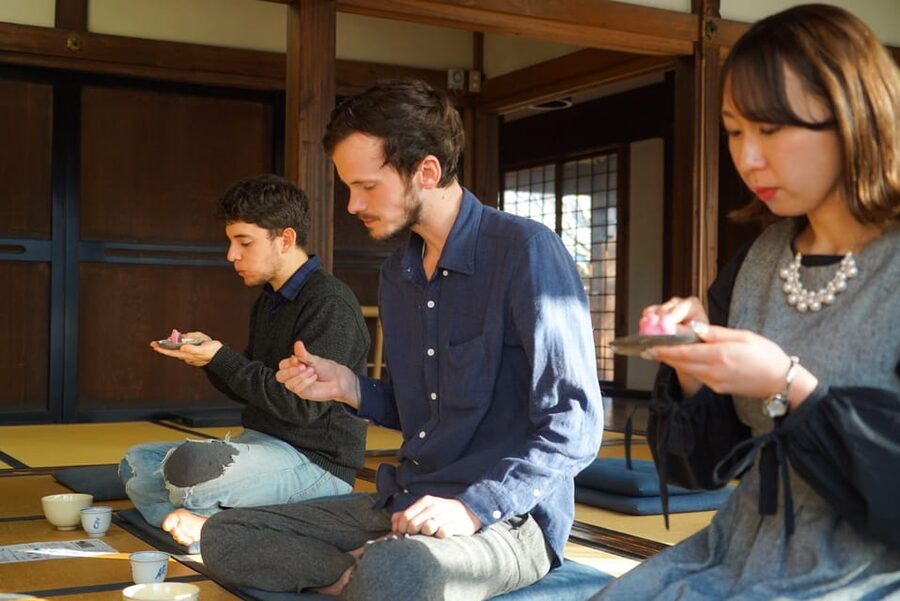
Zazen is not presented as a quick relaxation trick. The session focuses on posture, breathing, attention, and the discipline of sitting. You may find the hour peaceful, awkward, or both. That is normal for a first experience.
The strongest part is the connection between the physical setting and the practice. You are not meditating in a hotel conference room. You are in a temple connected to an active Zen tradition, after seeing the garden and learning some context. That setting gives the exercise meaning.
The tour also helps prevent a common misunderstanding: Zen is not simply a design style or a synonym for calm. Your guide can explain some of the Buddhist terms and ideas behind the practice. Guests especially valued guides who answered questions about Buddhism, symbols, and religious customs.
If you already meditate, the session may still offer something useful. You receive instruction in a specific setting, sit with others, and have a chance to discuss the experience afterward. It is not a substitute for a long retreat or formal training, but it can add cultural and religious context to your own practice.
From meditation to conversation and lunch
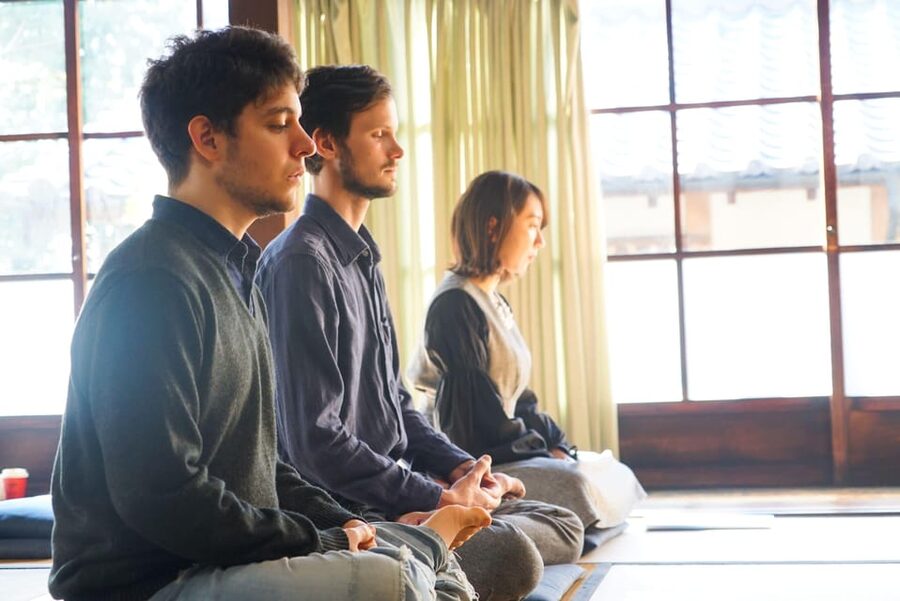
After zazen, the group has a brief discussion and then walks to a local restaurant. This transition is one of the tour’s best features. You have time to process what you just did instead of immediately being sent back into Kyoto’s busy streets.
Lunch is based on shojin ryori, the traditional Buddhist cuisine associated with Japanese monks. The meal centers on vegetables, mushrooms, and seaweed, with no ordinary meat course. The supplied information notes that the dashi uses fish and that a little dairy is included, so do not assume the meal is strictly vegan or fully vegetarian in the Western sense.
The food is connected to the temple tradition rather than added as a generic restaurant stop. The nearby temple once housed as many as 1,200 monks in training, which gives the meal a useful historical setting. You get to taste how Buddhist food developed around seasonal plants, simple preparation, and the avoidance of meat.
Expect several small dishes rather than one large plate. The variety is part of the appeal. Lunch gives you another way to understand the Zen approach, through restraint, balance, and attention to ingredients.
If you have gluten intolerance, this tour is not suitable. You should also take the fish-based dashi and dairy note seriously if you follow a strict vegetarian, vegan, or allergy-specific diet. The supplied details do not promise substitutions.
The guides make a real difference
The guide is important here because Zen concepts can become vague very quickly. Yutaka received repeated praise for clear explanations, patience, humor, and his ability to answer questions about Japanese culture and religion. Eri was noted for her Buddhist explanations, helpful Kyoto suggestions, and photography. Louis and Tammy were also described as warm, prepared, and enthusiastic.
Guide assignments can vary, so you should not book on the assumption that one named person is guaranteed. What you can reasonably expect is an English-speaking local guide who leads the walking route, explains the temples and garden, prepares you for zazen, and helps with communication afterward.
The guide may also take photographs during the tour. That is a useful extra when you are busy sitting, listening, or keeping your hands off your phone. Still, the photography is secondary to the temple experience, and you should remain ready to follow the site’s rules.
Timing, comfort, and practical details
The tour is not suitable for children under 12. The meditation requires quiet and patience, and the temple environment is better suited to older children and adults.
Kyoto summers are hot and humid. Bring water and wear a hat, especially during the walks between sites. In winter, temple floors can be cold, so thick socks are a good idea. You will likely remove your shoes in temple areas, making comfortable socks more useful than stylish ones.
The 10:45 departure deserves special attention. Lunch is scheduled for about 14:15, after meditation. Eat a proper breakfast or carry a suitable snack for before the tour. Other start times may place lunch earlier, so check the available schedule when booking.
The cancellation terms are traveler-friendly: you can cancel or change the date and time up to 24 hours before the start, subject to availability, and receive a full refund when canceling within that window. You can also reserve now and pay later, which helps if your Kyoto schedule is still shifting.
Is $107 a fair price?
At $107 per person, this is not a cheap temple walk. You are paying for more than admission. The price covers the garden and temple fees, a local guide, the zazen experience, lunch, and photographs.
The value depends on what you want from Kyoto. If you only want to see famous temple buildings, you can visit many sites on your own for less. If you want a guide to explain Zen, prepare you for meditation, handle the temple sequence, and finish with a traditional meal, the price is easier to justify.
The small group limit also matters. Up to seven people allows more room for questions and makes the walking portions feel personal. The meditation itself may be larger, so keep that distinction in mind.
I see the strongest value in the complete sequence: garden first, temple architecture next, meditation after that, and food at the end. Each part supports the next. You are not just collecting sights. You are given a way to connect what you see, how you sit, and what you eat.
Who should book this experience?
Book it if you want a calm, structured introduction to Zen Buddhism and prefer a guide to explain customs as you go. It suits adults and older teens who are curious about meditation, Japanese religious life, temple design, or traditional food.
It is also a good choice for people who have already visited Kyoto’s major sights and want a quieter half-day outside the usual sightseeing pattern. The route offers less crowded temple settings and a chance to ask questions that are difficult to answer from a guidebook.
Think twice if you need a private meditation session, strict vegan food, gluten-free food, or a fully English-speaking monk. You may also find the experience less suitable if sitting quietly for an hour sounds frustrating rather than interesting.
Final verdict: a thoughtful half-day in Kyoto
I would recommend this tour to anyone who wants more than a quick look at a Zen garden. The garden commentary, temple details, monk-led meditation, and Buddhist lunch create a clear story about Zen practice.
Just arrive at the correct station meeting point, bring water in summer, wear warm socks in winter, and prepare for lunch at 14:15 on the 10:45 departure. If you accept that the meditation room may include a larger group, the experience offers a meaningful and well-organized introduction to Kyoto’s Zen tradition.
FAQ
Where does the tour meet?
Meet outside Tofukuji Station at Exit 2, next to the Family Mart. Do not go directly to Tofukuji Temple for the meeting point.
How do I reach Tofukuji Station from Kyoto Station?
Take the JR line from Kyoto Station. Both rapid and local trains can be used.
How do I reach Tofukuji Station from Shijo Keihan?
Use the Keihan line and take a sub-express, semi-express, or local train. Do not take an express train.
How long does the experience last?
The tour lasts 270 minutes, or four and a half hours.
Is the tour conducted in English?
Yes. The tour has a live English-speaking guide.
Is the meditation session private?
No private session is promised. The walking group is limited to seven participants, but other people may also be present in the meditation room.
Is lunch strictly vegetarian or vegan?
The meal is based on traditional Buddhist cuisine and focuses on vegetables, mushrooms, and seaweed. Fish is used in the dashi broth, and a small amount of dairy is included, so it is not suitable for strict vegan diets. The experience is also not suitable for people with gluten intolerance.
More gardens in Kyoto
- Kyoto Arashiyama Walking Tour: Bamboo, Monkeys, Gardens & Secrets
★ 5.0 · 1,216 reviews - Kyoto Arashiyama Bamboo forest & Garden Half-Day Walking Tour
★ 5.0 · 413 reviews - Kyoto: Zen Garden, Zen Mind (Private)
★ 5.0 · 126 reviews - Kyoto Kiyomizu Tea Ceremony with Scenic Garden Views
★ 5.0 · 101 reviews
More temples and shrines elsewhere in Japan
- Osaka/Kyoto: Arashiyama, Nara & Fushimi Inari Shrine w/Lunch
★ 4.4 · 754 reviews - Kyoto: Ninnaji Temple Entry Ticket
★ 4.2 · 650 reviews - KYOTO Tea Ceremony with kimono near by Imamiya Jinjya Shrine
★ 5.0 · 343 reviews - Kyoto: 3-Hour Fushimi Inari Shrine Hidden Hiking Tour
★ 4.9 · 270 reviews
Just added in Kyoto
- Private Cooking Class Udon in Kyoto Japan★ 5.0 · 23 reviews
- Your Private Vacation Photography Session In Kyoto★ 5.0 · 110 reviews
- Kyoto: Zen Meditation at a Private Temple with a Monk★ 5.0 · 25 reviews
- Private Pewter Sake Cup Experience with a Kyoto Artisan★ 5.0 · 31 reviews
- Kyoto Wagashi(Japanese sweets) Cooking Class near Fushimiinari★ 5.0 · 60 reviews
- Kyoto:Family-Friendly Kimono & Yukata Experience at WARGO★ 5.0 · 147 reviews
- Private Guided Traditional Buddhist Cooking in Japan★ 5.0 · 16 reviews
- Kyoto: Gion Geisha District & Sake-in-Hand Walking Tour★ 5.0 · 37 reviews
Zen & Meditation Experiences, compared.
Kyoto Zen Meditation & Garden Tour at a Zen Temple with Lunch
Read our review →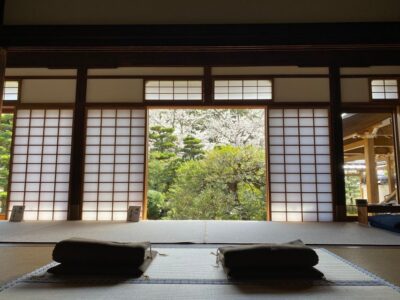

Tea Ceremony Meditation – Make Matcha with Tea Master
Read our review →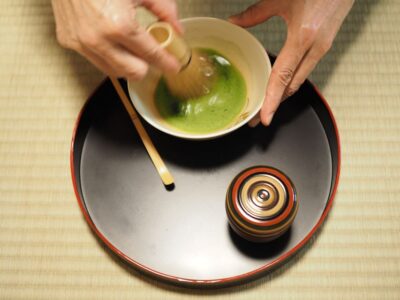
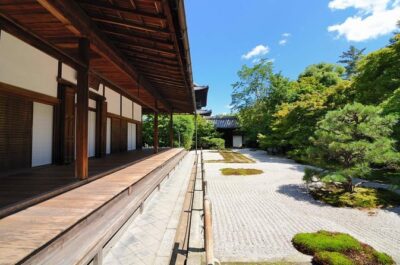
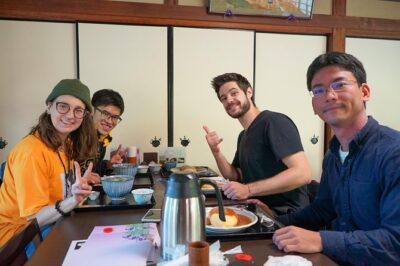
4.5-Hour Kyoto Bike Tour with Lunch and UNESCO Zen Temples
Read our review →
Browse the lists this tour appears in