
Reviewed · TEA CEREMONY EXPERIENCES
Tea Ceremony Experience in a Private Tea Room in Shibuya
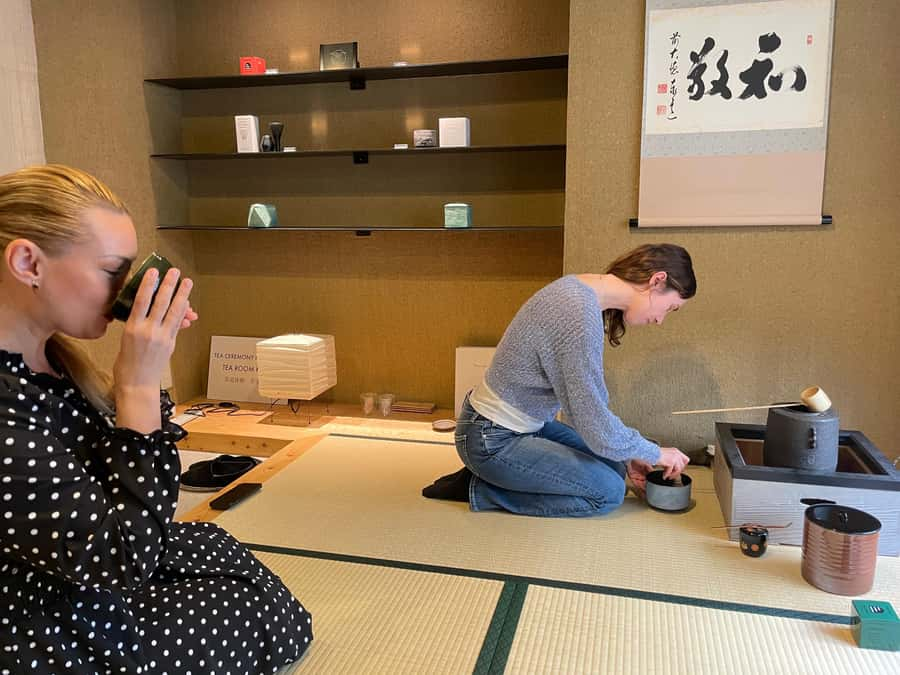
A quiet tea room in an apartment building may be the last place you expect to find in Shibuya, but that contrast is the point. After the crowds and neon outside, you step into a small, carefully arranged room for a traditional ceremony led by Tatsuya, also known as Tatsu. The private setting gives the activity a calm, personal feel.
I like two things especially: the chance to taste premium organic matcha said to represent only 2 percent of Japan’s total circulation, and the hands-on lesson where you make your own bowl. The traditional sweets come from a wagashi shop with more than 200 years of history, which adds a useful taste of Japanese craft.
The main consideration is that this is a small, focused activity rather than a grand historical performance. The tea room has no toilet, matcha contains caffeine, and the experience is not suitable for children under 10 or pregnant women.
Key points to know before you book
- Eight minutes from Shibuya Station: Meet outside The OneFive Tokyo Shibuya hotel, then walk to the tea room.
- A private apartment tea room: The modest entrance gives way to a peaceful, authentic space away from the busy streets.
- Rare organic matcha: You taste high-grade matcha from EAST GREEN MATCHA, described as only 2 percent of total circulation.
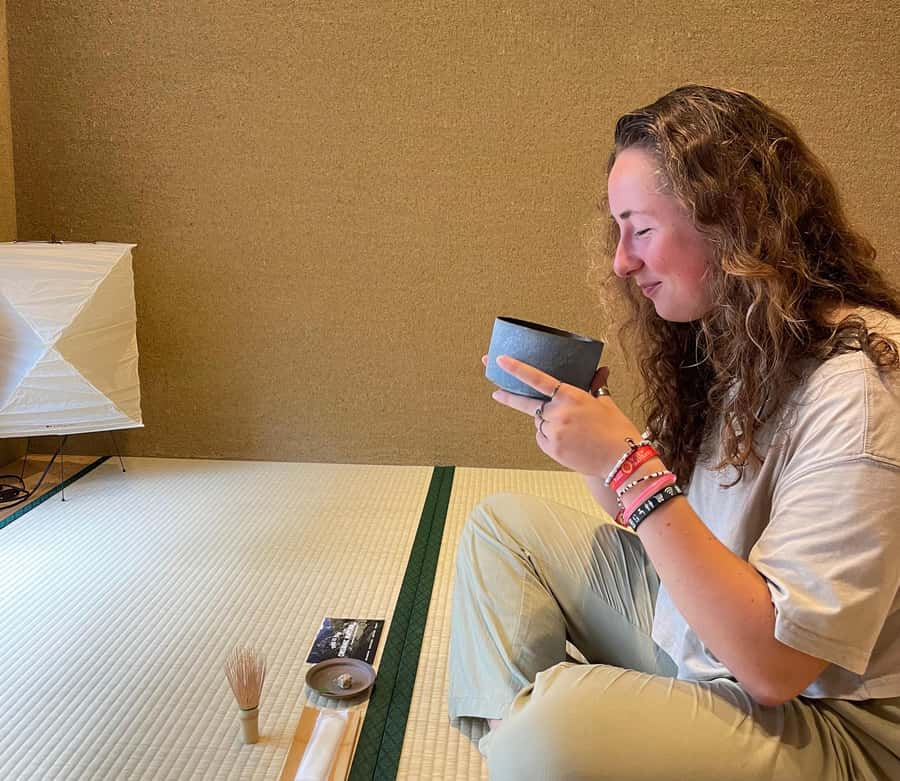
- A lesson, not just a demonstration: Tatsuya explains the ceremony, prepares tea formally, and guides you through making your own.
- Old-style sweets included: Traditional wagashi comes from a shop operating for more than 200 years.
- English and Japanese available: You can ask questions about matcha, tea farming, ceremony etiquette, and the tools used.
A private tea room eight minutes from Shibuya Station
The meeting point is in front of The OneFive Tokyo Shibuya hotel at 1-8-11 Jinnan, Shibuya-ku. Look for the guide holding a sign marked TEA ROOM KAKOI.
From there, you walk for about eight minutes. This is useful if you are building the activity into a day around Shibuya. Hachiko Statue, Shibuya Scramble Crossing, Meiji Shrine, and the Pokémon Center are all nearby, so you can pair the tea ceremony with sightseeing rather than making a separate trip across Tokyo.
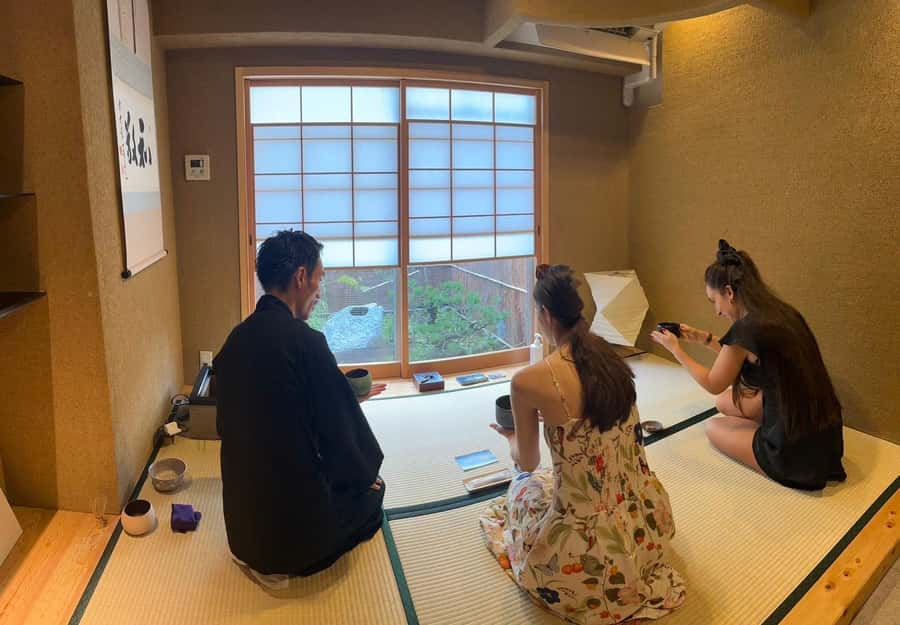
The tea room is inside an apartment building. That may sound less grand than a formal cultural center, but it creates a more intimate setting. One of the first surprises is the change in mood: Shibuya’s noise and movement fade, and the room becomes the focus.
I would allow a few extra minutes to find the meeting point, especially if you are new to Shibuya Station. The station is convenient but large, and the hotel entrance is a clearer target than trying to meet somewhere in the middle of the crossing.
The activity ends back at the same meeting point. No tour duration is provided, so check the selected departure time and allow enough space before your next reservation.
Other tea rooms and ceremonies in Tokyo:
- Matcha Making Class in Tokyo with Authentic Japanese Sweets Set
★ 5.0 · 744 reviews - Tokyo: Traditional Tea Ceremony with a Tea Master
★ 5.0 · 528 reviews - Tokyo: Matcha Making Experience with Mochi Sweets in Asakusa
★ 4.9 · 388 reviews
What Tatsuya explains before the tea begins
The ceremony starts with an introduction to Japanese tea culture and the story of matcha. This matters because matcha is more than powdered green tea served in a pretty bowl. Its production, preparation, tools, movements, and manner of drinking all carry meaning.
Tatsuya explains how matcha is produced and how the tea ceremony developed. His connection to tea is personal: he comes from a family with two generations of tea farms. That background gives the conversation a practical angle, especially if you want to understand the difference between ordinary powdered tea and ceremonial-grade matcha.
You can ask about the way tea is grown, why the flavor varies, and how the ceremony treats each object with care. The teaching is designed for beginners, so you do not need to know the correct gestures before arriving.
This is one of the activity’s strongest features. You are not asked to sit silently while someone performs a ritual you do not understand. The explanation gives you a reason for the movements and helps you notice the details.
The formal preparation and first bowl of matcha
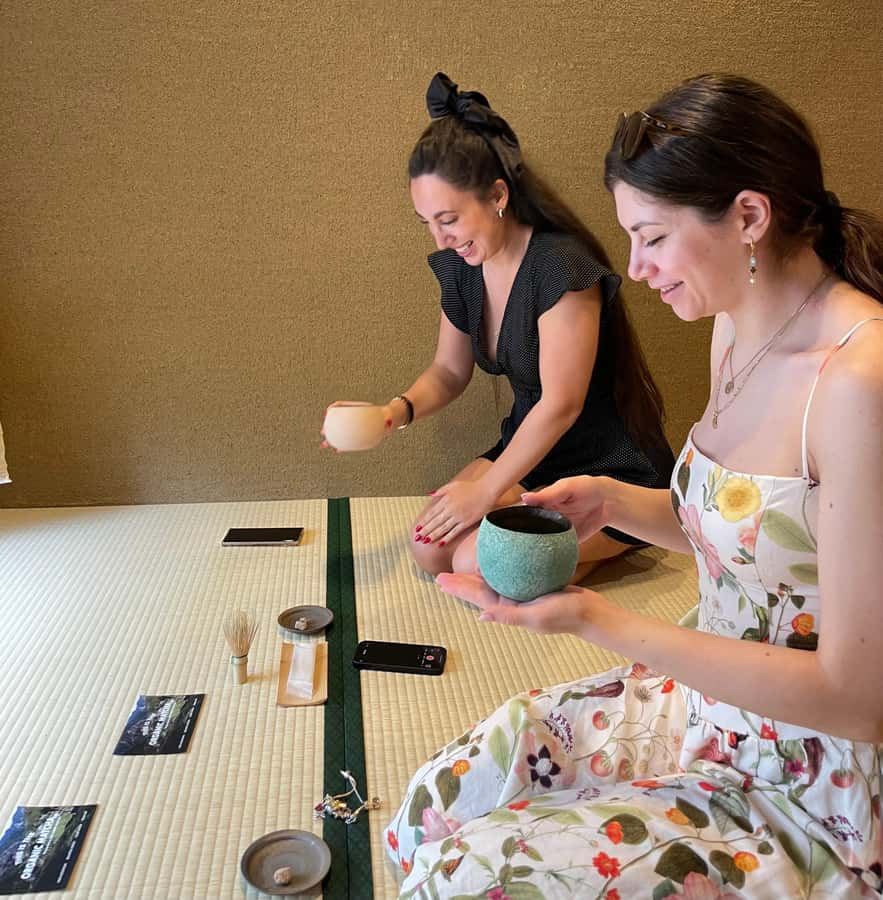
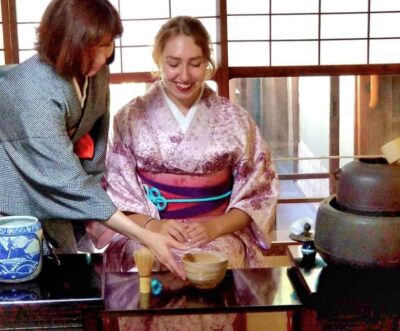
After the introduction, Tatsuya prepares matcha in the formal tea ceremony style and serves it with a traditional sweet. The order matters. In Japanese tea service, the sweet helps prepare your palate for the tea’s bitterness and grassy flavor.
The matcha comes from EAST GREEN MATCHA, a premium organic brand connected with the tea room. The experience describes this particular tea as rare, with only about 2 percent of Japan’s total circulation. That does not mean every visitor will prefer its flavor, but it does make the tasting more useful than a basic café matcha.
Expect a strong, fresh taste rather than a sugary drink. Matcha contains caffeine, so keep that in mind if you are sensitive to it or visiting late in the day. The texture is also different from brewed tea because you consume the powdered leaves themselves.
The traditional wagashi is an important part of the tasting. A sweet from a long-established shop gives you a small example of Japanese confectionery culture, where shape, color, season, and texture often matter as much as sweetness.
Tatsuya also explains how to drink the tea properly. You will learn why the bowl is handled with care and how the ceremony asks you to pay attention to the tea, the vessel, and the person serving it. These small rules are not meant to intimidate you. They help turn a simple drink into a shared act of hospitality.
Making your own bowl with the tea master’s guidance
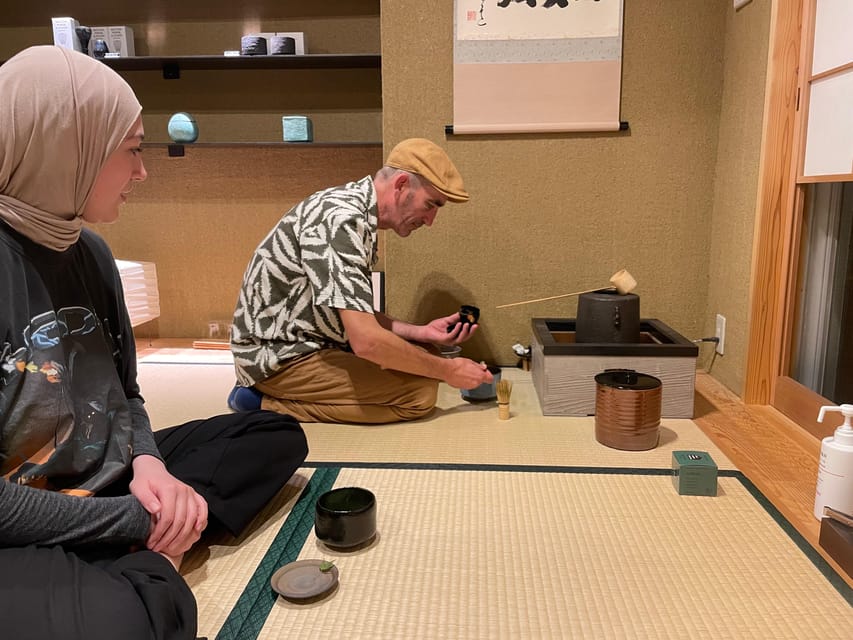
The hands-on portion is what makes this activity more useful than a demonstration alone. Tatsuya guides you through the process of preparing your own matcha and explains the techniques as you work.
You learn how the tea is placed in the bowl, how water is added, and how the mixture is whisked. The goal is not to produce a perfect bowl on the first try. It is to understand the motions and feel how the tea changes as air is worked into it.
That practical step also makes the ceremony less formal. You can focus on the process without worrying about getting every movement exactly right. The guide is described as patient and professional, which is especially helpful if you have never handled a bamboo whisk.
The activity leaves time for questions at the end. Ask about the farms, matcha grades, tea tools, ceremony etiquette, or the best way to continue the practice at home. If you want a souvenir, you can buy organic matcha and original tea tools after the session.
I like this combination of watching, tasting, and doing. You leave with more than a photograph of a tea bowl. You understand enough to repeat the basic preparation and recognize why good matcha costs more than an everyday green tea powder.
Same base, a different sort of day:
- Mt Fuji and Hakone 1-Day Bus Tour Return by Bullet Train
★ 5.0 · 26,383 reviews - 1-Day Tokyo Bus Tour
★ 5.0 · 14,250 reviews - Tokyo: TOKYO SKYTREE® Admission ticket
★ 4.5 · 11,192 reviews - Tokyo: teamLab Planets TOKYO Digital Art Museum Entry Ticket
★ 4.6 · 9,779 reviews
Why the small room works so well
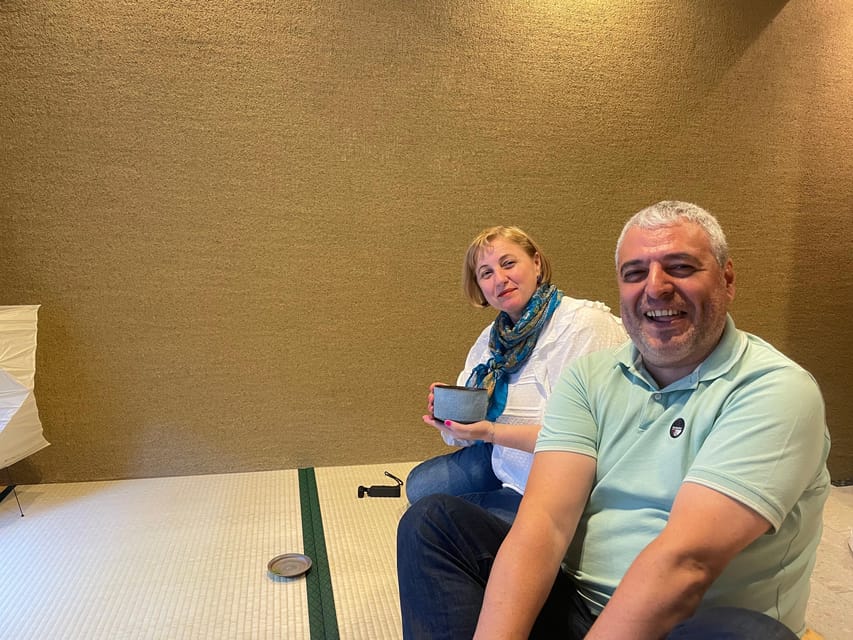
The tea room is not large, and that is worth knowing before you book. If you want a large-scale cultural show, changing scenery, or a broad tour of Japanese traditions, this is not that kind of activity.
For many people, the small room will be the attraction. The intimate scale keeps the focus on the guide, the tea, and the objects in front of you. Questions are easier to ask, and the lesson can feel more like a conversation than a scheduled presentation.
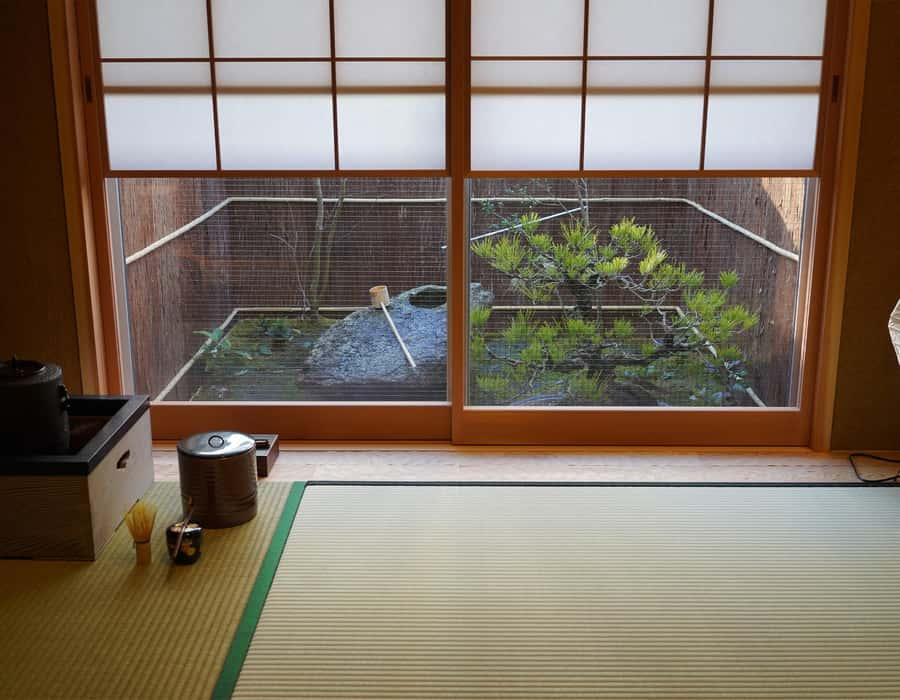
The room is arranged in an authentic style, with the simple, quiet atmosphere associated with a traditional tea space. Even the apartment setting adds an interesting Tokyo contrast: ordinary urban housing outside, a carefully maintained cultural space inside.
The calm mood may be particularly welcome after a visit to Shibuya Scramble Crossing. I would schedule the tea ceremony when you want a pause, not when you are rushing between several timed attractions.
Is $30 a fair price?
At $30 per person, this is a reasonable price for a guided cultural activity in central Tokyo. You receive premium organic matcha, traditional sweets, the formal preparation, a personal lesson, and time for questions.
The value depends on what you want from a tea ceremony. If you only want to drink a cup of matcha, a café will cost less and take less time. If you want context, instruction, and a chance to prepare the tea yourself, this experience offers more.
The private room also matters. You are paying for access to a setting that is not part of a normal sightseeing route, along with a guide who can explain the ceremony in English or Japanese.
The activity is especially good value for tea lovers, first-time visitors who want a clear introduction, and anyone seeking a quieter cultural stop in Shibuya. It may feel less worthwhile if you dislike bitter drinks, have no interest in ceremony etiquette, or prefer large attractions with lots of visual activity.
Who should book this Shibuya activity?
I would recommend it to adults and older children who are curious about Japanese customs and happy to slow down. It works well for solo visitors, couples, and small groups who prefer direct contact with a local guide.
It is also a strong choice for anyone who wants to understand matcha beyond its modern café image. You learn about production, taste a high-grade organic tea, and practice preparing it yourself.
The activity is not suitable for children under 10, pregnant women, or babies under one year. Assistance dogs are allowed, but other pets are not. There is no toilet in the tea room, so use facilities before leaving the hotel meeting point.
Because matcha contains caffeine, people with caffeine sensitivity should plan accordingly. You can also ask questions about the tea before deciding how much to drink.
The guide speaks English and Japanese. That makes the cultural explanations accessible to English-speaking visitors, while the Japanese setting and tools keep the experience grounded in local tradition.
Practical planning for your visit
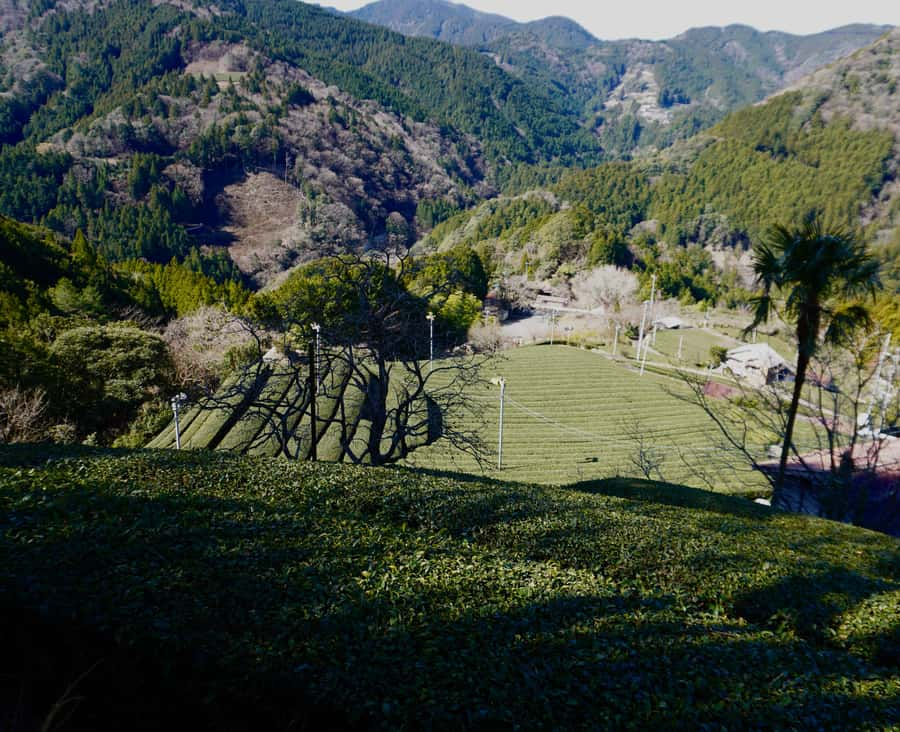
Wear something comfortable enough for sitting in a small tea room. The supplied details do not require a formal dress code, but modest, tidy clothing is a sensible choice for a ceremony centered on respect and careful movement.
Arrive at the hotel meeting point with enough time to identify the sign and guide. The walk to the tea room takes about eight minutes, and the route begins in a busy part of Shibuya.
You can reserve now and pay later, which helps if your Tokyo plans are still shifting. Cancellation is allowed up to 24 hours in advance for a full refund.
If you want matcha or tea tools to take home, bring room in your luggage. The purchase is optional, so you can simply enjoy the lesson without buying anything.
My recommendation
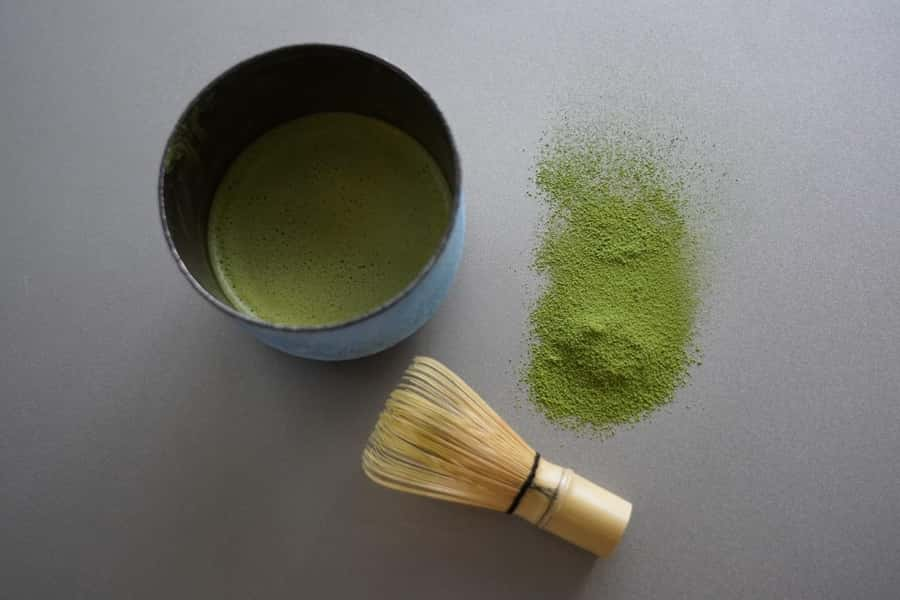
Book this tea ceremony if you want a personal introduction to matcha in a calm room close to Shibuya’s major sights. The best parts are the rare organic tea, the old-style wagashi, the clear explanations from Tatsuya, and the chance to make your own bowl.
Skip it if you are looking for a theatrical show, a large historic venue, or an activity with no caffeine and no sitting-room limitations. For the right visitor, $30 buys a thoughtful lesson and a welcome pause from Tokyo’s fast pace.
FAQ
Where does the tea ceremony meet?
Meet in front of The OneFive Tokyo Shibuya hotel at 1-8-11 Jinnan, Shibuya-ku, Tokyo, 150-0041. The guide holds a sign marked TEA ROOM KAKOI.
How far is the tea room from Shibuya Station?
The tea room is about an eight-minute walk from Shibuya Station.
What is included in the price?
The experience includes premium organic matcha, traditional Japanese sweets, the tea ceremony, and a guided matcha-making session. The listed price is $30 per person.
Is the activity available in English?
Yes. The experience is offered in English and Japanese.
Can I buy matcha after the ceremony?
Yes. You can choose to buy high-quality organic matcha and original tea tools as souvenirs.
Are there any restrictions I should know about?
The activity is not suitable for children under 10, pregnant women, or babies under one year. Matcha contains caffeine, and there is no toilet in the tea room. Pets are not allowed, but assistance dogs are permitted.
Just added in Tokyo
- The 10 Tastings of Tokyo With Locals: Private Street Food Tour★ 5.0 · 48 reviews
- Small Town in the Big City: Tasting Tokyo’s Kichijoji★ 5.0 · 195 reviews
- Small Town in the Big City: Tasting Tokyo’s Kichijoji★ 5.0 · 16 reviews
- EXCLUSIVE Tokyo Secret: Kichijoji Small-Group Food & Bar Hopping★ 5.0 · 29 reviews
- Explore Kichijoji: Walk Through One of Tokyo’s Beloved Districts★ 5.0 · 21 reviews
- :Tokyo,Shibuya/ Pro Photography in Kimono / English-Friendly★ 5.0 · 26 reviews
- 【R34】Tokyo:Private Daikoku tour in Modified R34★ 4.9 · 92 reviews
- Tokyo:Calligraphy &Make your original folding fan in Asakusa★ 5.0 · 62 reviews
Tea Ceremony Experiences, compared.

Tea Ceremony in a Traditional Tea House in Kiyomizu
Read our review →

World Heritage Kyoto & Nara Uji Authentic Matcha Experience
Read our review →
Arashiyama Bamboo Forest, Monkeys, Matcha & Temple Tour
Read our review →Browse the lists this tour appears in