
Reviewed · RAMEN TOURS & WORKSHOPS
Tokyo: 2-Hour Vegan and Vegetarian Ramen Guided Walking Tour
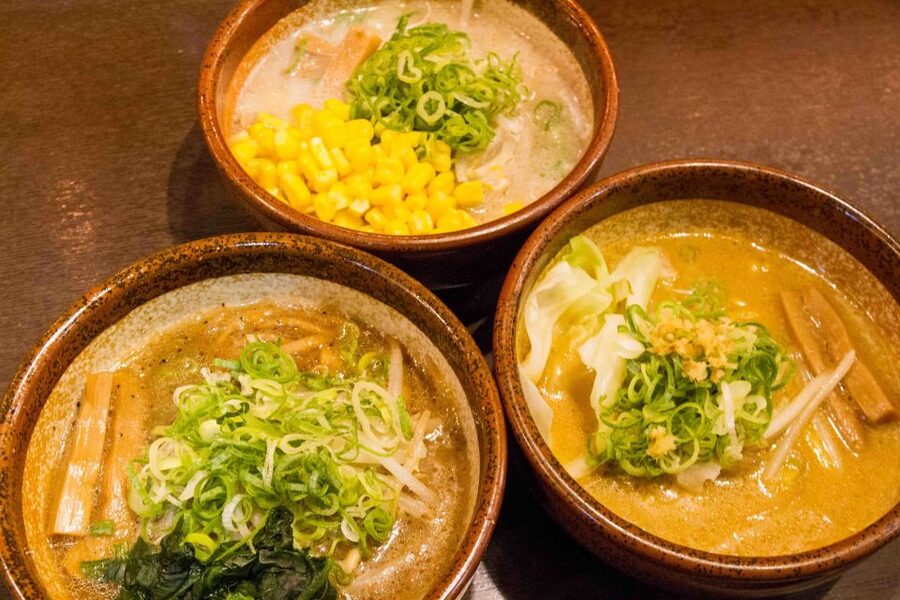
Tokyo’s ramen world is far wider than one steaming bowl of pork broth. On this two-hour walk, you taste four mini bowls at two shops in Shibuya and Shinjuku, including Hokkaido-style ramen and Tokyo-style tsukemen, or dipping ramen. The small portions let you compare flavors without giving up halfway through lunch.
I like two things right away: the tour makes vegetarian ramen much easier to find, and it explains why Hokkaido and Tokyo matter so much in ramen’s development. Guides such as Brian, Makayla, Bunga, Frank, and Sahori have also made the food talk feel personal and useful, not like a lecture.
The main consideration is the price: at $96 per person, this is not a cheap meal. You also pay your own train fare from Shibuya to Shinjuku, and the tour is not suitable for wheelchair users.
Key points to know before booking
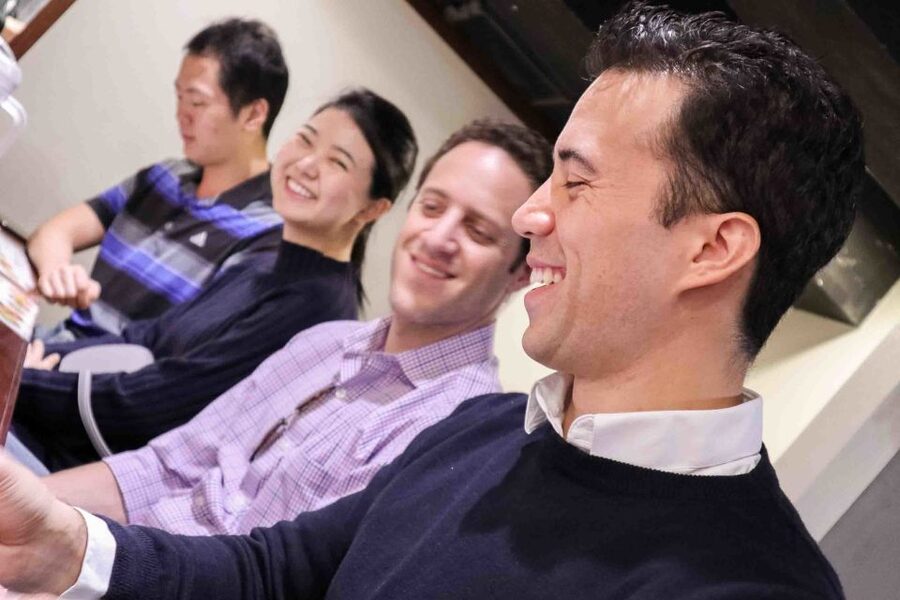
- Four small ramen bowls: You can compare several styles in one sitting without committing to four full portions.
- Two very different Tokyo neighborhoods: The route begins near Shibuya’s Hachiko statue and continues to Shinjuku by train.
- Hokkaido meets Tokyo: One shop focuses on authentic Hokkaido-style ramen, while the other serves classic Tokyo tsukemen.
- Flexible dietary choices: Vegan bowls are the focus, with non-vegan broth options and gluten-free noodles available.
- Useful early-trip introduction: The food talk can help you understand Japanese ramen and point you toward favorite dishes for later.
- Small-group or private format: You may be able to book a private experience or join a small group with an English-speaking guide.
Four mini bowls are the smart way to taste ramen
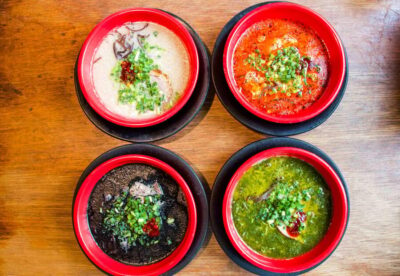
The best idea here is the tasting format. Instead of ordering one large bowl and hoping you chose well, you receive four mini bowls of ramen. That gives you room to compare broth, noodles, toppings, and serving style.
For a first visit to Tokyo, this matters. Ramen menus can be difficult to read, and vegetarian choices are not always easy to spot. A guide who already knows which shops can serve vegan ramen saves you from wandering into a restaurant with only meat-based broth.
The portions are also practical. Ramen is filling, especially when you add noodles and broth in the usual restaurant portions. Four full bowls would be excessive for most people. Four smaller servings let you sample more and still walk through two of Tokyo’s busiest districts afterward.
The tour includes one drink, but other food is not listed as part of the experience. I would treat this as a focused ramen tasting rather than a full-day food crawl. If you have a large appetite, you can always return later to the shop you liked best and order a full bowl.
Other walking tours in Tokyo people book:
- Tokyo Tsukiji Fish Market Food and Culture Walking Tour
★ 5.0 · 3,184 reviews - Tokyo: Imperial Palace and Shogun Historical Walking Tour
★ 5.0 · 2,251 reviews - Tokyo: Shinjuku Local Bar and Izakaya Guided Walking Tour
★ 4.9 · 1,794 reviews
Stop one: Hokkaido-style ramen in Shibuya
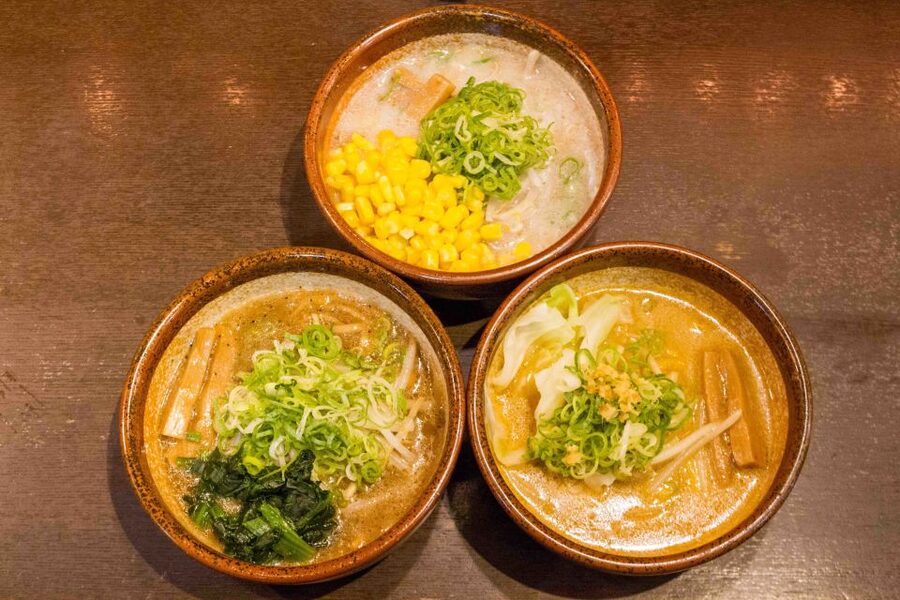
The first food stop features ramen from Hokkaido, Japan’s northern island. The tour uses this restaurant to explain Hokkaido’s place in ramen culture and how regional styles helped shape the dish.
You will taste mini bowls rather than a single fixed preparation. The exact choices can depend on the day and your dietary needs, but the central point is comparison. You get a chance to notice how a Hokkaido-style bowl differs from the Tokyo preparation served later.
This regional focus gives the tour more substance than a simple restaurant visit. You are not only eating noodles. You are learning that ramen is not one uniform Japanese dish, but a collection of local styles with different traditions and flavor profiles.
I especially like this stop for anyone who has already eaten ramen abroad and wants more context. A bowl labeled Hokkaido-style can sound vague if nobody explains what the regional label means. Your guide connects the meal to the wider ramen world and gives you a framework for understanding what you are tasting.
The meeting point is in front of Shibu Hachi Box, across from the Hachiko statue. Look for the guide farther to the left, under the word Shibu, holding a Tokyo Ramen Tours sign. Hachiko is a busy meeting area, so arrive with enough time to find the exact position rather than waiting directly beside the statue.
The train ride from Shibuya to Shinjuku
The tour includes a short neighborhood change by train, but your train fare is not included. Bring a transportation card or cash for the ticket. This is a small cost, yet it is worth planning for because you do not want to stop the group while searching for a way to pay.
The train connection gives the experience a useful rhythm. You start with one regional style, then move to another part of Tokyo for a different form of ramen. It also lets you see how easily Shibuya and Shinjuku can be linked in a single outing.
This is not a long sightseeing walk through both districts. The focus remains food, ramen history, and conversation with the guide. Still, the movement between neighborhoods helps the tour feel like a Tokyo food experience rather than two restaurant visits placed side by side.
You may also appreciate the timing. One person who booked an 11 a.m. Monday tour had the benefit of being the only participant. That kind of quieter setting is not guaranteed, but an early weekday start may give you a more relaxed experience than a busy midday booking.
Stop two: Tokyo tsukemen in Shinjuku
The second restaurant specializes in classic Tokyo tsukemen. Unlike ordinary ramen, tsukemen serves noodles and dipping broth separately. You dip the noodles into the concentrated broth, taking each bite at your own pace.
This is an important contrast with the first stop. The four bowls are not simply four versions of the same soup. You are comparing different regional ideas and a different way of eating noodles. That makes the second shop particularly useful for anyone who has never tried tsukemen.
The separate noodles and broth also change the eating experience. You control how much broth reaches each mouthful, and the noodles remain distinct rather than sitting in soup from the start. Your guide can explain the method and point out the differences between the two restaurants.
The exact vegan and vegetarian arrangements should be discussed when booking. The tour is built around vegan ramen, and gluten-free noodles are available. Non-vegan broth options can also be arranged for each ramen style. If your group has mixed dietary needs, tell the operator clearly before the tour so the right choices can be prepared.
Other bowls worth queuing for in Tokyo:
- Eat and Drink Like a Local: Tokyo Ueno Food Tour-Taverns&Ramen
★ 5.0 · 957 reviews - Ramen & Gyoza Cooking Class in Tokyo with Local Supermarket Visit
★ 5.0 · 823 reviews - Tokyo: Ramen Tasting Tour with 6 Mini Bowls of Ramen
★ 4.9 · 432 reviews - Tokyo: Easy Ramen Cooking Experience in Kabukicho, Shinjuku
★ 4.6 · 321 reviews
What the guide adds to the meal
The guide is a major part of the value. You are not simply shown to a restaurant and left to interpret the menu. The English-speaking guide explains ramen’s regional roots, the role of Hokkaido and Tokyo, and the process and food culture behind the bowls.
The names attached to recent tours include Brian, Makayla, Bunga, Frank, and Sahori. The style may vary from one guide to another, but the experience is designed around conversation and explanation. Brian was described as friendly and genuinely interested in his customers, while Bunga was praised for making the ramen talk fun. Frank also helped with broader Tokyo questions, including places to eat, see, and visit.
That last point is useful if you book this near the beginning of your stay. A ramen guide can become an informal source of advice about the city. You should not expect a full Tokyo sightseeing tour, but you can ask practical questions during the walk and train ride.
I would book this early in your trip if you want to use the experience as a food orientation. It may help you decide which ramen styles deserve a full bowl later. One good strategy is to keep notes on your favorite broth, noodle, and serving style while the comparisons are fresh.
Vegan, vegetarian, halal, and gluten-free details
The tour is designed first and foremost for vegan and vegetarian diners. That is a real advantage in Tokyo, where finding a suitable ramen bowl on your own can take more work than expected. The tour removes much of that uncertainty by taking you to places prepared to serve plant-based ramen.
Gluten-free noodles are available, which makes the tour more flexible than many ramen outings. Still, you should communicate your requirements in advance. Availability is stated as an option, but the information does not promise that every possible allergy or cross-contact concern can be handled.
Non-vegan broth options are available for each ramen style. This makes the tour workable for a mixed group, such as one vegan diner and one person who wants traditional broth. The primary focus remains vegan ramen, so book it for the plant-based tasting rather than expecting a conventional meat-ramen tour.
Halal diners should ask specific questions before reserving. A guide has indicated that a halal-focused tour could be offered if demand grows, and halal ramen is available in Tokyo. However, this experience is not described as a dedicated halal tour, so do not assume that every bowl meets halal requirements without confirmation.
Is $96 per person a good value?
At $96, this costs more than visiting a ramen shop on your own. The price includes four mini bowls, one drink, an English-speaking guide, restaurant selection, dietary coordination, and the chance to compare two styles in a short period.
The value depends on what you would otherwise do. If you already know Tokyo’s ramen scene and can comfortably locate vegan shops, you may prefer to spend less and order independently. You would also have more control over timing and could simply buy a full bowl at one restaurant.
For a first-time visitor, the calculation changes. You are paying for access, explanation, and reduced guesswork. Vegetarian ramen can be difficult to find, and the tour packs four tastings into two hours. If you tried to arrange four suitable bowls yourself, you might spend time checking menus, navigating neighborhoods, and dealing with language barriers.
The tour is also more valuable for people who want context. The history and regional explanation give the meal a purpose beyond eating. If you only want a large bowl of noodles, $96 is hard to justify. If you want a guided comparison with reliable plant-based choices, the price is easier to defend.
Timing, group size, and practical comfort
The experience lasts two hours, with starting times based on availability. Private and small-group formats are available. A private booking can make it easier to discuss allergies, ask questions, and set the pace, while a small group may provide a more social setting.
The route involves walking through Shibuya and Shinjuku, plus a train ride between the two districts. Wear comfortable shoes and keep your transport card or cash ready. The provided information does not give a precise walking distance, so anyone with limited stamina should ask the operator for more detail before booking.
The tour is not suitable for wheelchair users. That is important because the route includes two restaurant stops, neighborhood walking, and a train transfer. If mobility access is essential, confirm the current arrangements directly before making a reservation.
Cancellation is flexible up to 24 hours before the start time for a full refund. You can also reserve and pay later, which helps if your Tokyo schedule is still changing. Check the available start times before committing, especially if you need to fit the tour around other Shibuya or Shinjuku plans.
Who will enjoy this ramen walk most?
I would recommend this tour to vegan and vegetarian visitors who want a simple way to find good ramen without searching restaurant by restaurant. It also suits curious first-time visitors who want to understand the difference between regional ramen styles rather than simply order the first bowl on the menu.
It works well for couples, families with older children, food-focused friends, and solo diners who prefer an organized introduction. The small bowls are especially helpful if your group has different tastes. Four tastings create room for comparison, and you can return later to the favorite.
It is less suitable for someone who wants an unhurried, full-meal restaurant experience. Two hours moves at a purposeful pace, and the train transfer takes part of that time. It is also not the right choice for wheelchair users or for anyone who wants a halal meal without first confirming the details.
My verdict on the Tokyo vegan ramen tour
Book this tour if you want four plant-based ramen tastings, useful regional context, and help finding restaurants you may not discover easily on your own. The Hokkaido and Tokyo contrast gives the outing a clear purpose, while the Shibuya to Shinjuku route adds a little city orientation.
I would choose an early weekday time if possible, especially if you prefer a quieter group. Booking near the start of your Tokyo visit also makes sense, since you can return to the restaurant that wins your personal taste test.
Skip it if $96 feels too high for a meal, if you prefer to explore independently, or if you need confirmed halal arrangements or wheelchair access. For everyone else, this is a practical, focused introduction to Tokyo ramen, with enough variety to turn a familiar dish into a much more interesting meal.
FAQ
How long does the Tokyo ramen tour last?
The tour lasts two hours.
Where does the tour meet?
Meet in front of Shibu Hachi Box, across from the Hachiko statue. The guide waits farther to the left under the word Shibu with a Tokyo Ramen Tours sign.
How many ramen bowls are included?
You receive four mini bowls of ramen during the tour.
Is the ramen vegan?
The tour focuses on vegan ramen. Non-vegan broth options are also available for each ramen style.
Are gluten-free noodles available?
Yes, gluten-free noodles are available. Tell the tour provider about your dietary needs when booking.
Does the tour include the train fare?
No. You pay the train fare from Shibuya to Shinjuku. Bring a transportation card or cash for the ticket.
Is the tour offered in English?
Yes. The tour has a live English-speaking guide.
Can I cancel the booking?
You can cancel up to 24 hours in advance for a full refund. Reserve-now, pay-later booking is also available.
More vegan and vegetarian options in Tokyo
- Shibuya Tokyo: Sushi Making Class (Vegan/Vegetarian/Halal)
★ 4.7 · 29 reviews
More walking tours elsewhere in Japan
- Tokyo: Tsukiji Fish Market Food and Walking tour
★ 5.0 · 1,724 reviews - Tokyo: Asakusa Walking Tour with Sensoji Temple Visit
★ 4.8 · 1,583 reviews - Tokyo: Tsukiji Fish Market Guided Walking Tour
★ 4.9 · 1,397 reviews - Tokyo Castle & Imperial PalaceーShogun Walking Tour
★ 4.7 · 1,068 reviews
Just added in Tokyo
- The 10 Tastings of Tokyo With Locals: Private Street Food Tour★ 5.0 · 48 reviews
- Small Town in the Big City: Tasting Tokyo’s Kichijoji★ 5.0 · 195 reviews
- Small Town in the Big City: Tasting Tokyo’s Kichijoji★ 5.0 · 16 reviews
- EXCLUSIVE Tokyo Secret: Kichijoji Small-Group Food & Bar Hopping★ 5.0 · 29 reviews
- Explore Kichijoji: Walk Through One of Tokyo’s Beloved Districts★ 5.0 · 21 reviews
- :Tokyo,Shibuya/ Pro Photography in Kimono / English-Friendly★ 5.0 · 26 reviews
- 【R34】Tokyo:Private Daikoku tour in Modified R34★ 4.9 · 92 reviews
- Tokyo: Allstar Food Tour★ 4.7 · 29 reviews
Ramen Tours & Workshops, compared.

Ramen Cooking Class at Ramen Factory in Kyoto
Read our review →
Eat and Drink Like a Local: Tokyo Ueno Food Tour-Taverns&Ramen
Read our review →
Ramen & Gyoza Cooking Class in Tokyo with Local Supermarket Visit
Read our review →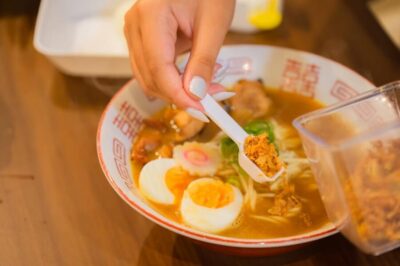
Ramen Cooking Class at a Ramen Factory with Souvenir
Read our review →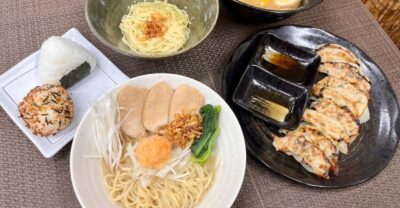
Five Must-See Highlights Walking Tour & Ramen Lunch
Read our review →
Browse the lists this tour appears in