
Reviewed · TEA CEREMONY EXPERIENCES
Tokyo: Tea Ceremony in Shibuya Tokyo
The quiet surprise here is how much you do yourself. This is not just a seated demonstration. You hear the story and etiquette of tea, watch an experienced teacher perform Otemae, then whisk your own matcha and drink it with a traditional sweet.
I like the private format, which keeps the pace personal, and the English instruction, which makes small gestures easier to understand. The main consideration is price: at $81 per person, it costs more than a quick cultural demonstration, and kimono wear costs extra.
Key points at a glance
- Private groups of one to four: You share the tea room only with your own family or friends.
- A full hands-on sequence: The class covers etiquette, a teacher’s Otemae demonstration, your own matcha preparation, and sweets.
- English-speaking instruction: Teachers explain the customs and background in English.
- Mako-san may lead the session: She is described as a charming, experienced teacher who can also help create a more traditional setting with kimono rental.
- A practical Shibuya location: This gives you a cultural activity in central Tokyo without setting aside a full day.
- Useful inclusions: Tea, Japanese sweets, facility charges, and taxes are covered, with pickup available if arranged in advance.
A quiet tea lesson in the middle of Shibuya
Shibuya is famous for giant video screens, shopping streets, and the famous crossing. This activity offers a different side of the district: a formal tea room where small movements matter more than speed.
You begin with an explanation of the tea ceremony, its background, and the basic etiquette. That opening matters. Without it, the bows, tools, serving order, and careful movements can seem like a series of rules. With context, you can see the ceremony as a practice built around attention, respect, and hospitality.
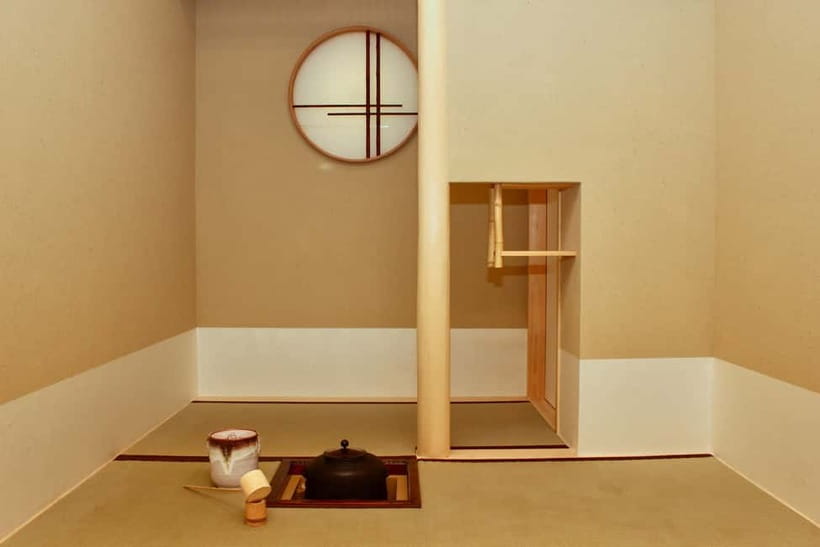
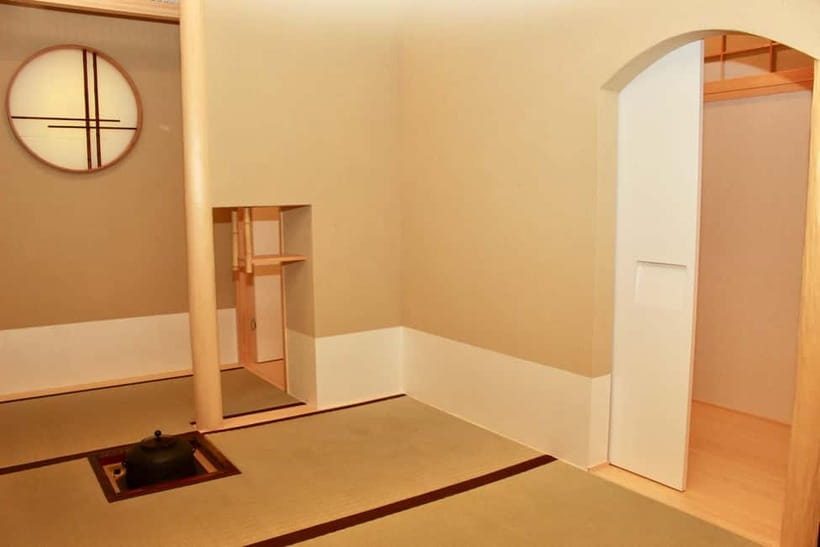
The setting is described as a prestigious tea room, so this is intended to feel more formal than a casual matcha tasting. You should expect a focused cultural class rather than a loud, drop-in attraction. The experience is private, which means your teacher can explain things at a pace that suits your group.
The exact length is not clearly set out in the booking information. One available plan is described as a shorter one-hour ceremony, so check the specific time offered when you reserve. That matters if you are fitting this between Shibuya shopping, a meal, or another timed visit.
Other tea rooms and ceremonies in Tokyo:
- Matcha Making Class in Tokyo with Authentic Japanese Sweets Set
★ 5.0 · 744 reviews - Tokyo: Traditional Tea Ceremony with a Tea Master
★ 5.0 · 528 reviews - Tokyo: Matcha Making Experience with Mochi Sweets in Asakusa
★ 4.9 · 388 reviews
What the tea ceremony actually teaches
The class starts with the story and customs of Japanese tea ceremony. You learn the basic etiquette before touching the tea tools, which helps you understand why the host and visitor move with such care.
Do not expect a lecture packed with dates and technical terms. The value is in learning how the ceremony works as a social exchange. The teacher explains what you should do, what to notice, and how the different parts fit together.
This is also a useful introduction for first-time visitors who may worry about making a mistake. Tea ceremony etiquette can look intimidating from the outside. A private class gives you room to ask questions and try again without worrying about an audience.
The English-speaking teachers are experienced in tea, and the activity is offered in English. That is important because the meaning is carried not only by the flavor of matcha, but also by the gestures and order of preparation.
Watching Otemae, the teacher’s demonstration
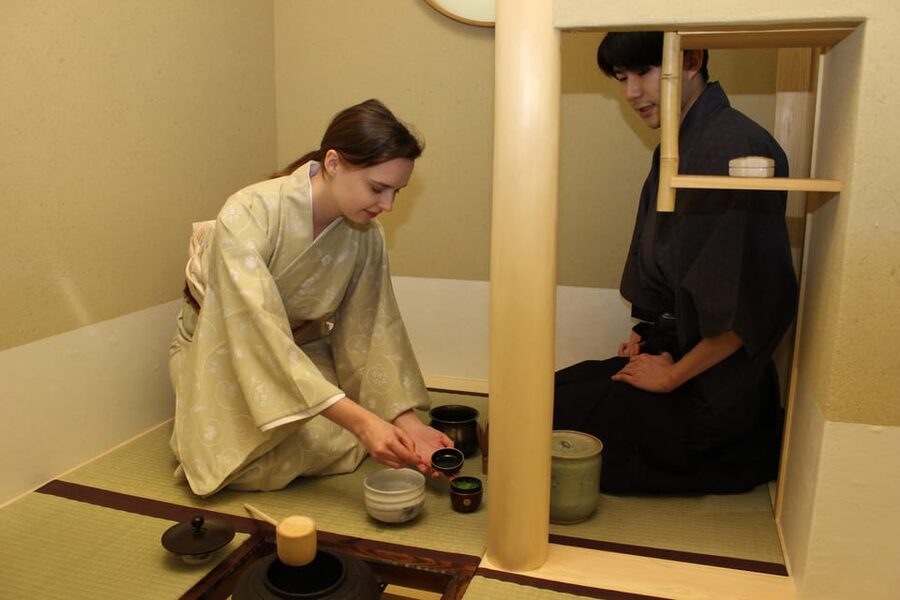
After the introduction, the teacher performs Otemae, the preparation of matcha. This is the visual center of the class. You watch the handling of the bowl, whisk, and other tea equipment while the teacher follows the established sequence.
The demonstration gives you a model to copy later. Pay attention to the pace. Tea ceremony is not about rushing toward a drink. The measured movements are part of the lesson, and they give you time to notice the tools and the relationship between host and guest.
The teacher’s manner can shape the whole experience. Mako-san is specifically associated with this activity and is described as a charming teacher with strong experience in the subject. If your booking is with her, you can expect a warm, personal presentation rather than a recorded explanation or a large group talk.
The demonstration also helps explain why this activity takes longer than simply ordering matcha in a café. You are learning a process, not just sampling a beverage.
Making your own matcha
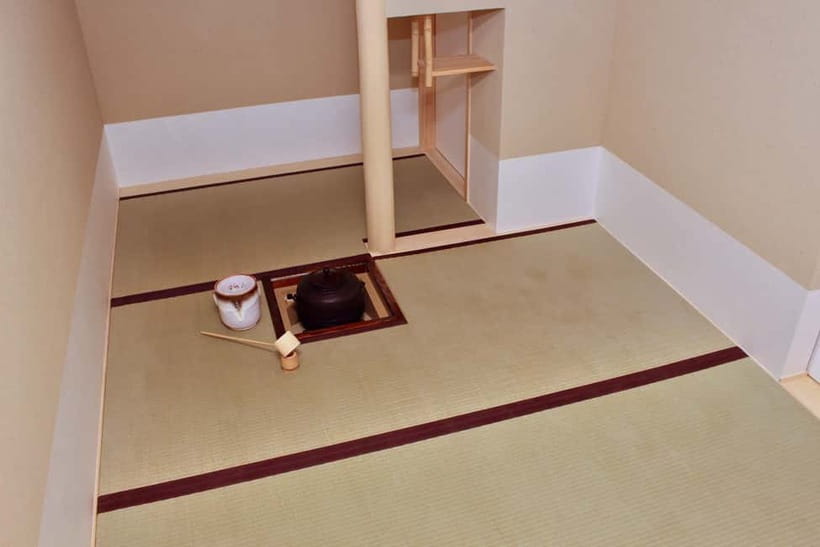
Next comes your turn. The teacher guides you as you prepare your own matcha, then you taste what you have made.
This hands-on part is one of the strongest reasons to choose the class. Watching is useful, but preparing the tea yourself makes the ceremony easier to remember. You notice the texture, the whisking motion, and the care needed to produce a smooth drink.
Your first bowl may not look exactly like the teacher’s. That is part of the fun, and the private format makes it easier to ask for help. The goal is not to pass an examination. It is to understand the work behind the cup and take part in a traditional practice.
The flavor of matcha can surprise people who are used to sweetened green tea drinks. The traditional sweet served before the tea helps balance the bitterness. It also gives you another small lesson in Japanese food culture, where the sweet and the tea are meant to work together.
Same base, a different sort of day:
- Mt Fuji and Hakone 1-Day Bus Tour Return by Bullet Train
★ 5.0 · 26,383 reviews - 1-Day Tokyo Bus Tour
★ 5.0 · 14,250 reviews - Tokyo: TOKYO SKYTREE® Admission ticket
★ 4.5 · 11,192 reviews - Tokyo: teamLab Planets TOKYO Digital Art Museum Entry Ticket
★ 4.6 · 9,779 reviews
Traditional sweets and the taste of matcha
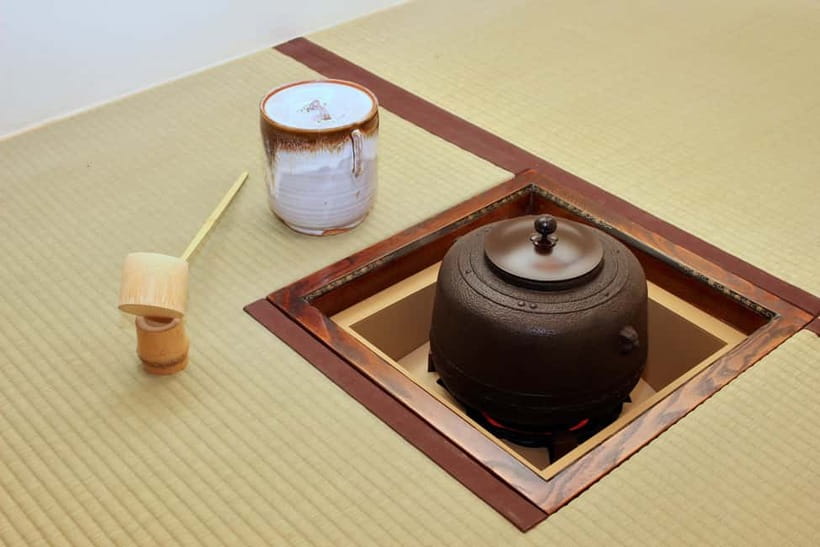
The tasting begins with Japanese traditional sweets before you make your tea. This order is more than a snack break. The sweet prepares your palate for matcha and shows how the ceremony pays attention to contrast.
The sweets are included in the price, along with the tea. That makes the experience easier to budget, since you are not adding small charges for the central tasting elements.
The flavor and type of sweet are not specified, so do not book this expecting a particular dessert. You can expect a traditional Japanese sweet served as part of the tea experience. If you have food concerns, contact the provider before booking because the available information does not explain ingredients or substitutions.
The matcha itself is also part of the lesson. You will not simply be handed a prepared cup and sent on your way. You taste the tea you made, which connects the explanation, demonstration, and practical work.
A private class makes a difference
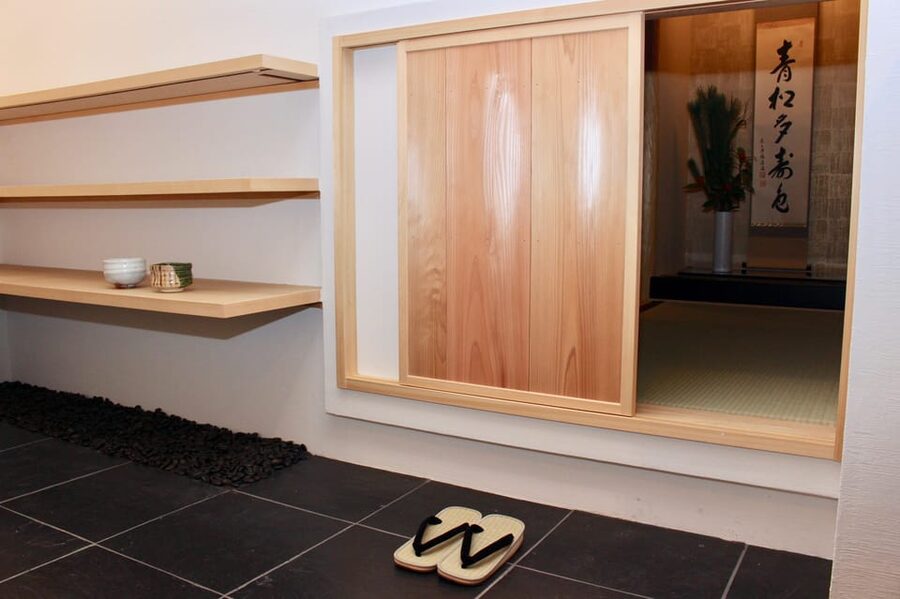
The booking accommodates one to four people, and each session is private. There are no mixed groups, so you will not be paired with strangers.
That arrangement works well for families, couples, and friends who want to share a cultural activity without performing in front of a room full of people. It also gives the teacher a better chance to answer individual questions and adjust the pace.
Solo visitors can book too. The minimum is one person, so you do not need to find companions to take part.
The private format is also the main reason the price can make sense. At $81 per person, this is not a bargain cup of tea. You are paying for a private teacher, a formal setting, instruction in English, the cultural explanation, the demonstration, your own preparation, sweets, tea, facility charges, and taxes.
For a group of four, the total cost becomes a substantial part of your Tokyo budget. For a couple or a family placing a high value on personal instruction, it may feel worthwhile. If you only want to taste matcha, a tea shop will cost less and take less time.
Kimono options and small souvenirs
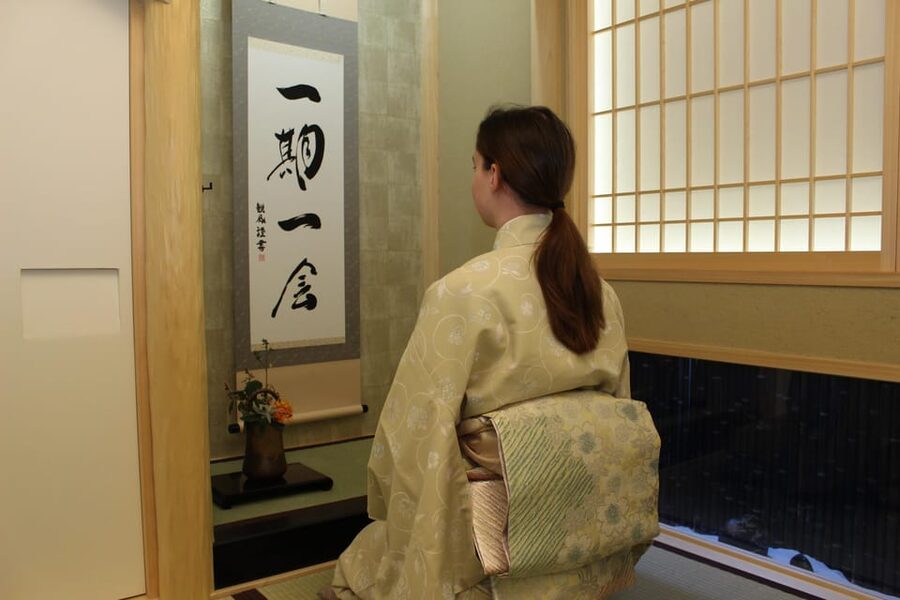
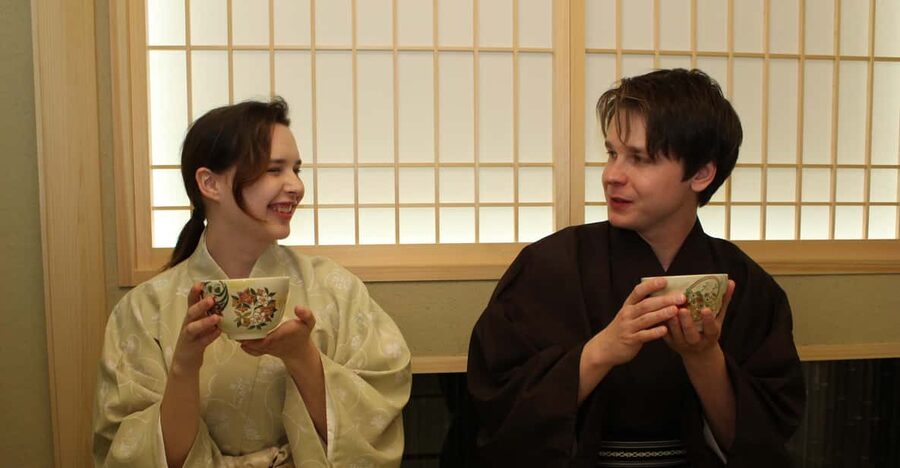
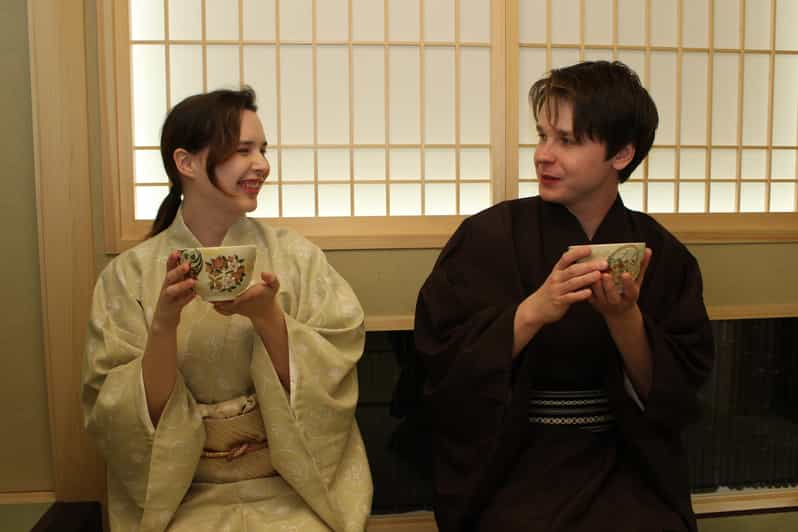
Kimono wear is available for an additional charge. One participant specifically took part in the ceremony wearing a kimono, which can make the occasion feel more formal and gives you memorable photos.
The supplied clothing guidance is practical. You should wear a skirt or trousers long enough to cover your knees. If your clothing is not suitable, the provider will lend you appropriate trousers or a wrap skirt free of charge.
That detail is helpful because tea ceremony seating and traditional movement may require more modest coverage than a casual sightseeing stop. You do not need to bring special equipment or tea tools.
Souvenirs may include items such as Pokémon figures or goods made from kimono material. These are a pleasant extra if you want a small Tokyo gift with a Japanese textile connection. They are not part of the tea lesson itself, and the information does not specify exactly which items will be available on your date.
Tea sets and matcha may also be available for purchase. If you become interested in continuing the practice at home, this can be a useful chance to look at tea equipment after the class. Purchases are separate from the $81 activity price.
Pickup and planning in Shibuya
Pickup service is available if needed, but you should contact the provider by email before booking to arrange it. The contact address provided is [email protected].
Do not assume that pickup is automatically scheduled simply because it is listed as available. Ask where the meeting point is, whether your hotel or location qualifies, and how the arrangement will work before you finalize your plans.
The activity takes place in Shibuya, on Honshu, making it easy to pair with other central Tokyo plans. Still, avoid placing it between two tightly timed reservations. Tea ceremony depends on a calm pace, and arriving hurried or leaving before the final tasting would undercut the experience.
The precise duration depends on the plan you choose. A shorter one-hour option has been used, while the general description does not promise one fixed length. Confirm the start time and duration, especially if you are visiting with children or connecting to another activity.
Is $81 good value?
The price is best judged against what is included. Tea, sweets, taxes, facility charges, English instruction, and a private session are covered. You are also receiving a guided lesson rather than a simple drink tasting.
That makes the price easier to justify for someone who wants direct contact with Japanese culture. The teacher explains the practice, demonstrates it, and lets you repeat it. A private session also avoids the limitations of a large class.
The value is weaker if your main goal is an inexpensive refreshment or a quick photo in a kimono. Kimono rental costs extra, and souvenirs or tea purchases are not included. Those additions can push the final cost higher.
I would see this as a cultural class, not a standard sightseeing ticket. If you enjoy learning how a tradition works and appreciate personal instruction, the cost is reasonable. If you prefer to spend your money on major sights, museums, or food, you may find the shorter tea stop easier to justify.
Who will enjoy this most
This is a good match for first-time visitors who want a clear introduction to tea ceremony. You do not need previous experience, and the teacher explains the etiquette before asking you to take part.
Families can also benefit from the private arrangement, since everyone can share the activity without a mixed group. The hands-on preparation gives children something active to do, though the calm and formal pace may not suit very young children who cannot sit quietly.
Couples and friends may like the kimono option and the chance to buy a small textile souvenir. Solo visitors are welcome too, and the one-person minimum removes the need to coordinate with others.
I would be less likely to recommend it to someone who dislikes structured activities or wants a casual, flexible café visit. Tea ceremony has a set order and requires attention. That structure is the point, but it will not appeal to everyone.
Booking details worth checking first
You must reserve and pay in advance, though the booking information also allows you to reserve and pay later, keeping payment flexible at the time of booking. Cancellation is allowed up to 24 hours before the activity for a full refund.
The provider is Legalis. English is the listed language, and the classes are taught by English-speaking teachers experienced in tea.
Before booking, confirm the exact plan, duration, start time, meeting arrangements, and whether pickup is needed. Email the provider in advance about pickup or any clothing concern. The stated contact is [email protected].
You do not need to bring anything special. Wear clothing that covers your knees, or use the free trousers or wrap skirt provided. If you want to wear a kimono, ask about the added charge before you commit.
Should you book this Shibuya tea ceremony?
Book it if you want to do more than watch a cultural performance. The strongest feature is the complete sequence: explanation, Otemae demonstration, traditional sweet, and your own matcha preparation, all in a private group of up to four.
The $81 price is fair for personal English instruction and included tea, sweets, taxes, and facility charges, but it is not the cheapest way to taste matcha. Add the kimono fee or souvenirs and your total rises.
My advice is simple: choose this for a calm, guided cultural lesson in central Tokyo. Skip it if you only want a quick drink or have a packed schedule with no room for a formal, unhurried experience.
FAQ
Where does the tea ceremony take place?
The experience takes place in Shibuya, Tokyo, on Honshu, Japan.
How much does the experience cost?
The listed price is $81 per person.
How many people can join one booking?
A booking can include from one to four people. Each experience is private for your group, with no mixed sessions.
Is the class taught in English?
Yes. English-speaking teachers with experience in tea lead the classes.
What happens during the tea ceremony?
You receive an explanation of the tea ceremony, its history and etiquette, watch a teacher demonstrate Otemae, make your own matcha, and taste it with a traditional Japanese sweet.
Are tea and sweets included?
Yes. Tea and sweets are included, along with facility charges and taxes.
Is pickup service available?
Pickup service is available if needed. You should contact the provider by email before booking to arrange it.
Do I need to bring anything?
Nothing special is required. You should wear a skirt or trousers long enough to cover your knees. Suitable trousers or a wrap skirt can be lent to you free of charge.
Can I cancel for a full refund?
Yes. You can cancel up to 24 hours in advance for a full refund.
Just added in Tokyo
- The 10 Tastings of Tokyo With Locals: Private Street Food Tour★ 5.0 · 48 reviews
- Small Town in the Big City: Tasting Tokyo’s Kichijoji★ 5.0 · 195 reviews
- Small Town in the Big City: Tasting Tokyo’s Kichijoji★ 5.0 · 16 reviews
- EXCLUSIVE Tokyo Secret: Kichijoji Small-Group Food & Bar Hopping★ 5.0 · 29 reviews
- Explore Kichijoji: Walk Through One of Tokyo’s Beloved Districts★ 5.0 · 21 reviews
- :Tokyo,Shibuya/ Pro Photography in Kimono / English-Friendly★ 5.0 · 26 reviews
- 【R34】Tokyo:Private Daikoku tour in Modified R34★ 4.9 · 92 reviews
- Tokyo:Calligraphy &Make your original folding fan in Asakusa★ 5.0 · 62 reviews
Tea Ceremony Experiences, compared.
Tea Ceremony in a Traditional Tea House in Kiyomizu
Read our review →
World Heritage Kyoto & Nara Uji Authentic Matcha Experience
Read our review →

Arashiyama Bamboo Forest, Monkeys, Matcha & Temple Tour
Read our review →Browse the lists this tour appears in