
Reviewed · TEMPLE & SHRINE TOURS
Tokyo: Asakusa Temple & Shrine Walking Tour with Local Guide
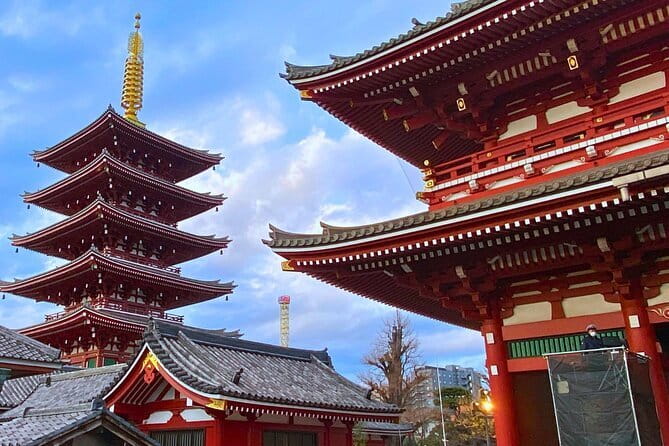
Asakusa makes a strong first impression with its giant red lantern, incense smoke, temple gates, and Tokyo Skytree rising behind it. This tour adds useful context to the sights, beginning with the golden poop sculpture by Azumabashi Bridge and ending with the rituals and stories that many first-time visitors would otherwise miss.
I like the small group of no more than eight and the chance to ask direct questions about Japanese customs, food, shopping, or Tokyo life. I also like the high viewpoint from the Asakusa Culture Tourist Information Center, which gives you a clear look over the temple grounds before you enter the crowds.
The main drawback is the pace and physical demand. You’ll walk outdoors for two hours, often through crowded areas, and the tour is not suitable for wheelchair users, people with mobility impairments, or anyone with a low level of fitness.
Key points to know before booking
- Start with Tokyo Skytree and the golden poop: The opening riverside view gives you an unusual and memorable introduction to Asakusa.
- See Asakusa from above: The tourist information center offers a useful viewpoint over the temple complex.
- Learn the difference between Buddhism and Shinto: You’ll practice the separate customs used at Sensoji Temple and Asakusa Shrine.
- Try the rituals yourself: Hand washing, incense, fortune telling, bowing, and prayer are explained in a friendly, practical way.
- Expect a personal experience: Groups are limited to eight, and some departures have ended up being private tours.
- Ask about local help: Guides have assisted with translations, restaurant suggestions, photographs, nearby shopping, and kimono rental.
Why this Asakusa walk is more than a temple photo stop
Sensoji is one of Tokyo’s most famous sights, but it can be hard to understand when you arrive alone. The giant lantern at Kaminarimon, the long Nakamise shopping street, the smoke-filled incense burner, and the main temple hall all make for good photographs. Without context, though, they can feel like a series of beautiful objects rather than a living place of worship.
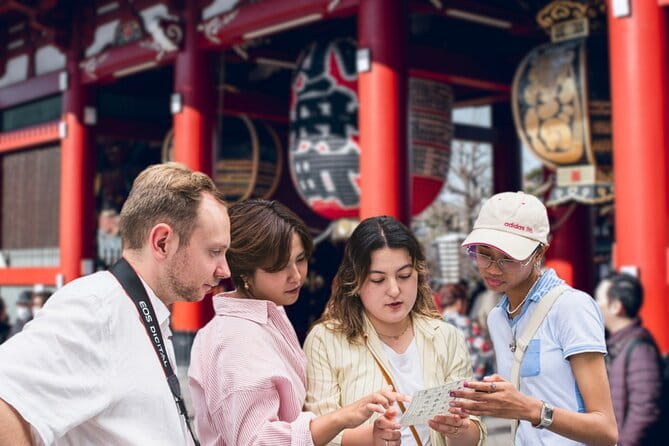
This tour is designed to explain what you are seeing and what you are doing. You learn why Kaminarimon means Thunder Gate, how visitors approach a Buddhist temple, how Shinto customs differ, and why people use incense for physical and mental healing.
I particularly like the practical teaching. Instead of simply watching a ritual, you can take part in hand washing, fortune telling, incense burning, and prayer with guidance from someone who can explain the proper order. That makes the experience useful for the rest of your time in Japan, since you will likely visit other temples and shrines.
The guides vary by date. Nicolas has been praised for his clear explanations of Shinto and Buddhism, while Erik has helped families and answered detailed questions. Lino has led relaxed tours in clear English, and Nana has been especially patient with young children. Other guides, including Diane, Ayaka, Arief, Somi, and Joe, have also led departures.
Other temples and shrines in Tokyo people book:
- Tokyo: Meiji Shrine, Asakusa, Skytree Bus Tour and Cruise
★ 4.7 · 1,986 reviews - Tokyo: Asakusa Walking Tour with Sensoji Temple Visit
★ 4.8 · 1,583 reviews - Nikko: Kegon Falls, Lake Chuzenji & Toshogu Temple
★ 4.6 · 1,577 reviews
Azumabashi Bridge and the golden poop
The walk begins near Burger King Asakusa Azumabashi, though the exact meeting point depends on the option you book. The first stop is Azumabashi Bridge, where you get a riverside view of Tokyo Skytree and the unusual gold sculpture on the Asahi Beer building.
Locals call the shape the golden poop. It is an amusing sight, and the nickname gives the opening minutes a light tone before the tour moves into more serious cultural subjects. The bridge is also a good place to get your bearings. You can see the contrast between the Sumida River, modern towers, and the older streets of Asakusa.
The stop lasts about 10 minutes. That is enough for photographs and a short explanation, but not enough for a long riverside stroll. If you want extensive time by the water, plan to return on your own.
A clear view from the Asakusa Culture Tourist Information Center
The next stop is the Asakusa Culture Tourist Information Center. The tour uses its upper level for a less obvious view across the temple area.
This viewpoint is valuable because Sensoji can feel crowded and confusing at street level. From above, you can see the layout of the gates, Nakamise shopping street, and the main temple grounds. Your guide can point out where you are headed before you enter the busiest part of the district.
I would take your best wide photographs here. At ground level, Kaminarimon and the temple gates are imposing, but the full arrangement of the complex is easier to appreciate from above. The stop lasts about 15 minutes.
Kaminarimon, the Thunder Gate
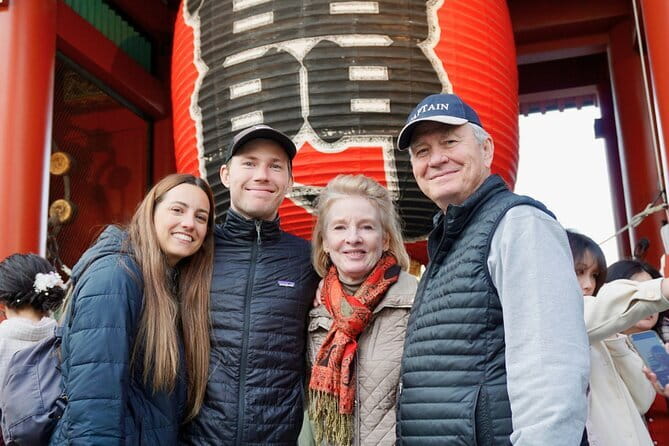
Kaminarimon is the classic entrance to Sensoji. Its huge red lantern weighs about 700 kilograms, and the guide explains the story behind both the lantern and the name Thunder Gate.
This is one of the places where a guide earns the price of admission. Most people know Kaminarimon as a famous photo spot, but the gate also introduces the religious symbolism and visual language of the temple grounds. You will have time to take pictures, listen to the explanation, and watch people moving through the entrance.
It can be crowded here, especially during popular visiting hours. A small group helps because the guide can keep everyone together without the awkwardness of a large tour stopping across the whole walkway. Still, do not expect empty photographs at this famous gate.
Other walking tours in Tokyo people book:
- Tokyo Tsukiji Fish Market Food and Culture Walking Tour
★ 5.0 · 3,184 reviews - Tokyo: Imperial Palace and Shogun Historical Walking Tour
★ 5.0 · 2,251 reviews - Tokyo: Shinjuku Local Bar and Izakaya Guided Walking Tour
★ 4.9 · 1,794 reviews - Tokyo: Tsukiji Fish Market Food and Walking tour
★ 5.0 · 1,724 reviews
Nakamise Street and the useful side of souvenir shopping
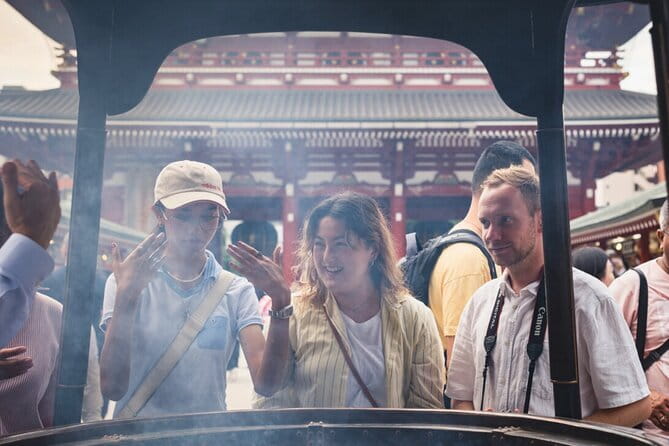
Nakamise Street leads from Kaminarimon toward the inner temple gates. Its rows of shops sell snacks, sweets, crafts, clothing, souvenirs, and small religious items.
The tour spends about 15 minutes here, with the guide explaining the cultural background of the treats and pointing out places worth your attention. You can also ask for help with translations. That is handy if you want to understand a package, ask a shopkeeper a question, or choose between unfamiliar snacks.
The short stop is more about orientation than serious shopping. You may want to return later if you find something appealing, since browsing every shop would take much longer than the tour allows. The guide can also suggest nearby places to continue afterward. One guide walked with a visitor toward Kappabashi Street, the district known for kitchen goods, while another helped arrange a lunch recommendation.
Hozomon Gate and the smaller religious sites
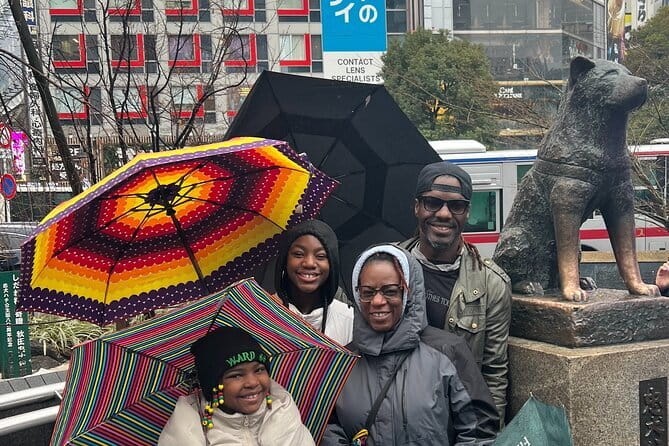
Beyond Nakamise is Hozomon Gate, another grand entrance with a different look and purpose from Kaminarimon. Here, the tour continues through the temple grounds and nearby smaller sites.
The itinerary includes several stops that are not named individually. That is a useful part of the experience because Asakusa is not only one large temple and one famous shrine. Smaller religious spaces reveal how local worship fits into the busy neighborhood.
This part of the walk also gives your guide room to explain details that are easy to overlook, such as where to walk, how to pass through a torii gate, and how temple and shrine customs differ. The guide may adjust the route to avoid the heaviest crowds or spend more time on questions that interest your group.
The exact balance can change. A group focused on architecture may hear more about buildings and history, while a family may spend more time on rituals and simple explanations. The relaxed approach is a benefit, but it also means this is not a rigid lecture with the same script at every stop.
Sensoji Temple and the rituals you can try
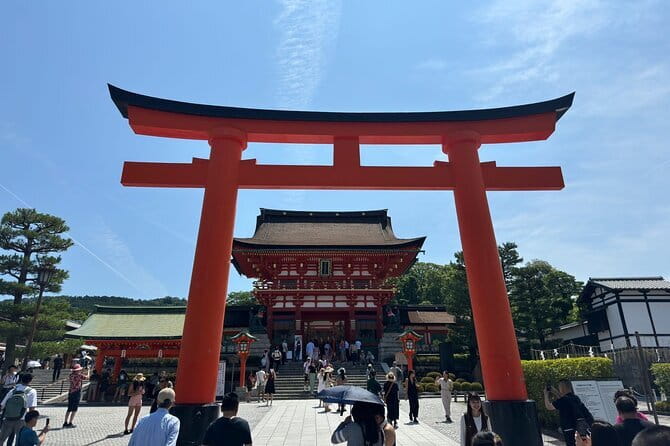
Sensoji is the heart of the tour and receives about 30 minutes. It is Tokyo’s oldest temple, and the scale of the grounds helps explain why Asakusa became such an important traditional district.
Before entering the main hall, your guide explains temizu, the hand-washing ritual used to purify yourself. You learn how to use the water properly rather than treating the basin as a simple hand-washing station.
You may also try omikuji, the traditional fortune-telling practice. If you receive an unfavorable fortune, the guide can explain what people traditionally do with it. The experience is light and interactive, but it also gives you a better sense of how visitors use the temple today.
Another stop involves incense smoke. People waft it toward themselves for healing, including physical and mental well-being. Your guide explains how to approach the incense burner and what the gesture means. This is one of the tour’s strongest features because you are not merely taking pictures of a ritual from a distance.
Inside Sensoji, you learn the Buddhist style of prayer. The guide explains the process and shows you how to bow correctly. Small points like these matter. They help you act respectfully and give you confidence when you visit another Buddhist temple later in your trip.
Photography is allowed in many parts of the grounds, but this remains an active religious site. Follow the guide’s instructions and be aware of people who are there to pray, not pose for photographs.
Asakusa Shrine and the meeting of two traditions
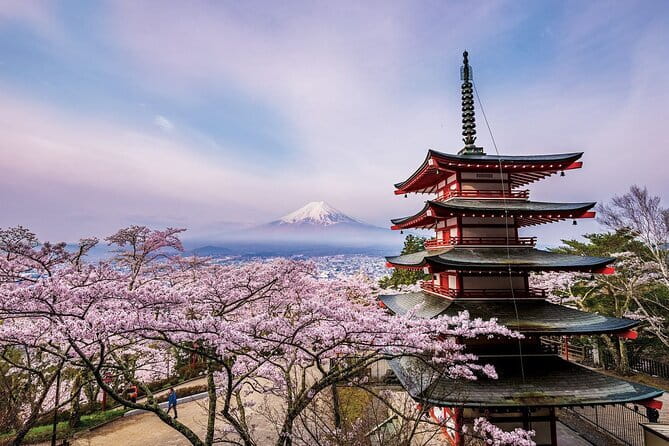
Asakusa Shrine sits close to Sensoji, yet it follows Shinto customs rather than Buddhist ones. Seeing both sites in one walk makes the difference easier to understand.
At the shrine, your guide explains another form of prayer and the proper way to approach the torii gates. You learn why walking directly down the center can be discouraged, since that space is traditionally associated with the deity. The guide also explains how Shinto and Buddhism have coexisted in Japan, often within the same neighborhood and sometimes within the same larger religious complex.
This is where the tour offers more than basic sightseeing. Many people notice that temples and shrines look different, but fewer understand how the rituals differ. Learning the separate patterns of bowing, hand washing, and prayer gives you a practical framework for future visits.
The Asakusa Shrine stop lasts about 15 minutes. It is shorter than the Sensoji visit, but it completes the tour’s main theme: Asakusa is shaped by both Buddhist and Shinto traditions.
What the two-hour format feels like
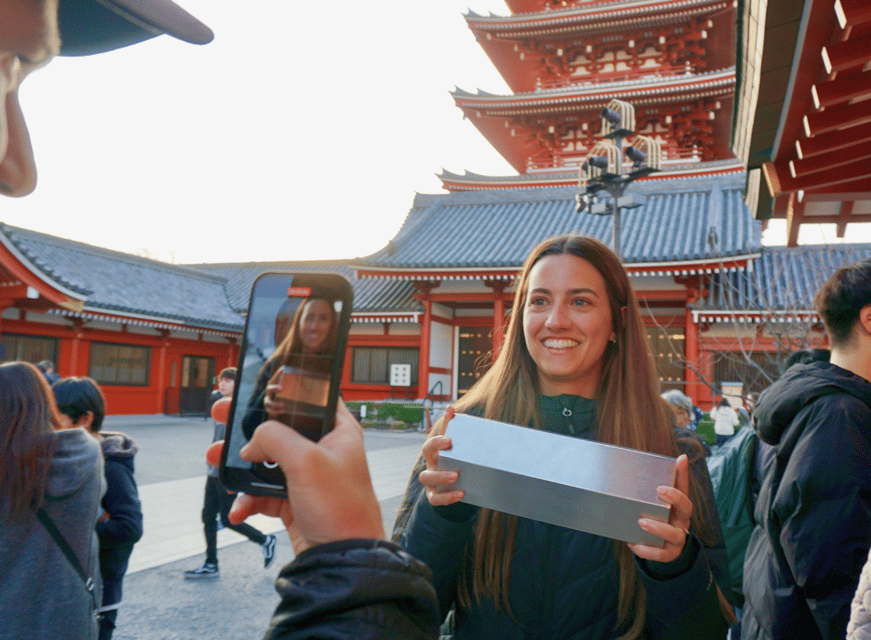
Two hours is enough to cover the key sights without turning the experience into an all-day commitment. That makes it easy to fit into a first day in Tokyo, especially if you want an introduction before exploring Asakusa on your own.
The tour is walking-only, so wear comfortable shoes and bring water. There are vending machines along the way, but a hot or rainy day can still make the route tiring. The tour operates in changing weather, so dress for the conditions and bring rain protection when needed.
The pace is generally relaxed, according to the way guides have handled hot weather, rain, and family groups. Even so, the route includes outdoor walking, crowded streets, and temple grounds that may not be easy for everyone. It is not suitable for wheelchair users or people with mobility limits.
English and French tours are available. The group limit is eight people, though some departures may be much smaller. Several visitors have ended up with only one or two people in their group, which changes the feel from a standard group walk to something closer to a personal orientation.
Is the $30 price good value?
At $30 per person, this is reasonably priced for a two-hour guided walk in central Tokyo. You are paying for local explanation, help with customs, a high viewpoint, and access to smaller sites that you might pass without noticing.
The value is strongest if this is your first visit to Japan or your first temple and shrine experience. Learning how to behave at religious sites can prevent awkward mistakes for the rest of your trip. The guide can also answer questions that are not strictly about the route, such as food, nearby shopping, translations, and what to do next.
The price does not include snacks, souvenirs, or other personal purchases. It also does not include a meal. If you want to shop seriously along Nakamise Street or spend a long time at each temple, you will need extra time after the tour.
Free cancellation is available up to 24 hours before the start, and you can reserve while paying later. Since the group is capped at eight, booking ahead is sensible during busy travel periods.
Who should book this Asakusa walk?
I would recommend it to first-time visitors who want a clear introduction to Japanese religious customs. It also suits solo visitors, since the small group makes it easy to ask questions and meet others without the formality of a large bus tour.
Families can do well here if children are comfortable walking for two hours. Nana’s approach with children aged five and eight shows how the tour can be adapted with simple explanations and plenty of patience. Still, parents should consider the weather, crowds, and walking distance.
Couples will appreciate the photo stops and the chance to ask for help finding good angles. Solo visitors can ask for pictures, translations, and suggestions for the rest of the day. The tour may also suit anyone interested in a kimono experience, since the company partners with a rental shop about two minutes from the meeting point.
You should skip it if you want a quiet, private temple visit with no shopping streets or crowds. You should also choose a shorter or less active option if two hours on foot would be difficult.
My final take on the Asakusa Temple and Shrine walk
Book this tour if you want Asakusa to make sense, not just look attractive in photographs. The combination of riverside views, Kaminarimon, Nakamise, Sensoji, Asakusa Shrine, smaller religious sites, and hands-on rituals gives you a well-shaped introduction to the district.
I especially like the way the tour connects Buddhist and Shinto practice. The guide does not leave you guessing about when to bow, how to pray, or why people burn incense. At $30, that practical instruction and small-group attention make this a good early-Tokyo choice.
Choose a sunny or cool day if you can, wear sturdy shoes, and leave room in your schedule to continue exploring afterward. If you want a guide who can help with the next part of your day, ask about local food, Kappabashi Street, kimono rental, or nearby shopping before the tour ends.
FAQ
How long does the Asakusa Temple and Shrine tour last?
The tour lasts two hours, including the walk between the riverside, viewpoint, gates, shopping street, temple, shrine, and smaller religious sites.
Where does the tour start?
The listed starting point is Burger King Asakusa Azumabashi, but the exact meeting point may vary depending on the option you book.
What places do you visit?
You visit Azumabashi Bridge, the Asakusa Culture Tourist Information Center, Kaminarimon Gate, Nakamise Shopping Street, Hozomon Gate, Sensoji Temple, Asakusa Shrine, and smaller local temple or shrine sites.
What languages are available?
The tour is available in English and French.
How large is the group?
The group is limited to eight participants. Some departures may have fewer people and can feel close to a private tour.
Are temple rituals included?
Yes. You can learn about and take part in temizu hand washing, omikuji fortune telling, incense rituals, Buddhist prayer, bowing, and proper movement through torii gates.
Is there a dress code?
No. There is no dress code, and tattoos are welcome. You should still dress for the weather and wear comfortable shoes.
What should I bring?
Bring comfortable walking shoes and water. Vending machines are available during the tour, but water is especially useful on hot days.
Can I cancel or pay later?
You can cancel up to 24 hours before the tour for a full refund. A reserve-now, pay-later option is also available.
More walking tours elsewhere in Japan
- Tokyo: Tsukiji Fish Market Guided Walking Tour
★ 4.9 · 1,397 reviews - Tokyo Castle & Imperial PalaceーShogun Walking Tour
★ 4.7 · 1,068 reviews - Tokyo: Imperial Palace Japanese History Walking Tour
★ 4.9 · 987 reviews - Tokyo: Imperial Palace and Shogun Walking Tour
★ 4.9 · 935 reviews
More temples and shrines elsewhere in Japan
- Tokyo: Nikko Toshogu Shrine and Kegon Waterfall Tour
★ 4.5 · 1,266 reviews - Tokyo Panoramic 1 Day: Meiji Shrine, Asakusa, Odaiba and SKYTREE®
★ 4.5 · 1,222 reviews - Tokyo: Zen Meditation at a Private Temple with a Monk
★ 5.0 · 510 reviews - Mt. Fuji Heritage Tour: Traditional Villages, Lakes & Shrine
★ 4.5 · 509 reviews
Just added in Tokyo
- The 10 Tastings of Tokyo With Locals: Private Street Food Tour★ 5.0 · 48 reviews
- Small Town in the Big City: Tasting Tokyo’s Kichijoji★ 5.0 · 195 reviews
- Small Town in the Big City: Tasting Tokyo’s Kichijoji★ 5.0 · 16 reviews
- EXCLUSIVE Tokyo Secret: Kichijoji Small-Group Food & Bar Hopping★ 5.0 · 29 reviews
- Explore Kichijoji: Walk Through One of Tokyo’s Beloved Districts★ 5.0 · 21 reviews
- :Tokyo,Shibuya/ Pro Photography in Kimono / English-Friendly★ 5.0 · 26 reviews
- 【R34】Tokyo:Private Daikoku tour in Modified R34★ 4.9 · 92 reviews
- Tokyo:Calligraphy &Make your original folding fan in Asakusa★ 5.0 · 62 reviews
Temple & Shrine Tours, compared.

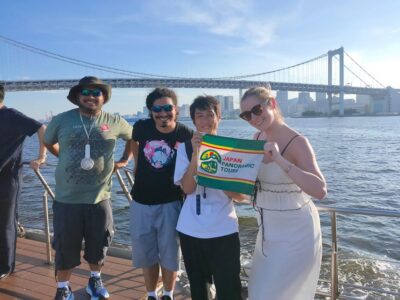
Meiji Shrine, Asakusa, Skytree Bus Tour and Cruise
Read our review →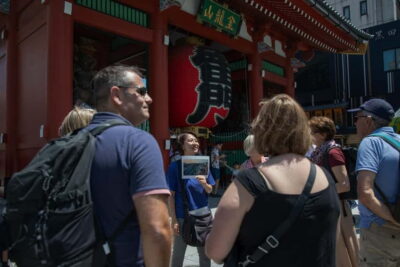
Asakusa Walking Tour with Sensoji Temple Visit
Read our review →
Kamakura & Enoshima Day Trip including Temple Tickets
Read our review →
Nikko Toshogu Shrine and Kegon Waterfall Tour
Read our review →
Tokyo Panoramic 1 Day: Meiji Shrine, Asakusa, Odaiba and SKYTREE®
Read our review →
1-Day Snow Monkeys, Zenko-ji Temple & Sake in Nagano
Read our review →Browse the lists this tour appears in