
Reviewed · TEA CEREMONY EXPERIENCES
Asakusa: Kimono Tea Ceremony with Matcha and Sweet
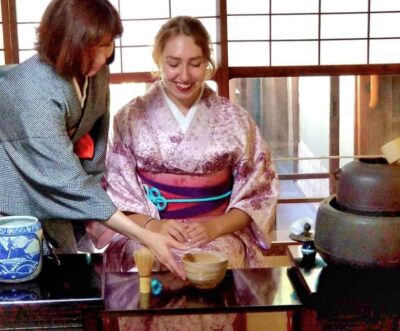
The best part of this Asakusa experience is the change of pace. First, you are fitted into a seasonal kimono, complete with obi and accessories. Then you sit in a quiet tea room, watch a tea master prepare matcha, and make your own bowl. I especially like the hands-on whisking and the chance to learn what the ceremony means instead of simply posing in costume.
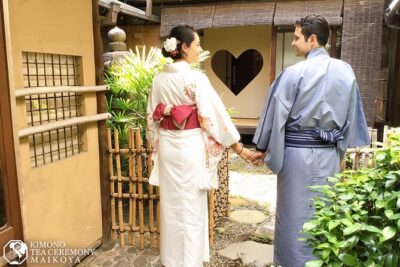
I also like the careful photo time, including small indoor setups and a garden area. Staff have helped solo participants take photos, and couples can photograph each other in full dress. The main consideration is seating: the ceremony takes place on tatami mats, and the room stays quiet and calm. Request bamboo chairs ahead of time if kneeling is difficult.
Key points to know before booking
- Kimono selection comes first: Choose from many colors and patterns, then match the obi, hairpiece, and other accessories.
- Hair styling is included for women with long hair: The styling is quick and designed to suit the kimono.
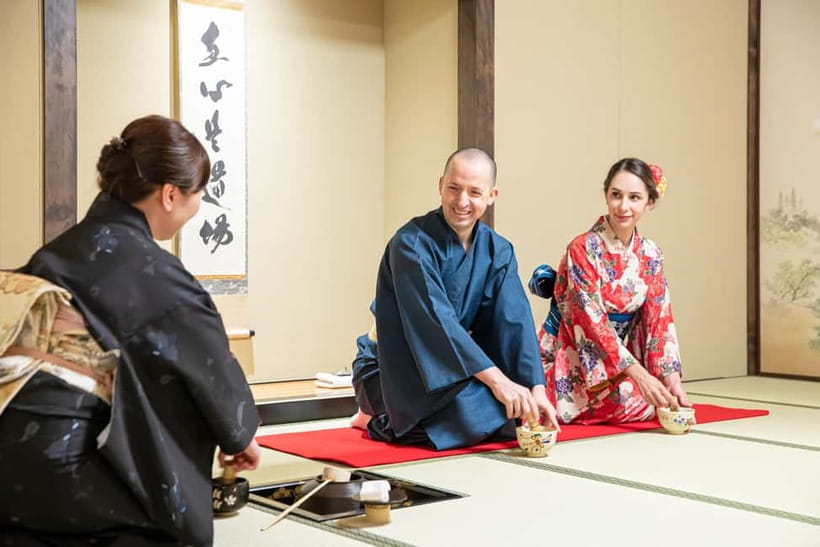
- You make your own matcha: Watch the demonstration, then whisk a bowl yourself under English guidance.
- The ceremony explains four Zen ideas: Wa, Kei, Sei, and Jaku mean harmony, respect, purity, and tranquility.
- Photo time is part of the appeal: Use the small garden and indoor setups, with staff help when needed.
- Expect a group of about 12 to 14 people: The size can vary, and some sessions may feel more intimate than others.
Choosing a Kimono in Asakusa
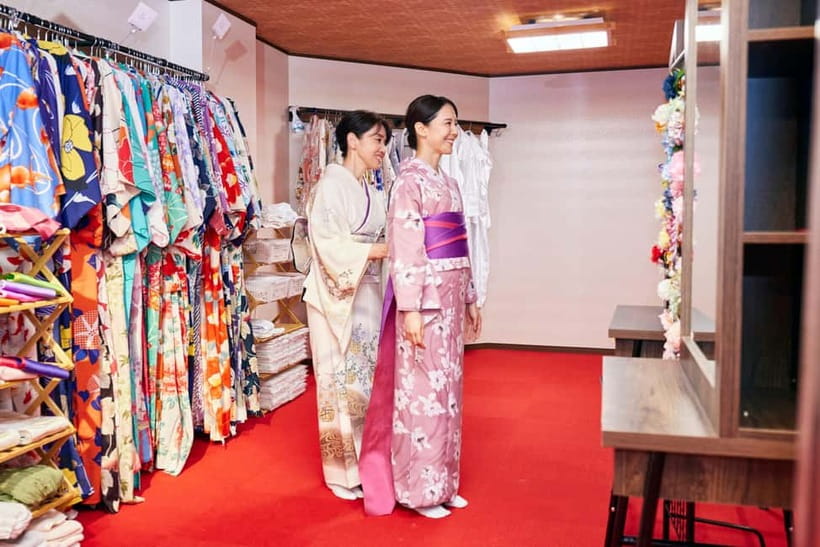
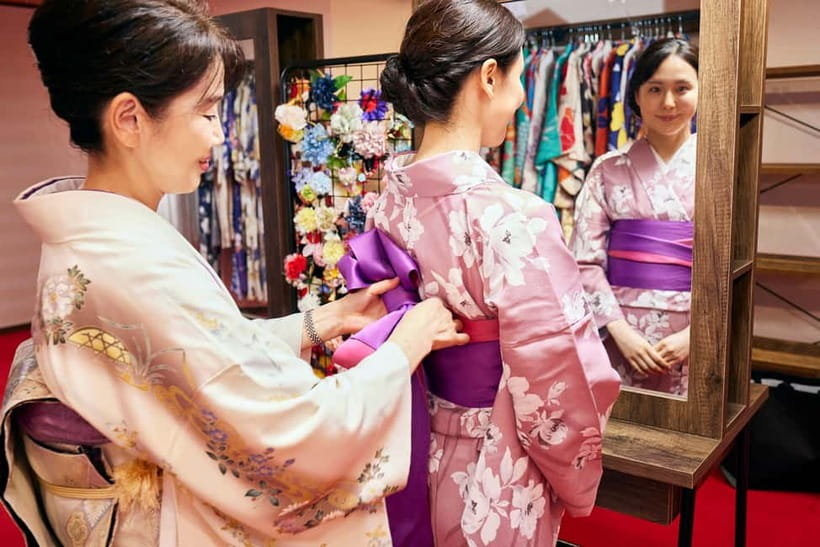
Your visit begins with the most visual part: choosing what to wear. The selection includes seasonal colors and patterns, and staff help match the kimono with an obi, hairpiece, and accessories. That assistance matters because the choices can feel less simple than they first appear. If you already know which colors suit you, you will save time. If not, the staff can help create a balanced outfit.
The dressing itself is not a quick costume change. A kimono has several layers and needs to be tied properly so it sits neatly. You will want to allow enough time to stand still while the staff work. Past participants have singled out the dressing team for being patient and friendly, which is useful when you are unfamiliar with the clothing.
The result feels more complete than simply renting a robe for a photo. The obi and hairpiece make the outfit look finished, and the staff choose details that fit together. Women with long hair receive styling as part of the experience. Short hair is not covered by the included hair-styling service, so keep that in mind if the hairstyle is important to you.
For couples, the dressing creates a fun reveal moment. You may be prepared separately or simply avoid seeing the final look until both outfits are ready. That can make the photo session feel more special, particularly for a birthday, anniversary, or first trip to Japan.
Other dressing and photo sessions in Tokyo:
- Let’s make kimono !(Kimono is a gift for you
★ 5.0 · 252 reviews - Tokyo: Matcha and Kimono Experience
★ 4.7 · 219 reviews - Tokyo: Asakusa Kimono Dressing and Matcha Experience
★ 4.9 · 173 reviews
Hair Styling and the Small Photo Garden
Once dressed, you have time to see the finished look before entering the tea room. The venue has a small garden and several indoor photo setups. These are useful because you do not need to search for a scenic backdrop while wearing clothing that can make walking difficult.
Staff may also help take photos. This is especially valuable if you are traveling alone. One solo participant received extended help with photos, while staff have also assisted couples with pictures together. You should still expect to direct the shots you want, but the extra help means you are not limited to selfies.
Some people have been able to wear the kimono for a short period after the ceremony and walk around nearby. Treat this as something to confirm when you arrive rather than a guaranteed part of every booking. The experience itself includes kimono rental, but the exact arrangement after the tea ceremony may depend on the venue and timing.
The photo time is not just decoration. It gives you a chance to appreciate the outfit after sitting through the dressing process. It also breaks up the formal mood before the ceremony begins.
Entering the Tea Room
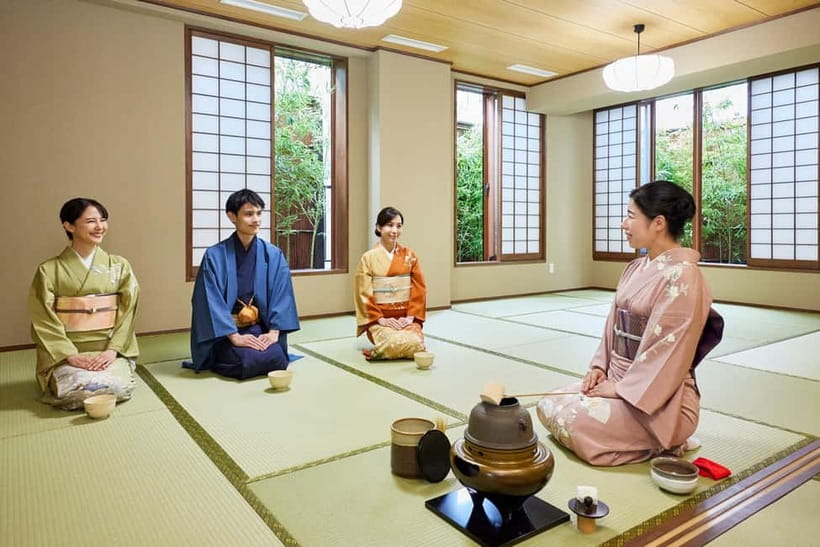
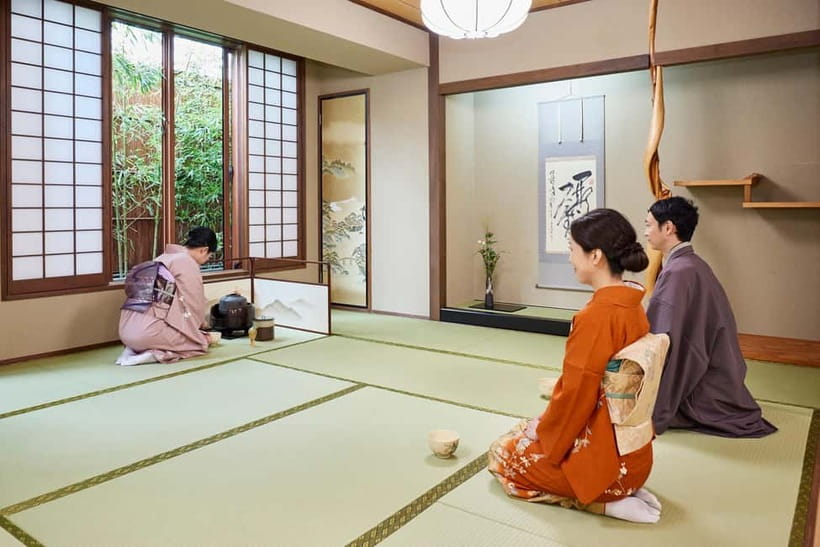
The tea ceremony takes place in a quiet room with tatami seating. Remove your shoes before entering, and expect the atmosphere to be calm rather than chatty. This is not a fast demonstration squeezed between sightseeing stops. The host explains the purpose of each movement and gives you time to watch.
English guidance is provided throughout. Past hosts have included Mia, Wakana, Yoko, and Kyoko, and the presentation can feel warm and personal. One host adjusted the language for people who spoke Japanese, adding English when needed. The listed teaching language is English, so you can take part without knowing Japanese.
The group size is usually around 12 to 14 people, though some sessions may feel smaller. One reported session included only two couples, while other bookings may bring together a larger group. This is worth considering if you want a private ceremony. You are booking a shared cultural activity, not a one-on-one lesson.
The quiet setting is part of the point. You will not be encouraged to talk through every moment or take constant pictures during the preparation. Put your phone away while the host works, then use the photo time before or after the ceremony.
Four Ideas Behind the Tea Ceremony
The host introduces four principles that shape the ritual:
- Wa, or harmony: The host, guests, room, utensils, and season are brought together in balance.
- Kei, or respect: You learn to handle the tea bowl and other objects with care.
- Sei, or purity: Cleaning and orderly movements prepare the room and mind.
- Jaku, or tranquility: The ceremony slows your attention and creates a calm setting.
These ideas give the activity more substance than a simple matcha tasting. You are not only watching someone whisk tea. You are being shown why the movements are deliberate and why the room is arranged with such care.
The tea tools may include cherished artifacts, and the host demonstrates how each is handled. You will see the order of the preparation before trying it yourself. The ceremony is formal, but the English explanations and friendly staff keep it approachable for first-time participants.
Do not expect a long lecture on every period of Japanese history. The focus is practical: watch, listen, and understand the etiquette well enough to participate. For many people, that is the right balance during a 90-minute activity.
Other tea rooms and ceremonies in Tokyo:
- Matcha Making Class in Tokyo with Authentic Japanese Sweets Set
★ 5.0 · 744 reviews - Tokyo: Traditional Tea Ceremony with a Tea Master
★ 5.0 · 528 reviews - Tokyo: Matcha Making Experience with Mochi Sweets in Asakusa
★ 4.9 · 388 reviews - Tea Ceremony Experience in a Private Tea Room in Shibuya
★ 4.9 · 125 reviews
Whisking Your Own Matcha
The hands-on part arrives after the demonstration. You receive the chance to prepare your own bowl of matcha using the traditional whisking method. The host guides you through the process, so you do not need prior experience.
This is where the activity becomes more memorable than a standard tea tasting. You are paying attention to the tool, the movement, the bowl, and the finished tea. It is a small task, but it connects you with the ceremony instead of leaving you as an observer.
Matcha has a distinct taste that can be grassy, earthy, and slightly bitter. The included wagashi helps balance it. The sweets are seasonal Japanese confections, designed to reflect the time of year in shape, color, or flavor. At least one participant found the sweets suitable for a vegan diet, but you should confirm dietary needs in advance if they are important to you.
The portion is a tasting rather than a meal. The package includes matcha and wagashi, but no other food. Plan to eat before or after if you need lunch or dinner.
Why Asakusa Makes a Good Setting
The activity places you in one of Tokyo’s best-known traditional districts, but the ceremony itself is indoors and focused. That makes it a useful break from walking around Asakusa’s temples, shops, and streets.
You do not need transportation as part of the booking, so you must arrange your own way to the venue. Build in time to arrive before the session begins, especially if you are navigating Tokyo transit or wearing shoes that are easy to remove. Since shoes are not allowed inside, simple footwear makes the changeover easier.
The location also gives you options afterward. If the venue permits you to keep the kimono for a while, you might walk nearby for more photos. In cold weather, that may be less appealing. One participant chose not to go outside because of the winter temperature, which is a sensible reminder that comfort matters more than getting one extra picture.
Is the $66 Price Good Value?
At $66 per person, this is not the cheapest way to drink matcha in Tokyo. It is also not simply a tea tasting. The price includes kimono rental, professional dressing, women’s hair styling for long hair, an English-guided ceremony, matcha preparation, wagashi, and time for photographs.
I consider the value strong if you want several experiences combined into one appointment. Separate kimono rental and dressing can take time to arrange, and a tea ceremony may be difficult to understand without guidance. Here, the staff handle the clothing while the host explains the ritual.
The value is less clear if you mainly want a long sightseeing walk in a kimono or a private lesson. The ceremony lasts about 90 minutes, and the group may have up to 12 to 14 people. Ask about wearing the kimono afterward if that is central to your plans.
Free cancellation up to 24 hours before the activity and a reserve-now, pay-later option make the booking fairly flexible. Starting times vary, so check the available slot against your Asakusa plans.
Comfort, Clothing, and Who Should Book
The ceremony uses tatami mats, which means sitting on the floor. You can request bamboo chairs in advance, and you should do so before arrival if kneeling or sitting low is uncomfortable. The activity is not suitable for children under seven.
This experience suits you best if you:
- Want a cultural activity with clear English guidance
- Enjoy dressing up and taking photos
- Are curious about Japanese etiquette and traditional arts
- Prefer a calm indoor activity
- Are traveling as a couple, with friends, or alone
- Want to try making matcha instead of simply drinking it
It may not suit you if you dislike formal settings, cannot sit on tatami mats even with a chair, or want a full meal. The room is intentionally quiet, and the ceremony rewards attention rather than constant conversation.
The staff’s personal touch is a real advantage. Hosts have remembered birthdays, helped with photographs, and adjusted explanations for different language abilities. Those small details can make the appointment feel more welcoming without changing the formal character of the ceremony.
The Best Way to Plan Your 90 Minutes
Arrive ready to remove your shoes and spend time choosing your outfit. Wear clothing that is comfortable under a kimono, though no special dress code is provided. Avoid building a rushed temple visit immediately afterward, since dressing and photos can make the appointment feel fuller than the tea demonstration alone.
A practical order looks like this:
- Choose the kimono, obi, accessories, and hairpiece.
- Receive professional dressing and, for women with long hair, hair styling.
- Take initial photos in the garden or indoor settings.
- Enter the tea room and learn the ceremony’s etiquette.
- Watch the tea master prepare matcha.
- Whisk your own matcha.
- Taste the tea with seasonal wagashi.
- Take more photos and ask about wearing the kimono nearby afterward.
The exact timing within the 90 minutes can vary, so do not count on a precise number of minutes for each stage. The main experience is the combination of preparation, ceremony, tasting, and photographs.
Should You Book the Kimono Tea Ceremony?
Book it if you want an easy introduction to two Japanese traditions at once. The strongest reasons are the careful kimono fitting, the English explanations, the chance to make your own matcha, and the generous photo opportunities. It works particularly well for couples, solo visitors, and anyone marking a special occasion.
Think twice if you want a private ceremony, a full meal, or extensive time walking outdoors in costume. Also request a bamboo chair in advance if floor seating may be painful.
For $66, the experience offers more than a short cultural demonstration. You receive the clothing, styling, instruction, tea, sweets, and a set of memories you can photograph. If that mix appeals to you, this is a practical and pleasant way to add a traditional Japanese experience to an Asakusa day.
FAQ
How long does the kimono tea ceremony last?
The full experience lasts approximately 90 minutes.
What is included in the price?
The price includes the traditional tea ceremony, kimono rental and professional dressing, hair styling for women with long hair, matcha preparation, seasonal wagashi, and English guidance.
Is the activity conducted in English?
Yes. The instructor and staff provide full English guidance throughout the experience.
Can I choose my own kimono?
Yes. You can select from seasonal kimono options, with staff helping you choose the obi, hairpiece, and accessories.
Is hair styling included?
Hair styling is included for women with long hair.
Do I have to sit on the floor?
The ceremony uses tatami mats, so floor seating is standard. Bamboo chairs are available if requested in advance.
Are children allowed to join?
Children under seven years old are not permitted to take part.
Is food included?
The activity includes matcha and seasonal Japanese sweets called wagashi. No other meal is included.
Can I cancel the booking?
You can cancel up to 24 hours in advance for a full refund. A reserve-now, pay-later option is also available.
Just added in Tokyo
- The 10 Tastings of Tokyo With Locals: Private Street Food Tour★ 5.0 · 48 reviews
- Small Town in the Big City: Tasting Tokyo’s Kichijoji★ 5.0 · 195 reviews
- Small Town in the Big City: Tasting Tokyo’s Kichijoji★ 5.0 · 16 reviews
- EXCLUSIVE Tokyo Secret: Kichijoji Small-Group Food & Bar Hopping★ 5.0 · 29 reviews
- Explore Kichijoji: Walk Through One of Tokyo’s Beloved Districts★ 5.0 · 21 reviews
- :Tokyo,Shibuya/ Pro Photography in Kimono / English-Friendly★ 5.0 · 26 reviews
- 【R34】Tokyo:Private Daikoku tour in Modified R34★ 4.9 · 92 reviews
- Tokyo:Calligraphy &Make your original folding fan in Asakusa★ 5.0 · 62 reviews
Tea Ceremony Experiences, compared.
Tea Ceremony in a Traditional Tea House in Kiyomizu
Read our review →
World Heritage Kyoto & Nara Uji Authentic Matcha Experience
Read our review →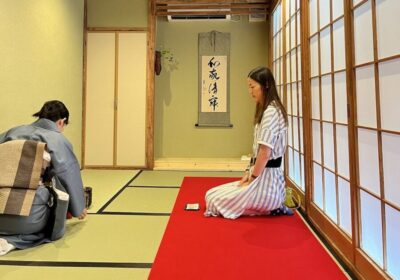
Arashiyama Bamboo Forest, Monkeys, Matcha & Temple Tour
Read our review →Browse the lists this tour appears in