
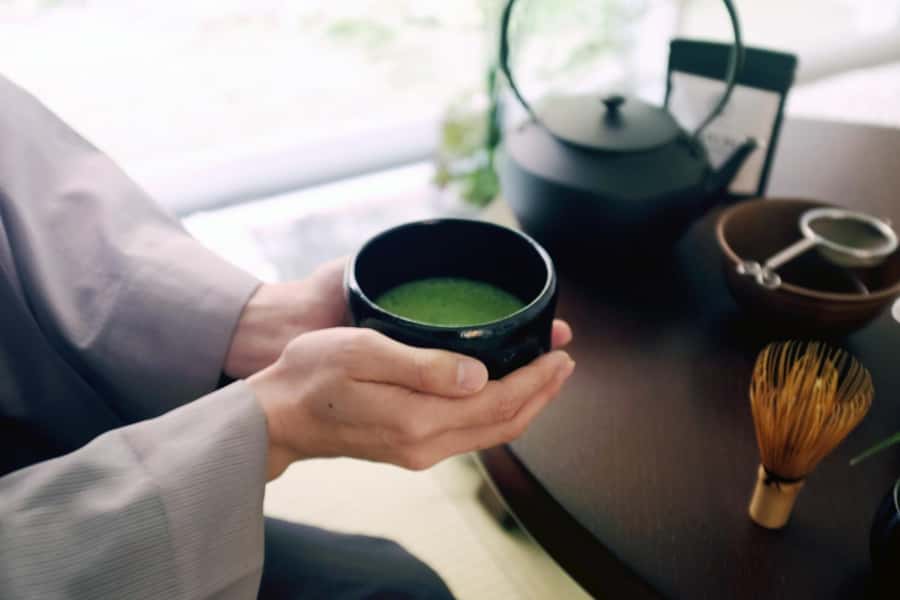
Reviewed · TEA CEREMONY EXPERIENCES
Tokyo: Matcha and Kimono Experience
The best part of this Tokyo activity is that you do not simply drink matcha and pose in a kimono. You learn why the tea matters, how to recognize better powder, and what each movement in a tea ceremony means. Komei, the warm and engaging host, leads the lesson in a local flat near Shinjuku.
I like the chance to taste matcha from a collection of more than 100 Japanese teas, and I like that you make the drink yourself rather than just watching a demonstration. The main consideration is pace: the kimono selection and dressing can take a good share of the session, so anyone wanting a long, formal tea ceremony may find the matcha practice shorter than expected.
Key points
- Taste first-flush matcha: Sample carefully selected tea described as the season’s highest-quality first picking, then use your eyes, nose, and tongue to compare styles.
- Wear an easy kimono: Choose traditional clothing that can be put on quickly, rather than waiting through the roughly 30-minute process used for a standard kimono.
- Learn four connected traditions: The lesson covers matcha, tea ceremony, teaism, and kimono customs in one sitting.
- Make your own bowl: Practice the four main points for preparing a good matcha at home, then learn the basic way to drink it.
- See beyond the green powder: Compare genuine matcha with imitation products and learn why Japanese and overseas versions can differ.
- Meet near Yotsuya: The workshop is about a six-minute walk from Yotsuya Station and finishes at the same address.
A small tea room near Yotsuya
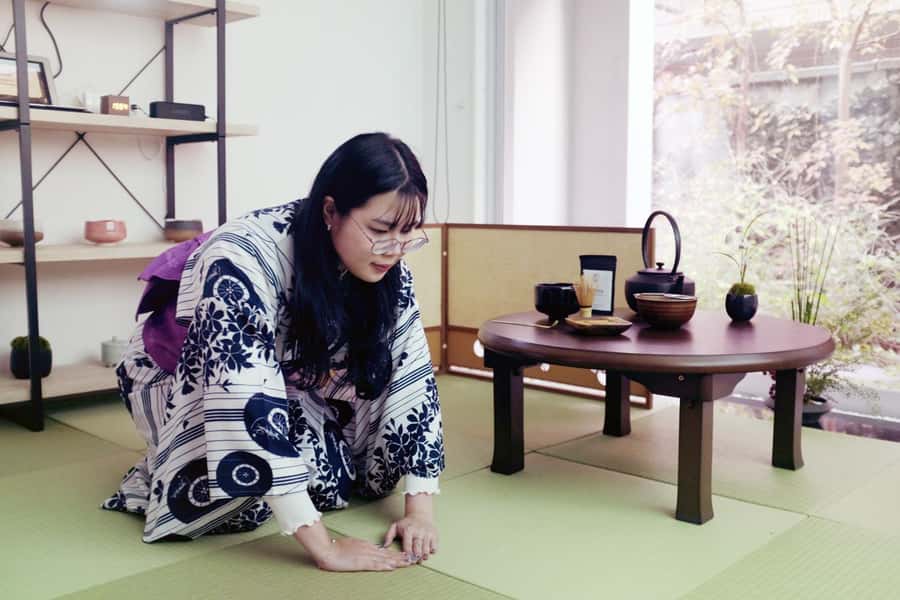
This is a compact cultural workshop rather than a grand performance in a historic temple. You meet the guide in front of the LUUP scooter stand beside the ACN Yotsuya Building, where a workshop sign marks the spot. From Yotsuya Station, allow about six minutes on foot.
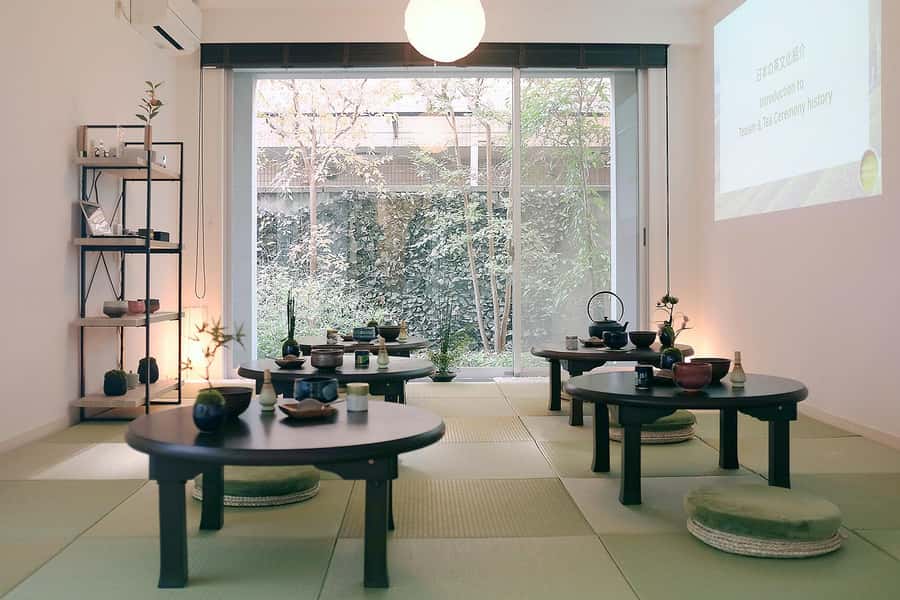
The location is useful for a Tokyo day plan. It is close to Shinjuku, but quieter and more residential than the major station area. You enter a local flat with a decorated tea room, where the setting helps the lesson feel personal. The group size can be small, with one session reported at only five people, though the exact size may vary.
You return to the same meeting point when the activity ends. That makes the workshop easy to fit between sightseeing stops, especially if you do not want to spend half a day crossing Tokyo.
Arrive early. The booking is canceled automatically after 10 minutes of lateness, with no refund. Tokyo train stations can be confusing, so do not count on finding the entrance at the last second.
Other dressing and photo sessions in Tokyo:
- Let’s make kimono !(Kimono is a gift for you
★ 5.0 · 252 reviews - Kimono Tea Ceremony at Kyoto Maikoya, NISHIKI
★ 5.0 · 911 reviews - Kyoto: Kimono Rental with Hairstyling and Accessories
★ 4.8 · 653 reviews
Choosing a kimono without the long dressing ritual
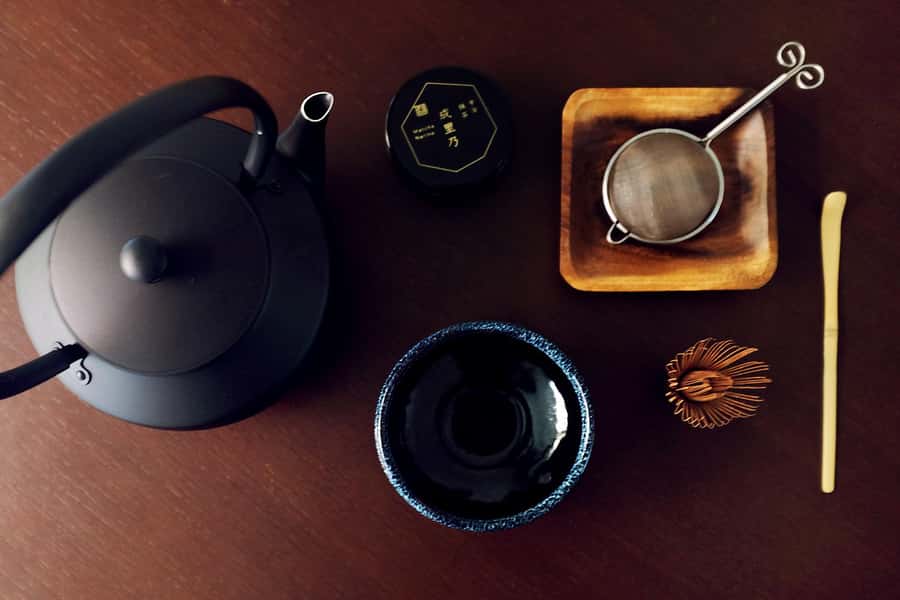
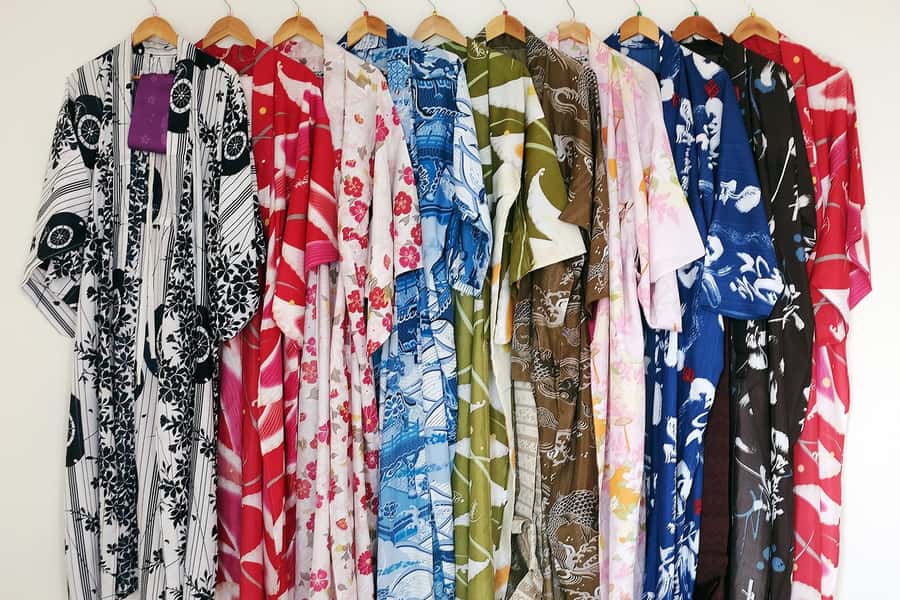
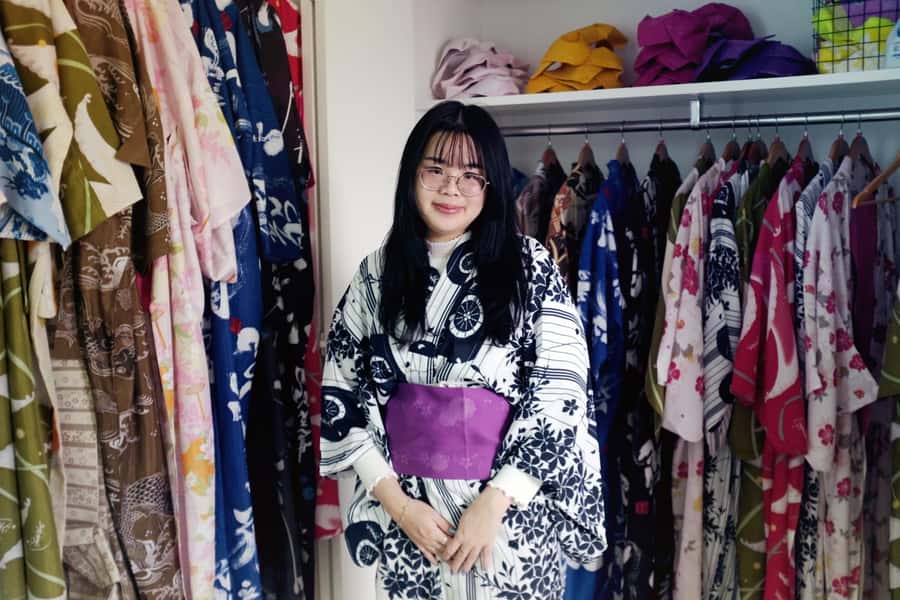
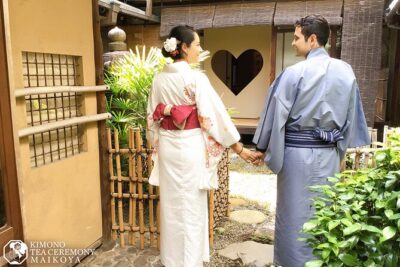
Before the tea lesson begins, you choose a kimono to wear during the activity. The selection adds color and ceremony, but it is also practical: these garments are designed for easy, quick dressing. A standard kimono can take around 30 minutes to put on, while this format avoids a lengthy dressing appointment.
You keep the kimono on throughout the workshop, which gives the clothing a purpose beyond a quick photograph. You sit, listen, handle tea tools, and learn some of the basic ideas behind wearing it properly. Several participants found the clothing one of the most memorable parts of the afternoon, and Komei also takes photographs for the group.
Bring socks. You are asked to protect the traditional flooring, and if you forget, you may need to buy socks at the workshop. Strong fragrances are not allowed, since scent can interfere with the tea tasting and affect other people in the room.
The kimono portion is not a full professional dressing service. If your goal is an elaborate formal kimono with every layer and accessory, this is not the right format. If you want to wear Japanese clothing without giving up a large part of your day, the easy-wear design is a sensible compromise.
Meeting a tea host who teaches with humor
Komei is repeatedly praised for his friendly manner, clear explanations, and enthusiasm for the subject. He is not presented as a distant master behind a screen. Expect a conversational lesson where questions are welcome and the subject is explained in plain terms.
His presentation covers both facts and personal appreciation. You learn about the development of tea and kimono in Japan, the place of matcha in Japanese culture, and the ideas behind teaism. The tone is casual enough for first-time tea drinkers, but there is enough detail for someone who already buys matcha at home.
The teaching style matters here. Matcha can seem intimidating when you only see formal gestures and unfamiliar tools. Komei breaks the process into manageable steps, adds historical context, and keeps the mood relaxed. Some participants especially appreciated his humor and the care he gave to individual questions.
The language options are English and Japanese. The activity is not suitable for children under five, and the subject requires quiet attention. Alcohol, drugs, loud noise, and strong fragrances are not allowed.
Comparing teas with your eyes, nose, and tongue
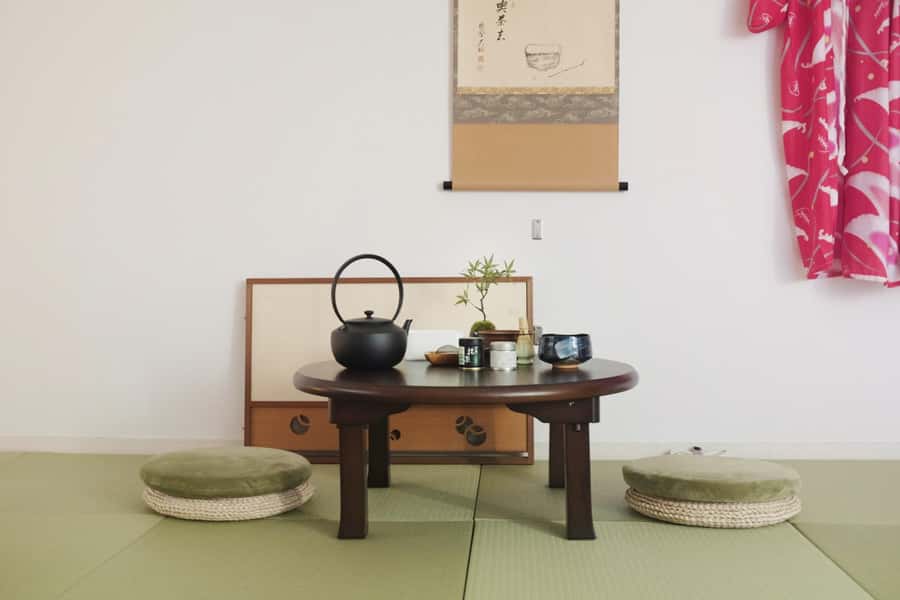
The tasting is more than a cup of green tea. The workshop includes access to a collection of more than 100 matchas from around Japan, with a special first-flush matcha selected for the session. First flush refers to the season’s earliest picking, often treated as a prized part of the harvest.
You use your senses to compare the teas. Look at the color and texture, smell the powder and prepared tea, then taste it. This approach gives you a practical way to think about matcha rather than reducing quality to a label or a bright green appearance.
A particularly useful part is the comparison between real matcha and imitation or lower-grade products. You also learn that Japanese matcha and matcha sold overseas can differ greatly. The lesson does not turn you into a tea grader in one afternoon, but it gives you a better chance of making an informed choice when you see matcha on a menu or in a shop.
The tea collection also keeps the tasting personal. You can notice which flavors appeal to you instead of being told there is one correct favorite. Some people prefer a gentler bowl, while others may like a stronger or more pronounced taste. That simple act of comparison is one of the workshop’s strongest features.
Other tea rooms and ceremonies in Tokyo:
- Matcha Making Class in Tokyo with Authentic Japanese Sweets Set
★ 5.0 · 744 reviews - Tokyo: Traditional Tea Ceremony with a Tea Master
★ 5.0 · 528 reviews - Tokyo: Matcha Making Experience with Mochi Sweets in Asakusa
★ 4.9 · 388 reviews - Kyoto: Tea Ceremony in a Traditional Tea House in Kiyomizu
★ 4.9 · 3,519 reviews
Teaism, tea ceremony, and the meaning behind the movements
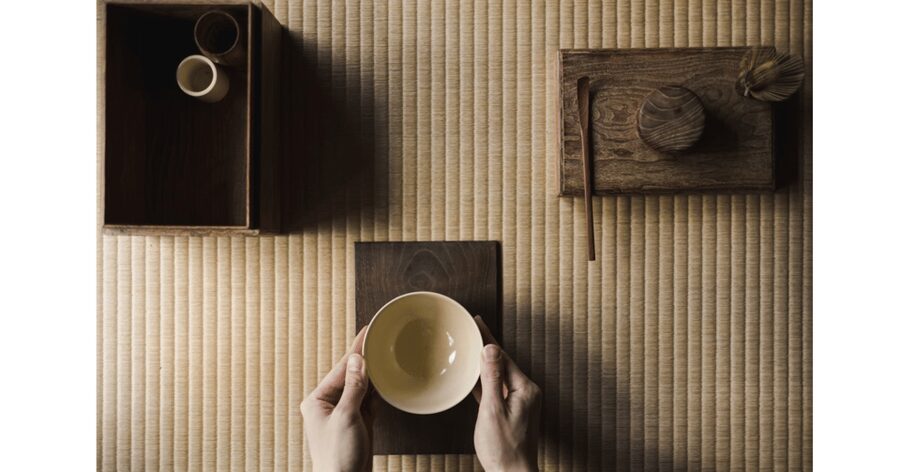
The session explains the difference between tea ceremony and teaism. These ideas overlap, but they are not identical. The tea ceremony concerns the method, manners, tools, and gestures used to prepare and serve tea. Teaism addresses the values and philosophy connected with that act.
You learn why the room is quiet, why the tools are handled with care, and why drinking matcha involves more than swallowing a caffeinated beverage. The point is not to memorize a long list of rules. It is to understand the attention, respect, and shared moment built into the ceremony.
The lesson also compares green tea, black tea, Chinese tea, and other broad categories. That wider view helps place matcha in context. You see that matcha is not simply powdered green tea in a trendy cup. It has its own growing, processing, preparation, and serving traditions.
The activity is still an introduction. It does not claim to replace years of tea study, and you should not expect a complete formal ceremony performed in silence from start to finish. Instead, you get a practical explanation of the customs, followed by a chance to put them into action.
Making a beautiful bowl at home
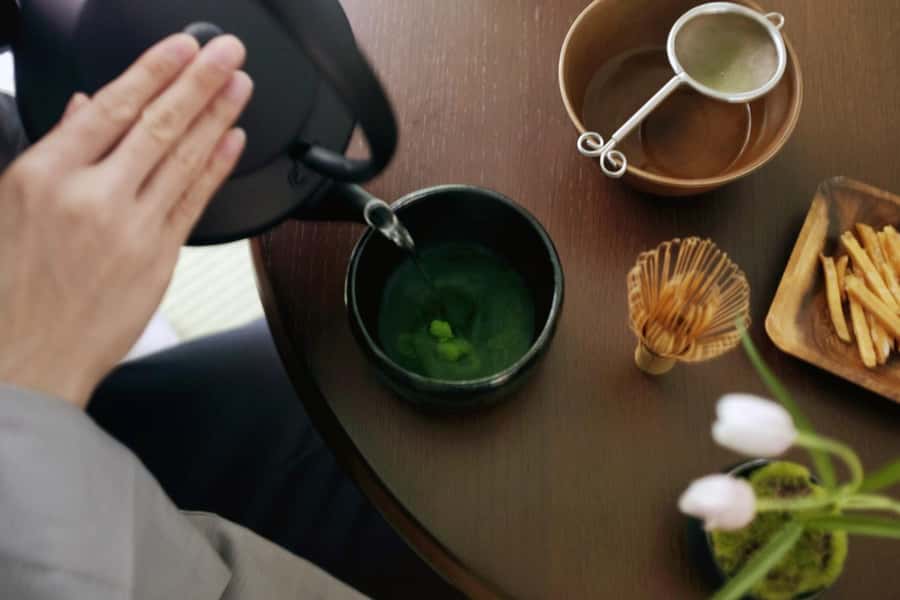
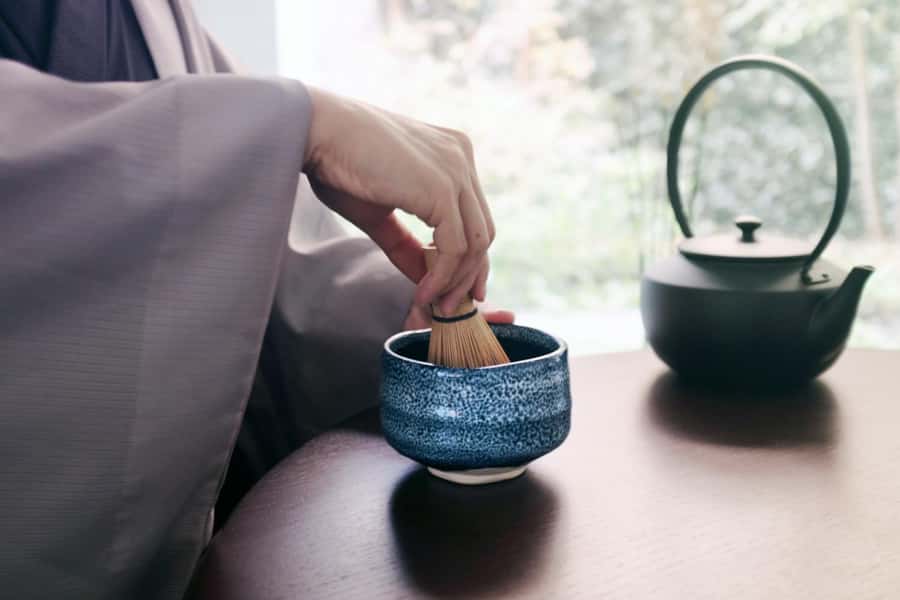
The hands-on portion is where the workshop becomes especially useful. You handle the tea tools, measure or prepare the powder as instructed, add water, and whisk the matcha into a finished bowl. The lesson focuses on four key points for preparing attractive matcha at home.
You also learn the basic manners for drinking a bowl of matcha. That includes how to approach the tea respectfully and how to handle the bowl in the proper way. You do not need previous experience. The instructor guides you through the process and gives you a chance to repeat it.
Matcha preparation looks simple, but a good bowl depends on several details. Water, powder, whisking, and presentation all affect the result. The workshop makes those details visible instead of leaving you with a vague instruction to stir until the tea looks green.
This is not a barista class with take-home equipment. Tea tools are supplied for the session, and the matcha experience is included. Still, you leave with a method you can try again, which gives the $57 price more value than a one-time tasting alone.
Japanese traditional sweets accompany the tea. Their small size and sweetness provide a useful contrast with matcha’s more savory, grassy, or bitter notes. A welcome drink is also included, so you are not starting the session with only a bowl of concentrated tea.
What the $57 price buys you
At $57 per person, this activity sits in the middle range for a Tokyo cultural workshop. The value depends on what you want from your afternoon. You are paying for instruction, tea tasting, a kimono to wear, sweets, a welcome drink, tea tools, and access to a specialist collection, not just a short photo stop.
I think the price is fair for someone who wants several connected experiences in one booking. A separate kimono activity, tea tasting, and cultural lecture could easily take more time and create more transport work. Here, the clothing and tea are tied together, so the lesson has a clear theme.
The value is lower if you mainly want a long, formal ceremony. The workshop gives substantial attention to explanation and dressing, while the actual matcha-making practice occupies only part of the session. One useful adjustment would be to spend a little less time on kimono preparation and a little more time making tea, especially for people who already understand the clothing portion.
The high overall score of 4.7 from 219 ratings fits the pattern of the experience: people tend to praise the host, the clear teaching, the relaxed atmosphere, and the combination of kimono with matcha. The strongest reason to book is not luxury. It is the chance to ask questions and learn several traditions in a small setting.
Who will enjoy this Tokyo activity
I would recommend it to first-time matcha drinkers, couples, families with older children, and anyone who wants a gentle introduction to Japanese customs. It also suits people who have seen tea ceremony demonstrations but have never handled the tools themselves.
Matcha fans should enjoy the tasting section, especially the chance to compare several types and learn about first-flush tea. The lesson may also change the way you shop for matcha, since you learn to pay attention to smell, color, and taste rather than relying only on packaging.
Photographers and anyone planning a special Tokyo afternoon will appreciate the kimono and group pictures. The clothing makes the activity feel festive without requiring a full day of formal dressing and sightseeing.
I would hesitate if you dislike sitting quietly, cannot wear socks, or want a fast attraction that requires little participation. The workshop asks you to listen, taste, handle equipment, and follow basic manners. It is more rewarding when you take part rather than treat it as a quick show.
You should also keep the age rule in mind. Children under five are not accepted, and loud behavior is not allowed. This is a calm indoor activity, not a high-energy family attraction.
Practical booking advice near Shinjuku
Book at least 24 hours ahead if you want the option of a full refund. Cancellation is free up to that point. You can also reserve now and pay later, which helps if you are arranging a Tokyo schedule around weather or train plans.
Wear comfortable clothes under the kimono and bring socks. Avoid perfume, cologne, and other strong scents. Tea tasting depends on your sense of smell, and fragrances can affect the room for everyone.
The experience is offered in English and Japanese. Check your meeting instructions before leaving your hotel, then aim to reach the ACN Yotsuya Building early. The guide waits by the LUUP scooter stand with a workshop sign, not necessarily at a large shopfront or station entrance.
Allow enough time to enjoy the session without rushing to another reservation. The exact duration is not specified, but the program includes dressing, a lecture, tasting, a ceremony lesson, sweets, and hands-on preparation. It is best treated as a substantial afternoon or morning activity rather than a quick 30-minute stop.
Should you book the matcha and kimono experience?
Book it if you want an approachable way to connect several parts of Japanese culture. The strongest combination is the informed host, the small-group feel, the wide matcha selection, and the chance to make your own bowl while wearing a kimono.
Do not book it expecting an elaborate, centuries-old ceremony performed entirely for you. This is a teaching workshop with conversation, photographs, tasting, and practice. That makes it more useful for beginners, but slightly less formal than a traditional tea event.
For $57, I see good value in the range of included elements. You taste first-flush matcha, compare varieties, learn tea manners, wear a kimono, sample sweets, and leave with a repeatable preparation method. If that mix sounds better than simply watching a ceremony, this is a smart addition to a Tokyo visit near Yotsuya and Shinjuku.
FAQ
Where does the matcha and kimono experience meet?
The guide waits in front of the LUUP scooter stand next to the ACN Yotsuya Building with a workshop sign. The meeting point is about a six-minute walk from Yotsuya Station.
Does the activity end at the meeting point?
Yes. The activity finishes back at the same meeting point.
How much does the experience cost?
The price is $57 per person.
What is included in the booking?
The booking includes the matcha activity, a kimono to wear, a tea and matcha lecture, a matcha-making lesson, first-flush matcha, traditional Japanese sweets, a welcome drink, and rental of the tea ceremony tools.
Can I wear a kimono during the workshop?
Yes. You choose an easy-to-wear kimono before the lecture and keep it on during the experience.
Do I need to bring anything?
Bring your own socks to protect the traditional flooring. If you forget them, you may be asked to buy socks at the workshop.
What languages are available?
The experience is offered in English and Japanese.
Is the activity suitable for young children?
It is not suitable for children under five years old.
What happens if I arrive late?
Your booking is automatically canceled after 10 minutes of delay from the appointment time, and no refund is provided in that case.
Can I cancel for a refund?
You can cancel up to 24 hours in advance for a full refund. You can also reserve and pay later, so you do not have to pay at the time of booking.
Just added in Tokyo
- Small-Group Wagyu Beef and 7 Japanese Dishes Tokyo Cooking Class★ 5.0 · 190 reviews
- Nikko: Edo Wonderland Edomura Cultural Theme Park Ticket★ 4.3 · 205 reviews
- 《MEMBERS-ONLY-BAR-HOPPING》Discover Your Special Whiskey in Tokyo!★ 5.0 · 29 reviews
- Japanese Whisky Hunting《HIGH-QUALITY-ONLY》Rare Tasting Class★ 5.0 · 20 reviews
- Luxury Tokyo Sake, Cocktail, Whisky and Pairing Tour★ 5.0 · 18 reviews
- Wagyu & Sake Pairing in Shinjuku – Steak, Shabu-Shabu & More★ 5.0 · 112 reviews
- From Tokyo: Private Tour to Fuji/Hakone – Onsen, Art, Nature★ 5.0 · 116 reviews
- Tokyo: KABUKI Show at Kabukiza Theatre Admission Ticket★ 4.8 · 152 reviews
Tea Ceremony Experiences, compared.
Tea Ceremony in a Traditional Tea House in Kiyomizu
Read our review →
World Heritage Kyoto & Nara Uji Authentic Matcha Experience
Read our review →
Arashiyama Bamboo Forest, Monkeys, Matcha & Temple Tour
Read our review →Browse the lists this tour appears in