
Reviewed · RAMEN TOURS & WORKSHOPS
Tokyo: Sushi and Ramen Cooking Class with Sake Pairing Set
Tokyo: Sushi and Ramen Cooking Class with Sake Pairing Set Review
Making ramen and nigiri sushi in one three-hour class gives you more than a meal. You learn how broth, pork, rice, fish, and sake fit into Japanese food culture, then sit down to eat the results. I especially like the small-group setup and the practical recipe booklet, since you can use the skills again at home. The one clear catch is that this is not suitable for vegans or vegetarians.
I also like the warm, relaxed teaching style reported by people who met Sato, Haruko, Risa, Alex, Alisa, Misa, and Luna. The food portions can be generous, and the sake tasting adds real value. Plan your route carefully, though: the class is in Tsukishima, not in the busiest sightseeing core, and you must arrive five minutes early.
Key points at a glance
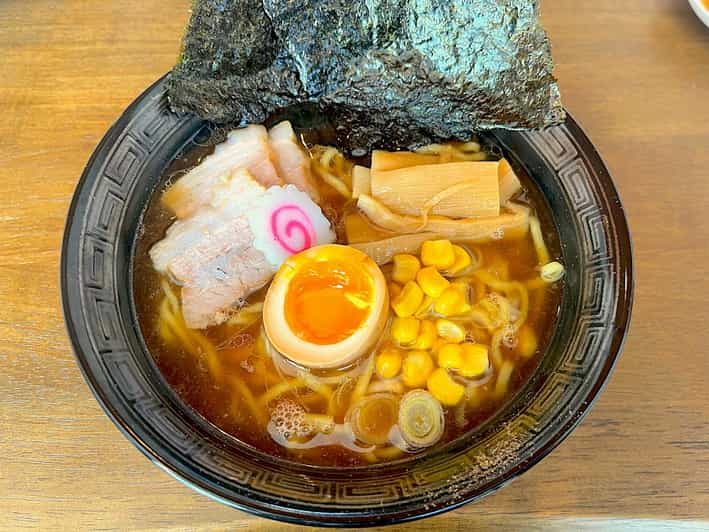
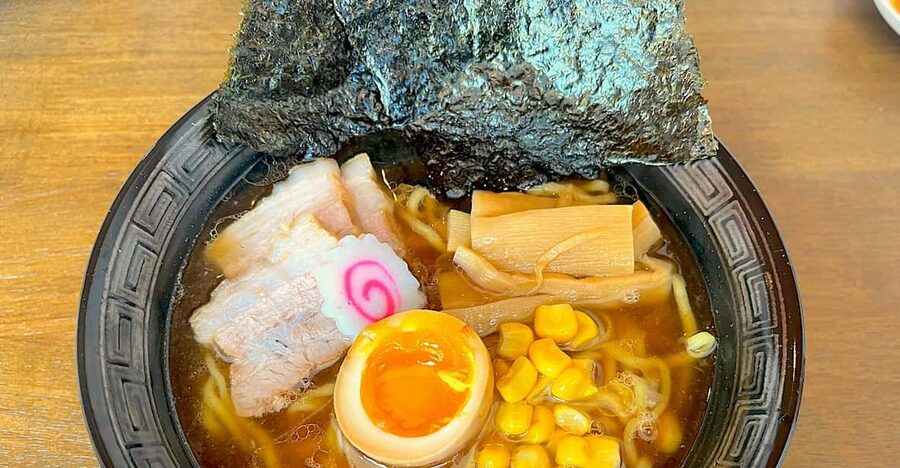
- Ramen from broth to chashu: Learn how the soup is built and how melt-in-your-mouth pork belly fits into the bowl.
- Nigiri sushi by hand: Discover sushi origins, prepare the rice and toppings, and shape your own pieces with supplied tools.
- Three sake pairings: A certified sake sommelier selects three Japanese sakes for tasting alongside the food.
- Small, friendly class: Groups are limited to eight, with about four participants creating the most personal experience.
- Useful take-home items: You receive a recipe booklet covering ramen, gyoza, and sushi, plus a pair of chopsticks.
- Easy Tsukishima access: The venue is a five-minute walk from Exit 4 of Tsukishima Station, with Ginza and Tokyo Station nearby by taxi.
A three-hour food lesson in Tsukishima
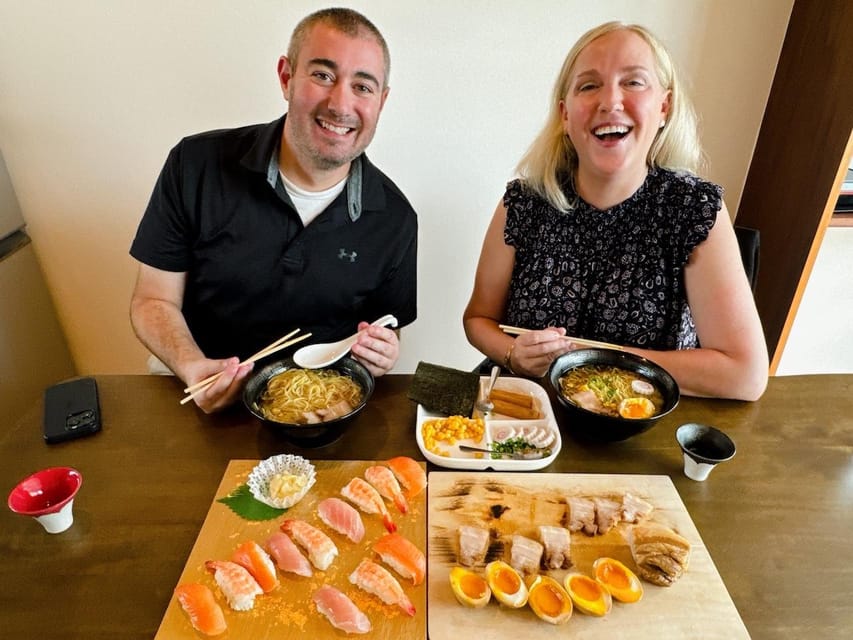
The class takes place on the second floor of HAUS Tsukishima at 2-13-5 Tsukuda, Chuo-ku. Tsukishima is reached by Tokyo Metro at Exit 4, followed by a walk of about five minutes. That makes the subway the sensible choice for most people, though a taxi takes about nine minutes from Ginza and about ten minutes from Tokyo Station.
The location can work well in a Tokyo schedule. It is about six minutes by taxi from Tsukiji Fish Market and about eleven minutes from teamLab Planets. Shinjuku is much farther away, at about thirty minutes by taxi, so you will want to group this class with sights in eastern or central Tokyo rather than crossing the city just before the start.
Arrive five minutes early. The class is hands-on, and late arrivals can miss the first instructions or make the timing harder for the group. Wear comfortable clothes that you do not mind getting a little dirty. Cooking rice, handling ingredients, and working around sauces is not formal restaurant dining.
The setting is designed for participation rather than a large demonstration. The published maximum is eight people, and many sessions may have around four participants. That difference matters. With a full group, you still have a manageable class, but a smaller session gives you more direct help with sushi shaping and cooking techniques.
Other bowls worth queuing for in Tokyo:
- Eat and Drink Like a Local: Tokyo Ueno Food Tour-Taverns&Ramen
★ 5.0 · 957 reviews - Ramen & Gyoza Cooking Class in Tokyo with Local Supermarket Visit
★ 5.0 · 823 reviews - Tokyo: Ramen Tasting Tour with 6 Mini Bowls of Ramen
★ 4.9 · 432 reviews
Starting with ramen, broth, and chashu
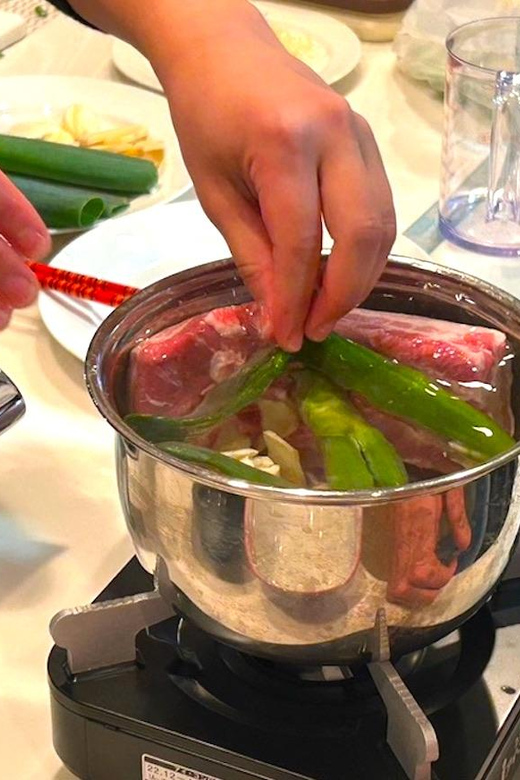
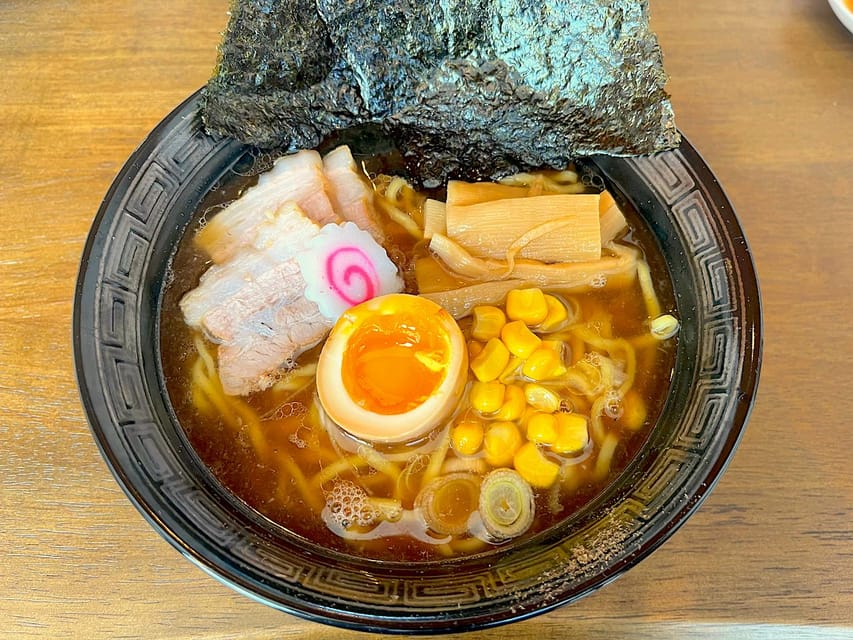
Ramen is often treated as a quick bowl of noodles, but this class gives you a look at the parts behind it. You learn how to make the soup, work with the ingredients, and prepare chashu, the tender pork belly commonly served with ramen.
Some elements may be prepared ahead of time to fit the three-hour schedule. That is worth understanding before you book. You are learning real methods, but you are not spending an entire day simmering every component from raw ingredients. The advantage is a comfortable pace that leaves time for instruction, tasting, and conversation.
The class focuses on practical skills. You can ask about ingredients, cooking steps, and substitutions for making the dishes outside Japan. That makes the lesson useful for a home kitchen, where you may not have access to every Japanese product used in Tokyo.
The chashu portion is one of the more appealing parts for meat eaters. It shows how a familiar ramen topping is prepared, rather than treating it as a mysterious finished ingredient. You also get a chance to understand how the pork works with the broth and noodles when you assemble the bowl.
Ramen technique can be hard to learn from a written recipe alone. A teacher can show you texture, timing, and the look of a finished component. That direct correction is particularly useful if you are new to Japanese cooking.
Shaping nigiri sushi by hand
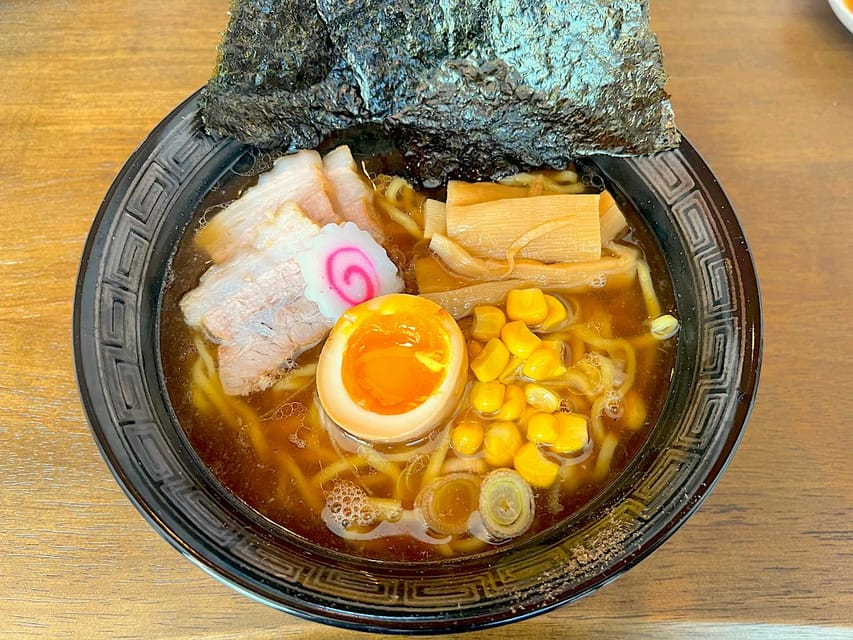
The sushi section turns the class from a soup lesson into a second Japanese staple. You learn about the origins of sushi, then use the provided ingredients and tools to prepare nigiri.
Nigiri looks simple, but the shape and pressure matter. Too much handling can make the rice dense. Too little pressure can leave the piece falling apart. A small class gives the instructor time to demonstrate the hand position and help you adjust it.
The experience is aimed at beginners, but experienced home cooks can still pick up useful details about rice, toppings, and presentation. You do not need previous sushi-making experience. The instructors are English-speaking and guide you through the process rather than assuming you know Japanese terms or methods.
The sushi and ramen work well together because they use different skills. Ramen asks you to think about soup, pork, timing, and assembly. Nigiri asks for careful hands and attention to rice. You get variety without spending three hours on one narrow technique.
You also eat the food you prepare. That gives the class a clear payoff, especially if you are scheduling it as a lunch or afternoon activity. Portions may be more generous than expected, so avoid booking a large meal immediately afterward.
Three sakes with a lesson of their own
The sake tasting includes three Japanese sakes selected by a certified sake sommelier. This is not just a drink added to the table. It helps you compare different styles while eating food that the class has prepared.
One instructor comes from a sake brewing family, adding a personal connection to the subject. The teaching team can explain the drinks and how they relate to Japanese dining. Beer is also available according to the activity details and class accounts, but the central pairing is the sake set.
Sake can seem difficult if you encounter a long restaurant menu without guidance. Tasting three selections side by side makes the differences easier to notice. You do not need to be a sake expert, and the class has a relaxed tone rather than a stiff tasting-room format.
Keep in mind that the activity includes alcohol. If you do not drink, the cooking remains the main event, but the set is part of the advertised experience. The activity is also not designed for vegans or vegetarians, so it is best suited to people comfortable with seafood, pork, and sake.
Other tasting rooms and breweries in Tokyo:
- Ramen and Sushi Cooking Class with Sake Pairing Set in Tokyo
★ 5.0 · 291 reviews - Sake Tasting Masterclass in Shinjuku (8+ Varieties with a Pro)
★ 5.0 · 271 reviews - Sake Omakase in Tokyo: Guided Tasting by Certified Sommeliers
★ 5.0 · 239 reviews - Wagyu & Sake Pairing in Shinjuku – Steak, Shabu-Shabu & More
★ 5.0 · 112 reviews
The people make the class feel personal
The strongest feature here is the teaching style. The instructors are described as warm, patient, and generous with their time. Names connected with the class include Sato, Haruko, Risa, Alex, Alisa, Misa, and Luna, although the exact team may vary by session.
That personal contact matters more than polished equipment. You can ask questions as you work, hear about Japanese food traditions, and pick up small tips that may not appear in a recipe. The cultural explanations cover both sushi and ramen, so you are not simply following a set of cooking motions.
The class may include small group activities, including a pop quiz that encourages people to work together. That suggests a social format rather than a silent lesson at separate workstations. Couples, families, and solo visitors can all fit the setting, though your experience will depend partly on who shares the table.
Families should find the format approachable, particularly if children are comfortable with cooking and the listed foods. Couples can make it a useful shared activity, and solo participants may receive especially direct instruction when the class is small.
The friendly atmosphere is a real strength, but it also means this is not a formal chef certification course. You will learn useful home techniques, not professional restaurant training. If you want advanced knife work, specialized sushi counter methods, or a full day of stock preparation, this class may feel introductory.
What you take home
The recipe booklet is one of the best practical extras. It includes instructions for ramen, gyoza, and sushi, not only the dishes prepared during the session. It also includes ingredient tips and possible substitutions for cooking overseas.
That last part is important. Japanese recipes often assume access to particular sauces, seasonings, noodles, or seafood. Substitution advice can make the difference between a recipe that stays in a drawer and one you actually cook at home.
You also receive a pair of high-quality chopsticks. They are a small souvenir, but a useful one, and they connect naturally to the meal rather than adding another decorative object to your luggage.
The class gives you more than a food memory because it leaves you with a repeatable plan. You can try the ramen first, then return to nigiri once you are more comfortable handling the rice. The booklet also gives you a path to keep practicing with gyoza.
Is $129 a fair price?

At $129 per person, this is not a cheap meal. You can eat ramen or sushi for much less in Tokyo. The price needs to be judged as a three-hour activity that includes instruction, ingredients, a prepared meal, three sake tastings, recipes, and chopsticks.
I think the value is strongest when you want a cultural activity, not just lunch. You are paying for an English-speaking instructor, hands-on guidance, food education, and the chance to repeat the dishes at home. The value is also better for couples or families who want one shared experience during a Tokyo visit.
The price is harder to justify if you are only looking for an inexpensive introduction to Japanese food. Tokyo offers plenty of casual restaurants where you can try excellent ramen and sushi without a class. Book this one when the cooking itself is part of your plan.
The generous food portions help. Several sessions have left people with more food than they could finish, and the drink selection adds to the sense that the afternoon is not rushed. Still, do not assume the class replaces every other meal or that it will suit a strict dietary plan.
Planning the afternoon around the class
The most straightforward plan is to visit Tsukiji Fish Market, then take a short taxi ride to the venue. You could also pair the class with Ginza or Tokyo Station. TeamLab Planets is another nearby option by taxi, though you should leave enough time between reservations.
The class lasts three hours, so allow extra time for finding the building and reaching the second floor. The address for a taxi driver is 東京都中央区佃2-13-5 HAUS Tsukishima 2階.
There is no hotel pickup or drop-off. You arrange your own transportation, which is easy enough from central Tokyo but worth noting if you are staying in Shinjuku or another distant part of the city. The booking system offers free cancellation up to 24 hours before the class and allows you to reserve now and pay later, which can help when your Tokyo schedule is still shifting.
Who should book this cooking class?
I would choose this class if you love Japanese food and want to understand how it is made. It suits first-time cooks because the instructors explain the process in English and provide hands-on help. It also works for confident home cooks who want practical ideas for ramen, sushi, and ingredient substitutions.
It is a good fit for couples, families, and solo visitors who enjoy meeting other people over food. The small group keeps the lesson personal, while the meal and sake make it feel like a complete afternoon rather than a short demonstration.
I would skip it if you are vegan or vegetarian, avoiding alcohol, or hoping for advanced professional training. I would also compare the price with your daily budget if your main goal is simply to eat ramen and sushi.
Should you book it?
Book this experience if you want to leave Tokyo with more than restaurant memories. The class combines two famous Japanese dishes, three sake tastings, cultural background, a meal, recipes, and a useful souvenir in a manageable three hours.
The best reason to go is the human side of the lesson. Instructors such as Sato, Haruko, and Risa bring patience and conversation to the cooking, while the intimate group size gives you room to ask questions. Just plan the Tsukishima journey, wear practical clothing, and make sure the menu fits your diet.
FAQ
Where does the cooking class take place?
It takes place on the second floor of HAUS Tsukishima, 2-13-5 Tsukuda, Chuo-ku, Tokyo 104-0051.
How do I reach the venue by train?
The venue is about a five-minute walk from Exit 4 of Tsukishima Station, identified as Y21.
How long does the class last?
The cooking class lasts three hours. Starting times vary, so check availability when booking.
What dishes will I learn to make?
You will learn to make ramen, including the soup and chashu pork, and nigiri sushi. The take-home recipe booklet also includes gyoza recipes.
Is the class taught in English?
Yes. The instructors speak English, and the activity is listed as an English-language experience.
How many people can join the class?
The small group is limited to eight participants. Some sessions may have around four participants.
Is sake included?
Yes. The experience includes three Japanese sakes selected by a certified sake sommelier. Beer may also be available.
Is the class suitable for vegans or vegetarians?
No. The activity is specifically listed as unsuitable for vegans and vegetarians.
What should I wear and when should I arrive?
Wear comfortable clothes that you do not mind getting a little dirty, and arrive five minutes before the class begins.
More cooking classes elsewhere in Japan
- Tokyo: Wagyu and 7 Japanese Dishes Cooking Class
★ 4.9 · 273 reviews - Tokyo Washoku 4-hour Cooking Class: From Market to Table
★ 5.0 · 253 reviews - Professional Ramen & Gyoza with Ramen Chef in a restaurant!
★ 5.0 · 223 reviews - Small-Group Wagyu Beef and 7 Japanese Dishes Tokyo Cooking Class
★ 5.0 · 190 reviews
Just added in Tokyo
- The 10 Tastings of Tokyo With Locals: Private Street Food Tour★ 5.0 · 48 reviews
- Small Town in the Big City: Tasting Tokyo’s Kichijoji★ 5.0 · 195 reviews
- Small Town in the Big City: Tasting Tokyo’s Kichijoji★ 5.0 · 16 reviews
- EXCLUSIVE Tokyo Secret: Kichijoji Small-Group Food & Bar Hopping★ 5.0 · 29 reviews
- Explore Kichijoji: Walk Through One of Tokyo’s Beloved Districts★ 5.0 · 21 reviews
- :Tokyo,Shibuya/ Pro Photography in Kimono / English-Friendly★ 5.0 · 26 reviews
- 【R34】Tokyo:Private Daikoku tour in Modified R34★ 4.9 · 92 reviews
- Tokyo:Calligraphy &Make your original folding fan in Asakusa★ 5.0 · 62 reviews
Ramen Tours & Workshops, compared.
Ramen Cooking Class at Ramen Factory in Kyoto
Read our review →
Eat and Drink Like a Local: Tokyo Ueno Food Tour-Taverns&Ramen
Read our review →
Ramen & Gyoza Cooking Class in Tokyo with Local Supermarket Visit
Read our review →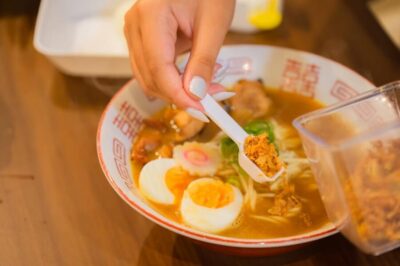
Ramen Cooking Class at a Ramen Factory with Souvenir
Read our review →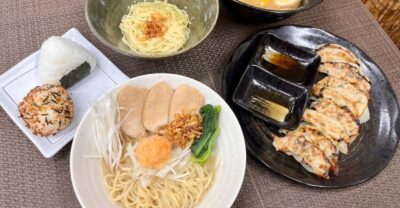
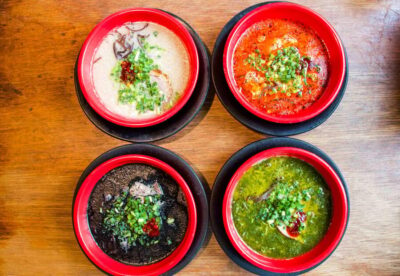
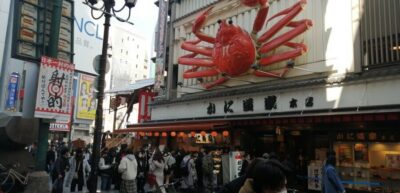
Five Must-See Highlights Walking Tour & Ramen Lunch
Read our review →
Browse the lists this tour appears in