
Reviewed · TEA CEREMONY EXPERIENCES
Tokyo: Tea Ceremony & Japanese Traditional Sweets
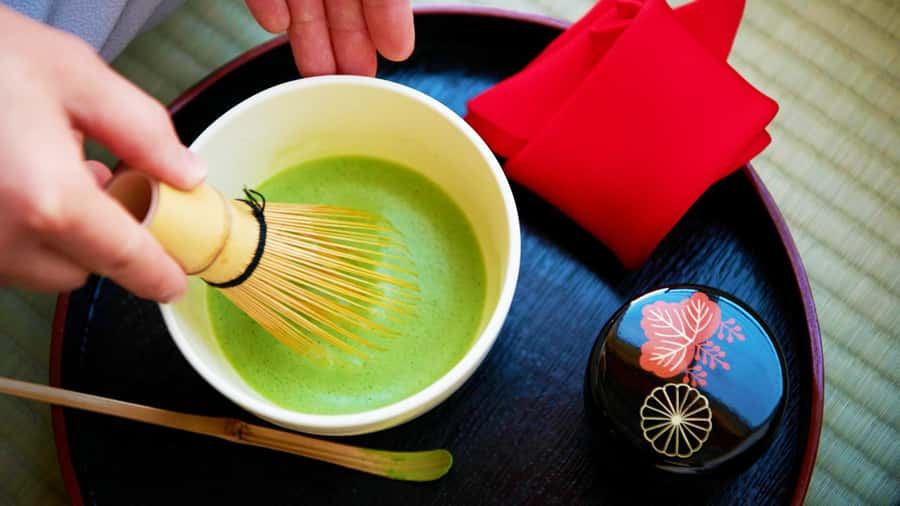
A graceful tea ceremony, a bowl of freshly whisked matcha, and handmade Japanese sweets make this a fine way to slow down in Tokyo. You watch the formal otemae demonstration, then take part instead of sitting quietly on the sidelines.
I like the hands-on format, especially making your own matcha and shaping seasonal nerikiri. I also like the small group of up to 10 people and the English guidance, which should make it easier to ask questions and follow each step.
The main consideration is time. At one hour, this is an introduction rather than a full study of tea culture, and the experience is conducted in English only, with no Japanese-language support.
Key points
- Watch a formal otemae demonstration before preparing matcha yourself.
- Make seasonal nerikiri sweets shaped around flowers and other seasonal motifs.
- Learn from a tea master with more than 10 years of experience, supported by an English-speaking host.
- Enjoy a small-group setting with no more than 10 participants.
- Pay $27 per person for a one-hour activity, a reasonable price for a guided cultural workshop in Tokyo.
- Reach the venue in about five minutes from Hakusan Station, with the meeting room on the second floor.
A quiet hour with matcha near Hakusan Station
Tokyo can move at a brisk pace. Trains arrive, signals change, and busy streets pull you from one sight to the next. This tea experience gives you one hour to do something slower and more deliberate.
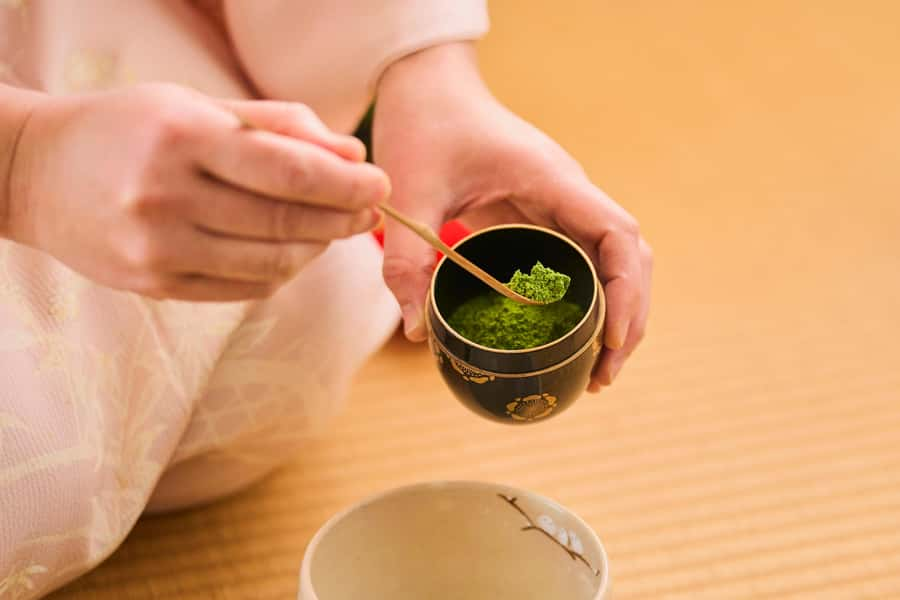
You will learn how matcha is prepared, watch the tea master perform otemae, and then make your own bowl. The point is not speed. You are introduced to the careful movements, tools, and manners that give the ceremony its character.
The setting is near Hakusan Station in Bunkyo-ku, not in one of Tokyo’s most crowded sightseeing districts. That matters if you want a cultural activity that fits into a quieter part of your day. It also means you should check your route carefully before setting out, since the venue is identified by its building and second-floor location rather than by a famous landmark.
The activity is priced at $27 per person and lasts one hour. I consider that good value for a guided lesson that includes the ceremony, matcha preparation, and traditional sweets. You are not simply watching a performance. You have a chance to handle the tea whisk and make something with your own hands.
Other tea rooms and ceremonies in Tokyo:
- Matcha Making Class in Tokyo with Authentic Japanese Sweets Set
★ 5.0 · 744 reviews - Tokyo: Traditional Tea Ceremony with a Tea Master
★ 5.0 · 528 reviews - Tokyo: Matcha Making Experience with Mochi Sweets in Asakusa
★ 4.9 · 388 reviews
Finding the second-floor meeting point
The venue is about a five-minute walk from Toei Mita Line Hakusan Station. The address is 2nd Floor, Phil Park Hakusan Hills, 1-26-17 Hakusan, Bunkyo-ku, Tokyo.
Use the provided Google Maps location before you leave. The instruction to go to the second floor is important, so do not stop at street level and assume you have arrived. The listed coordinates are 35.7201985, 139.7538703.
I would allow a little extra time, particularly if you are coming from another part of Tokyo. The activity itself is short, and arriving rushed would work against the calm mood of the ceremony. Comfortable clothes are recommended, which is practical for sitting, handling tea equipment, and working with sweets.
The venue is wheelchair accessible. If this matters for your visit, the activity provides a useful combination of a central Tokyo location, a short walk from the station, and an accessible space.
First watch the tea master’s otemae
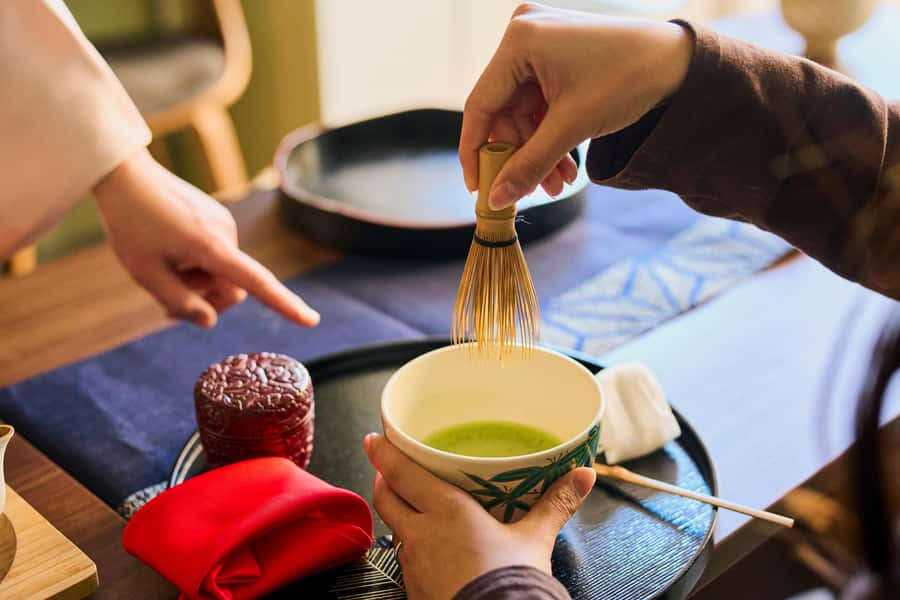
The experience begins with instruction and demonstration. A licensed tea master with more than 10 years of experience shows you how the ceremony works and performs the otemae demonstration.
This is the part to watch closely. The value is in the small actions: the order of preparation, the controlled movements, and the way the tea is presented. You do not need prior knowledge of tea ceremony customs. The English-speaking host explains what is happening and helps you follow the meaning behind the actions.
The demonstration gives you a useful frame for the practical portion that follows. Instead of being handed a whisk and told to copy a motion, you first see how the process fits together. That makes the activity feel more like a lesson than a quick photo opportunity.
The ceremony also offers a glimpse of a Japanese art form that depends on attention and restraint. You will not cover every rule or tradition in one hour, but you can begin to understand why the preparation matters as much as the finished drink.
Whisking your own bowl of matcha
After watching the tea master, you prepare your own matcha. This is the most direct part of the activity, since you move from observing to doing.
You will work with the tea and whisk it yourself before tasting the finished bowl. Matcha has a strong, distinctive flavor, and the process gives you a better sense of the drink than simply ordering one at a café. The lesson is designed for first-time participants, so you can ask questions and receive help as you go.
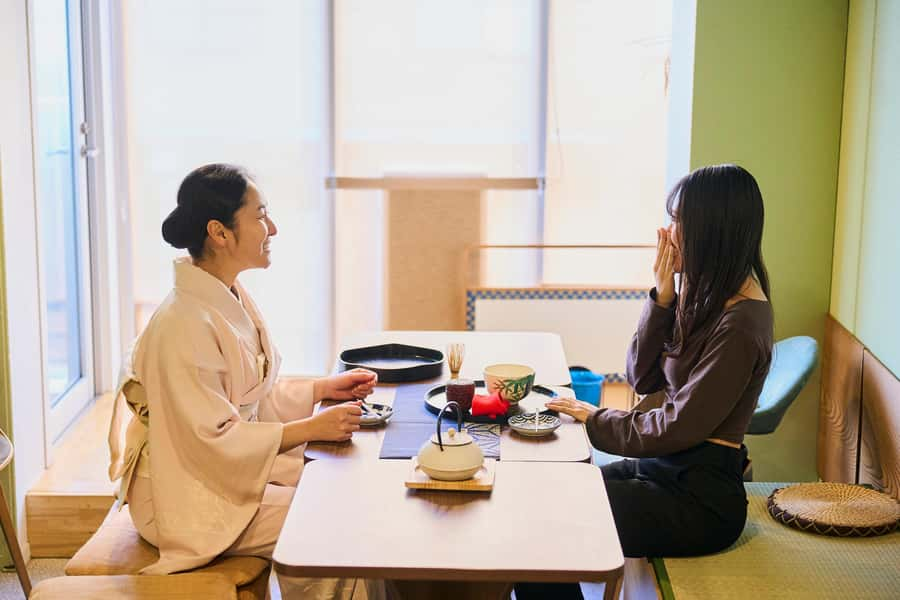
The small group size is useful here. With no more than 10 people, the host has a better chance to keep an eye on each participant and respond when you need help. One recent participant specifically praised the instructor for being kind, informative, and ready to answer questions. That sort of support matters in a hands-on activity where the tools and motions may be new to you.
I would not expect to produce a perfect bowl on your first attempt. That is part of the appeal. The goal is to learn the basic process, taste the matcha, and understand the care behind the ritual. You get a personal experience without needing to commit to a long formal course.
A few more things to do in Tokyo worth a look
- Japanese Traditional Sweets making and Tea Ceremony
★ 4.7 · 50 reviews - Tokyo: Two Types of Japanese Sweets Making and Tea Ceremony
★ 4.6 · 26 reviews - Japanese Traditional Sweets making
★ 4.1 · 19 reviews - Tokyo: Hama-rikyu Gardens tour with Japanese Tea & Sweets
★ 4.7 · 14 reviews
Making seasonal nerikiri by hand
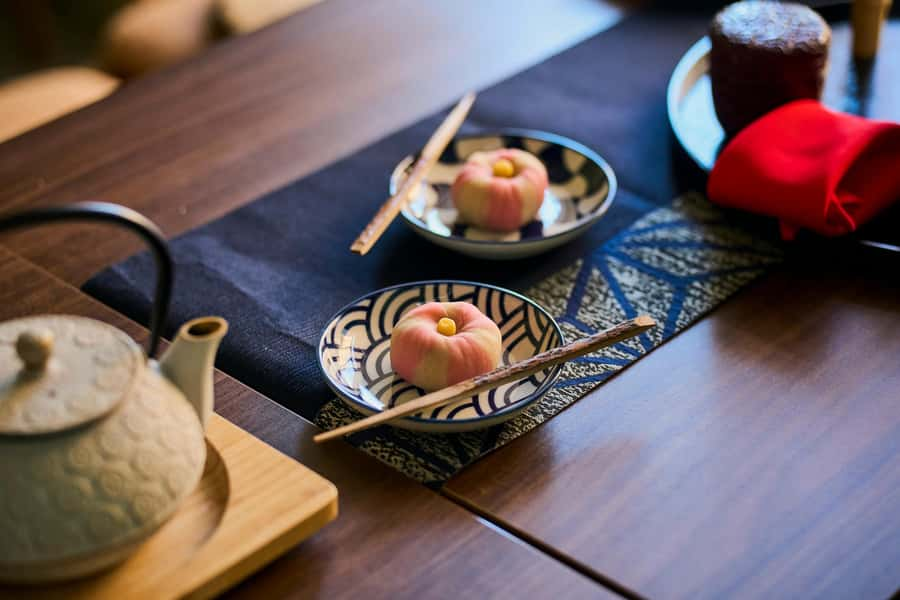
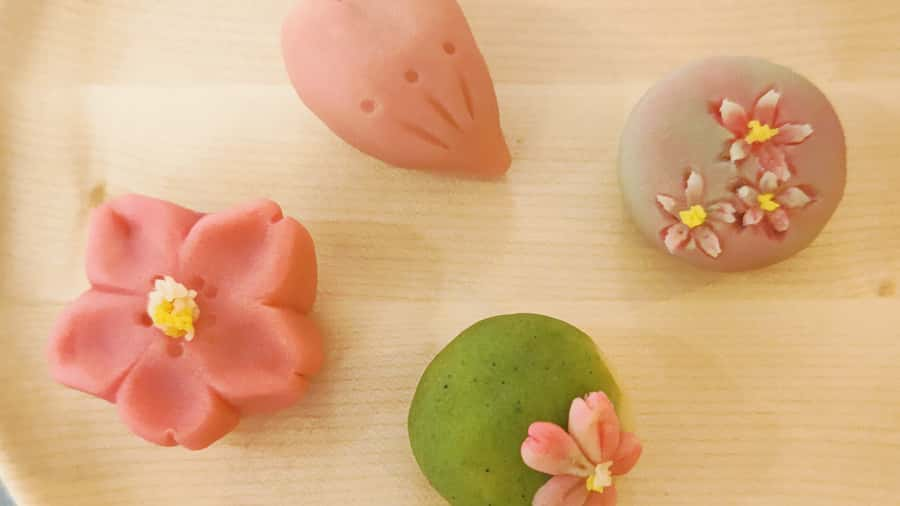
The second hands-on element is nerikiri, a traditional Japanese sweet made in shapes and colors that reflect the season. You will craft the confection yourself, using delicate forms inspired by flowers and other seasonal motifs.
This adds a visual side to the tea experience. Matcha can be an intense drink, while nerikiri offers a sweet partner designed to be enjoyed with it. The pairing helps explain the balance of the tea setting, rather than treating the confection as a separate snack.
Making nerikiri also gives you a small look at Japanese confectionery skills. The shapes are meant to be refined and precise, but you are not expected to have an artisan’s touch. The host guides you through the process, and the finished sweet becomes part of the final tasting.
Seasonal design is one of the most appealing details here. The exact shape or motif can change with the time of year, so your sweet may reflect the season of your visit. Since no fixed design is provided, it is best to think of this as a changing feature rather than a guaranteed flower or color.
Matcha and sweets as one experience
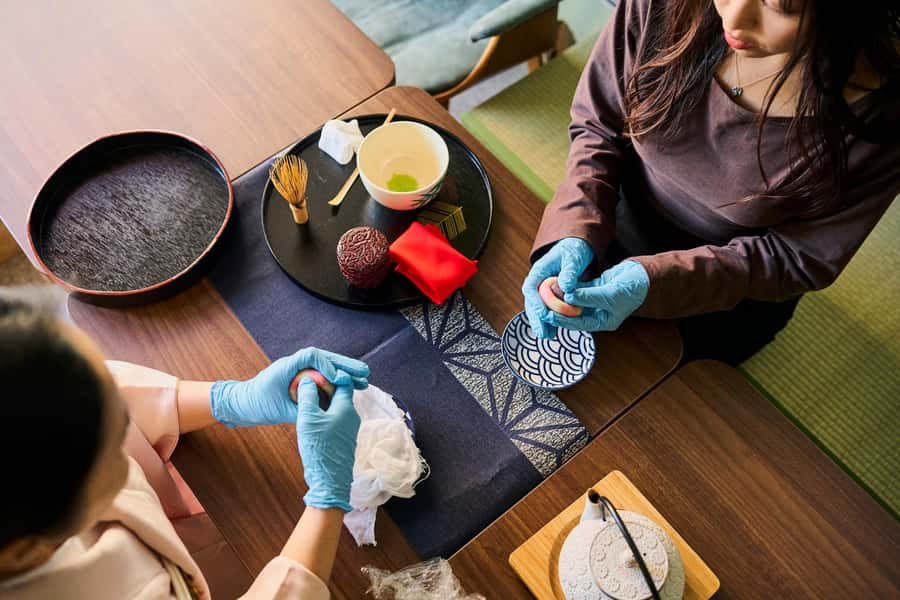
The final tasting brings together the two things you have prepared. You enjoy your handmade nerikiri with your freshly whisked matcha.
That combination is more useful than tasting either item alone. The sweet gives the tea ceremony a clear sensory contrast, while the matcha keeps the confection from becoming just a decorative craft. You are tasting a pairing that has a place in the ceremony, not simply completing two unrelated activities.
This is also where the hour comes together. First you watch, then you practice, then you taste. The structure is easy to follow and gives the activity a satisfying finish without dragging on.
The calm pace may be especially welcome if the rest of your Tokyo schedule is packed with major stations, department stores, shrines, and long walks. One participant described the experience as a lovely, calm break from a busy Tokyo visit. I can see why this format works well for that purpose. It gives you a change of rhythm without requiring a whole afternoon.
Why the English guidance matters
The activity is conducted in English only. The host provides explanations in English, and the tea master teaches through the guided session. Japanese-language support is not available.
For an English-speaking visitor, this is a clear advantage. Tea ceremony includes unfamiliar terms, gestures, and steps, and a good explanation helps you understand what you are seeing instead of guessing. You can also ask questions during the practical portion.
At the same time, you should book this with the language arrangement in mind. If someone in your group does not understand English, the experience may be difficult to follow. The information does not promise translation into other languages.
The teaching style appears to be one of the strongest parts of the activity. A participant praised the instructor’s kindness and clear information, while another highlighted the opportunity to learn about the cultural importance of the ceremony. Those comments point to an experience that aims to explain the practice, not simply stage it.
A small group makes the lesson more personal
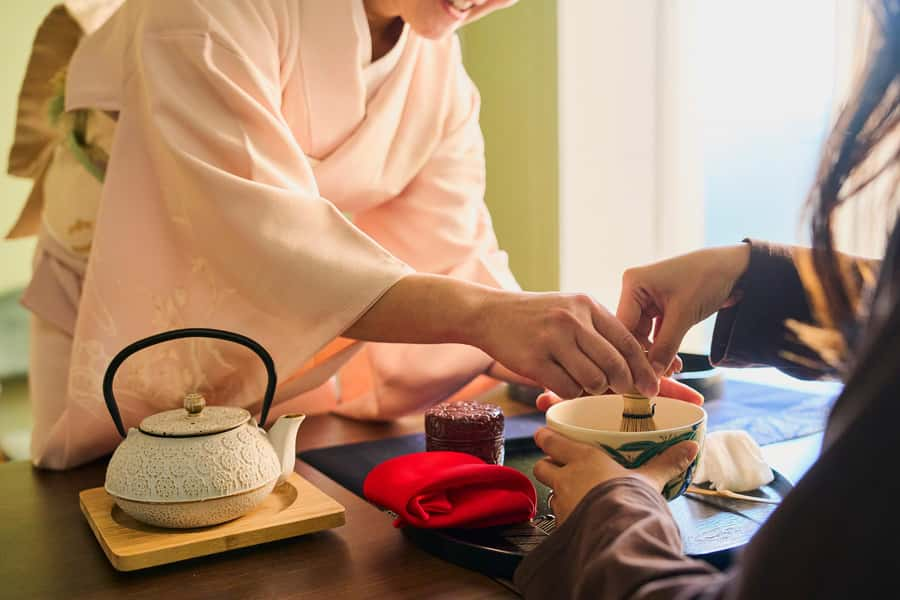
The group is limited to 10 participants. That is large enough to give the room a little energy, but small enough to keep the activity from feeling like a public demonstration.
For you, the main benefit is access to the host. When you are learning to whisk matcha or shape nerikiri, you may need a correction or a quick explanation. A small group makes that more likely than a large class.
The group size also suits the subject. Tea ceremony is built around calm attention, and a crowded room could make the process feel hurried or noisy. Ten participants is not a guarantee of silence, but it supports a more focused atmosphere.
If you prefer a completely private lesson, this is not described as a private activity. You should expect to share the session with other participants. For most visitors, the limited group offers a good balance between personal help and a social setting.
Is one hour enough?
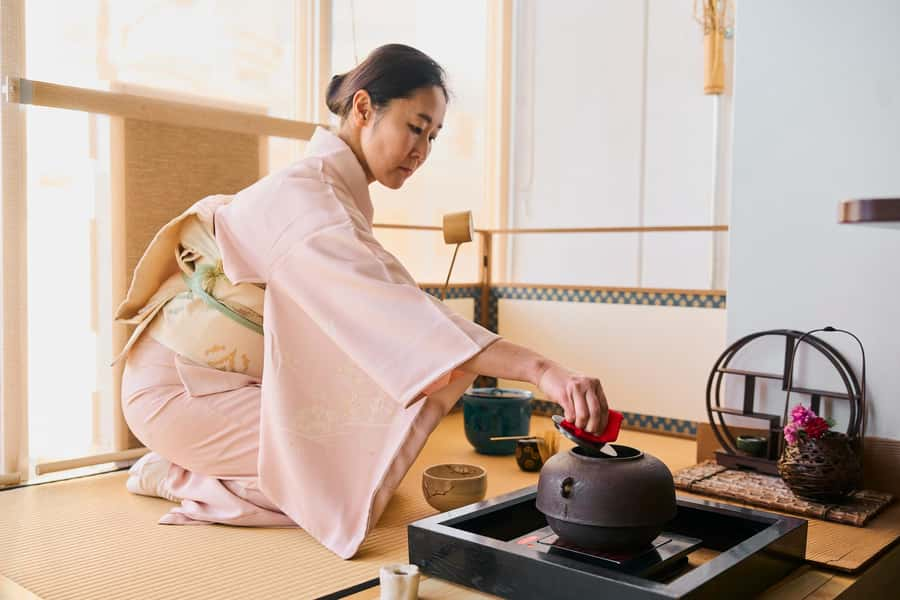
One hour is enough for a first introduction. You can see the otemae demonstration, learn the main steps, prepare matcha, make nerikiri, and taste both together.
The short length is helpful if you are building a busy Tokyo itinerary. You can fit the experience between other plans without giving up half a day. It may work especially well in the morning, before a long sightseeing route, or as a quiet pause between neighborhood visits.
The tradeoff is depth. You will not become an expert in tea ceremony, learn every utensil and rule, or spend a long time practicing. Think of this as a focused cultural workshop rather than a complete course.
I like the one-hour format for first-time visitors. It gives you enough context to appreciate the ceremony, while keeping the commitment low. If you already have extensive experience with matcha or Japanese confectionery, you may find the introduction fairly basic.
Who will get the most from this activity?
This experience suits you if you want a practical introduction to Japanese culture. It is a good choice for first-time participants, since the host provides explanations in English and guides you through each stage.
It also fits visitors who like to make things. You do not simply watch the tea master. You whisk matcha and shape a seasonal sweet, then enjoy both at the end.
Families and mixed-interest groups may find the format useful, although the provided information does not specify a minimum age. Anyone booking for children should confirm age requirements before reserving. The activity is also wheelchair accessible, which may help groups planning around mobility needs.
You may want to choose something longer if your main goal is detailed study. The one-hour schedule gives you an introduction and a taste of the tradition, but not an extended lesson in tea history or technique.
Price, flexibility, and practical planning
At $27 per person, the cost is fair for a one-hour activity that includes an English guide, tea ceremony, matcha preparation, and traditional sweets. The hands-on elements improve the value because you are taking part rather than only watching.
The booking terms also reduce some risk. You can cancel up to 24 hours in advance for a full refund, and you can reserve now and pay later. That is useful when your Tokyo plans may change around weather, train routes, or other timed activities.
Starting times vary, so check availability for the date you want. Since the activity is short, timing is easy to fit into a larger schedule, but you should still allow enough time to reach the second-floor venue from Hakusan Station.
Should you book the Hakusan tea ceremony?
I would book this if you want a calm, affordable cultural activity with real participation. The best reasons are the otemae demonstration, the chance to whisk your own matcha, and the seasonal nerikiri craft. The small English-speaking group adds useful support for beginners.
I would skip it only if you want a long, highly technical tea lesson, or if English-only instruction will be a problem. For most first-time visitors, $27 and one hour make this an easy addition to a Tokyo itinerary, especially when you want a break from the city’s faster pace.
FAQ
Where is the tea ceremony held?
It is held on the second floor of Phil Park Hakusan Hills, at 1-26-17 Hakusan, Bunkyo-ku, Tokyo. The venue is about a five-minute walk from Toei Mita Line Hakusan Station.
How long does the activity last?
The tea ceremony and sweets experience lasts one hour.
How much does it cost?
The listed price is $27 per person.
Is the experience conducted in English?
Yes. The instructor language is English, and the activity is conducted in English only. Japanese-language support is not available.
What will I do during the experience?
You will watch an otemae tea ceremony demonstration, learn how to prepare matcha, whisk your own bowl, make seasonal nerikiri sweets, and enjoy the sweets with your tea.
How many people can join the group?
The activity is a small-group experience limited to 10 participants.
Can I cancel for a refund?
Yes. You can cancel up to 24 hours in advance for a full refund. You can also reserve now and pay later.
Just added in Tokyo
- The 10 Tastings of Tokyo With Locals: Private Street Food Tour★ 5.0 · 48 reviews
- Small Town in the Big City: Tasting Tokyo’s Kichijoji★ 5.0 · 195 reviews
- Small Town in the Big City: Tasting Tokyo’s Kichijoji★ 5.0 · 16 reviews
- EXCLUSIVE Tokyo Secret: Kichijoji Small-Group Food & Bar Hopping★ 5.0 · 29 reviews
- Explore Kichijoji: Walk Through One of Tokyo’s Beloved Districts★ 5.0 · 21 reviews
- :Tokyo,Shibuya/ Pro Photography in Kimono / English-Friendly★ 5.0 · 26 reviews
- 【R34】Tokyo:Private Daikoku tour in Modified R34★ 4.9 · 92 reviews
- Tokyo:Calligraphy &Make your original folding fan in Asakusa★ 5.0 · 62 reviews
Tea Ceremony Experiences, compared.
Tea Ceremony in a Traditional Tea House in Kiyomizu
Read our review →
World Heritage Kyoto & Nara Uji Authentic Matcha Experience
Read our review →
Arashiyama Bamboo Forest, Monkeys, Matcha & Temple Tour
Read our review →Browse the lists this tour appears in