
Reviewed · GEISHA & GION DISTRICT TOURS
Kiyomizu Temple and Backstreets of Gion, Half Day Group Tour
Kiyoto’s eastern hills give you Kyoto in one well-packed walk: a major temple, old wooden streets, small shrines, a Zen temple, and the lanes of Gion. I like the route because it moves from Kiyomizu-dera’s broad city views into quieter corners that are easy to miss when you are simply following a map.
I also like the small-group size, capped at eight people, and the guide-led pacing through one of Kyoto’s most crowded districts. Guides including Mika, Takuma, Mitsuhiko, and Kiyoto have been praised for clear explanations, warmth, flexibility, and help with family members or special interests. The catch is simple: this is a four-hour walking tour with an uphill start, crowded lanes, and possible delays at the end.
Key points at a glance
- Kiyomizu-dera first: Spend about an hour at Kyoto’s famous temple, with admission included.
- A downhill route through old Kyoto: Walk Sannenzaka and Ninenzaka after the uphill approach.
- Small shrines with strong local character: See the colorful charms at Yasaka Koshin-do and the relationship-cutting ritual at Yasui-Konpiragu.
- Quiet Zen time: Allow about 50 minutes at Kennin-ji, Kyoto’s oldest Zen temple.
- Gion on foot: Finish near Hanamikoji, lined with machiya houses, teahouses, shops, and restaurants.
- Good guide-to-group ratio: The tour takes no more than eight people and can be adjusted to interests and pace.
Why this Kyoto walk works so well
Kyoto can feel scattered at first. Temples sit behind busy roads, shrines hide down narrow lanes, and the best-known districts become confusing once crowds fill the streets. This route solves that problem by linking several major sights in a sensible direction.
You begin near the Kyoto Ceramic Center, climb toward Kiyomizu-dera, then gradually work downhill through Higashiyama and into Gion. The route is not only a checklist of monuments. It gives you a useful picture of how Kyoto’s religious sites, traditional homes, shopping streets, and entertainment districts fit together.
I especially like the balance between famous sights and smaller stops. Kiyomizu-dera will draw the biggest crowds, but Yasaka Koshin-do and Yasui-Konpiragu give the walk a more personal feel. Kennin-ji then offers a calmer change of pace before the final stroll through Gion.
Other temples and shrines in Kyoto people book:
- Kyoto: Tea Ceremony Ju-An at Jotokuji Temple
★ 4.9 · 3,207 reviews - Arashiyama Bamboo, Temple, Monkeys, or Secret Sake Brewery
★ 4.8 · 886 reviews - Kyoto: Arashiyama Bamboo Forest, Monkeys, Matcha & Temple Tour
★ 5.0 · 759 reviews
Starting at the Kyoto Ceramic Center
The meeting point is in front of the Kyoto Ceramic Center at 583-1 Yūgyōmaechō in Higashiyama Ward. The opening stop takes about 10 minutes and does not require an admission ticket.
This is mainly a practical gathering point rather than a major sightseeing stop, so arrive ready to walk. Since the tour takes place rain or shine, check the forecast and dress for the weather. Comfortable walking shoes matter more here than smart footwear. The route includes an uphill section, stone or paved lanes, temple approaches, and several hours on your feet.
A mobile ticket makes arrival simple, but you should still allow enough time to locate the center. The end point is in southern Gion, so you are not returned to the starting point. That is useful if you plan to continue exploring Gion, but less convenient if you need to collect luggage or reach an appointment across town.
Kiyomizu-dera: the headline stop
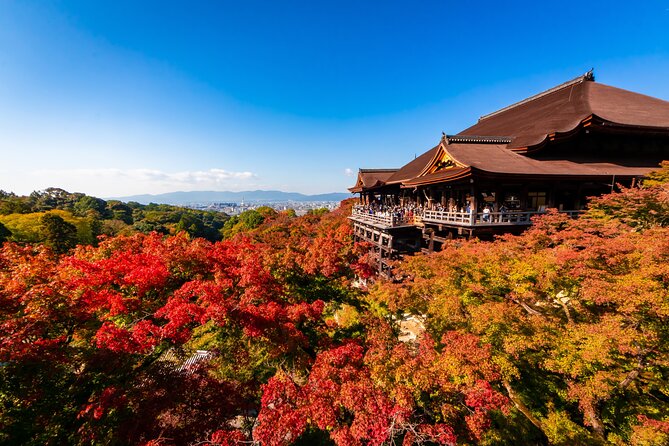
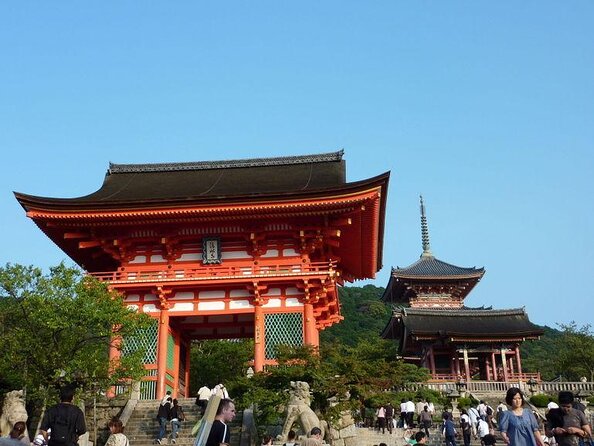
Kiyomizu-dera receives about an hour, and this is the main reason many people choose the tour. The temple is a UNESCO World Heritage Site and one of Kyoto’s most visited religious sights. Your guide explains its cultural and religious meaning while you take in the setting above the city.
The approach is part of the experience. You walk uphill toward the temple, passing the kind of historic streets that make Higashiyama famous. Once you reach the temple area, the views and architecture give you a strong first look at Kyoto’s older identity.
The guide’s presence helps here. At a major site like Kiyomizu-dera, you can easily spend your time taking photographs without understanding what you are seeing. A good guide can explain Buddhist customs, point out details in the buildings, and connect the temple to the wider story of Kyoto.
The drawback is crowding. Kiyomizu-dera is popular for good reason, and the approach can be packed. A guide cannot remove the crowds, but local route knowledge can help you keep moving and avoid wasting time. One guide, Toshi, was specifically praised for steering the group through heavily crowded areas while keeping the visit flexible.
Sannenzaka and Ninenzaka: Kyoto on foot
After Kiyomizu-dera, the tour gives you about 30 minutes on Sannenzaka and Ninenzaka. These historic slopes lead down from the temple and are lined with traditional buildings, shops, food stops, and small details worth noticing.
Sannenzaka is the longer, steeper slope, while Ninenzaka is gentler. The direction matters. Walking down is easier than climbing, which makes this section a welcome change after the opening ascent.
This is also the most commercial part of the route. You may find souvenirs, snacks, ceramics, and other purchases aimed at sightseers. That does not make the streets uninteresting, but it does mean you should not expect a quiet village lane. The value comes from seeing how old wooden facades and modern tourism share the same narrow streets.
A guide can add context that you would miss alone, especially around the traditional wooden buildings and local customs. Several guides have also included snack suggestions or stops during the walk, although food is not presented as a formal inclusion. If you want to browse, tell your guide early so the pace can match your interests.
Other evenings in the old entertainment quarters of Kyoto:
- Kyoto Geisha Walking Tour: Gion District & Hidden Gems
★ 4.7 · 3,273 reviews - Kyoto: Gion Magical Night Walking Tour with Geisha Trivia
★ 4.9 · 2,393 reviews - Kyoto: Gion Geisha District Walking Tour – Stories of Geisha
★ 4.7 · 2,187 reviews - Best of Kyoto: Gion, Geisha, Pagodas & Cobblestones
★ 4.9 · 2,058 reviews
The smaller Higashiyama stops
The route includes a Japanese garden near Kiyomizu-dera, with ponds, traditional wooden bridges, and carefully arranged plants. The supplied timing does not give this stop a separate duration, so think of it as a short pause rather than a long garden visit.
That can be a good thing. After the crowds around Kiyomizu-dera and the shopping lanes, a garden offers a quieter visual break. You get a taste of Japanese garden design without setting aside several hours for a dedicated garden visit.
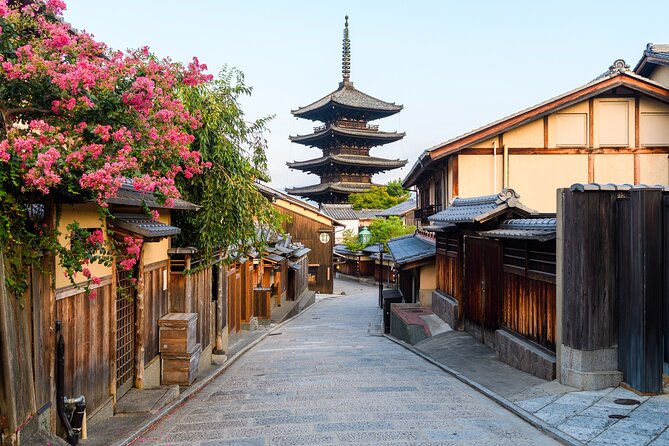
The route also passes the Yasaka Pagoda, a five-story landmark and one of the most recognizable sights in the area. Again, no separate duration is specified, so your guide may treat it as a photo and explanation stop along the way. Its value is its setting: an elegant pagoda framed by the old streets around it.
These stops show why a walking tour can be more useful than a taxi-based sightseeing plan. You are moving slowly enough to notice the changes in architecture and atmosphere between each major site.
Yasaka Koshin-do and its colorful charms
Yasaka Koshin-do receives about 10 minutes and has a very different feel from Kiyomizu-dera. This small traditional temple is dedicated to Koshin, a guardian deity associated with protection from illness and misfortune.
The temple is known for colorful kukurizaru charms. Their bright appearance makes this a memorable stop, but the important point is that the site is small and focused. You are not spending an hour here. Instead, the guide gives you a short explanation, points out the distinctive charms, and helps you understand a local religious practice that might otherwise seem like decoration.
Ten minutes is enough for a quick look, though not enough for a slow, reflective visit. If this kind of folk religious tradition interests you, tell your guide. The tour is described as adjustable to personal interests, and the small group makes that more realistic than it would be on a large coach tour.
Yasui-Konpiragu and the idea of cutting ties
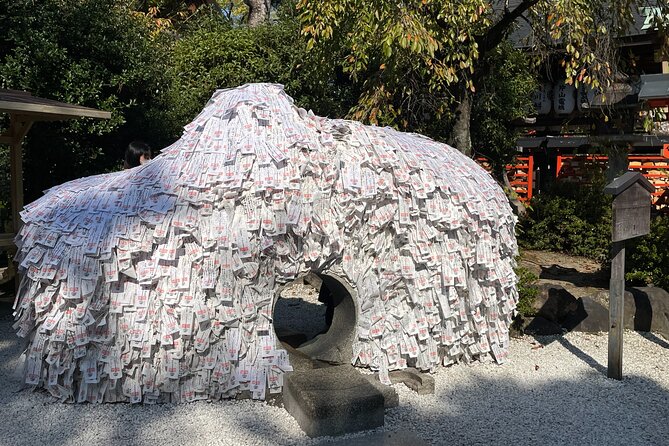
The next short stop is Yasui-Konpiragu, a Shinto shrine famous for the wish to cut negative relationships and form positive ones. Its ritual attracts people hoping to leave an unwanted connection behind or begin a better one.
This is one of the more unusual stops on the route. It gives you a chance to discuss how Japanese religious practice often combines practical concerns, personal hopes, and symbolic action. The shrine is not simply another pretty building. It represents a particular way of asking for change.
The visit lasts about 10 minutes. That is enough to learn the basic meaning and observe the ritual, but the area can attract lines. Keep your expectations realistic: this is a brief cultural stop, not a long shrine visit with extensive free time.
Kennin-ji: the calmest hour of the route
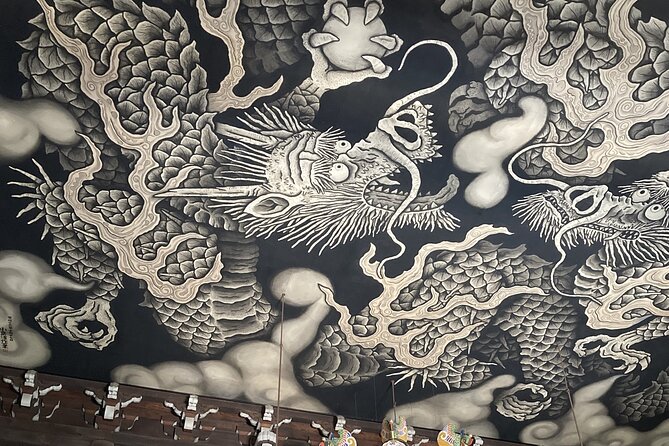
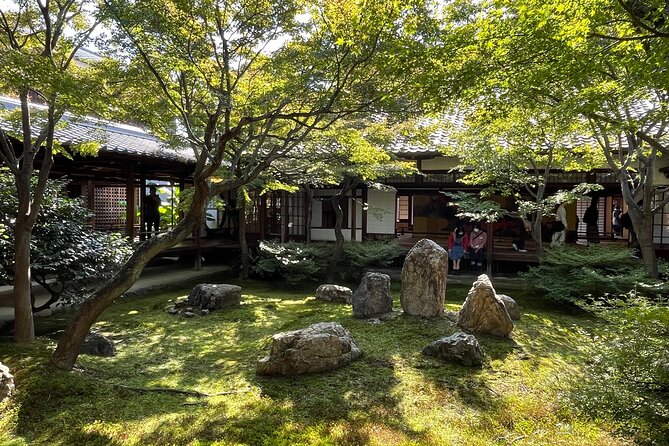
Kennin-ji receives about 50 minutes, making it the second major temple visit after Kiyomizu-dera. Founded in 1202, it is Kyoto’s oldest Zen temple. Its central location makes the quiet grounds feel like a useful pause from the streets outside.
This is where the tour changes mood. Kiyomizu-dera gives you crowds, height, and broad views. Kennin-ji gives you space, stillness, and Zen art and architecture. The Dharma Hall is a major feature, and your guide introduces the temple’s place in Japanese Buddhism and Kyoto’s religious culture.
I consider this stop especially valuable for first-time visitors. You are not just seeing two famous temples that look different. You are comparing two settings and two religious traditions within the same half-day route.
The nearly hour-long visit also gives the tour breathing room. Still, remember that temple grounds may involve removing shoes in certain areas, and you should be prepared for continued walking afterward. The tour remains active rather than becoming a seated temple lesson.
Ending in Gion and Hanamikoji
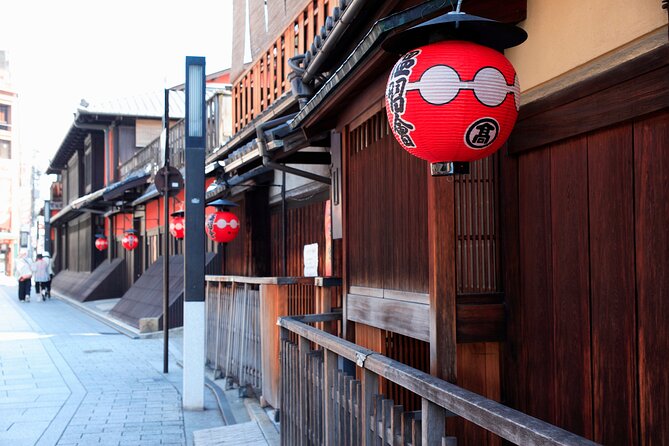
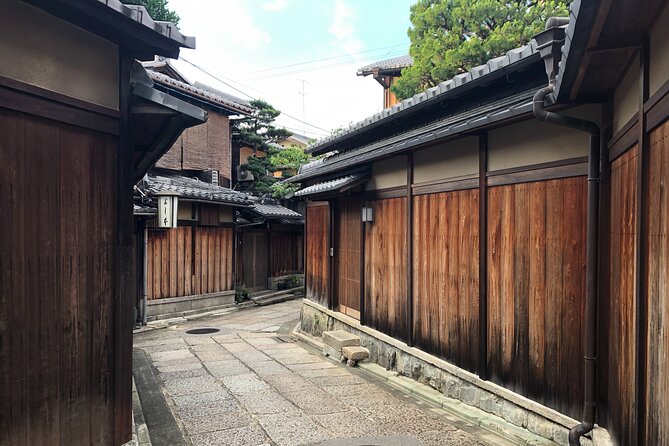
The final section takes you through Gion, Japan’s largest geisha district, and along Hanamikoji Street. The route ends at 571 Gionmachi Minamigawa, in the heart of the district.
Hanamikoji is known for traditional wooden machiya houses, teahouses, shops, and restaurants. It is one of the best places in Kyoto to see the visual character associated with old entertainment districts. The street is also a working neighborhood, not a stage set, so respectful behavior matters. Keep voices low, avoid blocking entrances, and do not photograph private areas.
Ending here is convenient. You can continue with dinner, explore more of Gion, or make your way toward other central Kyoto sights. It also means the tour does not finish back where it began. If you have a timed reservation afterward, leave room for a late finish. The operator asks guests to mention appointments in advance because the walking route can run over its approximate four-hour duration.
What the guide adds
The guide is the main reason to choose this experience instead of following the same route alone. The temples and streets are accessible without a guide, but the religious customs and local stories are harder to interpret on your own.
The strongest guide qualities reported across the experience are warmth, clear explanations, flexibility, and a good walking pace. Mika has been praised for calmly leading people through crowded sites and explaining Buddhist and Shinto beliefs. Takuma Goda has been praised for an engaging manner and well-organized uphill-to-downhill routing.
Mitsuhiko is associated with good pacing and organization, while Kiyoto has tailored the walk to personal interests, answered broader Japan questions, and offered recommendations. Families have also received patient adjustments for children, and one solo visitor used the tour to cover Kyoto’s main sights during a day trip from Tokyo.
The guide names may vary by departure. What matters is the format: a maximum of eight people gives you a better chance to ask questions than a large group would. It also makes pace adjustments more practical.
Price, timing, and walking effort
At $59.45 per person, the tour is reasonably priced for four hours with a guide and included admission to Kiyomizu-dera and Kennin-ji. You are paying mainly for local interpretation, route planning, and time saved, not for transport or a long list of paid attractions.
That value is strongest if this is your first visit to Kyoto, your time is limited, or you want help making sense of religious sites. If you already know Higashiyama well and prefer to stop for long shopping breaks or photographs, the fixed route may feel brisk.
The walking effort is moderate to demanding for anyone unused to hills. The tour climbs toward Kiyomizu-dera, then covers several districts on foot. Comfortable shoes are essential. Families can manage it, but children may need a slower pace, and you should mention that when booking.
The tour runs in rain or shine. Bring weather protection and expect the route to continue unless conditions make that impossible. Free cancellation is available up to 24 hours before the start time. Changes or cancellations inside that window are not accepted for a refund.
Who should book this walk?
I would choose this tour if you want a well-planned first look at eastern Kyoto without spending time figuring out directions between temples and Gion. It suits solo visitors, couples, families, and anyone arriving in Kyoto with only half a day.
It is also a good match if you care about culture more than simple sightseeing. The combination of Buddhism, Shinto practice, Zen, traditional streets, and Gion gives you more substance than a temple-only outing.
I would hesitate if you dislike walking uphill, crowded streets, or a fairly full schedule. You may also prefer independent sightseeing if you want to linger at one temple, shop at length, or pause for a long meal.
Should you book it?
Book it if you want Kyoto’s eastern highlights arranged into one practical route, with a guide who can explain what you are seeing and adjust the experience to your interests. The best reasons are the small group, the mix of major and minor sights, and the useful downhill finish through Gion.
Skip it if you already have strong Kyoto experience or want a slow, unstructured day. For a first visit, especially with limited time, $59.45 buys a sensible introduction to Kiyomizu-dera, Higashiyama, Kennin-ji, and Gion without the usual map-reading and crowd-navigation headaches.
FAQ
How long does the Kiyomizu Temple and Backstreets of Gion tour last?
The tour lasts approximately four hours.
How many people can join the tour?
The tour has a maximum of eight travelers.
Where does the tour begin?
It begins in front of the Kyoto Ceramic Center at 583-1 Yūgyōmaechō, Higashiyama Ward, Kyoto.
Where does the tour finish?
It finishes at 571 Gionmachi Minamigawa in the Gion area of Kyoto.
Is admission to the temples included?
Admission is included for Kiyomizu-dera and Kennin-ji. The other listed stops are shown as free admission.
Is the tour suitable for children?
Most people can participate, and guides can adjust the pace and interests for families. Comfortable walking shoes are recommended.
Does the tour operate in bad weather?
Yes. The tour takes place rain or shine.
Can I cancel for a full refund?
You can cancel at least 24 hours before the start time for a full refund. Cancellations or changes made less than 24 hours in advance are not accepted for a refund.
More temples and shrines elsewhere in Japan
- Osaka/Kyoto: Arashiyama, Nara & Fushimi Inari Shrine w/Lunch
★ 4.4 · 754 reviews - Kyoto: Ninnaji Temple Entry Ticket
★ 4.2 · 650 reviews - Kyoto Zen Meditation & Garden Tour at a Zen Temple with Lunch
★ 5.0 · 441 reviews - Kyoto: Zen Experience in a Hidden Temple
★ 5.0 · 437 reviews
Just added in Kyoto
- Private Cooking Class Udon in Kyoto Japan★ 5.0 · 23 reviews
- Your Private Vacation Photography Session In Kyoto★ 5.0 · 110 reviews
- Kyoto: Zen Meditation at a Private Temple with a Monk★ 5.0 · 25 reviews
- Private Pewter Sake Cup Experience with a Kyoto Artisan★ 5.0 · 31 reviews
- Kyoto Wagashi(Japanese sweets) Cooking Class near Fushimiinari★ 5.0 · 60 reviews
- Kyoto:Family-Friendly Kimono & Yukata Experience at WARGO★ 5.0 · 147 reviews
- Private Guided Traditional Buddhist Cooking in Japan★ 5.0 · 16 reviews
- Kyoto: Gion Geisha District & Sake-in-Hand Walking Tour★ 5.0 · 37 reviews
Geisha & Gion District Tours, compared.
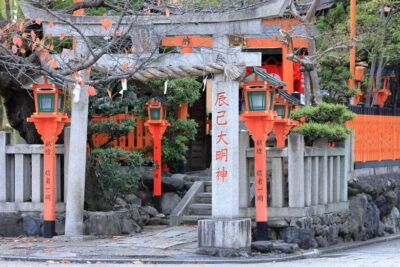
Kyoto Geisha Walking Tour: Gion District & Hidden Gems
Read our review →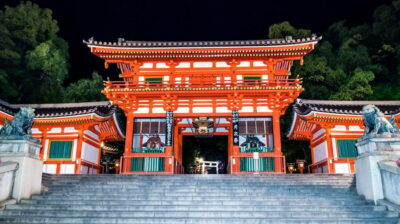
Gion Geisha District Walking Tour – Stories of Geisha
Read our review →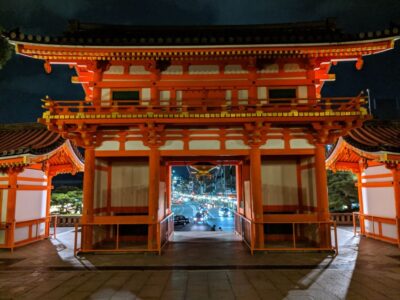
Best of Kyoto: Gion, Geisha, Pagodas & Cobblestones
Read our review →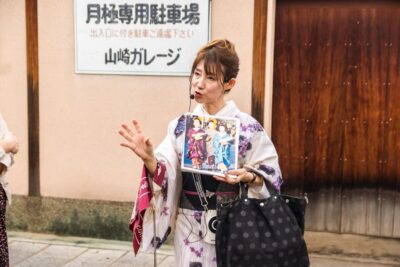

Kyoto Night Foodie Tour in Gion (9+ dishes + 6 Sake tastings)
Read our review →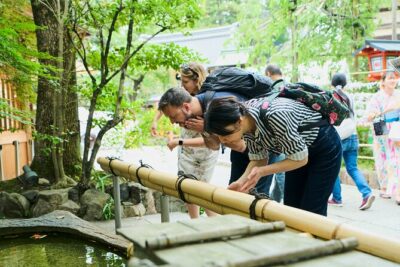
Kyoto Gion: 2-Hour Geisha Culture & History Walking Tour
Read our review →
Chopsticks Making Workshop in Gion with Engraving Option
Read our review →
Browse the lists this tour appears in