
Reviewed · RAMEN TOURS & WORKSHOPS
Ramen and Sushi Cooking Class with Sake Pairing Set in Tokyo
The best part of this Tokyo food class is the combination of hands-on sushi making and ramen from scratch. You work in a group of no more than eight, so the instructor can correct your technique instead of shouting instructions across a crowded room. Sato, Ryushi, Taka, Alex, and Kaori are among the teachers associated with the class.
I like two things right away: the class gives you useful skills for cooking Japanese food at home, and the sake pairing turns lunch into a proper Japanese food lesson. The river view from the setting also adds a pleasant sense of place.
The main consideration is time. Three hours goes quickly, and ramen is somewhat less hands-on than sushi because parts of the broth and preparation are handled in advance or guided more closely. You will still eat well, but this is a relaxed food workshop, not a full chef-training course.
Key points to know before booking
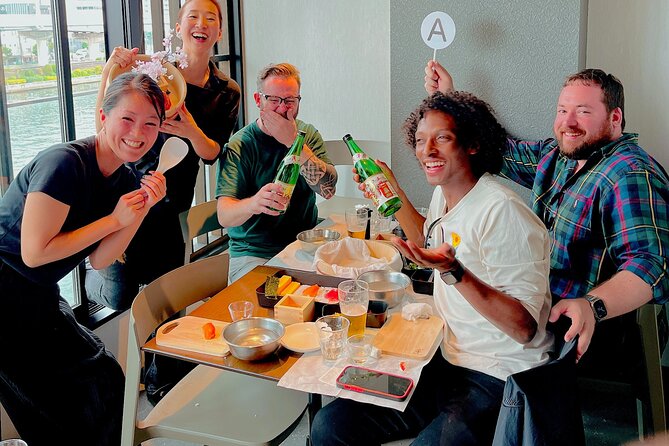
- Eight-person limit: A small group gives you close help with sushi rolling, shaping, and presentation.
- Two Japanese staples: You make sushi and ramen, then sit down to eat what you prepared.
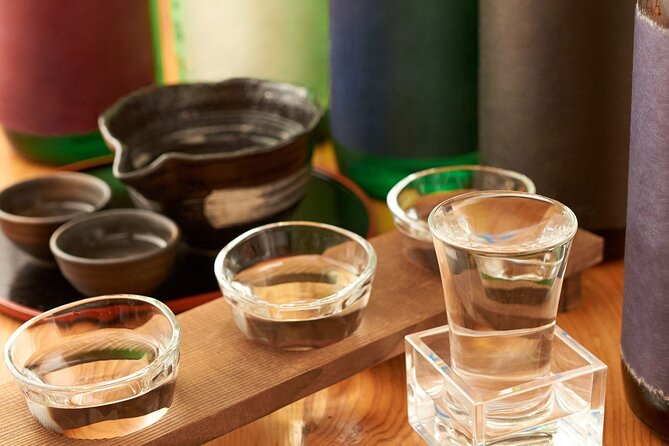
- Sake is part of the meal: Selected sake is served with the food, and all drinks are included.
- Useful home-cooking advice: The instructors explain practical tips that are easier to understand in person than from a video.
- Tsukishima location: The class begins and ends at HAUS Tsukishima in Chuo City, near public transportation.
- Three-hour format: You get a substantial food activity without giving up an entire day in Tokyo.
What the three-hour Tokyo cooking class is really like
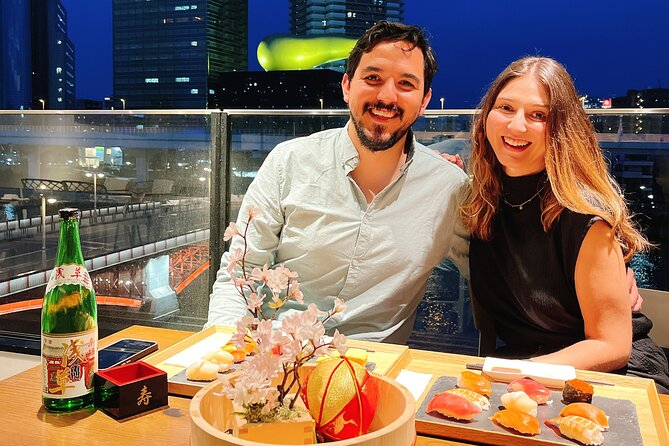
This is a compact food lesson built around three familiar Japanese dishes and the culture behind them. You are not simply watching a chef cook while you take notes. The point is to handle ingredients, follow the steps, ask questions, and then eat the finished meal.
The class takes place at HAUS Tsukishima, at 2-chome 13-5 Tsukuda in Tokyo’s Chuo City. The activity returns to the same meeting point, which makes the logistics simple. You do not need to arrange a separate drop-off, and a mobile ticket is accepted.
The group size matters. With a maximum of eight people, the instructor has room to watch what you are doing. That is especially useful when working with sushi rice and rolling techniques, where a small adjustment in pressure can change the result. If you have tried learning sushi from online videos and found the instructions vague, the face-to-face guidance is likely to be the biggest benefit.
The tone is relaxed rather than formal. The teaching team uses conversation, demonstrations, and practical corrections. There may also be a quiz about sushi and ramen, which adds some light fun while giving context to the dishes.
Other bowls worth queuing for in Tokyo:
- Eat and Drink Like a Local: Tokyo Ueno Food Tour-Taverns&Ramen
★ 5.0 · 957 reviews - Ramen & Gyoza Cooking Class in Tokyo with Local Supermarket Visit
★ 5.0 · 823 reviews - Tokyo: Ramen Tasting Tour with 6 Mini Bowls of Ramen
★ 4.9 · 432 reviews
Starting with sushi, where small details matter
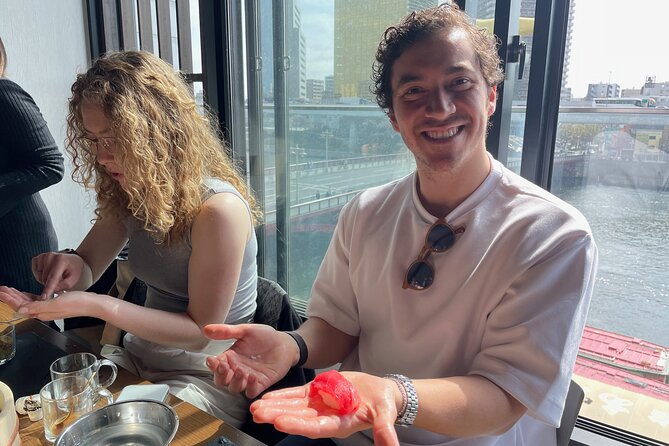
Sushi is likely to be the most visibly hands-on section of the class. You learn how to prepare and shape it under close instruction, then eat your own work afterward. That simple sequence makes the lesson useful: you see the technique, try it yourself, and immediately find out how the finished piece tastes.
The class is designed to help you get beyond the basic idea of placing ingredients on rice. The instructors explain professional tips and tricks for preparing Japanese food at home. You can ask why a step matters rather than blindly copying a movement.
The small class size is especially helpful here. One person may press too hard, another may use too much filling, and someone else may have trouble with the rolling. In a large class, those problems can go unnoticed. Here, the instructor can give more direct help.
The finished sushi is part of the meal, not merely a practice exercise. That makes the session satisfying for food lovers who want both instruction and lunch. The ingredients are included, and the quality of the food is treated as part of the experience rather than an afterthought.
You should not expect restaurant-level knife training or an advanced sushi apprenticeship. The class focuses on approachable preparation and useful home skills. That is a good fit for a first lesson, but less so if you already make sushi regularly and want highly technical instruction.
Ramen broth, pork belly, and a more guided cooking section
Ramen gives the class a second focus and a different kind of cooking lesson. You learn about preparing savory broth from scratch, then build a bowl with the other components. Pork belly is included in the ramen, and it has been singled out as a particularly enjoyable part of the meal.
Compared with sushi, ramen is somewhat less hands-on. The process involves timing, simmering, and preparation that may be managed or explained by the instructor rather than completed entirely by each participant. You still have room to understand how the bowl comes together and how flavors can be adjusted.
That balance is worth knowing before you book. If your main goal is to spend every minute actively chopping and stirring, the sushi portion may feel more satisfying. If you want to understand ramen as a dish and eat a hearty bowl afterward, the format works well.
The ramen section also gives the instructor a chance to explain Japanese food culture. You hear the story behind the dish rather than simply receiving a recipe. That context helps you understand why broth, toppings, and seasoning work together.
The class does not claim to make you a ramen shop owner in three hours. It does give you a clearer sense of the work behind a bowl of ramen and the practical steps needed to recreate parts of it at home.
Sake pairings that make the meal feel complete
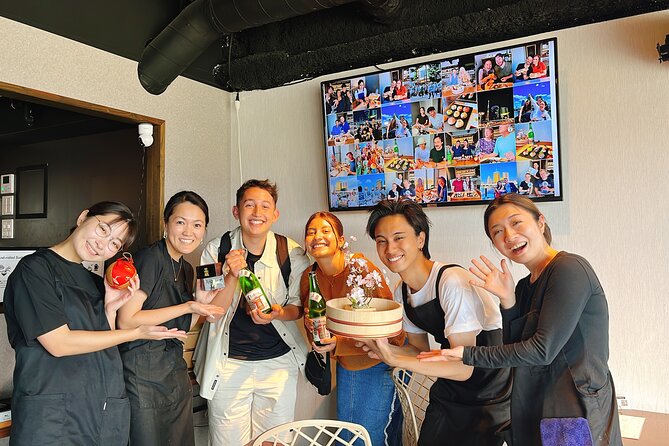
Sake is not an optional add-on here. It is selected to match the food, and all drinks are included in the price. This changes the feel of the class from a basic cooking demonstration into a meal with a little more structure.
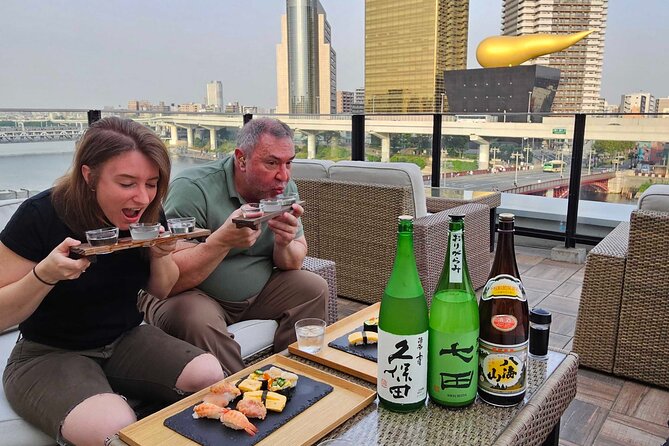
You taste sake alongside the sushi and ramen, learning how the drink works with different flavors. The pairing element is useful if you are curious about sake but do not know where to begin. Instead of ordering a bottle at random, you can compare the drink with food under the guidance of the host.
The sake has received especially strong praise for being smooth and well chosen. Still, the amount and exact selection are not specified, so you should not book this as a dedicated sake seminar. The focus remains cooking, with sake serving as a well-matched part of the meal.
Because drinks are included, you do not need to budget separately for the tasting. That makes the $79.59 price easier to assess. You are paying for three hours of instruction, ingredients, a prepared meal, and drinks in a group capped at eight people.
Other tasting rooms and breweries in Tokyo:
- Sake Tasting Masterclass in Shinjuku (8+ Varieties with a Pro)
★ 5.0 · 271 reviews - Sake Omakase in Tokyo: Guided Tasting by Certified Sommeliers
★ 5.0 · 239 reviews - Wagyu & Sake Pairing in Shinjuku – Steak, Shabu-Shabu & More
★ 5.0 · 112 reviews - Luxury Tokyo Sake, Cocktail, Whisky and Pairing Tour
★ 5.0 · 18 reviews
The teaching style and personal attention
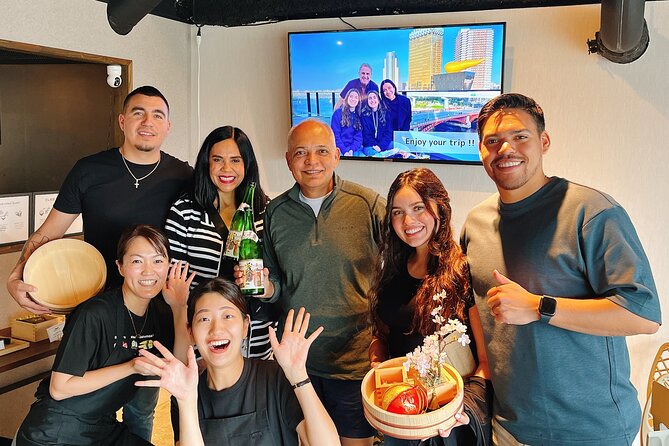
The teaching team is one of the strongest reasons to choose this class. Sato and Ryushi are named as instructors, while Taka, Alex, and Kaori are also associated with highly praised sessions. The staff are described as warm, polite, cheerful, and good at making people feel at ease.
That matters if you are nervous about cooking in front of strangers. You do not need prior sushi or ramen experience. The format is designed to move you from basic assistance to preparing the dishes yourself, with clear steps along the way.
I particularly like the emphasis on conversation. You hear stories behind the dishes and learn about Japanese culinary customs while cooking. Food becomes the doorway into the culture, not just a list of instructions.
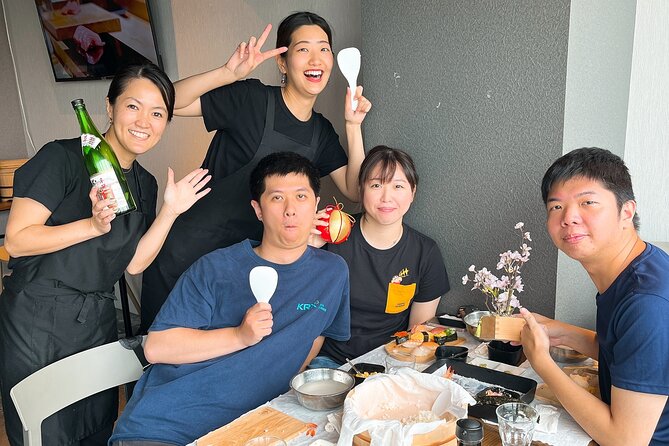
The class can also work well for couples, siblings, friends, and solo participants. One session had only a handful of people, allowing close guidance at the table. Another included a couple who appreciated the relaxed atmosphere and the chance to make and eat their own food.
The setting has been praised for its view over the river. That is a small detail, but it helps the three-hour session feel like part of your Tokyo day rather than a closed room with no connection to the city.
Is $79.59 good value in Tokyo?
At $79.59 per person, this is not the cheapest way to eat ramen or sushi in Tokyo. You can find an inexpensive bowl of ramen for far less, and conveyor-belt sushi will cost less than a cooking class.
The value comes from what is bundled into the price. You receive English-speaking instruction, all ingredients, the food you prepare, and all drinks. You also get direct help in a small group, cultural explanation, and a meal that takes several hours rather than 20 minutes at a counter.
I would consider the price fair for visitors who want an activity rather than only a meal. It is also good value for anyone who has tried to learn sushi at home and struggled with vague online instructions. The ability to ask questions and have your technique corrected can save a lot of frustration.
The value is weaker if you already cook Japanese food confidently or mainly want a quick lunch. In that case, a restaurant meal will be cheaper and more efficient. This class earns its price through participation, not portion size alone.
The sake inclusion also helps. A separate tasting can add to the bill, while here it is part of the experience. You should still check the current price when booking, since tour rates can change.
Who should book this class?
This experience suits you best if you:
- Want a friendly introduction to sushi and ramen
- Prefer doing the cooking rather than only watching
- Enjoy learning food culture through stories and conversation
- Appreciate a small group with close instructor help
- Want sake included with a meal
- Need an English-speaking class in Tokyo
- Are looking for a three-hour activity that works in the middle of a sightseeing day
It is also a smart choice for families with older children, couples, and friends who want a shared activity. Service animals are allowed, and the meeting point is near public transportation.
You may want to skip it if you want advanced culinary training, a long market visit, or a full-day food tour. The class stays focused on sushi, ramen, and sake. It does not include hotel pickup or drop-off, and you must make your own way to Tsukishima.
Practical details that can save you trouble
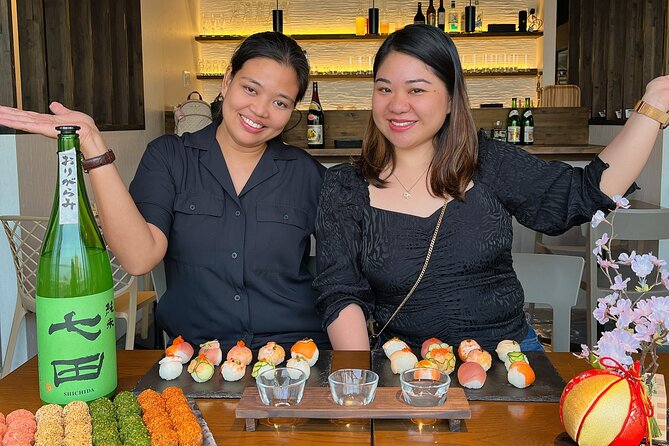
The meeting point is Japan, 104-0051 Tokyo, Chuo City, Tsukuda, 2-chome 13-5, HAUS Tsukishima. The activity ends at the same location.
Plan around the full three-hour duration. You will be cooking, listening, tasting, and eating, so this is not an activity to squeeze in between two tightly timed reservations. Arriving with enough time to find the building will make the start calmer.
Confirmation is provided when you book, and a mobile ticket is accepted. The maximum group size is eight, but the actual group may be smaller. A smaller session can make the hands-on sections feel even more personal.
Cancellation is free if you cancel at least 24 hours before the local start time. Inside that window, the payment is not refunded, and changes are not accepted. Keep that deadline in mind if your Tokyo plans are still shifting.
How this compares with a normal Tokyo meal
A restaurant lets you sample Japanese food with almost no effort. This class asks you to slow down and understand how the food is made. You get less variety than on a food tour, but more contact with the dishes you eat.
The sushi is the clearest example. At a restaurant, you may admire the neat shapes and quick movements from a distance. Here, you handle the ingredients and discover how much care goes into getting the rice, filling, and form right.
Ramen offers a different lesson. A restaurant gives you a polished bowl. The class helps you understand the broth and assembly behind it, even though the process is not as hands-on as the sushi work.
The setting also changes the pace. A river view, friendly instructors, and a small table create a social afternoon rather than a rushed meal. If you like food experiences that give you something to remember and repeat at home, that extra time is worthwhile.
Final verdict: book it if you want skills with your sushi
I would book this class if I wanted a warm, practical introduction to Japanese cooking with a meal included. The strongest features are the eight-person limit, patient instruction, sushi practice, pork belly ramen, and sake pairing.
The class is not perfect for someone seeking advanced technique or nonstop hands-on work. The ramen portion is more guided, and three hours may feel long if you only want to eat.
For most visitors, though, the balance is right. You leave with a better idea of how sushi is made, a clearer understanding of ramen, and a few techniques you can try at home. If your Tokyo itinerary needs one food activity that is social, useful, and filling, this is a sensible choice.
FAQ
How long does the cooking class last?
The class lasts approximately three hours.
Where does the activity begin?
It begins at HAUS Tsukishima, Japan, 104-0051 Tokyo, Chuo City, Tsukuda, 2-chome 13-5.
Where does the activity end?
The activity ends back at the meeting point.
How many people can join the class?
The class has a maximum of eight participants.
What food will I prepare?
You will prepare sushi and ramen, including savory ramen broth. Pork belly is included in the ramen.
Is sake included?
Yes. Sake is included, along with all drinks, ingredients, and the meal.
Is instruction available in English?
Yes. An English-speaking instructor leads the class.
Can I cancel for a full refund?
Yes, if you cancel at least 24 hours before the experience start time. Cancellations made less than 24 hours in advance are not refunded.
More cooking classes elsewhere in Japan
- Tokyo: Wagyu and 7 Japanese Dishes Cooking Class
★ 4.9 · 273 reviews - Tokyo Washoku 4-hour Cooking Class: From Market to Table
★ 5.0 · 253 reviews - Professional Ramen & Gyoza with Ramen Chef in a restaurant!
★ 5.0 · 223 reviews - Small-Group Wagyu Beef and 7 Japanese Dishes Tokyo Cooking Class
★ 5.0 · 190 reviews
Just added in Tokyo
- Small-Group Wagyu Beef and 7 Japanese Dishes Tokyo Cooking Class★ 5.0 · 190 reviews
- Nikko: Edo Wonderland Edomura Cultural Theme Park Ticket★ 4.3 · 205 reviews
- 《MEMBERS-ONLY-BAR-HOPPING》Discover Your Special Whiskey in Tokyo!★ 5.0 · 29 reviews
- Japanese Whisky Hunting《HIGH-QUALITY-ONLY》Rare Tasting Class★ 5.0 · 20 reviews
- Luxury Tokyo Sake, Cocktail, Whisky and Pairing Tour★ 5.0 · 18 reviews
- Wagyu & Sake Pairing in Shinjuku – Steak, Shabu-Shabu & More★ 5.0 · 112 reviews
- From Tokyo: Private Tour to Fuji/Hakone – Onsen, Art, Nature★ 5.0 · 116 reviews
- Tokyo: KABUKI Show at Kabukiza Theatre Admission Ticket★ 4.8 · 152 reviews
Ramen Tours & Workshops, compared.
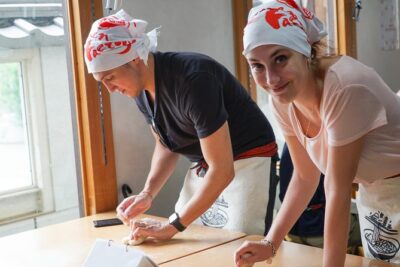
Ramen Cooking Class at Ramen Factory in Kyoto
Read our review →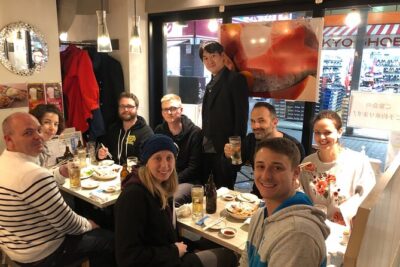
Eat and Drink Like a Local: Tokyo Ueno Food Tour-Taverns&Ramen
Read our review →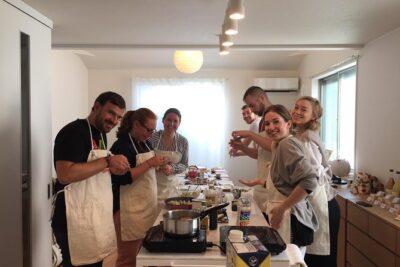
Ramen & Gyoza Cooking Class in Tokyo with Local Supermarket Visit
Read our review →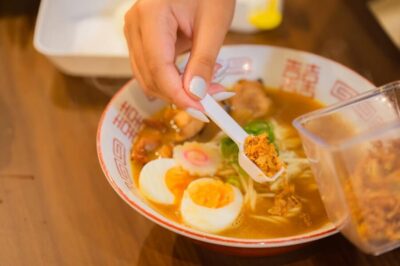
Ramen Cooking Class at a Ramen Factory with Souvenir
Read our review →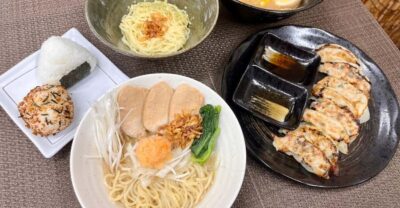
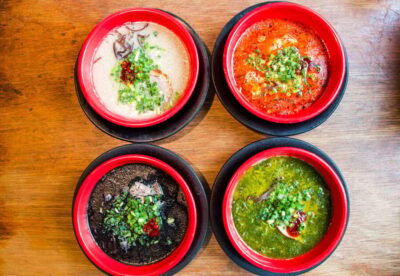
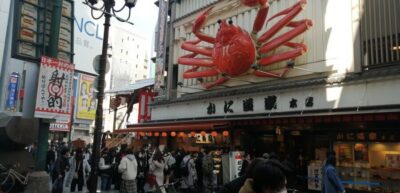
Five Must-See Highlights Walking Tour & Ramen Lunch
Read our review →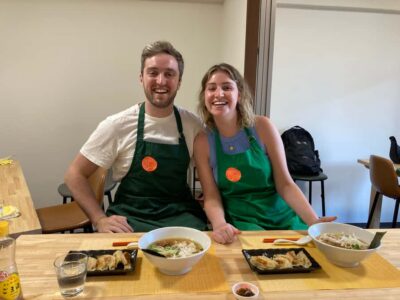
Browse the lists this tour appears in