
Reviewed · TEMPLE & SHRINE TOURS
Tokyo: Meiji Shrine and Shinto Culture Walking Tour
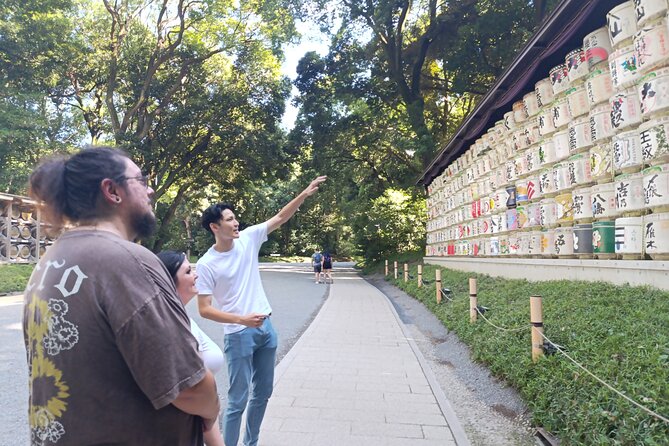
Meiji Jingu is one of Tokyo’s best breaks from the city’s noise: a broad forest path leads to a major Shinto shrine dedicated to Emperor Meiji and Empress Shoken. The striking part is the sense of space. You are near Harajuku, yet the walk quickly feels quiet and ceremonial.
I like the small-group format, which gives you room to ask why people bow, cleanse their hands, and follow certain steps at the shrine. I also like the low $18 price, since a guide adds the cultural context that is easy to miss when you simply walk in, take a few photos, and leave.
The main limitation is time. Two hours is enough for the shrine highlights, but not enough for a slow visit or a full exploration of every path. The tour also ends where it begins, so you will need to plan your next Tokyo stop yourself.
Key points to know before booking
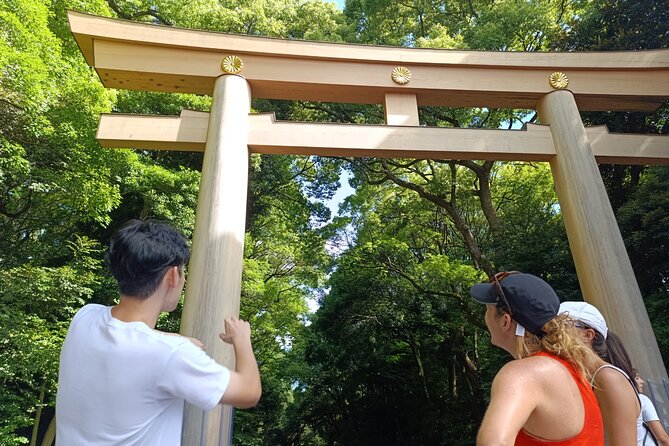
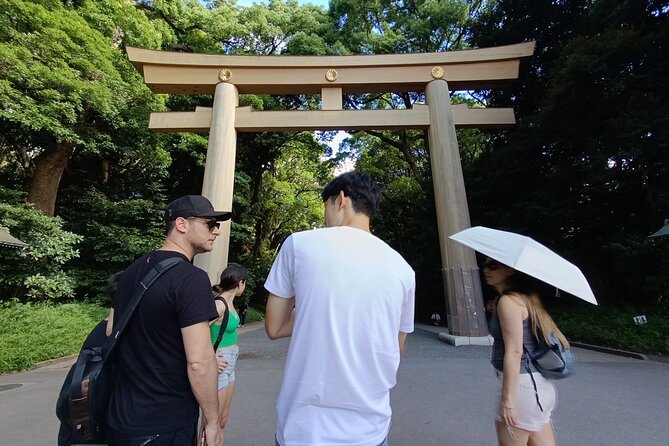
- The 12-meter torii is the visual opening act: This huge wooden gate measures 17.1 meters across and immediately shows the scale of Meiji Jingu.
- A guide explains the rituals: You learn the meaning behind bowing, hand cleansing, and shrine etiquette rather than guessing your way through.
- The setting is unusually calm for central Tokyo: Meiji Jingu sits inside a 70-hectare artificial forest beside Harajuku.
- The group can include up to 15 people: That is still small enough for questions, though it is not a private tour.
- Several guides have earned strong praise: Sara, Yumi, Haydn, Matt-san, and Benjamin are all named in positive comments about clear explanations and considerate guiding.
- The price is easy to justify for first-time visitors: At $18 per person, the tour costs little more than a casual meal while adding useful cultural background.
Why Meiji Jingu works so well as a first Shinto visit
I would choose Meiji Jingu for a first introduction to Shinto because it combines an important shrine with a simple walking route. You do not need prior knowledge of Japanese religion to follow the visit, and the guide can explain customs as they appear in front of you.
The shrine was established in 1920 and honors the deified spirits of Emperor Meiji and Empress Shoken. Emperor Meiji is closely linked with Japan’s modernization, so this is not only a religious site. It also connects to the period when Japan changed its government, society, and place in the wider world.
That background gives the visit more weight. Without it, Meiji Jingu can look like a beautiful wooded park with impressive gates. With it, the setting becomes a deliberate memorial to a royal couple associated with a major turning point in Japanese history.
You will also see a useful contrast between the surrounding district and the shrine grounds. Harajuku is one of Tokyo’s most recognizable shopping and youth-culture areas, while Meiji Jingu offers quiet paths, tall trees, and formal religious spaces. The change happens quickly, which is one reason this tour fits well into a first day in Tokyo.
Other temples and shrines in Tokyo people book:
- Tokyo: Meiji Shrine, Asakusa, Skytree Bus Tour and Cruise
★ 4.7 · 1,986 reviews - Tokyo: Asakusa Walking Tour with Sensoji Temple Visit
★ 4.8 · 1,583 reviews - Nikko: Kegon Falls, Lake Chuzenji & Toshogu Temple
★ 4.6 · 1,577 reviews
Meeting at Harajuku and entering through the great torii
The meeting point is Starbucks Coffee at WITH HARAJUKU, at 1-chome 14-30 Jingumae, Shibuya, Tokyo 150-0001. The tour begins there and returns to the same point at the end.
That arrangement is practical. You can reach the meeting area by public transportation, and Harajuku is already a useful base for pairing the tour with other Tokyo sights. I would arrive early enough to find the Starbucks without rushing, especially if this is your first time navigating Tokyo’s large stations and busy streets.
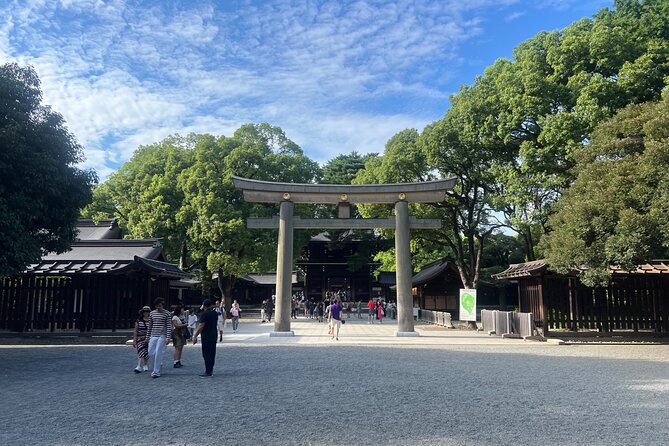
The first major sight is the wooden myojin-style torii. At 12 meters tall and 17.1 meters wide, it is the largest wooden torii of its kind in Japan according to the tour details. You do not need a long explanation to appreciate its size, but a guide can help you understand that passing beneath a torii marks entry into sacred space.
This is also where small etiquette details matter. The guide can show you how to approach the gate respectfully, including the custom of bowing. It is a modest action, but having someone explain when and why to do it makes you feel less like you are copying the person ahead of you.
The forest path gives the tour its breathing room
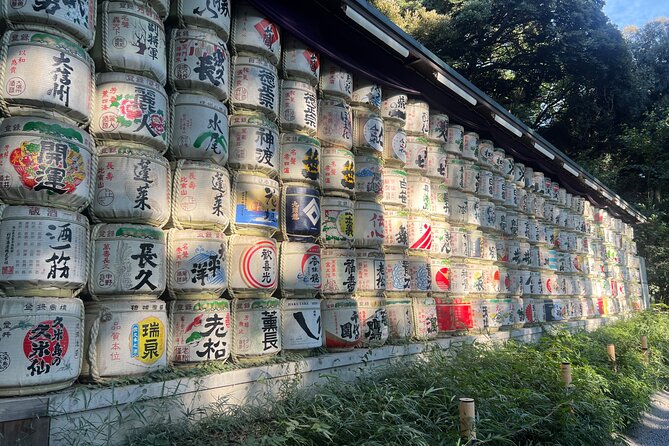
After the torii, the route follows a forested path toward the shrine. Meiji Jingu’s forest covers about 70 hectares and was created as part of the shrine grounds. That fact is easy to miss if you think of the area as untouched countryside. The forest was planned, planted, and shaped to support the shrine’s setting.
I like this part because the walking itself carries much of the experience. You are not moving from one cramped display to another. The path gives you time to listen, ask questions, and notice the difference between a sacred approach and an ordinary city street.
The tour lasts about two hours, so expect a focused walk rather than a long nature outing. The route description identifies about one hour at Meiji Jingu, with the rest of the time used for walking and explanation. The exact pace can vary with the group and the guide, but the schedule is short enough to fit around other Tokyo plans.
The forest also makes this a good choice after a busy morning. You might find the change in sound and pace as valuable as the shrine itself. Still, remember that this is a walking tour, not a seated lecture. Comfortable shoes are sensible, and rain can affect the feel of the path. One tour continued despite rain, with the guide adjusting the experience through thoughtful explanations.
Shrine rituals become easier to understand with a guide
The strongest reason to book this tour is the explanation of customs that many people otherwise pass over. Shinto practice can look simple from the outside, but each small action has a place.
You can expect guidance on:
- Bowing at the torii and other points of entry
- Cleansing your hands at the water basin
- Approaching the main shrine area respectfully
- Understanding the basic steps connected with prayer
- Recognizing the difference between observing a ritual and taking part in it
The guide is not there only to recite facts. The better use of the tour is to ask practical questions. Can you take photos here? What should you do before approaching the shrine? Why are some actions repeated? How does Shinto differ from a temple visit? These are the questions that turn a pretty stop into a useful cultural experience.
Several guide names appear in the tour feedback, including Sara, Yumi, Haydn, Matt-san, and Benjamin. Sara is described as friendly, interactive, and clear about Shinto customs. Yumi is noted for offering useful Tokyo navigation tips as well as shrine information. Haydn is praised for explaining the culture in detail, while Matt-san handled a rainy visit with care and gave memorable background on the Meiji Restoration and Emperor Meiji’s achievements. Benjamin is described as calm and considerate when explaining customs such as bowing and ritual cleansing.
Guide quality can vary on any scheduled tour, but the repeated pattern here is encouraging: the best part is likely to be the human explanation, not simply being led from gate to gate.
Other walking tours in Tokyo people book:
- Tokyo Tsukiji Fish Market Food and Culture Walking Tour
★ 5.0 · 3,184 reviews - Tokyo: Imperial Palace and Shogun Historical Walking Tour
★ 5.0 · 2,251 reviews - Tokyo: Shinjuku Local Bar and Izakaya Guided Walking Tour
★ 4.9 · 1,794 reviews - Tokyo: Tsukiji Fish Market Food and Walking tour
★ 5.0 · 1,724 reviews
The main shrine and the story behind it
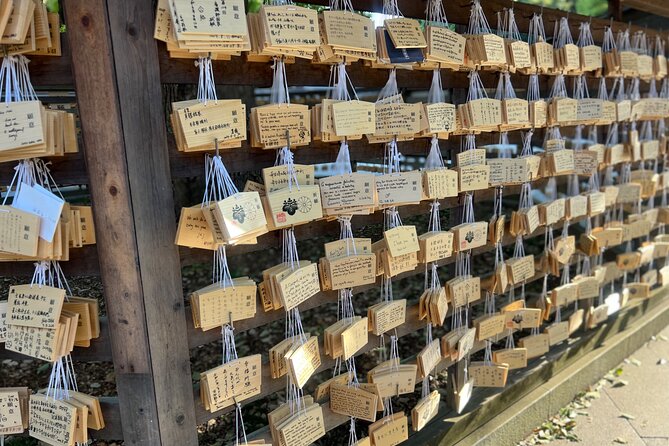
Meiji Jingu’s central importance comes from the people it honors. Emperor Meiji and Empress Shoken are remembered through the shrine as figures connected to modern Japan. Learning that story while standing in the shrine precinct gives the visit a clear focus.
You will not be spending the entire two hours on political history. The tour is built around the shrine and Shinto culture, with historical background added along the way. That balance suits most first-time visitors. You get enough context to understand the place without turning a short walking tour into a classroom.
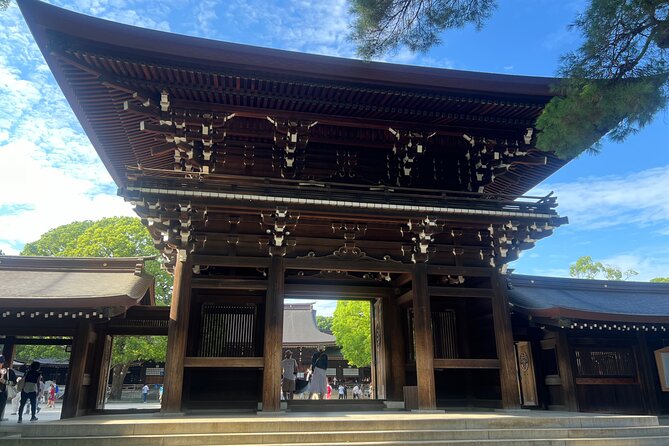
The main shrine area is the point where the earlier customs become practical. After entering through the torii and following the forest path, you arrive at a more formal space where etiquette matters. Your guide can point out what to do and what to avoid, which is especially helpful if you have never visited a Japanese shrine.
Admission to the shrine is included. That keeps the $18 price straightforward, since you are not paying a separate entry charge on the day.
How much value do you get for $18?
At $18 per person, this is one of the easier Tokyo tours to recommend on price alone. A two-hour guided walk in central Tokyo costs less than many short sightseeing activities, and the subject is substantial enough to reward an organized visit.
The value depends on what you want. If you only need directions to Meiji Jingu and prefer to move at your own pace, you can visit without a guide. The shrine is accessible, and independent visitors can enjoy the forest and architecture for free or with no separate admission charge indicated here.
I would pay the $18 if this is your first shrine visit in Japan, if you want help with etiquette, or if you enjoy asking questions. The price is especially fair for couples, families, and solo visitors who want a quick cultural orientation without committing to a full-day tour.
The group size is capped at 15. That is larger than a private guide but much more manageable than a large coach group. You should have a reasonable chance to hear the explanations and ask questions, though the experience may feel less personal if the group reaches its maximum.
Who will get the most from this walking tour?
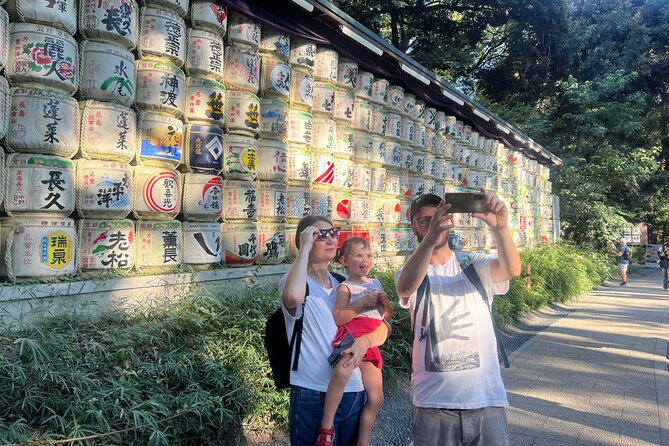
This tour suits first-time Tokyo visitors who want a clear introduction to Shinto. It also works well for families, since the walking route and practical rituals give children something concrete to watch and try to understand.
I would recommend it to anyone who has visited a shrine alone and felt unsure about the customs. A short explanation can prevent the awkwardness of copying others without knowing why they are doing something.
It is also useful for visitors with limited time. Two hours leaves room for other Harajuku and Tokyo plans, and the same meeting point makes the start and finish easy to manage.
You may want to skip it if you strongly prefer solitary sightseeing, dislike guided pacing, or already know a great deal about Meiji Jingu and Shinto practice. The tour covers highlights rather than every corner of the shrine grounds, so repeat visitors may find an independent return visit more rewarding.
Most people can participate, and the activity is near public transportation. The supplied information does not give a detailed accessibility assessment, so anyone with specific mobility needs should confirm the walking conditions before booking.
Practical details that affect your day
The experience uses a mobile ticket, and confirmation is received at booking. The start and finish point is Starbucks Coffee at WITH HARAJUKU, and the tour does not continue to another Tokyo attraction afterward.
Tips are not included. You should treat tipping as an optional extra rather than part of the listed $18 cost.
Free cancellation is available up to 24 hours before the start time for a full refund. Cancellations or changes made less than 24 hours ahead are not accepted for a refund, and the cutoff follows Tokyo local time.
I would also keep weather in mind. The shrine walk can still go ahead in rain, but the forest paths and open walking areas will feel different in wet conditions. Bring suitable footwear and an umbrella if the forecast calls for rain.
Should you book the Meiji Jingu culture walk?
Book it if you want more than a quick photo at Tokyo’s most famous Shinto shrine. The combination of a huge torii, a 70-hectare forest, practical ritual guidance, and background on Emperor Meiji makes the tour a useful two-hour introduction to Japanese spirituality and history.
The strongest reason to choose it is the guide. Sara, Yumi, Haydn, Matt-san, and Benjamin are all associated with clear, friendly explanations, and the small group allows room for questions. At $18, the cost is modest for that added context.
Skip it if you prefer to wander alone or have already studied Meiji Jingu. For most first-time visitors, though, this is a smart, low-cost way to understand what you are seeing before moving on to the rest of Tokyo.
FAQ
How long does the Meiji Jingu walking tour last?
The tour lasts approximately two hours.
What is the price of the tour?
The price is $18 per person.
Where does the tour begin?
The tour begins at Starbucks Coffee at WITH HARAJUKU, 1-chome 14-30 Jingumae, Shibuya, Tokyo 150-0001.
Where does the tour end?
The activity ends back at the meeting point.
Is admission to Meiji Jingu included?
Yes, an admission ticket is included in the tour.
What does the tour explain?
The guide explains Meiji Jingu, Shinto culture, shrine rituals, Japanese customs, and historical background connected with Emperor Meiji and Empress Shoken.
How large is the group?
The tour can have a maximum of 15 participants.
Is the tour available by mobile ticket?
Yes, the experience provides a mobile ticket.
Is the tour near public transportation?
Yes, the meeting point and activity are near public transportation.
Can I cancel for a full refund?
Yes, you can cancel at least 24 hours before the start time for a full refund. Cancellations made less than 24 hours before the start time are not refundable.
More walking tours elsewhere in Japan
- Tokyo: Tsukiji Fish Market Guided Walking Tour
★ 4.9 · 1,397 reviews - Tokyo Castle & Imperial PalaceーShogun Walking Tour
★ 4.7 · 1,068 reviews - Tokyo: Imperial Palace Japanese History Walking Tour
★ 4.9 · 987 reviews - Tokyo: Imperial Palace and Shogun Walking Tour
★ 4.9 · 935 reviews
More temples and shrines elsewhere in Japan
- Tokyo: Nikko Toshogu Shrine and Kegon Waterfall Tour
★ 4.5 · 1,266 reviews - Tokyo Panoramic 1 Day: Meiji Shrine, Asakusa, Odaiba and SKYTREE®
★ 4.5 · 1,222 reviews - Tokyo: Zen Meditation at a Private Temple with a Monk
★ 5.0 · 510 reviews - Mt. Fuji Heritage Tour: Traditional Villages, Lakes & Shrine
★ 4.5 · 509 reviews
Just added in Tokyo
- Nikko: Edo Wonderland Edomura Cultural Theme Park Ticket★ 4.3 · 205 reviews
- 《MEMBERS-ONLY-BAR-HOPPING》Discover Your Special Whiskey in Tokyo!★ 5.0 · 29 reviews
- Japanese Whisky Hunting《HIGH-QUALITY-ONLY》Rare Tasting Class★ 5.0 · 20 reviews
- Luxury Tokyo Sake, Cocktail, Whisky and Pairing Tour★ 5.0 · 18 reviews
- Wagyu & Sake Pairing in Shinjuku – Steak, Shabu-Shabu & More★ 5.0 · 112 reviews
- Small-Group Wagyu Beef and 7 Japanese Dishes Tokyo Cooking Class★ 5.0 · 190 reviews
- Mt. Fuji, Hakone Private Tour from Tokyo – Onsen, Arts and Nature★ 5.0 · 79 reviews
- Tokyo Cyberpunk Street Photo Tour★ 5.0 · 165 reviews
Temple & Shrine Tours, compared.
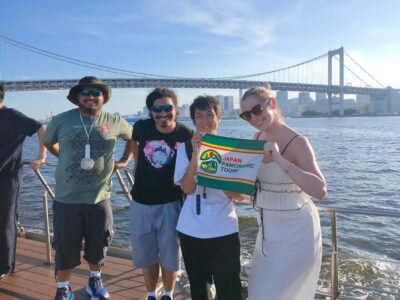
Meiji Shrine, Asakusa, Skytree Bus Tour and Cruise
Read our review →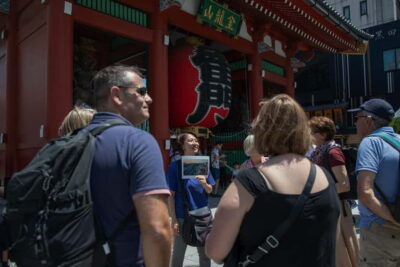
Asakusa Walking Tour with Sensoji Temple Visit
Read our review →
Kamakura & Enoshima Day Trip including Temple Tickets
Read our review →
Nikko Toshogu Shrine and Kegon Waterfall Tour
Read our review →
Tokyo Panoramic 1 Day: Meiji Shrine, Asakusa, Odaiba and SKYTREE®
Read our review →
1-Day Snow Monkeys, Zenko-ji Temple & Sake in Nagano
Read our review →Browse the lists this tour appears in