
Reviewed · TEMPLE & SHRINE TOURS
Tokyo: Asakusa & Tokyo’s Oldest Temple Senso-ji Walking Tour
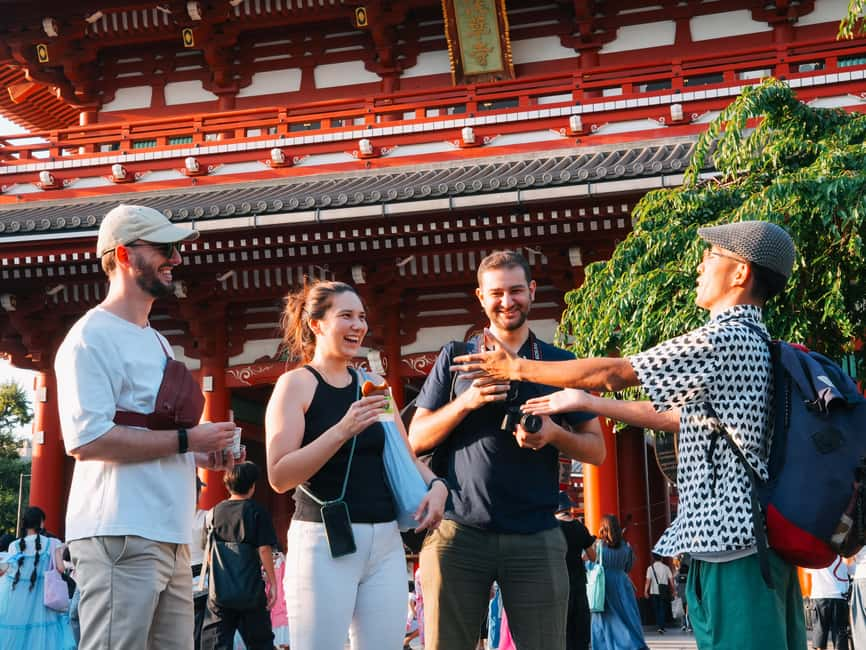
Asakusa gives you Tokyo’s past in a compact, walkable package. You pass beneath the huge Kaminarimon Gate, follow Nakamise Street toward Senso-ji, and hear how this corner of the city moved from samurai-era stronghold to post-war revival. The temple dates to the 7th century, yet the surrounding streets still feel tied to everyday Tokyo.
I like the small group limit of 10, which gives you a better chance to ask questions. I also like the low $11 price and the guide-led focus on stories, legends, religion, and local customs. Lax has earned especially warm praise for his energy, while Shoma is noted for clear English and thoughtful cultural comparisons.
The main caution is time. The tour is advertised as two hours, but the listed stop timings add up to more than that, so confirm the exact pace and schedule when you book. This is also a walking tour only, with no hotel pickup.
Key points to know before you book
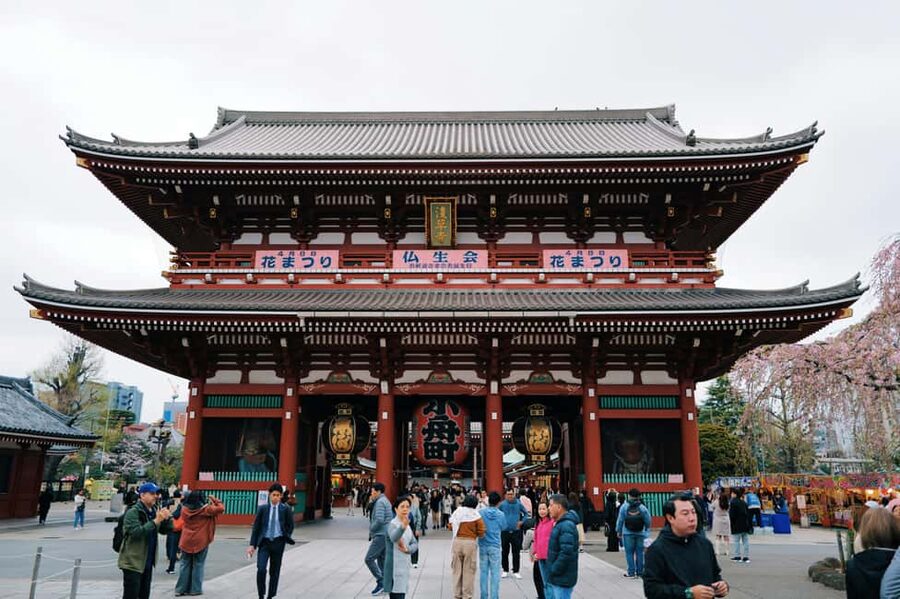
- Senso-ji is the centerpiece: Visit Tokyo’s oldest temple and learn why it remains Asakusa’s main landmark.
- Nakamise Street adds local color: Traditional shops, lanterns, sweets, and snacks make this more than a simple walk between two gates.
- Lax and Shoma are notable guides: Lax is praised for fun, personal tours, while Shoma brings strong English and cultural explanation.
- The price is hard to beat: At $11 per person, the tour offers an inexpensive introduction to one of Tokyo’s best-known districts.
- The group stays small: No more than 10 participants means a more personal outing than a large bus-style tour.
- Check the timing: The overall duration is two hours, but the supplied stop schedule suggests a longer breakdown.
Why Asakusa makes a smart first Tokyo walk
Tokyo can feel enormous at first. Asakusa helps you get your bearings because its main sights sit close together, and the district carries a clear sense of place. This is old Tokyo, or at least the part of modern Tokyo that most openly preserves its older identity.
You begin at Kaminarimon Police Station, written locally as 雷門交番. That meeting point puts you right beside the famous Kaminarimon area, so you do not waste time traveling across the city before the walk begins. Hotel pickup is not included, which matters if you prefer door-to-door tours, but the central meeting point keeps the arrangement simple.
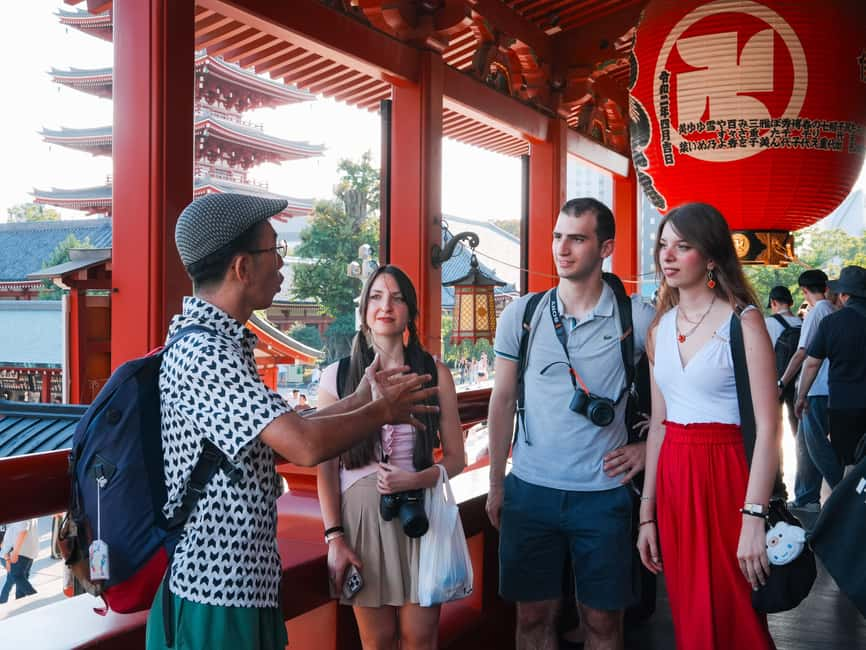
From here, the guide leads you through Asakusa rather than asking you to navigate it alone. That small difference is valuable. You can concentrate on the gates, shops, shrines, temple customs, and street scenes instead of checking a map every few minutes.
The tour suits a first visit especially well. You see the famous sights, but the guide also brings in stories about geisha quarters, hidden shrines, samurai connections, and the district’s recovery after the war. These details give you a better sense of how Asakusa changed over time.
Other temples and shrines in Tokyo people book:
- Tokyo: Meiji Shrine, Asakusa, Skytree Bus Tour and Cruise
★ 4.7 · 1,986 reviews - Tokyo: Asakusa Walking Tour with Sensoji Temple Visit
★ 4.8 · 1,583 reviews - Nikko: Kegon Falls, Lake Chuzenji & Toshogu Temple
★ 4.6 · 1,577 reviews
Walking beneath Kaminarimon Gate
Kaminarimon, or the Thunder Gate, is one of the most recognizable entrances in Tokyo. Its large lantern and dramatic gates make an immediate photo stop, but the value of seeing it with a guide is the explanation behind the symbols and setting.
The starting point near the police station means you meet close to the action. That is practical for anyone staying elsewhere in Tokyo, since you can make your own way to Asakusa and begin without a complicated transfer or pickup window.
Expect the area around the gate to be a popular public space. The tour information does not promise quiet streets or private access, so bring patience for photographs and keep your group together. The guide’s role here is less about taking you somewhere secret and more about helping you understand what you are looking at.
I like this beginning because it gives the walk a clear visual marker. You know where you are, where you are going, and why the approach to Senso-ji matters.
Nakamise Street, sweets, and souvenir shopping
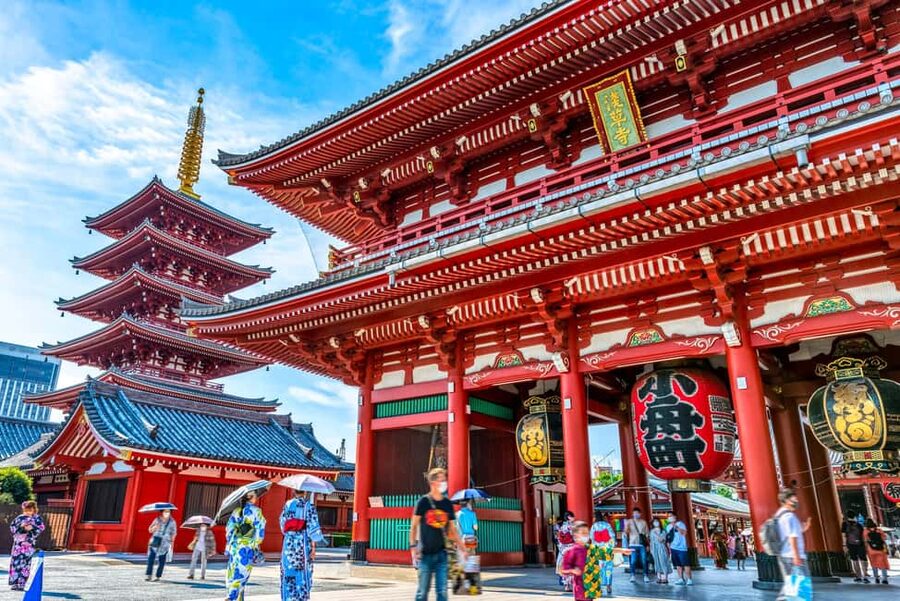
Nakamise Shopping Street leads toward Senso-ji and is one of the most enjoyable parts of the route. Traditional shopfronts, glowing lanterns, Japanese sweets, and street snacks create a strong sense of arrival. You can browse as you walk, though remember that a two-hour tour leaves limited time for a serious shopping session.
This is a good place to ask your guide about local food, religious souvenirs, and the difference between something meant for worship and something bought simply as a keepsake. The supplied information specifically points to freshly made sweets and street snacks, so you might want to carry a little spending money if you see something appealing.
The guide’s presence can also help you look beyond the surface. A row of shops may appear to be only a shopping lane, but the guide can connect it to Asakusa’s long role as a cultural center. That context makes the street more interesting than a quick walk through souvenir stalls.
The drawback is that shopping and sightseeing compete for your attention. If you stop at every store, you may miss part of the guide’s explanation. I would treat Nakamise as a tasting and browsing stop, then return later if you want to shop at a slower pace.
Senso-ji, Tokyo’s oldest temple
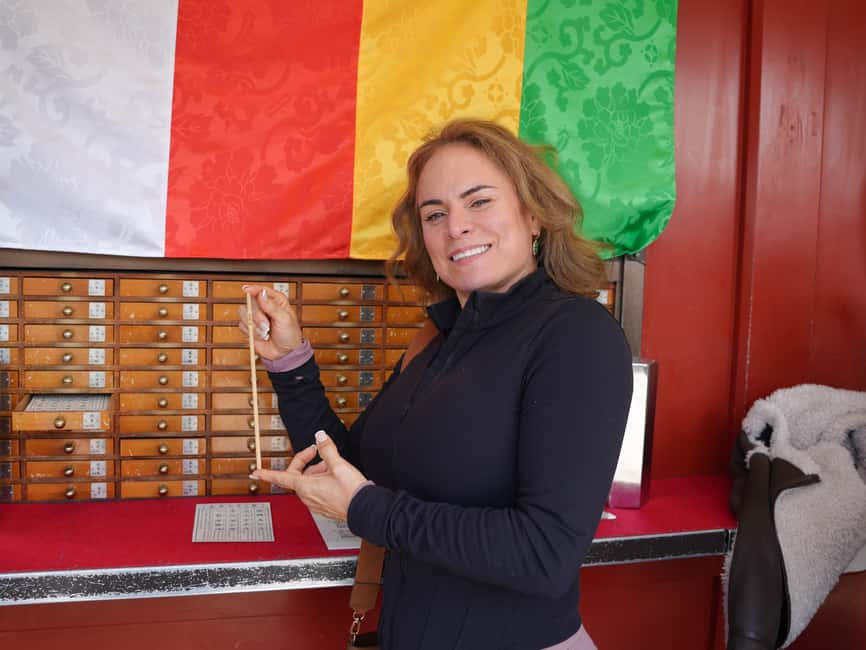
Senso-ji is the heart of the experience. The temple dates to the 7th century and is described as Tokyo’s oldest and most celebrated Buddhist temple. Even if you have seen photographs before, approaching it through Nakamise gives the visit a sense of progression that a quick independent stop can lack.
The tour includes time for a visit, photographs, sightseeing, and shopping around the temple area. Your guide can explain the temple’s place in Japanese religious life and bring in legends linked to the site. The supplied description also highlights hidden shrines and local traditions, so the conversation should extend beyond simply pointing out the main hall.
I value the chance to ask questions here. Temple customs can be unfamiliar, and a guide can help you understand what you are seeing without turning the visit into a dry lecture. Shoma, one of the guides praised in the feedback, is noted for explaining Japanese culture and religion in clear English, including differences between Japanese and Anglo ways of thinking.
Be aware that this is not a private temple visit. The tour includes admission to Senso-ji, but it does not promise special access, ceremonies, or time away from other people. You are coming for orientation, cultural background, and a well-planned walk through the temple grounds.
Other walking tours in Tokyo people book:
- Tokyo Tsukiji Fish Market Food and Culture Walking Tour
★ 5.0 · 3,184 reviews - Tokyo: Imperial Palace and Shogun Historical Walking Tour
★ 5.0 · 2,251 reviews - Tokyo: Shinjuku Local Bar and Izakaya Guided Walking Tour
★ 4.9 · 1,794 reviews - Tokyo: Tsukiji Fish Market Food and Walking tour
★ 5.0 · 1,724 reviews
The wider Asakusa story
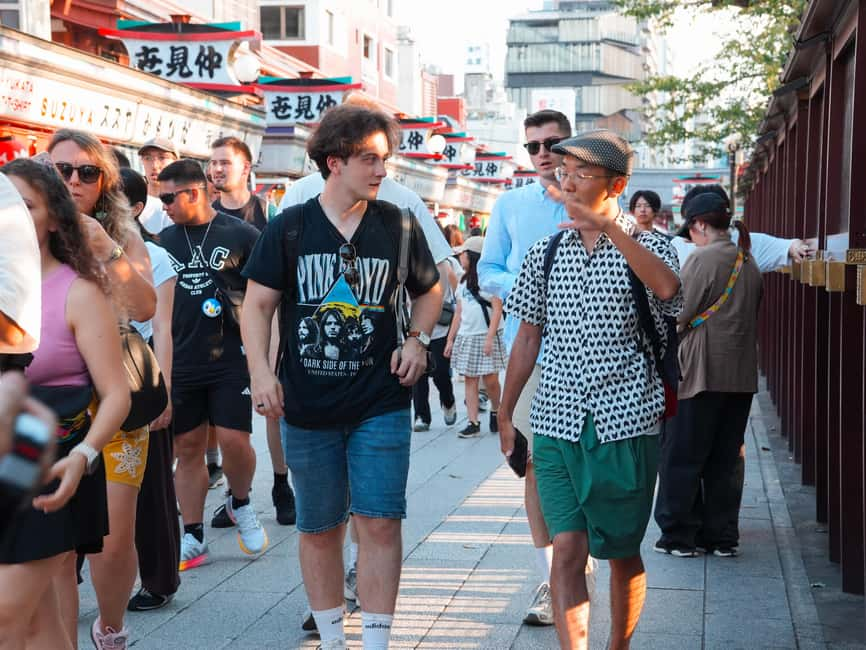
The final part of the walk focuses on Asakusa itself. The area was once the cultural heart of Edo-era Tokyo, and the tour connects that past with later chapters in the district’s story. You hear about geisha quarters, samurai ties, shrines, and the neighborhood’s post-war revival.
That wider view is one of the tour’s strongest features. Senso-ji alone can be seen in a short independent visit, but understanding Asakusa as a district gives the temple more meaning. You begin to see the streets not just as a backdrop for photographs, but as a place shaped by religion, entertainment, war, and renewal.
The guide also points out less obvious places along the route. The information does not name each one, so I would not book this expecting a secret-access adventure. Still, the promise of tucked-away sights makes the walk more useful than following the main road with a guidebook in hand.
This section may vary most according to the guide. One early guide was described as friendly but still developing a stronger story for the route. That is a fair caution: a walking tour built around one district needs a guide who links each stop into one clear narrative. Lax and Shoma receive the strongest praise for making the experience personal, engaging, and easy to follow.
What the guides add to the experience
The guide is the main reason to book rather than simply visit Senso-ji on your own. Lax has been praised for making the tour fun, showing passion for the city, and giving a more personal experience when the group was very small. If Lax leads your walk, you can expect an outgoing style based on the available feedback.
Shoma is praised for being punctual, kind, helpful, and clear. His strong English and broad vocabulary are useful if you want more than basic facts. The feedback specifically highlights his ability to explain Japanese culture and compare Japanese and Anglo cultural ideas.
You should still keep expectations sensible. A $11 walking tour is an inexpensive introduction, not a private academic seminar. The quality of the experience depends partly on the guide assigned to your date, the group’s questions, and how much time is available at each stop.
The small-group cap helps. Ten people is large enough for a social outing but small enough for a guide to hear questions and adjust the explanation. On a quieter date, the group may be smaller, as happened for one particularly personal visit.
Is $11 good value?
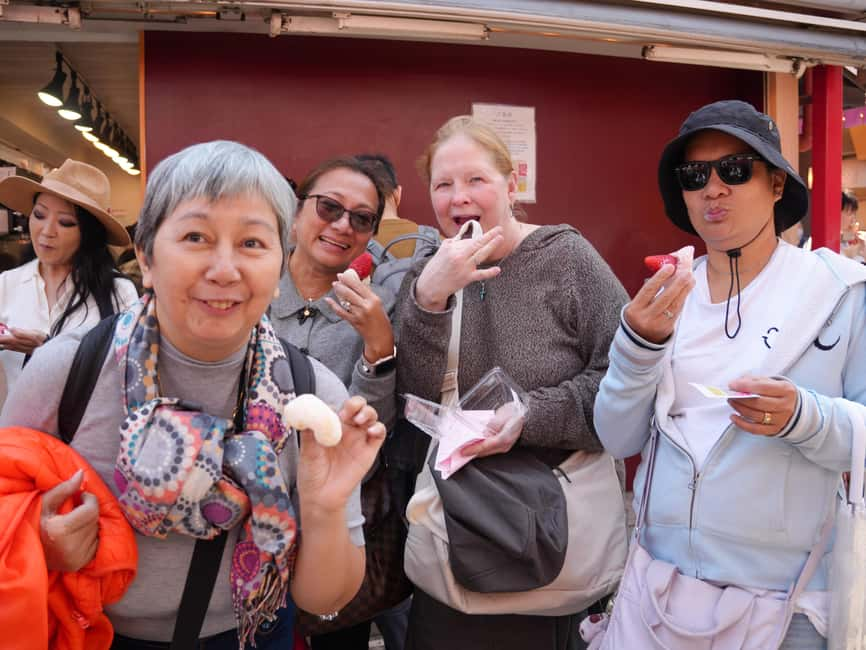
At $11 per person, this is a strong value if you want a short cultural introduction to Asakusa. You receive a live English-speaking guide, a walking route, and access to Nakamise Street and Senso-ji. There is no hotel transport, but that keeps the price low and avoids spending part of the tour in a vehicle.
The real value lies in the interpretation. Senso-ji is free to approach and Asakusa is easy to explore independently, so you are paying mainly for the guide’s time and local explanation. If you enjoy learning why a place matters, the cost is modest. If you prefer to wander silently and shop at your own pace, you may not need a guided walk.
The flexible booking terms also reduce risk. You can reserve now and pay later, and cancellation is free up to 24 hours before the start for a full refund. Starting times vary, so check availability before planning the rest of your day.
Timing, pace, and practical expectations
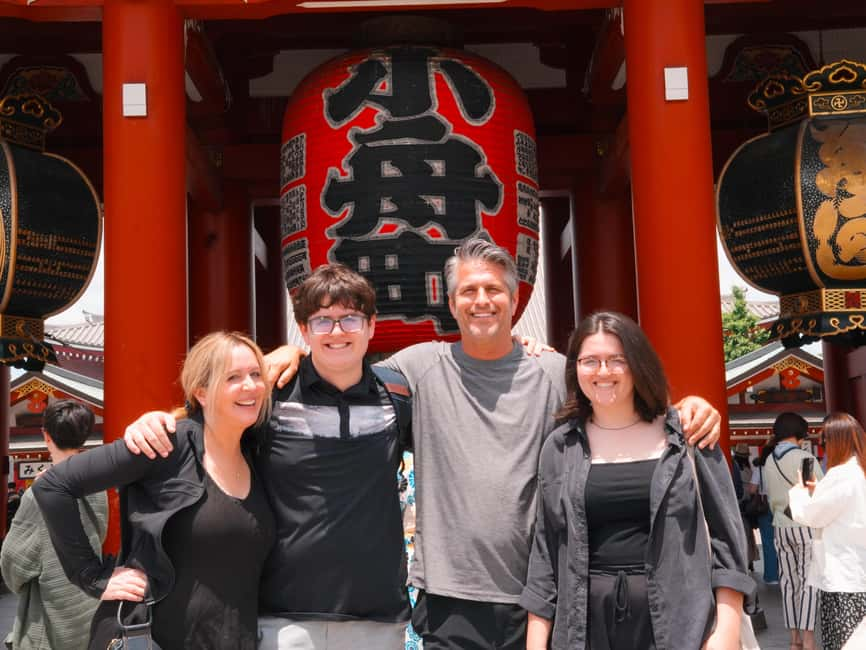
The advertised duration is two hours. That is enough for a useful introduction, but not enough for a slow meal, extended shopping, and detailed exploration of every side street.
There is one scheduling point to clarify. The stated stop breakdown gives one hour for Nakamise Street, one hour for Senso-ji, and 80 minutes for Asakusa, which is longer than two hours. That may reflect overlapping areas or approximate timings, but you should confirm the actual schedule before booking if you have a train, reservation, or another tour afterward.
Wear comfortable shoes. The experience is entirely on foot, and the value comes from moving through the district rather than simply standing at one viewpoint. Bring a phone or camera for the gates, lanterns, temple grounds, and shopping street.
Since hotel pickup and drop-off are not included, plan your route to Kaminarimon Police Station in advance. The tour ends back at the same meeting point, which makes it easy to continue exploring Asakusa on your own afterward.
Who should book this Asakusa tour?
I would recommend it to first-time Tokyo visitors who want a clear introduction to one historic district. It also suits people who enjoy religious sites, local legends, Japanese culture, and photo-friendly streets but do not want to commit to a full-day tour.
Families and couples may like the short format and small group. Culture-focused visitors should appreciate the temple and neighborhood background. The tour can also work well early in a Tokyo stay, giving you a useful sense of Asakusa before you return for independent shopping or food.
I would be more cautious if you want a highly specialized temple tour, a private experience, or a long food crawl. The route centers on one compact area, and one piece of feedback suggests that newer guides may need time to make the storytelling more connected. The experience is strongest when the guide actively ties each sight to Asakusa’s larger story.
Should you book it?
Book this tour if you want an affordable, two-hour introduction to Senso-ji and Asakusa with an English-speaking guide. The low price, group limit, central meeting point, and strong praise for guides such as Lax and Shoma make it an easy choice for many first-time visitors.
Skip it if you already know Asakusa well or prefer complete freedom to shop and photograph without a schedule. Before paying, confirm the exact duration and starting time, since the published stop timings appear longer than the stated two hours. For everyone else, this is a practical way to put Asakusa’s gates, temple, legends, and old streets into context without spending much.
FAQ
Where does the tour meet?
The meeting point is Kaminarimon Police Station, written as 雷門交番.
Where does the tour end?
The walk returns to Kaminarimon Police Station.
How long does the tour last?
The advertised duration is two hours. Check the available starting time and confirm the exact schedule because the listed stop timings suggest a longer breakdown.
What language is the tour offered in?
The live tour guide speaks English.
How many people are in the group?
The group is limited to 10 participants.
What does the tour cost?
The price is $11 per person.
Is hotel pickup included?
No. Hotel pickup and drop-off are not included.
Does the tour visit Senso-ji?
Yes. The route includes a visit to Senso-ji, Tokyo’s oldest temple.
Does the tour include Nakamise Shopping Street?
Yes. Nakamise Shopping Street is included as a sightseeing and shopping stop.
Can I cancel for a full refund?
Yes. You can cancel up to 24 hours in advance for a full refund.
More walking tours elsewhere in Japan
- Tokyo: Tsukiji Fish Market Guided Walking Tour
★ 4.9 · 1,397 reviews - Tokyo Castle & Imperial PalaceーShogun Walking Tour
★ 4.7 · 1,068 reviews - Tokyo: Imperial Palace Japanese History Walking Tour
★ 4.9 · 987 reviews - Tokyo: Imperial Palace and Shogun Walking Tour
★ 4.9 · 935 reviews
More temples and shrines elsewhere in Japan
- Tokyo: Nikko Toshogu Shrine and Kegon Waterfall Tour
★ 4.5 · 1,266 reviews - Tokyo Panoramic 1 Day: Meiji Shrine, Asakusa, Odaiba and SKYTREE®
★ 4.5 · 1,222 reviews - Tokyo: Zen Meditation at a Private Temple with a Monk
★ 5.0 · 510 reviews - Mt. Fuji Heritage Tour: Traditional Villages, Lakes & Shrine
★ 4.5 · 509 reviews
Just added in Tokyo
- The 10 Tastings of Tokyo With Locals: Private Street Food Tour★ 5.0 · 48 reviews
- Small Town in the Big City: Tasting Tokyo’s Kichijoji★ 5.0 · 195 reviews
- Small Town in the Big City: Tasting Tokyo’s Kichijoji★ 5.0 · 16 reviews
- EXCLUSIVE Tokyo Secret: Kichijoji Small-Group Food & Bar Hopping★ 5.0 · 29 reviews
- Explore Kichijoji: Walk Through One of Tokyo’s Beloved Districts★ 5.0 · 21 reviews
- :Tokyo,Shibuya/ Pro Photography in Kimono / English-Friendly★ 5.0 · 26 reviews
- 【R34】Tokyo:Private Daikoku tour in Modified R34★ 4.9 · 92 reviews
- Tokyo:Calligraphy &Make your original folding fan in Asakusa★ 5.0 · 62 reviews
Temple & Shrine Tours, compared.
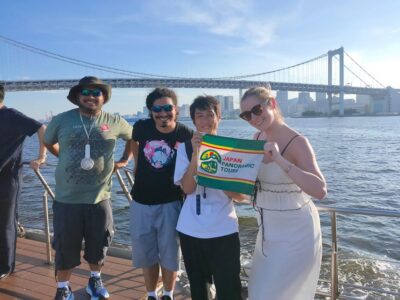
Meiji Shrine, Asakusa, Skytree Bus Tour and Cruise
Read our review →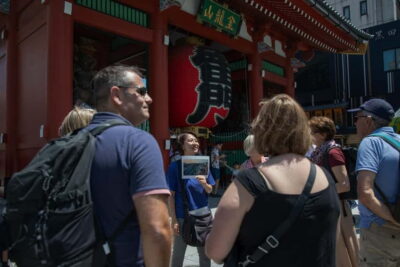
Asakusa Walking Tour with Sensoji Temple Visit
Read our review →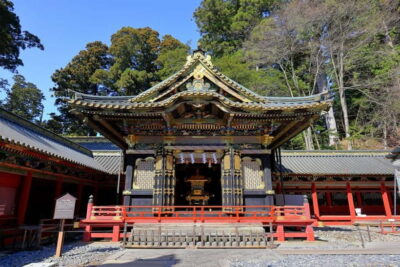
Kamakura & Enoshima Day Trip including Temple Tickets
Read our review →
Nikko Toshogu Shrine and Kegon Waterfall Tour
Read our review →
Tokyo Panoramic 1 Day: Meiji Shrine, Asakusa, Odaiba and SKYTREE®
Read our review →
1-Day Snow Monkeys, Zenko-ji Temple & Sake in Nagano
Read our review →Browse the lists this tour appears in