
Reviewed · TEMPLE & SHRINE TOURS
Tokyo: Meiji Shrine Walking Tour — Shinto & Imperial System
Meiji Shrine gives you one of Tokyo’s sharpest changes of mood: Harajuku’s crowds fade behind a wall of trees, and the city turns quiet. I especially like the 100,000-tree forest and the chance to learn shrine etiquette before you reach the main buildings. The 12-meter torii, made from 1,500-year-old Taiwanese cypress, is an impressive first sight.
I also like the small group, capped at 10 people, and the way guides such as Keiko, Yuuka, Yuki, and Ayaka make room for questions and photos. The main drawback is that the tour is English only, and a 90 to 135-minute walk may feel short if you want a slow, independent visit to every corner.
Key points at a glance
- Quiet forest in central Tokyo: Follow a shaded approach where birdsong and gravel replace much of the city noise.
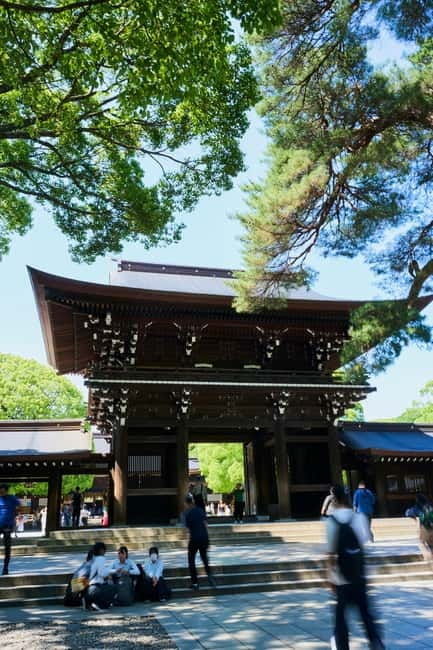
- A powerful 12-meter torii: Learn why you walk near the edge of the path instead of through its sacred center.
- Shinto made practical: Your guide explains how to approach, bow, make an offering, pray, and handle shrine customs respectfully.
- Imperial history with a human scale: Connect Emperor Meiji and Empress Shoken with Japan’s move from samurai rule to a modern state.
- Small groups matter: With no more than 10 people, it is easier to hear the guide and ask about details.
- A gentle finish at Mori no Terrace: End with time for tea, snacks, souvenirs, and a final look at the forest.
Why Meiji Shrine feels far from Harajuku
The meeting point is at or near Harajuku Station, with the exact spot depending on the option you book. That location makes the tour easy to fit into a day in western Tokyo, especially if you are already visiting Harajuku or nearby areas.
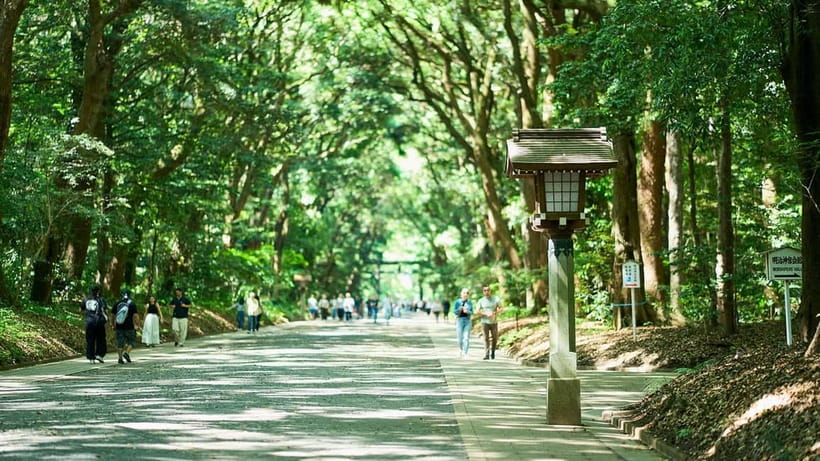
The first few minutes set up the whole visit. You leave the station area and move toward Meiji Jingu’s first torii, known as the Ichino Torii. The change is not instant, but it is striking. Shops and traffic give way to trees, a broad walking path, and the steady rhythm of footsteps.
The forest contains about 100,000 trees. It is not untouched wilderness, but it creates a strong sense of separation from the city. That is one of the best reasons to take this tour rather than simply arrive, take a few photos, and leave. A guide helps you notice how the approach itself prepares you for the shrine.
The walk is generally gentle, though you should expect to be on your feet for most of the experience. Comfortable shoes make sense. The itinerary includes several short stops before the main shrine, so the pace is not one long lecture while walking.
Other temples and shrines in Tokyo people book:
- Tokyo: Meiji Shrine, Asakusa, Skytree Bus Tour and Cruise
★ 4.7 · 1,986 reviews - Tokyo: Asakusa Walking Tour with Sensoji Temple Visit
★ 4.8 · 1,583 reviews - Nikko: Kegon Falls, Lake Chuzenji & Toshogu Temple
★ 4.6 · 1,577 reviews
The first torii and the rules of the sacred path
At the first torii, your guide introduces the basic difference between a Shinto shrine and a Buddhist temple, a point several guides make especially well. The terms can look interchangeable to first-time visitors, but the customs, symbols, and purpose are different.
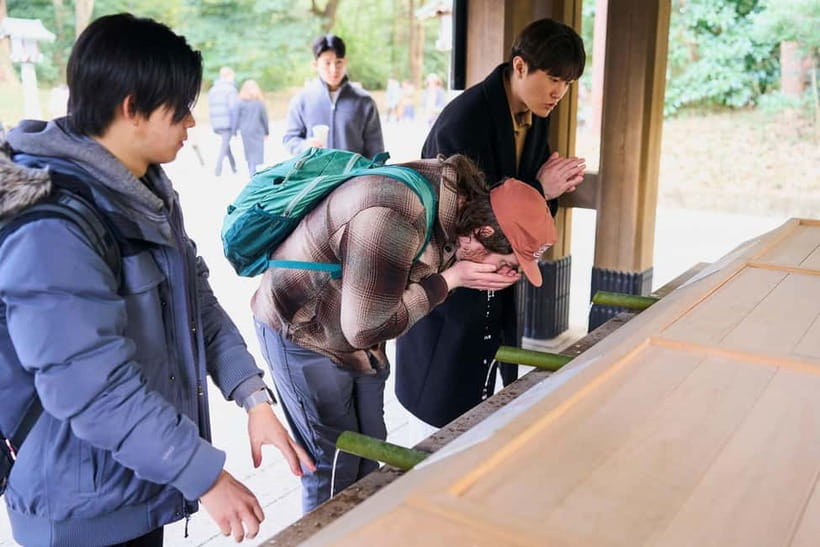
You will learn that the center of the path, called seichu, is traditionally reserved for the deities. Walk closer to the side rather than down the middle as you pass through the torii. Your guide may also explain the proper way to enter and leave, so you do not have to copy strangers or guess at the right gesture.
This practical instruction is one of the tour’s strongest features. It helps you take part rather than simply watch. By the time you reach the main shrine, you have a clearer idea of why visitors pause, bow, wash, offer coins, and pray in a particular way.
One useful detail from the tour experience is that a guide may help with small problems on the spot. Darragh Kane described receiving coins for an offering after arriving without any. That is not something you should assume is guaranteed, but it shows why a live guide can be helpful when a custom is unfamiliar.
Sake barrels, wine barrels, and the Meiji connection
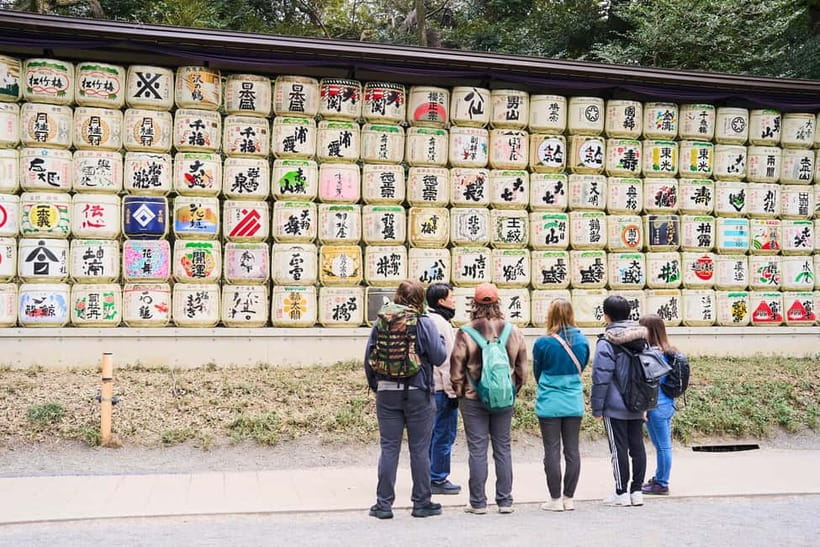
Along the approach, the tour stops at the consecrated wine and sake barrels. These displays are among Meiji Shrine’s most photographed details, but they make more sense once you understand their connection to the shrine and the era it honors.
The wine barrels point to Japan’s changing relationship with the outside world during the Meiji period. The sake barrels connect the shrine to Japanese tradition and ritual offerings. Your guide explains the meaning rather than leaving you with a row of decorated containers and no context.
This is also where the broader theme of the tour begins to take shape. Meiji Shrine is not only a peaceful forest site. It is tied to Emperor Meiji and Empress Shoken, whose reign is associated with Japan’s rapid move from a samurai-led society into a modern nation.
The tour does not try to cover every part of Japanese history. Instead, it gives you a useful frame for understanding the shrine. That is a good fit if you want cultural context without signing up for a full-day lecture.
The great torii made from ancient cypress
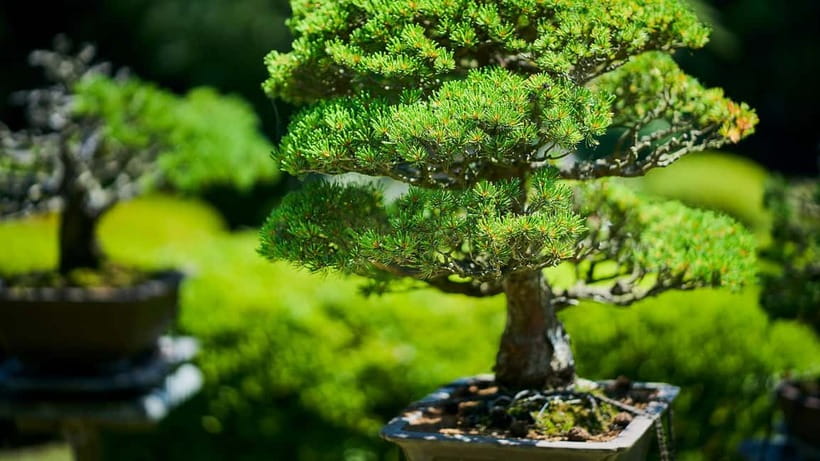
The larger torii is one of the main visual moments of the walk. It rises about 12 meters and was crafted from a 1,500-year-old Taiwanese cypress. You have time for photos and an explanation of what the gate marks.
The scale matters. In a city full of tall buildings and bright signs, the torii creates a different kind of presence. It is simple in shape, but its size, timber, and position among the trees give it weight.
Your guide also helps you treat the gate as more than a photo backdrop. Passing through it is a transition from ordinary space into a sacred precinct. Again, you use the side of the path and avoid the central route.
Depending on the day and the group, you might see shrine activity that adds a little life to the visit. One guide helped a group understand a wedding they encountered. Such moments cannot be scheduled, but the small group format makes it easier to pause briefly when something meaningful is happening.
Other walking tours in Tokyo people book:
- Tokyo Tsukiji Fish Market Food and Culture Walking Tour
★ 5.0 · 3,184 reviews - Tokyo: Imperial Palace and Shogun Historical Walking Tour
★ 5.0 · 2,251 reviews - Tokyo: Shinjuku Local Bar and Izakaya Guided Walking Tour
★ 4.9 · 1,794 reviews - Tokyo: Tsukiji Fish Market Food and Walking tour
★ 5.0 · 1,724 reviews
Emperor Meiji, Empress Shoken, and a changing Japan
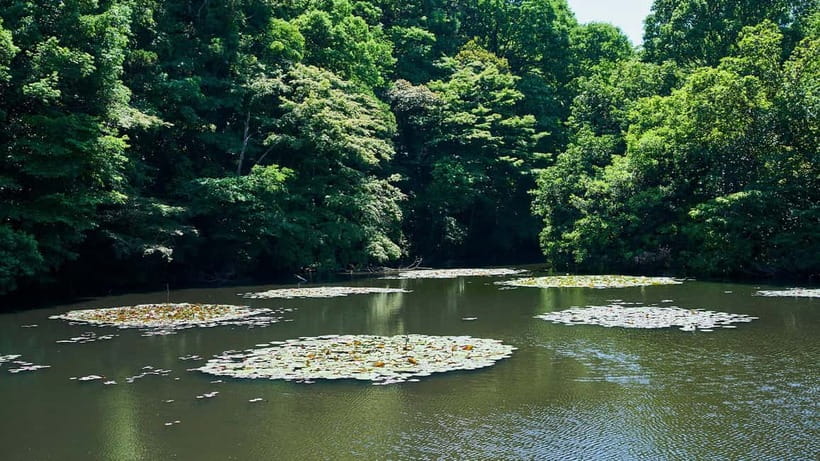
The stop focused on the imperial poetry gives the history a more personal touch. Omigokoro fortunes include poems written by Emperor Meiji and Empress Shoken, with English translations available. That makes them easier to appreciate even if you do not read Japanese.
These poems are different from a generic souvenir. They connect the spiritual setting with the people honored at the shrine. You can buy an omikuji-style fortune, read its translation, and consider how the words fit your visit.
The guide also explains Japan’s long imperial system, described here as roughly 2,600 years old, and the country’s transition from samurai rule to modern government. This is a large subject, so do not expect a full political history in one walking tour. You should expect a clear introduction to why the Meiji period matters and why this shrine occupies such an important place in Tokyo.
Several guides have used old photographs to show what the area looked like before construction. Yuuka, for example, carried a folder of images that helped connect the present-day forest and shrine to the site’s earlier appearance. That kind of visual aid is especially useful if you prefer seeing historical change rather than hearing dates alone.
Inside Meiji Shrine: Shinto customs without guesswork
The main shrine is the heart of the experience, and the longest stop lasts about 45 minutes. You get guided sightseeing, free time, and an opportunity to shop for shrine items.
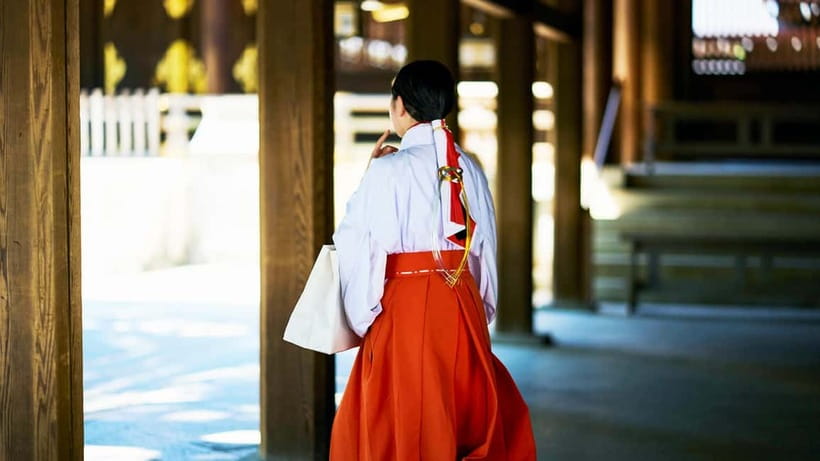
Shinto is presented as a tradition shaped by respect for nature, harmony, and a relationship with the divine. Your guide explains customs in plain English and shows you how to behave respectfully. You learn what to do, and just as importantly, what not to do.
The exact order of actions can be easy to miss when you are alone. A guide can point out where to make an offering, how to pray, and how to approach the space without interrupting worship. You may also receive help writing a wish or understanding a fortune.
Omamori, or protective charms, are available for purchase. The Omigokoro poems are another option, and their English translations make them a meaningful keepsake rather than a mystery item. Miniature barrels of sacred sake and eco-blocks made from fragrant Japanese camphor are sold later at the Forest Terrace gift shop.
The shrine can be busy, especially on a Sunday or during an important season. That does not cancel out the peaceful feeling of the forest, but it can make the main area less private and less quiet. A guide helps you move through the space with purpose, though you should not expect a solitary shrine visit during the busiest periods.
Mori no Terrace gives the tour a relaxed ending

After the shrine, the route finishes at Forest Terrace Meiji Jingu and Café Mori no Terrace. The stop lasts about 15 minutes, giving you time to sit, take photos, browse, or have Japanese tea and a light snack.
Check the activity details for what you want to purchase, since the listed inclusions cover the English guide and sightseeing tour, not personal food, drink, or souvenirs. Still, this is a useful ending. You can slow down after the walking portion and look back on the experience while still surrounded by trees.
The gift shop has a few items that feel tied to the shrine rather than generic Tokyo merchandise. The camphor eco-blocks carry a pleasant scent, and the miniature sake barrels make compact souvenirs. If you want charms or a translated fortune, the main shrine area is the more relevant stop.
What the small group changes
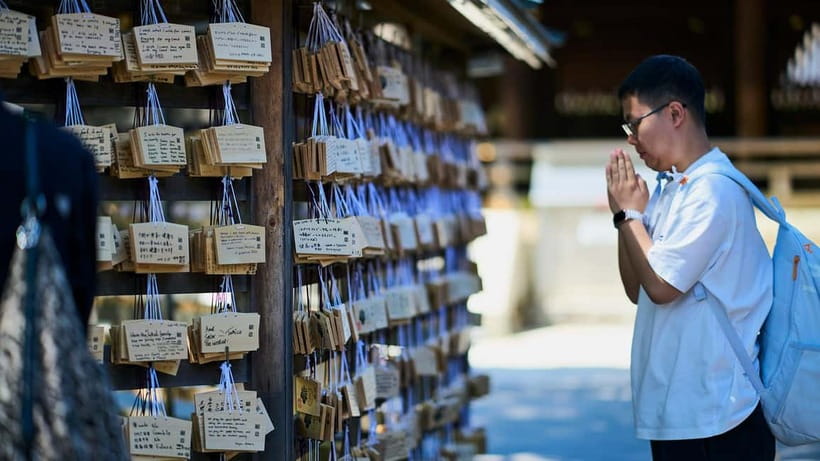
The group limit is 10 people. That is small enough for you to hear explanations at each stop and ask questions without waiting through a long line of voices.
The guide quality matters here, and the strongest part of the experience is the human explanation. Keiko is repeatedly described as warm, clear, and eager to answer questions. Yuuka is praised for using stories, photographs, and practical help. Yuki is known for explaining Shinto, the imperial system, and the move from the samurai era to modern Japan in an engaging way. Ayaka has been especially good at helping people understand shrine customs and taking group photos.
The exact guide depends on the departure. You should not book on the assumption that you will receive a particular person unless the booking option says so. Still, the repeated pattern is clear: the tour suits people who want conversation, not just a memorized speech.
A small group can sometimes become nearly private. One guest had Yuki’s full attention when no one else joined that departure, and another guide adjusted the walk around personal interests. That cannot be promised, but it is a useful advantage of a tour with a low participant limit.
Is $23 a fair price?
At $23 per person, the value comes from interpretation and etiquette rather than transport or admission. Meiji Shrine itself is a place you can visit without paying for a standard entry ticket, so a self-guided visit costs less.
The tour earns its price if you want to understand what you are seeing. You get an English-speaking guide, a planned route, cultural explanations, help with shrine customs, time for questions, and a stop at Mori no Terrace. If you are already well versed in Shinto and the Meiji period, the added value will be smaller.
The 90 to 135-minute range also makes the tour easy to fit into a Tokyo schedule. A shorter departure gives you a focused introduction. A longer one leaves more room for questions, photos, shrine activities, and the café stop.
Free cancellation up to 24 hours before the start and reserve-now, pay-later booking make it easier to fit into changing plans. Starting times vary, so check the available options before arranging another activity immediately afterward.
Who should book this walk?
I would choose this tour for a first visit to Tokyo, especially if you want a calm opening to the city. It gives you a useful foundation for visiting other shrines later because you learn the basic customs once and can then recognize them elsewhere.
It also suits families and couples who want a shared cultural activity without committing to a full-day tour. The stories are easier to follow than a long academic lecture, and there is enough free time for photos and shopping.
History fans will appreciate the link between Emperor Meiji, the imperial system, samurai society, and modern Japan. Nature lovers will enjoy the forest approach, though this is not a hiking tour. You are walking through a sacred urban woodland, not heading into the countryside.
I would hesitate if you want a completely independent visit, dislike guided pacing, or need support in a language other than English. The main shrine can also be crowded, so do not book expecting an empty, silent sanctuary.
Final verdict: a strong first look at Meiji Shrine
Book this tour if you want more than a quick photograph at a famous shrine. The forest, great torii, sake barrels, imperial poems, and main shrine are all worth seeing, but the guide is what connects them.
At $23, the tour is good value for an English-speaking visitor who wants cultural context and practical instruction. Guides such as Keiko, Yuuka, Yuki, and Ayaka have made the experience especially useful by answering questions, helping with customs, taking photos, and adjusting the pace when possible.
Skip it if you already know Shinto etiquette and prefer to wander alone. For most first-time visitors, though, this is a sensible way to understand why Meiji Shrine matters before moving on to the rest of Tokyo.
FAQ
Where does the Meiji Shrine walking tour start?
The tour has starting options at Harajuku Station, written as 原宿駅 in the activity information. The exact meeting point may vary depending on the option you book.
How long does the tour last?
The tour lasts between 90 and 135 minutes. Available starting times vary, so check the schedule for the date you want.
How many people can join the tour?
It is a small-group tour limited to 10 participants.
What language is the tour conducted in?
The tour is conducted in English. Japanese language support is not available.
What does the tour include?
The experience includes an English-speaking guide and guided sightseeing around Meiji Shrine and the listed stops.
Does the tour visit the main Meiji Shrine?
Yes. The main shrine is the longest stop, with about 45 minutes for guided sightseeing, free time, shopping, and shrine activities.
Can I buy charms and fortunes?
Yes. You can purchase omamori protective charms and the Omigokoro fortune, which features poems by Emperor Meiji and Empress Shoken with English translations.
Does the tour include tea and snacks?
The route includes a break at Café Mori no Terrace, where you can enjoy Japanese tea and light snacks. The listed inclusions do not specifically state that food or drinks are included in the tour price.
Can I cancel the booking?
You can cancel up to 24 hours in advance for a full refund. The activity also offers reserve-now, pay-later booking.
More walking tours elsewhere in Japan
- Tokyo: Tsukiji Fish Market Guided Walking Tour
★ 4.9 · 1,397 reviews - Tokyo Castle & Imperial PalaceーShogun Walking Tour
★ 4.7 · 1,068 reviews - Tokyo: Imperial Palace Japanese History Walking Tour
★ 4.9 · 987 reviews - Tokyo: Imperial Palace and Shogun Walking Tour
★ 4.9 · 935 reviews
More temples and shrines elsewhere in Japan
- Tokyo: Nikko Toshogu Shrine and Kegon Waterfall Tour
★ 4.5 · 1,266 reviews - Tokyo Panoramic 1 Day: Meiji Shrine, Asakusa, Odaiba and SKYTREE®
★ 4.5 · 1,222 reviews - Tokyo: Zen Meditation at a Private Temple with a Monk
★ 5.0 · 510 reviews - Mt. Fuji Heritage Tour: Traditional Villages, Lakes & Shrine
★ 4.5 · 509 reviews
Just added in Tokyo
- Nikko: Edo Wonderland Edomura Cultural Theme Park Ticket★ 4.3 · 205 reviews
- 《MEMBERS-ONLY-BAR-HOPPING》Discover Your Special Whiskey in Tokyo!★ 5.0 · 29 reviews
- Japanese Whisky Hunting《HIGH-QUALITY-ONLY》Rare Tasting Class★ 5.0 · 20 reviews
- Luxury Tokyo Sake, Cocktail, Whisky and Pairing Tour★ 5.0 · 18 reviews
- Wagyu & Sake Pairing in Shinjuku – Steak, Shabu-Shabu & More★ 5.0 · 112 reviews
- Small-Group Wagyu Beef and 7 Japanese Dishes Tokyo Cooking Class★ 5.0 · 190 reviews
- Mt. Fuji & Hakone Cherry Blossom private One Day Tour★ 4.5 · 35 reviews
- Mt. Fuji, Hakone Private Tour from Tokyo – Onsen, Arts and Nature★ 5.0 · 79 reviews
Temple & Shrine Tours, compared.
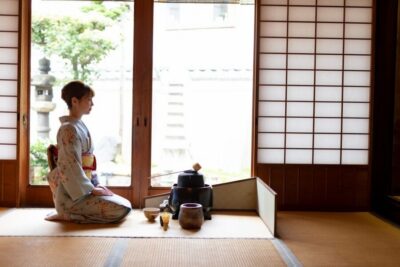

Meiji Shrine, Asakusa, Skytree Bus Tour and Cruise
Read our review →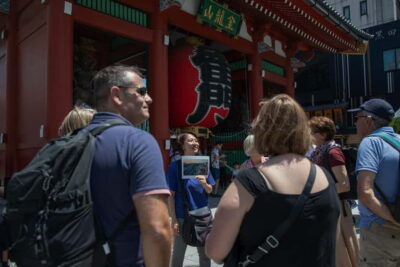
Asakusa Walking Tour with Sensoji Temple Visit
Read our review →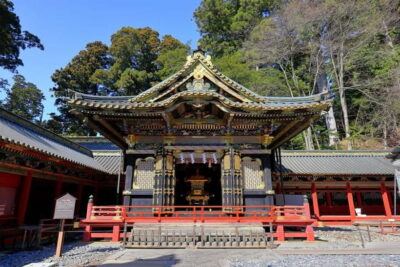
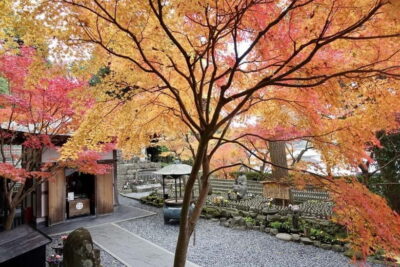
Kamakura & Enoshima Day Trip including Temple Tickets
Read our review →
Nikko Toshogu Shrine and Kegon Waterfall Tour
Read our review →
Tokyo Panoramic 1 Day: Meiji Shrine, Asakusa, Odaiba and SKYTREE®
Read our review →
1-Day Snow Monkeys, Zenko-ji Temple & Sake in Nagano
Read our review →Browse the lists this tour appears in