
Reviewed · TSUKIJI & TOYOSU FISH MARKET TOURS
Tokyo Morning Tour: Meiji Shrine, Asakusa & Fish Market
Tokyo is at its most appealing early in the day, when shrine paths are calm, market stalls are at work, and Asakusa still feels pleasantly unhurried. This tour strings together three very different parts of the city: Meiji Shrine, Tsukiji Outer Market, and the old temple quarter around Senso-ji.
I like the clear cultural arc and the food stops. You begin with Shinto ritual, move to fresh sushi and sashimi, then finish with croquettes and traditional sweets in Asakusa. I also like the strong guide element. Yosuke, Lax, Lex, Yo Yo, Ken, Remu, and other guides are praised for explaining religion and history in fluent English and for taking care of families. The main consideration is time: 270 minutes covers a lot, so Tsukiji and Asakusa are introductions rather than slow, independent explorations. You also pay about 550 yen for public transportation and should allow extra money for food.
Key points before you book
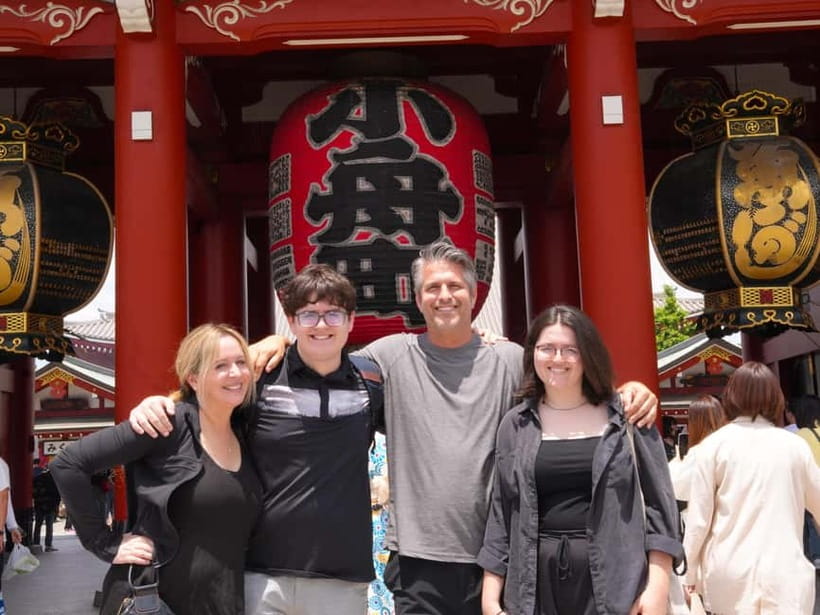
- Meiji Shrine begins the day quietly: Spend about an hour learning about Shinto customs, purification, and the shrine’s setting.
- Tsukiji gets the longest stop: You have roughly 110 minutes to see the market and sample sushi or sashimi.
- Asakusa finishes with food and old Tokyo: The final hour includes Senso-ji, shopping, walking, croquettes, and Japanese sweets.
- Guides add the real value: Yosuke, Lax, Lex, Yo Yo, Ken, and Remu are praised for clear English and thoughtful explanations.
- Transportation is not included: Expect about 550 yen for public transit between the districts.
- The tour is best for first-time visitors: It gives you a useful overview, but it will not replace a full day at any one site.
Why this makes a smart first morning in Tokyo
A first morning in Tokyo can easily become a tangle of train lines, unfamiliar customs, and famous names that mean little until someone explains them. This tour gives you a simple route through three major areas and puts a guide beside you when cultural details matter.
The order works well. Meiji Shrine offers a calm start, Tsukiji brings in food and city energy, and Asakusa provides a traditional finish. You get a sense of Tokyo as both a modern capital and a place where shrine rites, temple worship, market trading, and small food shops remain part of daily life.
The meeting point is in front of IKEA Harajuku. That is easy enough to identify, but you should arrive with the location saved on your phone and enough time to find the group. The tour ends in Asakusa, not back in Harajuku. That is useful because you can continue at Senso-ji, explore the nearby streets, or make your own way to another part of Tokyo without retracing the route.
Other temples and shrines in Tokyo people book:
- Tokyo: Meiji Shrine, Asakusa, Skytree Bus Tour and Cruise
★ 4.7 · 1,986 reviews - Tokyo: Asakusa Walking Tour with Sensoji Temple Visit
★ 4.8 · 1,583 reviews - Nikko: Kegon Falls, Lake Chuzenji & Toshogu Temple
★ 4.6 · 1,577 reviews
Meiji Shrine: a calm introduction to Shinto
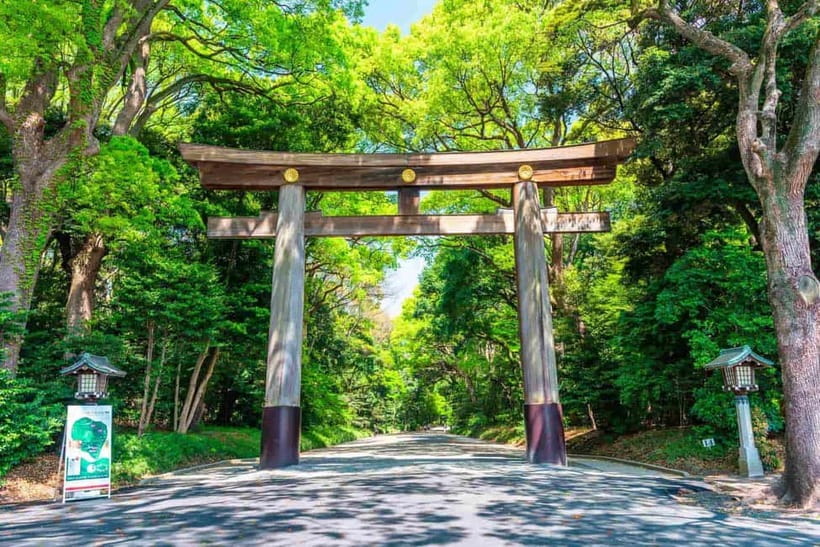
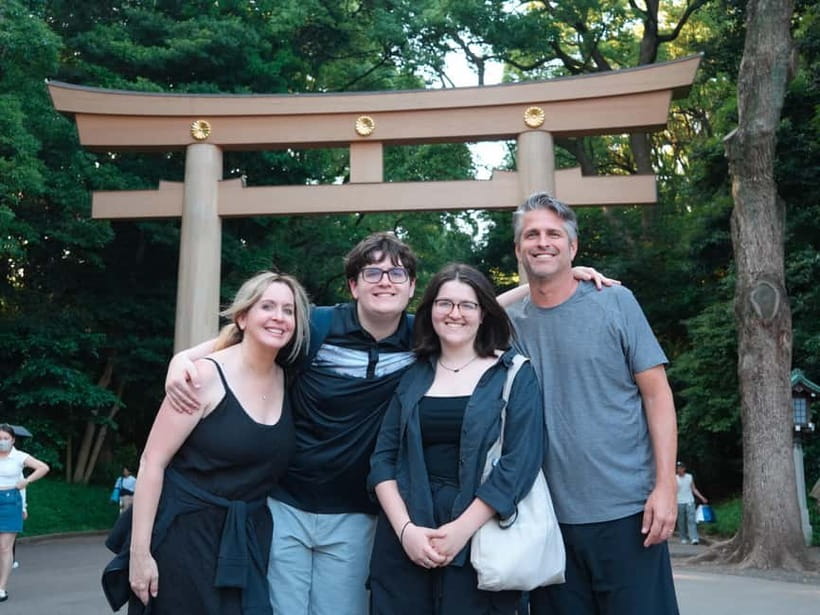
The first stop is Meiji Shrine, with about one hour set aside for the visit. This is a good place to begin because the experience is less about checking off a monument and more about understanding how a Shinto shrine works.
Your guide can explain the customs connected with entering the grounds, washing at the purification fountain, and approaching the main shrine area. The cultural context matters here. Without it, you might see a large wooden gate, a long approach, and people making offerings. With an explanation of Shinto practice, those actions become easier to understand.
The guides receive especially strong praise for their explanations of Japanese religion. Remu is noted for discussing Shinto and Buddhism, while Lex explains the shrine’s customs and background in clear English. Yo Yo is also praised for combining cultural information with a warm, attentive manner. These details suggest that the tour is not limited to memorized dates and names. You can ask questions and connect what you see with Japanese beliefs.
The visit can feel spiritual and peaceful, but keep your expectations sensible. The formal schedule allows one hour, so you are unlikely to study every corner of the grounds. If your main goal is photography, quiet reflection, or a long walk, you may want to return on your own later.
Some tour participants also describe a fire ceremony as a memorable part of their morning. Since the listed itinerary specifically guarantees Meiji Shrine but does not spell out a fire ceremony, treat that ritual as something that may depend on the day or the route rather than a fixed promise. If it occurs, your guide can help explain its religious meaning and the relationship between Shinto and Buddhism.
Tsukiji Outer Market: the tour’s main food stop
After Meiji Shrine, the group travels to Tsukiji Outer Market. Public transportation costs about 550 yen in total and is not included, so keep a transit card or cash ready. The ride also gives you a useful look at how the city’s districts connect.
Tsukiji receives about 110 minutes, making it the longest stop. That is the right choice for a market visit. You need time to look, decide what to eat, and move through the lanes without treating every stall as a rushed photo stop.
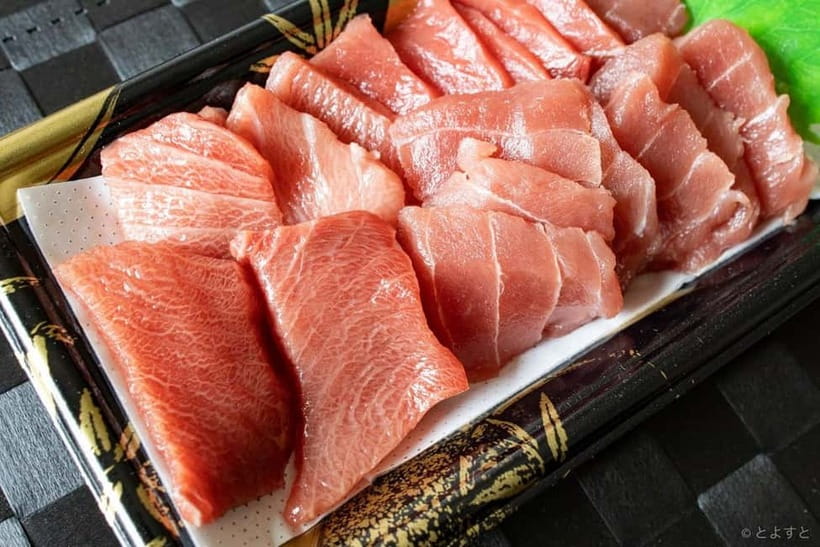
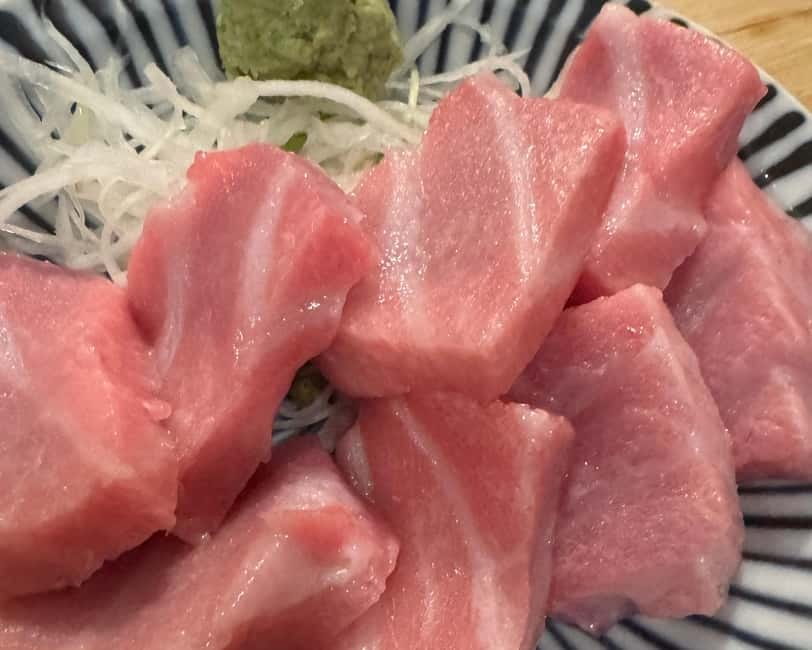
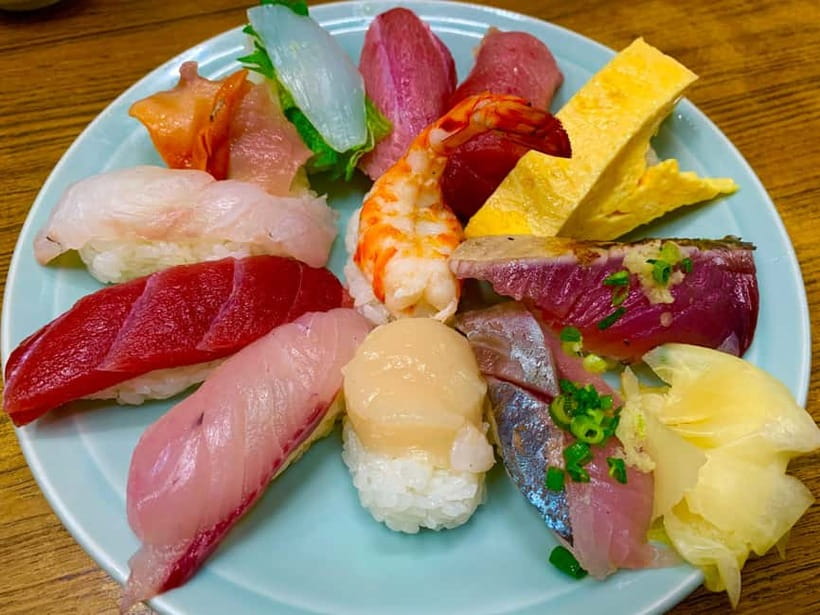
The focus here is fresh sushi and sashimi. The tour presents food as part of the experience, not as an afterthought. Your guide can help you understand what you are seeing and steer you toward suitable market bites. Because food costs are not listed among the inclusions, plan to buy your own tastings separately.
I like this arrangement because the market is easier to appreciate when you are not simply wandering with no plan. A guide can explain why Tsukiji matters to Tokyo’s food culture and help you notice the difference between a market designed for trade, a restaurant district, and a tourist shopping street.
At the same time, Tsukiji is not a quiet museum. It is a working commercial area with food shops, crowds, and many choices. You may need to make quick decisions, especially if several stalls catch your eye. The group format can also limit how long you spend at one counter. If you want a long sushi meal or detailed food photography, you may prefer to return independently.
The market is also where the guide’s local knowledge seems most useful. Yosuke receives particular praise for explaining the area’s history and culture, and the market is singled out as one of the most informative parts of the route. That makes this stop worthwhile even if you already know you enjoy sushi.
Asakusa and Senso-ji: old Tokyo with room to browse
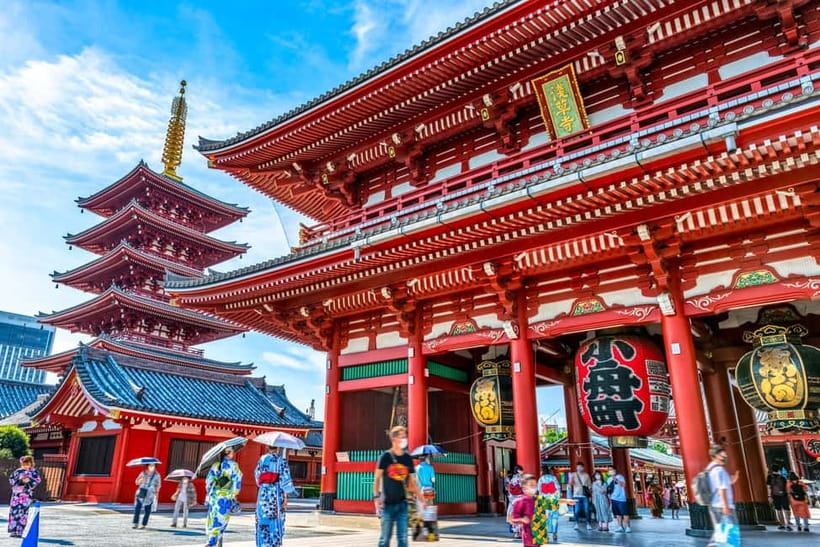
The final stop is Asakusa, with about one hour for walking, sightseeing, shopping, and food. The tour includes entry to Senso-ji Temple, one of Tokyo’s best-known Buddhist sites.
Asakusa feels different from Meiji Shrine. Here, you move through a historic temple quarter with shops, snack stalls, and a more social street scene. The contrast helps you understand the difference between Shinto and Buddhism, a subject several guides are praised for explaining well.
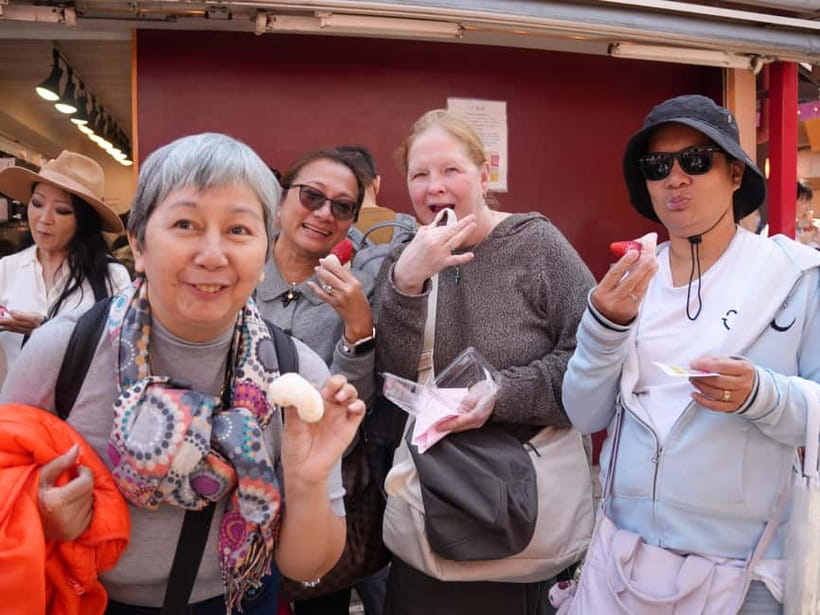
Senso-ji gives the tour a strong finish. Your guide can explain the temple’s customs and place the buildings and rituals within the broader story of Japanese religion. You can also browse for croquettes and traditional sweets as you walk. These small foods are useful because they keep the stop casual. You are not sitting down for a full meal, and you can sample the area while continuing through the streets.
One hour is enough for a guided introduction, but not enough for all of Asakusa. You will probably need to choose between lingering at Senso-ji, shopping, taking photos, and trying several snacks. That is not a flaw so much as a planning point. If you already know you want time for Nakamise shopping or a slower temple visit, stay in Asakusa after the tour ends.
Ending here is practical. You do not have to hurry back across Tokyo, and the guide can point you toward the next part of your day. The tour’s structure leaves you in a district where you can continue eating, shopping, or sightseeing on your own.
Other market mornings in Tokyo:
- Tokyo Tsukiji Fish Market Food and Culture Walking Tour
★ 5.0 · 3,184 reviews - Tokyo: Tsukiji Fish Market Food and Walking tour
★ 5.0 · 1,724 reviews - Tokyo: Tsukiji Fish Market Guided Walking Tour
★ 4.9 · 1,397 reviews - Tokyo Sushi Making Class in Tsukiji with Professional Chef
★ 5.0 · 1,177 reviews
The guides are a major part of the experience
The strongest feature of this tour is the guide team. The supplied guide names include Yosuke, Lax, Lex, Yo Yo, Ken, and Remu. Individual guide assignments can change, so you should not book on the assumption that one particular person will lead your departure. Still, the pattern is clear: the experience depends heavily on a guide who can explain Japan in accessible English.
The guide feedback repeatedly highlights four qualities:
- Clear explanations of Japanese history, culture, and religion
- Fluent English and willingness to answer questions
- Positive energy without losing sight of group comfort
- Personal care for families and individual participants
That last point matters. Noura describes Yosuke as attentive to both her and her son, while other accounts praise guides for patience and thoughtful conversation. Louis had a private experience because he was the only participant on his departure, but you should not assume that will happen to you.
The best use of your guide is to ask questions. Ask why a shrine custom differs from a Buddhist temple practice, what to look for at Tsukiji, or how a food tradition fits into ordinary life. The tour becomes much more useful when you treat it as a conversation rather than a lecture.
What the $83 price really covers
At $83 per person, this is not the cheapest way to see these districts. The value comes from the combination of a live English-speaking guide, historical explanation, photos taken during the tour, and admission to Meiji Jingu Shrine, Tsukiji Fish Market, and Senso-ji Temple.
The price is easier to justify if you are new to Tokyo and want a guided orientation on your first day. You are paying for route planning, cultural context, and help making sense of three places that can otherwise feel disconnected. Families may also appreciate having one person manage the flow and explain customs in a way that keeps younger visitors involved.
You should budget beyond the tour price. Public transportation costs around 550 yen, and food purchases at Tsukiji and Asakusa are separate. The exact cost of tasting sushi, sashimi, croquettes, or sweets depends on what you choose.
For independent visitors who are comfortable using Tokyo trains and reading up before arrival, the price may feel high. You can visit these districts on your own. The tour earns its keep through explanation and convenience, not through exclusive access or a long sit-down meal.
Timing, pace, and practical limits
The total duration is 270 minutes, or four and a half hours. That makes this a true morning-to-midday outing rather than a full-day tour. Starting times vary, so check the available departure time before booking.
The pace should suit you if you like moving between major sights and sampling food along the way. You will not spend the whole morning in one place, and there is enough structure to keep the route moving. The trade-off is limited free time.
Wear comfortable shoes. Meiji Shrine and Asakusa both involve walking, and Tsukiji is best seen on foot. Bring a phone or small camera if you want to use the included photo service as a reminder of the day. You should also keep your belongings manageable because the route includes public transit and market streets.
The meeting point is in front of IKEA Harajuku, and the finish is Asakusa. Plan your day around that one-way route. If you have a timed reservation elsewhere in Tokyo, leave a generous buffer after the tour rather than scheduling something immediately at the listed end time.
Cancellation is flexible up to 24 hours before departure for a full refund, and you can reserve now and pay later. Those terms help if your Tokyo schedule is still changing, but they do not remove the need to check the start time and meeting instructions.
Who should book this Tokyo morning tour?
I would recommend it to first-time Tokyo visitors, families, couples who want a guided introduction, and anyone curious about Japanese religion and food but unsure how to connect the pieces. It is also a good choice if you want to start your trip with calm shrine grounds before heading into market streets and temple lanes.
The tour suits you especially well if you enjoy asking questions. The guides are praised for clear explanations, cultural insight, and care for the group. That human element is more important here than any single landmark.
I would hesitate if you want a slow food tour, a long photography session, or several hours of independent shopping. The 110 minutes at Tsukiji and one hour in Asakusa go quickly. You may leave with a list of places to revisit, which is useful, but it also means the tour works best as an orientation rather than a final word on these districts.
Should you book it?
Book this tour if you want a well-organized first look at Tokyo’s spiritual traditions, market food, and old temple streets in one morning. The strongest reasons are the thoughtful English-speaking guides, the clear contrast between Meiji Shrine and Senso-ji, and the chance to taste local foods without having to plan every stop yourself.
Skip it if you prefer to travel independently or want to spend an entire morning at Tsukiji or Asakusa. For most first-time visitors, though, $83 is a fair price for four and a half hours of guidance, admissions, photos, and a useful introduction to three very different sides of Tokyo. You finish in Asakusa with the rest of the day still open, which is exactly where a good morning tour should leave you.
FAQ
Where does the tour meet?
The meeting point is in front of IKEA Harajuku.
Where does the tour finish?
The tour finishes in Asakusa.
How long does the tour last?
The duration is 270 minutes, or four and a half hours.
What language is the tour conducted in?
The live tour guide speaks English.
Which places are included?
The route includes Meiji Shrine, Tsukiji Outer Market, and Asakusa, including Senso-ji Temple.
How much public transportation should I budget for?
Public transportation costs about 550 yen and is not included in the tour price.
Is food included in the $83 price?
Food is not listed among the inclusions. You should plan to pay separately for sushi, sashimi, croquettes, and sweets.
Are entrance fees included?
Admission to Meiji Jingu Shrine, Tsukiji Fish Market, and Senso-ji Temple is included.
Can I cancel for a full refund?
Yes. You can cancel up to 24 hours in advance for a full refund.
Can I reserve now and pay later?
Yes. The tour offers a reserve-now, pay-later option.
More temples and shrines elsewhere in Japan
- Tokyo: Nikko Toshogu Shrine and Kegon Waterfall Tour
★ 4.5 · 1,266 reviews - Tokyo Panoramic 1 Day: Meiji Shrine, Asakusa, Odaiba and SKYTREE®
★ 4.5 · 1,222 reviews - Tokyo: Zen Meditation at a Private Temple with a Monk
★ 5.0 · 510 reviews - Mt. Fuji Heritage Tour: Traditional Villages, Lakes & Shrine
★ 4.5 · 509 reviews
Just added in Tokyo
- The 10 Tastings of Tokyo With Locals: Private Street Food Tour★ 5.0 · 48 reviews
- Small Town in the Big City: Tasting Tokyo’s Kichijoji★ 5.0 · 195 reviews
- Small Town in the Big City: Tasting Tokyo’s Kichijoji★ 5.0 · 16 reviews
- EXCLUSIVE Tokyo Secret: Kichijoji Small-Group Food & Bar Hopping★ 5.0 · 29 reviews
- Explore Kichijoji: Walk Through One of Tokyo’s Beloved Districts★ 5.0 · 21 reviews
- :Tokyo,Shibuya/ Pro Photography in Kimono / English-Friendly★ 5.0 · 26 reviews
- 【R34】Tokyo:Private Daikoku tour in Modified R34★ 4.9 · 92 reviews
- Tokyo:Calligraphy &Make your original folding fan in Asakusa★ 5.0 · 62 reviews
Tsukiji & Toyosu Fish Market Tours, compared.
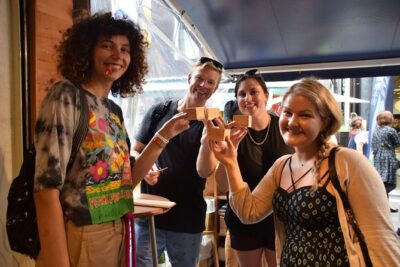
Tokyo Tsukiji Fish Market Food and Culture Walking Tour
Read our review →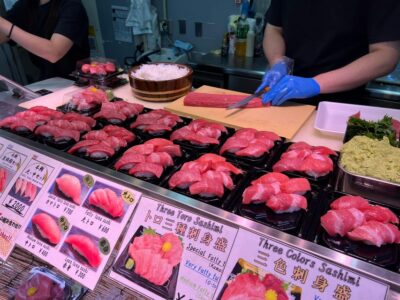
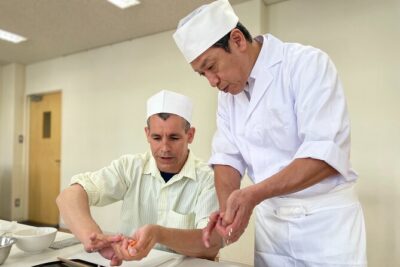
Tokyo Sushi Making Class in Tsukiji with Professional Chef
Read our review →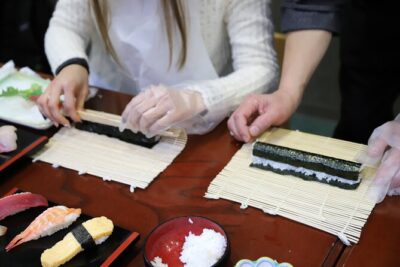
Tsukiji Fish Market Guided Tour and Sushi Making with Pro Chef
Read our review →
Tsukiji Fish Market Small-Group Food Walking Tour
Read our review →
Tsukiji Fish Market Sushi Making Class with Pro Chef
Read our review →
Tokyo Food Tour Taste Fresh Delights at Tsukiji Market
Read our review →
Tokyo Tsukiji Fish Market Tour and Sushi Making Lesson
Read our review →Browse the lists this tour appears in