
Reviewed · GEISHA & GION DISTRICT TOURS
Kyoto: Traditional Tea Ceremony with Matcha & Sweets in Gion
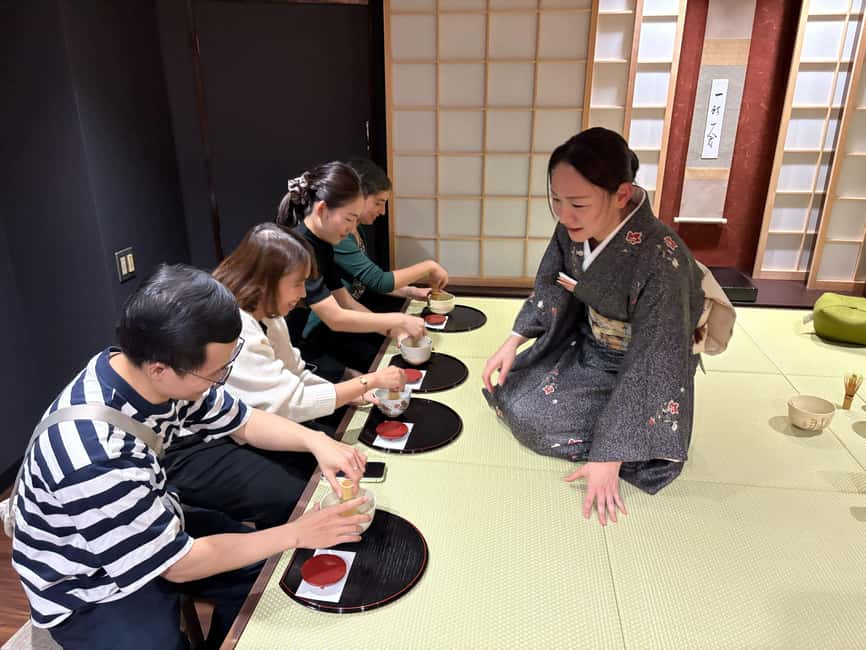
In Kyoto’s Gion district, this experience gives you something many tea ceremonies do not: a close look at the graceful ritual without asking you to kneel on a tatami mat. You watch the tea master work, then make your own bowl of matcha with tea from a family-run farm.
I like the chair seating, which makes the ceremony easier for people with limited mobility or anyone who finds floor seating uncomfortable. I also like the friendly teaching style, including the chance to ask questions instead of simply watching in silence.
The main consideration is timing. The session can last from one hour to 150 minutes, and the meeting point may depend on the option you book. If you choose the kimono package, the rental and ceremony times are linked, so you need to plan the afternoon carefully.
Key points to know before booking
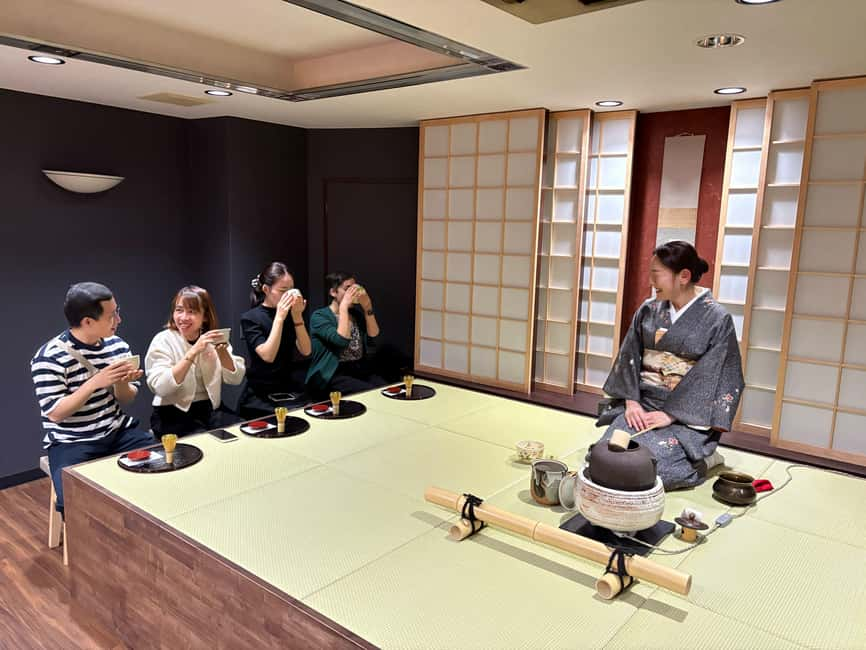
- You sit in chairs, not on the floor: A practical choice for comfort and accessibility.
- You watch before you make: The tea master first demonstrates the graceful movements, then guides you through your own bowl.
- The tea comes from a family-run farm: This gives the tasting a direct connection to local tea production.
- Sweets are chosen by the tea master: Traditional Japanese confections balance matcha’s bitter, grassy taste.
- Mai is one of the English-speaking hosts: Her warm, clear explanations have been a particular strength of the experience.
- The kimono option needs careful planning: Your tea ceremony time is fixed by your kimono start time, and the rental must be returned by 5:30 p.m.
A calm introduction to Kyoto tea culture in Gion
Gion is a fitting place for a tea ceremony. The district is one of Kyoto’s best-known historic areas, and its traditional streets set the right mood for an experience built around quiet gestures, hospitality, and attention to detail.
Still, the setting alone does not make a tea ceremony worthwhile. What matters is how much you understand by the end. This experience is designed as an introduction, not as a test of formal tea etiquette. You learn what the movements mean, why matcha matters in Japan, and how Zen ideas influence the ceremony.
That makes it a good choice if you want cultural context without committing to a long, highly formal performance. You are not expected to arrive with prior knowledge. The English-speaking tea master explains the background as the session unfolds, and a question-and-answer period gives you room to ask about anything that remains unclear.
The atmosphere is intended to be relaxed. That matters because a formal ceremony can sometimes feel like something you are afraid to get wrong. Here, the point is to watch closely, try the technique, and enjoy the tea.
Other tea ceremonies in Kyoto people book:
- Kyoto: Tea Ceremony in a Traditional Tea House in Kiyomizu
★ 4.9 · 3,519 reviews - Kyoto: Tea Ceremony Ju-An at Jotokuji Temple
★ 4.9 · 3,207 reviews - Kyoto: 45-Minute Tea Ceremony Lesson Experience
★ 4.3 · 2,378 reviews
Watching the tea master at work
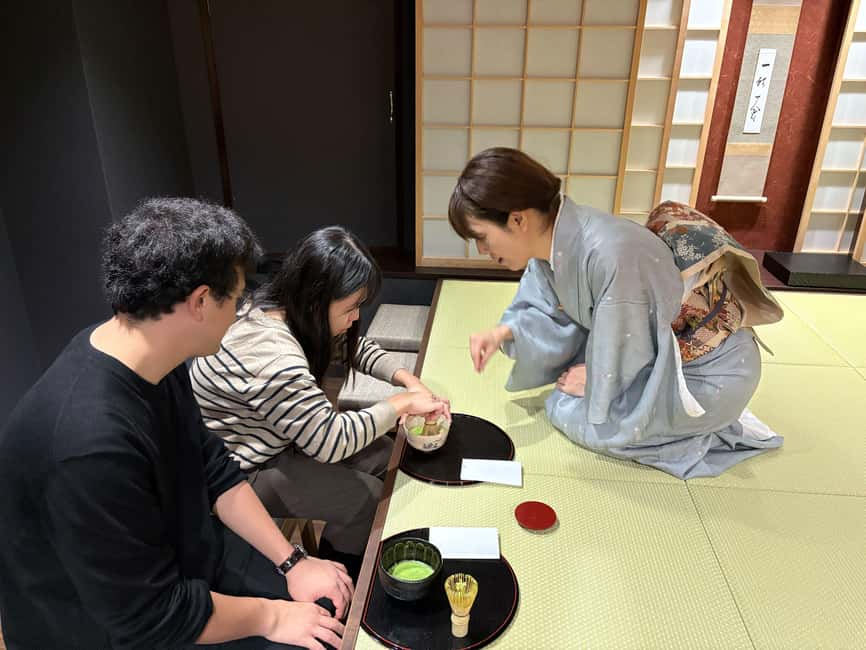
The first part of the session centers on demonstration. You watch the tea master prepare matcha and learn about the history of tea and the ceremony. The movements are slow and deliberate, and small actions that might seem ordinary at home take on greater meaning in this setting.
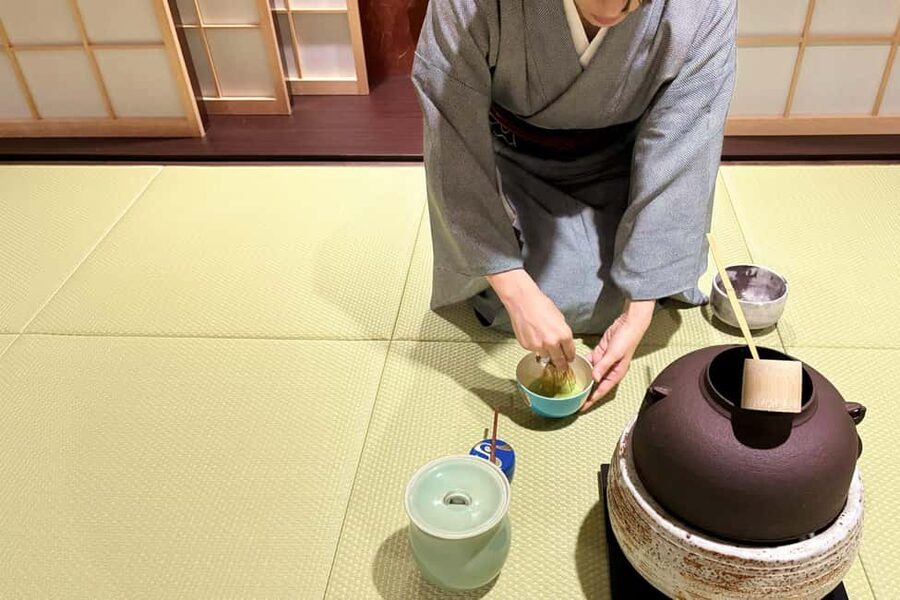
This is where the experience offers more than a simple cup of green tea. Matcha is prepared as a powder whisked into water, rather than steeped and removed like a tea bag. The process produces a foamy drink with a strong, fresh flavor, and the preparation itself is part of the experience.
You also hear about the Zen influence behind the ceremony. The lesson is not limited to ingredients or equipment. It introduces the idea that tea preparation can create a focused moment, with the host and the person receiving the tea paying attention to the same small set of actions.
I would pay attention to the hands during this demonstration. The shape of the bowl, the motion of the whisk, and the order of each step are easier to understand when you see them performed close up. The tea master’s technique is the part you cannot get from a recipe alone.
The ceremony is elegant, but the tone is not stiff. Mai, one of the hosts praised for her warm explanations, has been especially well received for making the history and technique easy to follow. Her approach reflects the larger goal here: share the tradition in a way that welcomes beginners.
Making your own bowl of matcha
The second half gives you a more active role. After watching the demonstration, you make your own bowl of matcha with powder sourced from a family-run tea farm.
That change from watching to doing is important. You start to understand why the whisking motion matters, how the powder blends with water, and how much care goes into producing a smooth layer of bubbles. A reviewer described the process as learning to mix quality matcha into bubbles, which is a useful way to think about it. The foam is not just decoration. It signals that you have worked the tea properly.
You do not need to be skilled at Japanese tea preparation before arriving. The tea master provides guidance, and the friendly format takes the pressure off. Your first bowl may not look perfect, and that is fine. The value is in learning the basic method and feeling how different it is from making ordinary brewed tea.
The tea is high in caffeine, so families should take note. Children under five are not recommended to drink matcha. Infants and toddlers can attend free of charge, but they do not receive their own matcha to prepare. If they want to try, they must use a parent or guardian’s cup.
Traditional sweets that balance the tea
The tea is served with traditional Japanese sweets selected by the tea master. These are not an afterthought. Japanese sweets often play an important role in tea service because their sweetness balances matcha’s bitter, vegetal flavor.
The exact sweets are not specified in advance, so you should not book this expecting one particular confection. What you can expect is a selection chosen to work with the tea and to introduce you to a familiar part of Japanese tea culture.
This pairing also helps you understand why matcha is served the way it is. On its own, the drink can be intense, especially if you are used to lighter green tea. A sweet bite changes the balance and makes the next sip taste different.
I find this part useful for people who are unsure about matcha. You get to try it in the setting where it is traditionally enjoyed, with food that softens its sharper notes. If you already like matcha, the sweets give you a chance to pay closer attention to the contrast between flavors.
Other evenings in the old entertainment quarters of Kyoto:
- Kyoto Geisha Walking Tour: Gion District & Hidden Gems
★ 4.7 · 3,273 reviews - Kyoto: Gion Magical Night Walking Tour with Geisha Trivia
★ 4.9 · 2,393 reviews - Kyoto: Gion Geisha District Walking Tour – Stories of Geisha
★ 4.7 · 2,187 reviews - Best of Kyoto: Gion, Geisha, Pagodas & Cobblestones
★ 4.9 · 2,058 reviews
The final questions are worth your time
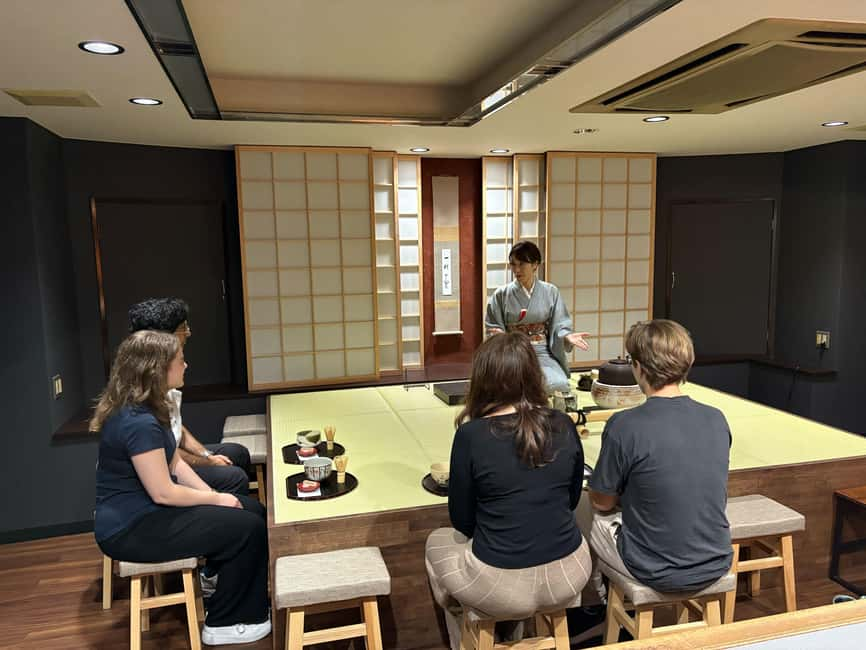
The experience ends with a question-and-answer session with the tea master. Do not rush away once the bowl is empty. This is your chance to ask about tea preparation, the ceremony’s customs, the history you have just heard, or how to continue the habit at home.
The Q&A also makes the session feel less like a performance. You are not simply watching someone repeat a set routine. You can connect the ceremony to your own questions and interests.
One useful result is a simple matcha recipe to take home. It is intended for everyday use, so you can try making matcha after your Japan trip rather than leaving the experience as a one-time memory. The recipe will not turn your kitchen into a Kyoto tea room, but it gives you a practical way to repeat the basic preparation.
That follow-up matters. Many cultural activities are enjoyable in the moment but hard to remember later. A recipe and a clear explanation of the process give you something concrete to use.
Why the chair seating matters
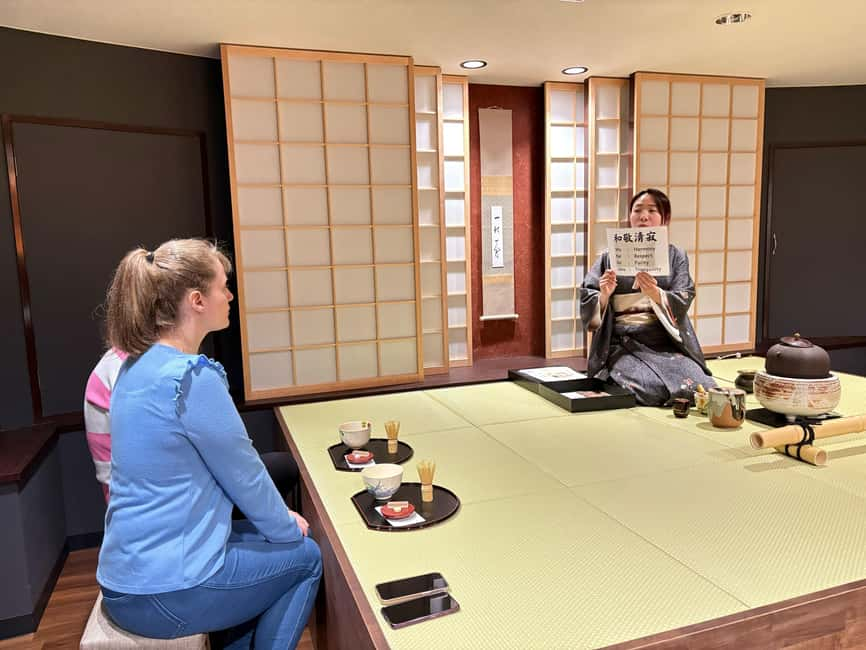
Traditional tea ceremonies often involve sitting on the floor, sometimes for a long period. That can be uncomfortable for people with knee, hip, or back problems, and it can make the experience less appealing for children or anyone unused to tatami seating.
Here, you sit in chairs. The arrangement changes the physical feel of the ceremony, but it also makes the activity more open to a wider range of people. You can focus on the host’s movements and explanations instead of worrying about how long you can remain comfortably seated.
This is not the choice for someone seeking the strictest possible traditional setting. If your priority is a highly formal ceremony conducted entirely according to old seating customs, you may prefer a different format. If your priority is learning and participating comfortably, the chairs are a real advantage.
The casual tone works in the same way. You still see authentic techniques performed by a tea master, but you are not expected to know every rule of tea etiquette before you arrive.
The $22 price and what you receive
At about $22 per person, this is a good-value cultural activity in Kyoto. The price includes the tea tasting, traditional sweets, instruction from the tea master, the history lesson, your own matcha-making practice, and the take-home recipe.
The strongest value comes from the combination of demonstration and participation. A performance alone might be interesting but passive. A hands-on lesson without context might feel like a cooking class. This experience connects the two.
You also receive more than a drink and a snack. The tea powder comes from a local family-run farm, and the sweets are selected for the ceremony. Those details give the tasting a sense of place, even though the experience is short.
The session lasts from one hour to 150 minutes, depending on the option and schedule. That range is worth checking before you book. If you have a packed sightseeing day, the shorter format may fit more easily. If you want time for explanations, preparation, sweets, and questions, allow room for the longer version.
The rating of 4.9 from 27 reviews points to a strong level of satisfaction, especially with the hosts’ welcoming manner and clear instruction. I would not treat a rating as a guarantee, but it matches the design of the activity: small-group options, an English instructor, and a format aimed at first-time participants.
Adding the kimono option
Some booking options include kimono rental. This can make the experience feel more special, but it also adds practical steps.
For the kimono option, you first go to the Kimono Rental Wargo Gion store. After changing, you walk to the tea ceremony meeting point on your own and arrive 10 minutes before the ceremony begins. The rental store is only a few minutes from the meeting point, and the supplied map places the meeting point on the fifth floor.
Your ceremony time depends on the kimono start time:
- An 11:00 kimono start connects to the 12:30 tea ceremony.
- A 12:00 kimono start connects to the 14:00 tea ceremony.
- A 14:00 kimono start connects to the 15:30 tea ceremony.
After the activity, you must return the kimono by 5:30 p.m. That deadline is the detail most likely to affect your day. Do not schedule a distant attraction, long lunch, or evening activity that leaves you racing back to the rental shop.
The kimono option makes sense if you want photos and a fuller Gion experience. It is less suitable if you want a flexible tea lesson that can slide easily into an already crowded itinerary.
Who will enjoy this tea ceremony most
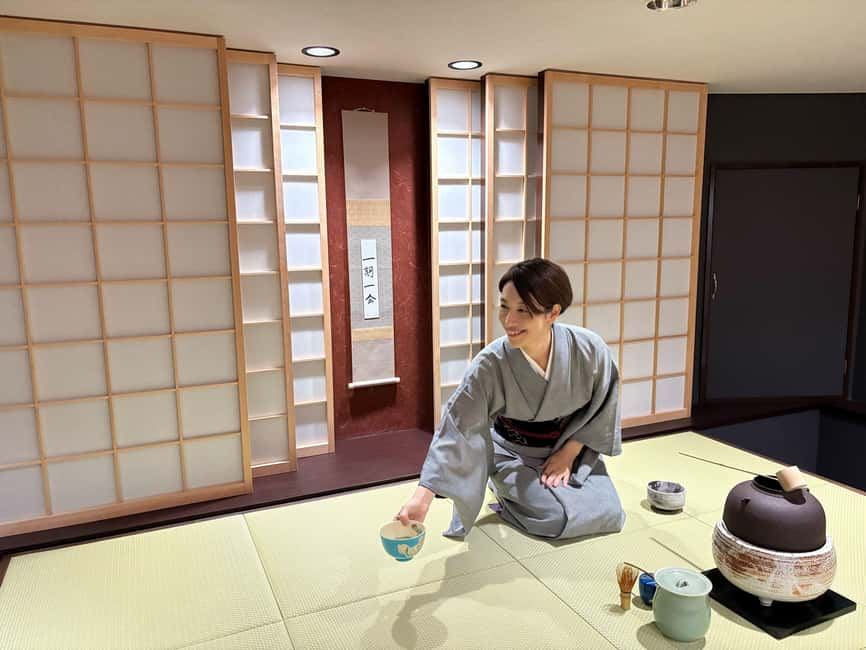
I would recommend this experience to first-time visitors who want a manageable introduction to Japanese culture. It suits couples, solo visitors, families with older children, and anyone curious about matcha but unsure how formal a tea ceremony might be.
It is also a sensible choice for people who cannot sit comfortably on the floor. The chair seating removes a common obstacle without taking away the central parts of the lesson.
The activity is a good match for you if you value explanation as much as atmosphere. You learn about tea’s history, Zen ideas, preparation methods, sweets, and everyday use. The Q&A gives you more control over the subjects covered.
Families should consider the caffeine guidance. Infants and toddlers may attend free, but they do not receive their own matcha, and children under five are not advised to drink it.
You may want another type of ceremony if you are seeking a silent, highly formal event with strict etiquette from beginning to end. This one favors comfort, conversation, and participation.
Practical planning for your Gion visit
Check the meeting point for the exact option you choose, since it may vary. For the standard activity, allow enough time to find the room and settle in before the tea begins. For the kimono package, follow the separate rental instructions and arrive at the ceremony location 10 minutes early.
The instructor language is English, which makes the historical explanations and hands-on guidance easier to follow for English speakers. Small-group availability may also make it easier to hear the tea master and ask questions.
Cancellation is free up to 24 hours before the start time, and you can reserve now and pay later. Those policies are useful if your Kyoto schedule is still changing, but you should still check the precise conditions attached to your selected option.
If caffeine affects you strongly, keep the matcha serving in mind when planning the rest of your day. The activity is calm, but the tea itself is not caffeine-free.
Should you book it?
Book this tea ceremony if you want an approachable, well-priced introduction to matcha in Gion. The combination of chair seating, a close demonstration, hands-on preparation, traditional sweets, and a take-home recipe gives you both cultural background and something practical to remember.
The best reason to choose it is the balance. You get the beauty of a formal tea ritual without the discomfort or anxiety that can come with strict floor seating and unfamiliar rules. Mai and the other English-speaking hosts focus on making the tradition understandable and welcoming.
Skip it only if you want a very formal ceremony with no casual conversation, or if your schedule cannot handle the fixed timing of the kimono option. For most visitors, especially first-time tea ceremony participants, the $22 cost buys a thoughtful and useful hour or two in one of Kyoto’s most atmospheric districts.
FAQ
Where does the tea ceremony take place?
The experience takes place in Kyoto’s historic Gion district. The exact meeting point may vary depending on the option you book.
How long does the tea ceremony last?
The duration ranges from one hour to 150 minutes. Check the available start times and the details of your selected option before booking.
Is the tea ceremony conducted in English?
Yes. The instructor language is English.
Do I have to sit on the floor?
No. The ceremony uses chairs instead of floor seating, making it more comfortable for people who do not want to sit on tatami or have limited mobility.
Do I make my own matcha?
Yes. After watching the tea master demonstrate the technique, you make your own bowl of matcha with powder sourced from a family-run tea farm.
Are sweets included?
Yes. The experience includes traditional Japanese sweets selected by the tea master to accompany the tea.
Can children attend the experience?
Infants and toddlers are free of charge, but they do not receive their own matcha to prepare. If they want to try making tea, they must use a parent or guardian’s cup. Matcha is high in caffeine and is not recommended for children under five.
What happens if I choose the kimono option?
You go to the Kimono Rental Wargo Gion store first, change into the kimono, then walk to the tea ceremony meeting point on your own. You must arrive 10 minutes before the ceremony. The tea ceremony time is fixed according to your kimono start time, and the kimono must be returned by 5:30 p.m.
Can I cancel or pay later?
You can cancel up to 24 hours in advance for a full refund. You can also reserve your place and pay later, keeping your plans more flexible.
More sweet things to try in Kyoto
- Kyoto: Japanese Traditional Sweets Making and Tea Ceremony
★ 4.4 · 314 reviews - Kyoto Wagashi(Japanese sweets) Cooking Class near Fushimiinari
★ 5.0 · 60 reviews - Kyoto: Wagashi (Japanese sweets) Cooking near Fushimiinari
★ 5.0 · 40 reviews - Japanese Traditional Sweets ”Nerikiri” making
★ 4.3 · 17 reviews
More tea ceremonies elsewhere in Japan
- Kyoto: Table-Style Tea Ceremony at a Kyo-Machiya
★ 4.9 · 1,211 reviews - Kimono Tea Ceremony at Kyoto Maikoya, NISHIKI
★ 5.0 · 911 reviews - Kyoto: Arashiyama Bamboo Forest, Monkeys, Matcha & Temple Tour
★ 5.0 · 759 reviews - Kyoto: Tea Museum Tickets and Matcha Grinding Experience
★ 4.9 · 739 reviews
Just added in Kyoto
- Private Cooking Class Udon in Kyoto Japan★ 5.0 · 23 reviews
- Your Private Vacation Photography Session In Kyoto★ 5.0 · 110 reviews
- Kyoto: Zen Meditation at a Private Temple with a Monk★ 5.0 · 25 reviews
- Private Pewter Sake Cup Experience with a Kyoto Artisan★ 5.0 · 31 reviews
- Kyoto Wagashi(Japanese sweets) Cooking Class near Fushimiinari★ 5.0 · 60 reviews
- Kyoto:Family-Friendly Kimono & Yukata Experience at WARGO★ 5.0 · 147 reviews
- Private Guided Traditional Buddhist Cooking in Japan★ 5.0 · 16 reviews
- Kyoto: Gion Geisha District & Sake-in-Hand Walking Tour★ 5.0 · 37 reviews
Geisha & Gion District Tours, compared.

Kyoto Geisha Walking Tour: Gion District & Hidden Gems
Read our review →
Gion Geisha District Walking Tour – Stories of Geisha
Read our review →
Best of Kyoto: Gion, Geisha, Pagodas & Cobblestones
Read our review →
Kyoto Night Foodie Tour in Gion (9+ dishes + 6 Sake tastings)
Read our review →
Kyoto Gion: 2-Hour Geisha Culture & History Walking Tour
Read our review →
Chopsticks Making Workshop in Gion with Engraving Option
Read our review →
Browse the lists this tour appears in