
Reviewed · TEA CEREMONY EXPERIENCES
Tokyo: Matcha Tasting and Making Experience
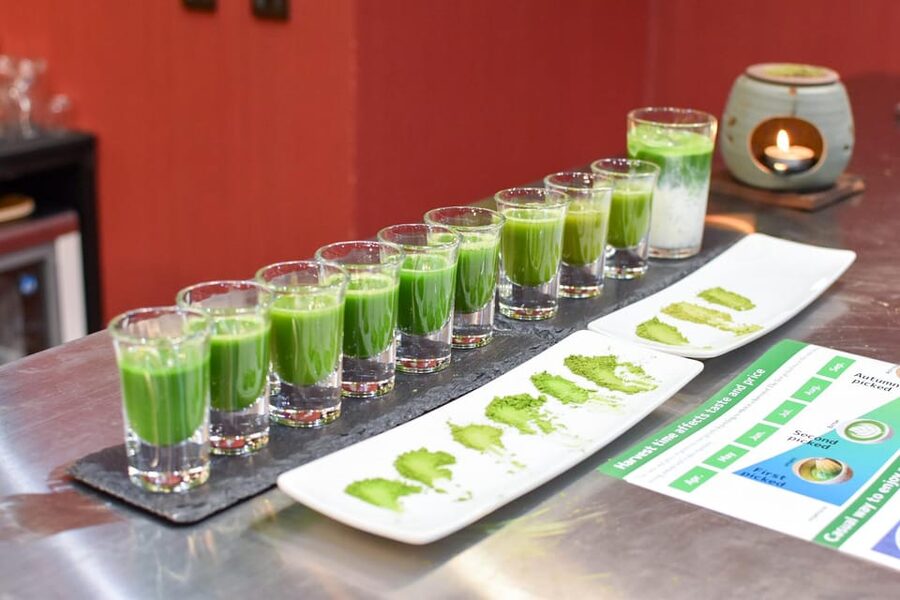
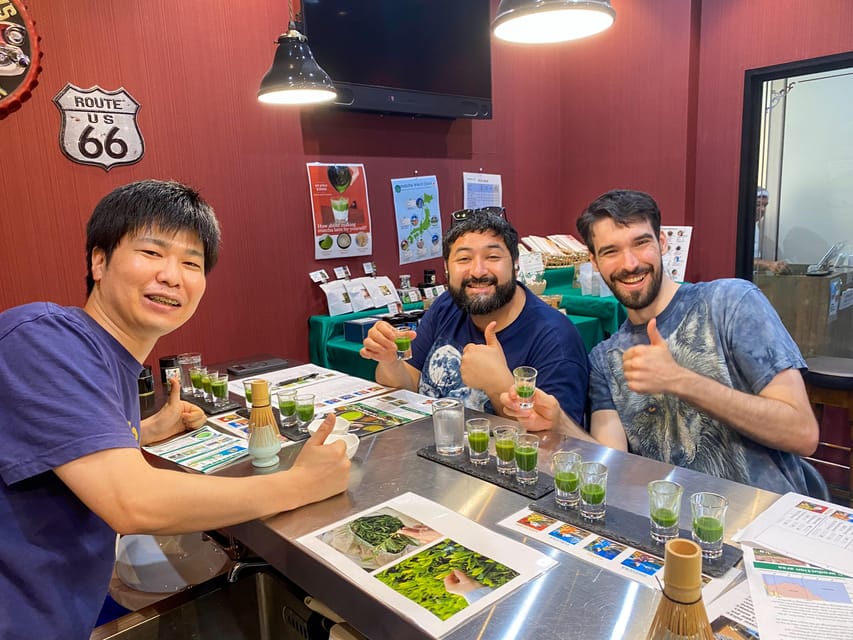
The most useful part of this Asakusa experience is the side-by-side tasting. You try matcha from five Japanese production areas, then choose the one you like best and prepare it yourself with a bamboo whisk. Former tea farmer Chisei leads the class in English and brings six years of tea-growing experience from Kyoto to the table.
I like the clear comparison between ceremonial-grade matcha and two powders sold as matcha but not formally defined as it. I also like the small group, limited to five people, which gives you room to ask questions and practice. The main consideration is the price: at $63 for 90 minutes, this makes sense for tea fans, but may feel steep if you only want a quick drink and a sweet.
Key points at a glance
- Five production areas in one sitting: Compare Japanese matcha by color, fragrance, and flavor instead of judging one cup in isolation.
- A former Kyoto tea farmer leads the class: Chisei explains cultivation, production, preparation, and the history of matcha from practical experience.
- You make your own cup: After tasting, select your favorite and whisk an usucha, the standard thin-style matcha served with hot water.
- The class is genuinely small: With no more than five participants, the format is closer to a lesson than a large demonstration.
- The finish is milk-friendly: An original matcha blend is served as a matcha latte, with a hojicha latte and matcha sweets too.
- Check the tasting count before booking: The experience is promoted with 10 matcha types, while the detailed program describes eight, including six ceremonial-grade samples and two products sold as matcha.
What makes this Tokyo matcha class worth your time
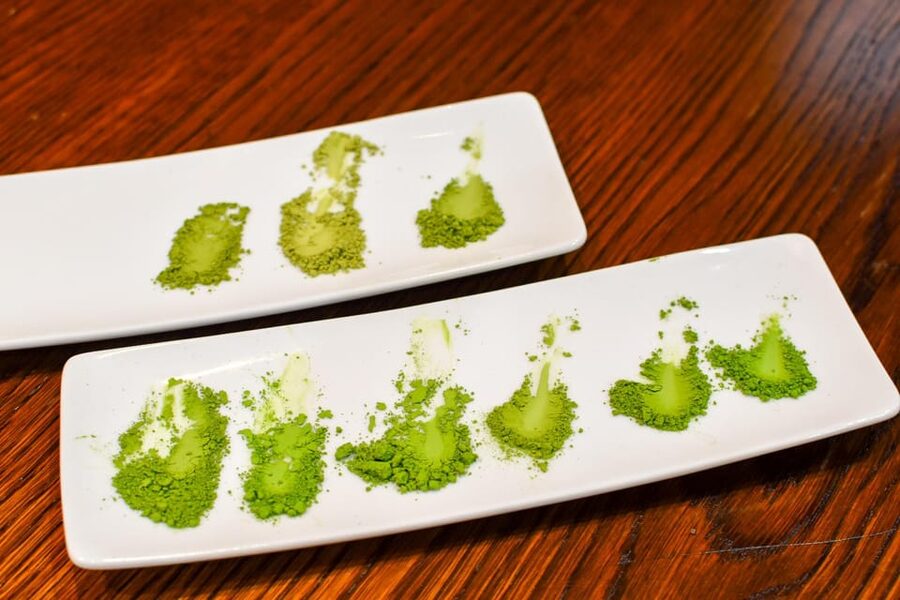
Matcha is often treated as a bright green café drink, but this class gives you a better way to understand it. You taste several samples close together, in small portions, and notice how much the powder can change from one production area to another.
That comparison matters. A single cup can be hard to judge if you have nothing beside it. Here, you can look at the color first, then smell and taste each tea after it is prepared. The experience turns matcha from a fashionable drink into an agricultural product with regional differences.
The class also handles a point that can confuse first-time buyers. Six samples are described as ceremonial grade, while two are sold around the world as matcha but do not meet the stated definition of matcha. You do not need expert tea knowledge to follow the lesson. The point is to give you a useful vocabulary and a sharper eye when you order or shop later.
The experience has earned a 4.9 rating from 21 reviews, and the strongest praise centers on the guide’s clear teaching and practical expertise. That fits the format: this is not simply a tasting tray placed in front of you. Chisei explains what you are drinking, then shows you how to prepare it.
Other tea rooms and ceremonies in Tokyo:
- Matcha Making Class in Tokyo with Authentic Japanese Sweets Set
★ 5.0 · 744 reviews - Tokyo: Traditional Tea Ceremony with a Tea Master
★ 5.0 · 528 reviews - Tokyo: Matcha Making Experience with Mochi Sweets in Asakusa
★ 4.9 · 388 reviews
Meeting Chisei at Henn na hotel in Asakusa
You meet at the café inside Henn na hotel Asakusa Tawaramachi. FamilyMart is on the first floor, and the café is on the second floor, so enter the hotel and head upstairs rather than searching for a separate street-front tea shop.
The location makes this easy to pair with time in Asakusa, but transportation to the café is not included. You will need to make your own way there, and the directions are worth saving before you leave. The meeting point is specific, yet a hotel café can be less obvious than a stand-alone venue.
The group size is one of the experience’s best features. Five people is small enough for a personal lesson without making you feel as if you are receiving a private demonstration at a much higher price. You can watch the whisking closely and ask about the differences between teas.
Chisei previously grew tea in Kyoto for six years. That background gives the class a useful link between field work and the cup in front of you. The focus is educational, so you should arrive ready to learn rather than expecting a commercial consultation. The provider specifically asks participants with business or commercial purposes to contact them before booking.
Starting with a welcome drink and the story of matcha
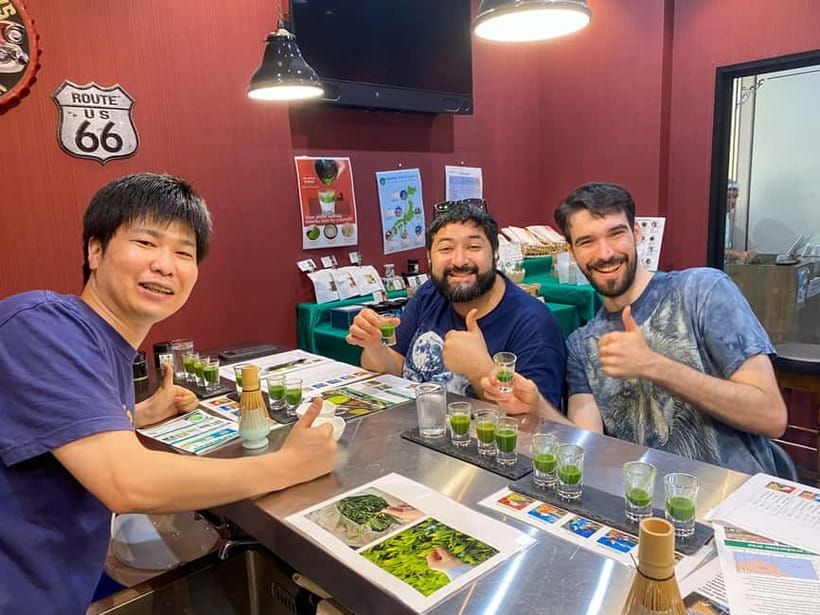
The session begins with a welcome drink. While you enjoy it, Chisei explains the history of matcha, how it is produced, and what you will taste during the class.
This opening is more than a polite first sip. It gives you a framework for the samples that follow. You hear about the definition of matcha and cultivation methods before you begin comparing powders, so the tasting has some context.
The class is designed for general visitors who want to learn about Japanese tea. You do not need to arrive with a trained palate or a detailed understanding of tea farming. If you already drink matcha regularly, you will likely get more from the production discussion and the distinction between formal matcha and products marketed under the same name.
The 90-minute length is well suited to this kind of lesson. It is long enough for explanation, tasting, preparation, and a final drink, but short enough to fit into a day of sightseeing. You should not expect a full afternoon tea workshop with every detail of Japanese tea culture. This is a focused introduction to matcha.
Comparing matcha from five Japanese tea regions
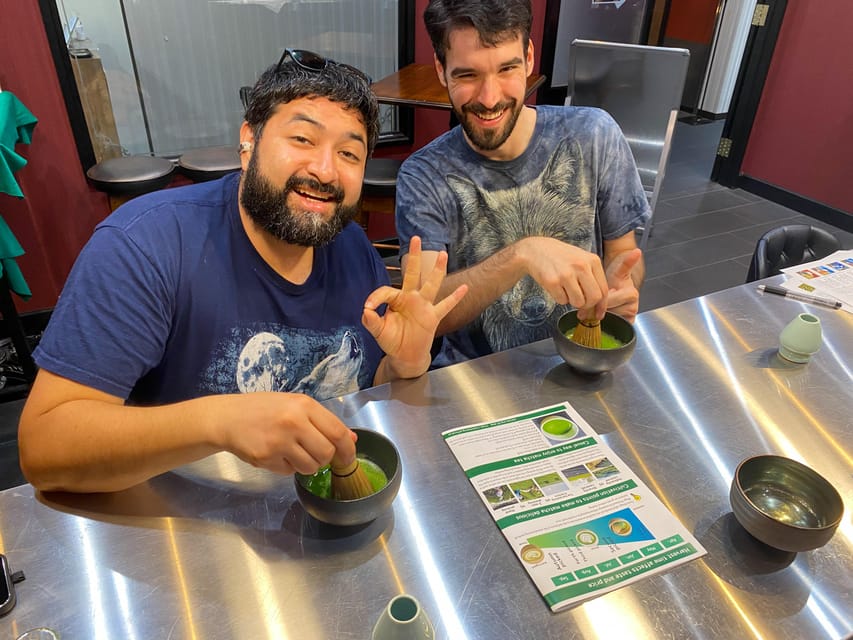
The tasting is the heart of the experience. You receive small portions from five representative production areas in Japan, allowing you to compare them at one sitting.
The exact number needs a little care. The experience is advertised with 10 different types of matcha, while the detailed sequence says eight types are served: six ceremonial-grade matcha and two products that are not formally defined as matcha but are sold as matcha in various markets. If the total number matters to you, confirm it when booking.
The small servings are a smart choice. Matcha can be intense, and eight or 10 full cups would be too much for many people. Smaller portions let you focus on differences without turning the session into a caffeine endurance test.
You first look at the color. Then the tea is prepared and served so you can consider fragrance and taste. This order encourages you to pay attention to the whole drink rather than rushing straight to a verdict.
I would keep a simple mental note of each sample. You might prefer one for its aroma, another for its smoother taste, and a third for its stronger character. The point is not to find a single winner for everyone. It is to discover what you personally enjoy.
The comparison also helps explain why matcha prices vary. Production area, growing methods, grade, and intended use all affect how a powder is presented and consumed. The class does not turn you into a tea farmer in 90 minutes, but it gives you a more sensible basis for choosing matcha afterward.
Other things to make with your hands in Tokyo:
- Chopstick Making Workshop in Ginza
★ 4.8 · 1,366 reviews - Tokyo Chopstick Making Workshop with Artisan
★ 5.0 · 466 reviews - Tokyo: Calligraphy on Kanji Fan & Scroll with Drink
★ 5.0 · 210 reviews - Tokyo: Knife Making Workshop (Sharpening, Engraving)
★ 4.9 · 153 reviews
Choosing a favorite and whisking usucha
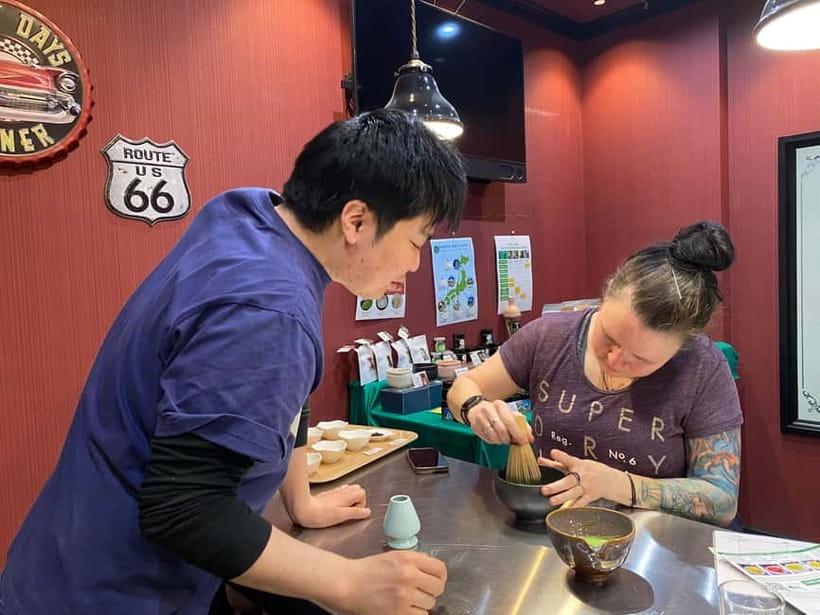
After the comparison, you choose the matcha you liked best. Then you prepare your own cup using a bamboo tea whisk.
The final preparation is usucha, the thin style of matcha made with water. This is the practical payoff of the class. You are not only watching a tea specialist perform a careful ritual. You are learning a method you can repeat at home.
A bamboo whisk is simple in appearance but takes a little control. You will have a chance to follow the demonstration and make the drink yourself. The activity is approachable for beginners because the lesson happens immediately after tasting, when you can connect the process to the cup you just enjoyed.
This part also makes the price easier to assess. If you only receive samples, the experience is mostly consumption. If you leave able to prepare matcha at home, the class has a lasting use. You can buy matcha later with more confidence and recreate the basic drink in your own kitchen.
Do not expect a formal ceremony with elaborate movements. The description centers on learning, tasting, and practical preparation. That is a strength if you want useful skills rather than a staged cultural show.
Matcha lattes, hojicha, and sweets at the finish
The final portion shifts from traditional preparation to familiar café drinks. You enjoy a matcha latte, a hojicha latte, and matcha sweets.
The provider uses an original matcha blend designed to work well with milk. This gives you a different perspective from the earlier tasting. A matcha that is subtle or delicate when served with water may not have the same impact in a latte, where milk changes the balance.
Hojicha adds another useful contrast. Hojicha is roasted Japanese green tea, and it offers a different flavor direction from matcha. Here, you can compare both drinks in a relaxed way after the more focused tasting.
The sweets round out the session, though the available details do not specify the exact type or number. If you have allergies or strict dietary needs, ask before booking because no dietary information is provided.
I like this ending because it connects the lesson to the drinks you see around Tokyo. You learn about formal definitions and preparation, then finish with the kind of latte many people order in cafés. It keeps the class from feeling too serious.
Is $63 good value for 90 minutes?
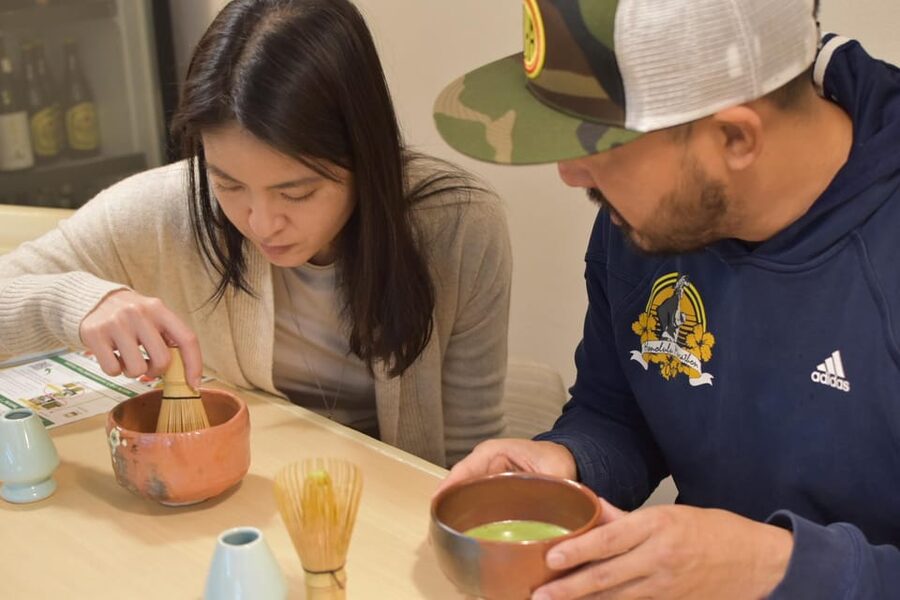
At $63 per person, this is not a budget coffee stop. You are paying for instruction, multiple samples, hands-on preparation, and several finished drinks rather than just a cup of matcha.
The value depends on what you want from your Tokyo schedule. If you are curious about Japanese tea and want a small, English-language class, the fee is reasonable for the amount of guided activity packed into 90 minutes. The former tea-farming background adds substance that a basic café tasting may not provide.
The value is weaker if you mainly want a matcha latte. Tokyo offers many ways to drink one without paying for a class, and this experience asks you to spend time on the history, production, comparison, and whisking process.
The reserve-now-and-pay-later option can help if your itinerary is still shifting. Free cancellation is available up to 24 hours in advance for a full refund. Still, the practical details matter more than payment flexibility: remember that transportation is not included, and check the start time before fitting the class into your day.
Who should book this Asakusa experience?
I would recommend it to you if you meet one or more of these conditions:
- You enjoy food and drink experiences that explain where ingredients come from.
- You want to compare matcha rather than simply order a green drink.
- You would like to learn a basic preparation method you can use at home.
- You prefer a small group and an English-speaking instructor.
- You are curious about the difference between formal matcha and products sold under the same name.
- You have time in or near Asakusa and want a structured indoor activity.
It is also a good fit for couples or small groups who want a shared activity. The tasting creates plenty to discuss, and choosing a favorite gives you a simple point of comparison.
I would think twice if you dislike powdered tea, caffeine, or guided instruction. The class is built around tasting several matcha samples, so it is not ideal if you only want a sweet café drink. It may also feel too short for someone hoping for a full study of Japanese tea culture.
Practical details to know before you go
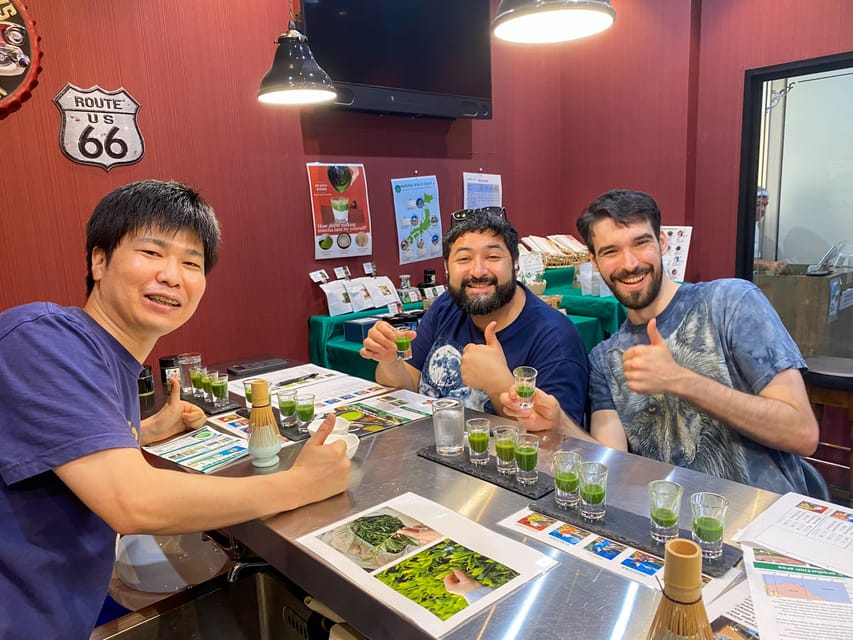
The experience lasts 90 minutes and is taught in English. The small group is limited to five participants, which is useful for questions and hands-on practice.
You meet at the café in Henn na hotel Asakusa Tawaramachi. Look for FamilyMart on the first floor, enter the hotel, and go to the second floor.
The included elements are the welcome drink, matcha tasting from five production areas, the matcha-making activity, matcha latte, and matcha sweets. Transportation is not included.
The experience is intended for general education about Japanese tea. If you are contacting the provider for a commercial purpose, reach out before reserving. That boundary helps keep the class focused on personal learning.
The advertised tasting count deserves one final note. The highlights refer to 10 types, while the detailed program describes eight. Since the difference could matter to a serious tea enthusiast, confirm the current number when you reserve.
Should you book this matcha class?
Book it if you want to understand matcha through comparison and practice, not just photograph a bright green latte. The five production areas, the former Kyoto tea farmer leading the lesson, and the chance to whisk your own usucha give the experience real substance.
At $63, it is best treated as a compact tea lesson with drinks and sweets, not a cheap refreshment break. I would choose it for a curious food-focused afternoon in Asakusa, especially if you value clear instruction and a small group. If you only want to try one latte, spend less elsewhere. If you want to know why matcha tastes different from one cup to the next, this class earns its place in your Tokyo plans.
FAQ
Where does the matcha experience take place?
It takes place at the café inside Henn na hotel Asakusa Tawaramachi in Tokyo. FamilyMart is on the first floor, and the café is on the second floor.
How long does the experience last?
The session lasts 90 minutes.
How much does the experience cost?
The price is $63 per person.
What language is the class taught in?
The instructor teaches the class in English.
How many people can join the group?
The group is limited to five participants.
What matcha will I taste?
You compare matcha from five Japanese production areas. The detailed program describes eight samples, including six ceremonial-grade matcha and two products sold as matcha that are not formally defined as matcha. The experience highlights also refer to 10 types, so confirm the current tasting count when booking.
Can I make matcha myself?
Yes. You choose the matcha you like best and prepare usucha using a bamboo tea whisk.
Are drinks and sweets included?
Yes. The experience includes a welcome drink, matcha latte, hojicha latte, and matcha sweets. Transportation to the location is not included.
Just added in Tokyo
- The 10 Tastings of Tokyo With Locals: Private Street Food Tour★ 5.0 · 48 reviews
- Small Town in the Big City: Tasting Tokyo’s Kichijoji★ 5.0 · 195 reviews
- Small Town in the Big City: Tasting Tokyo’s Kichijoji★ 5.0 · 16 reviews
- EXCLUSIVE Tokyo Secret: Kichijoji Small-Group Food & Bar Hopping★ 5.0 · 29 reviews
- Explore Kichijoji: Walk Through One of Tokyo’s Beloved Districts★ 5.0 · 21 reviews
- :Tokyo,Shibuya/ Pro Photography in Kimono / English-Friendly★ 5.0 · 26 reviews
- 【R34】Tokyo:Private Daikoku tour in Modified R34★ 4.9 · 92 reviews
- Tokyo:Calligraphy &Make your original folding fan in Asakusa★ 5.0 · 62 reviews
Tea Ceremony Experiences, compared.
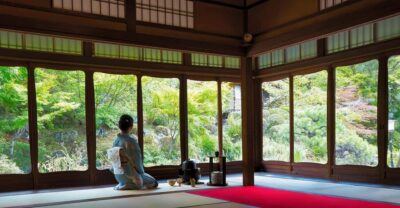
Tea Ceremony in a Traditional Tea House in Kiyomizu
Read our review →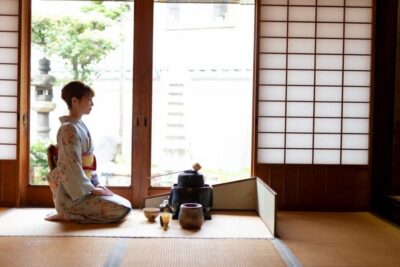
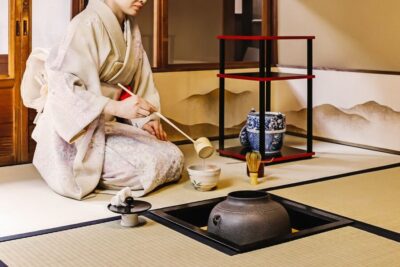
World Heritage Kyoto & Nara Uji Authentic Matcha Experience
Read our review →
Arashiyama Bamboo Forest, Monkeys, Matcha & Temple Tour
Read our review →Browse the lists this tour appears in