
Reviewed · TEA CEREMONY EXPERIENCES
Tokyo: Practicing Zen with a Japanese Tea Ceremony
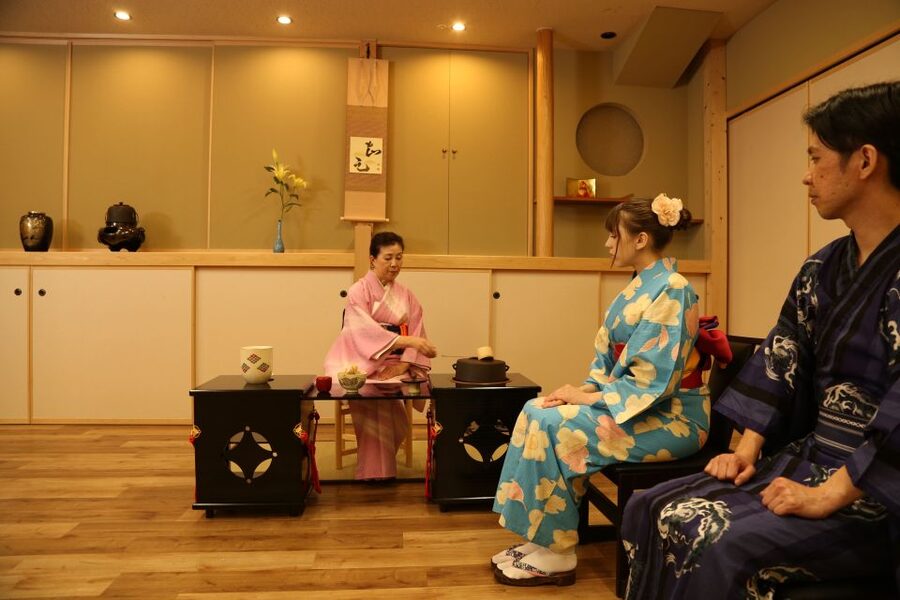
The most interesting part of this Tokyo experience is that you do not just watch a tea ceremony. After seeing the careful movements and learning what they mean, you prepare matcha yourself under the guidance of a tea master. That turns a formal cultural display into something you can understand with your hands.
I like the calm, personal format and the clear link between Zen Buddhism, art, and daily conduct. I also like the practical comfort: you can sit on a chair instead of the floor, and the small group makes it easier to see the utensils and follow each step. The main drawback is that 75 minutes goes quickly, and nearby noise may interrupt the quiet mood.
Key points to know before booking
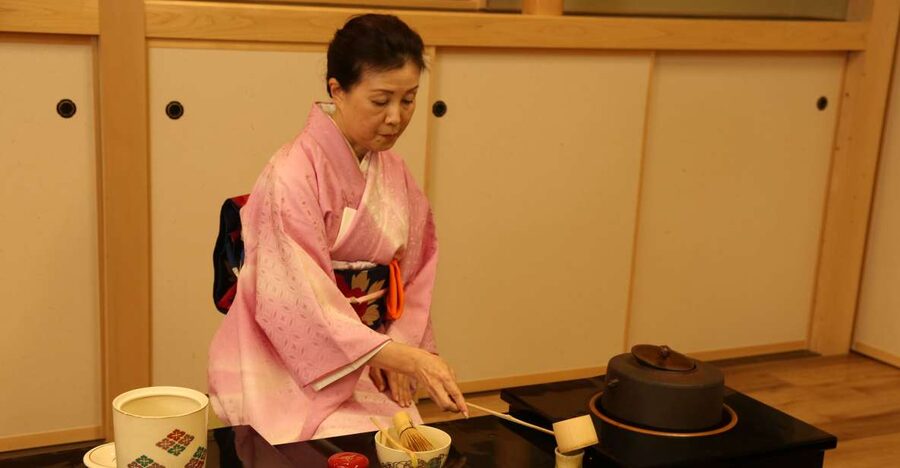
- You perform the ceremony yourself: After the demonstration, you prepare a second bowl of matcha with help from your instructor.
- The Zen connection is central: The lesson explains why the ceremony values quiet attention, careful movement, and respect for the moment.
- Traditional sweets come first: A Japanese confection is paired with the green tea, giving you the proper taste contrast.
- Groups are capped at 10 people: This keeps the lesson small enough for you to see and hear the demonstration.
- Chairs are available: You do not have to sit on the floor, which makes the activity more accessible.
- Tokyo Tower is your landmark: The meeting point is directly opposite the tower, inside the Kikai Shinko Kaikan building.
Why the hands-on lesson matters
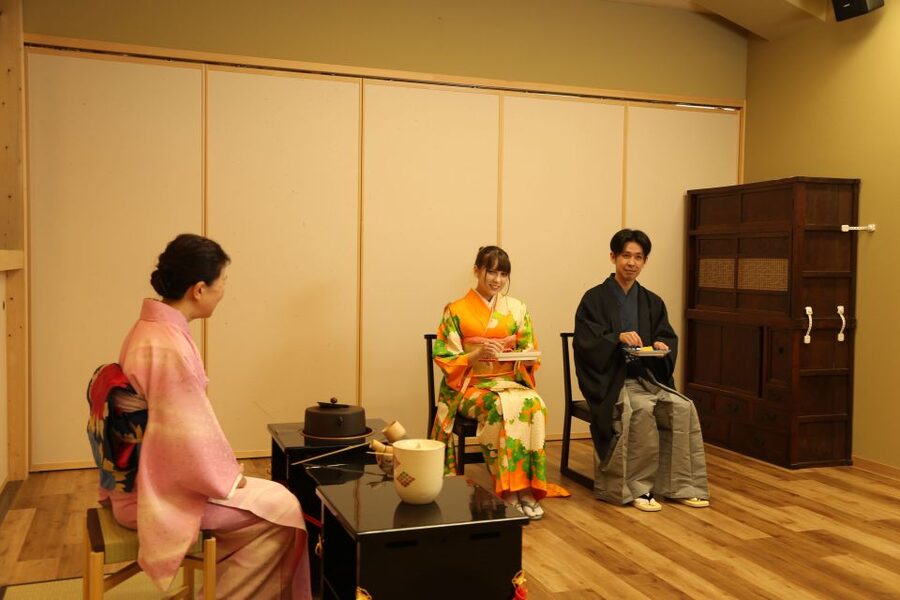
Many cultural demonstrations leave you watching from the edge. This one asks you to take part. You first see the instructor prepare matcha, then you repeat the process with guidance. That second part gives the ceremony a practical shape: you begin to notice the order of the utensils, the measured gestures, and the pauses between actions.
You are not expected to master the ritual in one short session. The point is to understand its rhythm and purpose. Your instructor explains the details as you go, so you can focus on the movement rather than worry about getting every step perfect.
That approach suits me. Japanese tea ceremony can look mysterious when you only see the finished performance. Once you learn why the bowl is handled in a certain way, or why the preparation is unhurried, the ceremony becomes easier to appreciate.
The activity also keeps the history connected to the practice. You learn about the role of Zen Buddhism and how tea ceremony continues to matter in parts of Japanese society. This is not a lecture separated from the activity. The explanation comes while you taste the tea, watch the preparation, and try the movements yourself.
Other tea rooms and ceremonies in Tokyo:
- Matcha Making Class in Tokyo with Authentic Japanese Sweets Set
★ 5.0 · 744 reviews - Tokyo: Traditional Tea Ceremony with a Tea Master
★ 5.0 · 528 reviews - Tokyo: Matcha Making Experience with Mochi Sweets in Asakusa
★ 4.9 · 388 reviews
Meeting near Tokyo Tower
You meet your instructor at the main entrance of the Kikai Shinko Kaikan building on the first floor. The building is directly opposite Tokyo Tower, so the tower gives you a useful landmark while you find the venue.
If you cannot locate the instructor at the entrance, go to True Japan Tour in Room B109 on the basement level. That extra meeting option is worth noting, especially if you arrive early and do not immediately see a tea master.
Transportation is not included, so you make your own way to the building. Plan enough time to locate the entrance and get settled before the scheduled start. Since the activity lasts only 75 minutes, arriving late could cut into the demonstration and your own practice time.
The location also makes this easy to pair with other time near Tokyo Tower. You can visit the tower area before or after the ceremony without committing to a long half-day excursion. The experience is focused and compact, which works well in a busy Tokyo itinerary.
The opening ceremony and first taste
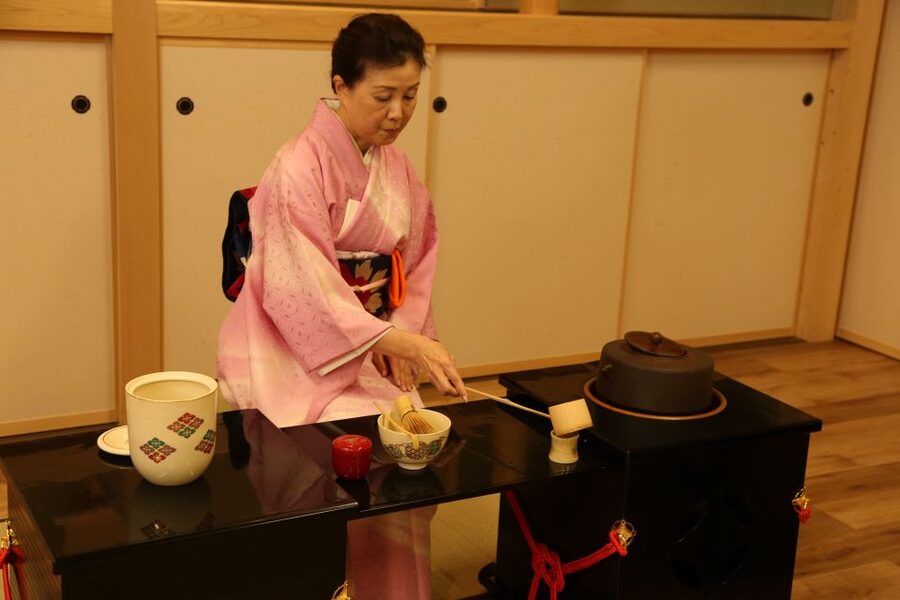
The lesson begins with a demonstration of matcha preparation. Watch the instructor handle the tea bowl, utensils, and other objects in the order required by the ceremony. The movements may look simple at first, but the meaning comes from their precision and calm pace.
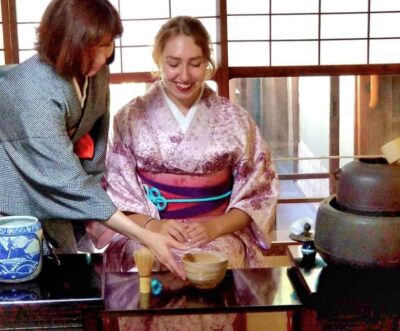
You also learn about the utensils. This matters because each object has a role, and the ceremony is not simply about mixing powdered green tea with hot water. The tools, the handling, the posture, and the sequence all help create the atmosphere.
A traditional Japanese sweet is served with the green tea. The sweetness provides a useful contrast to matcha, which has a distinct grassy and sometimes bitter taste. Having the sweet as part of the lesson helps you understand why it is paired with the tea rather than treated as a separate snack.
The instructor explains the actions in English. Previous sessions have been led by teachers such as Junko, Ken, and Midori, and the strongest part of the teaching is the personal attention. Junko has been praised for explaining the connection between tea and Zen, while Ken and Midori have also led sessions described as clear and welcoming.
You should expect a proper introduction rather than a quick photo opportunity. The ceremony is presented as a practice with meaning, not just a decorative performance.
Zen in a 75-minute tea ceremony
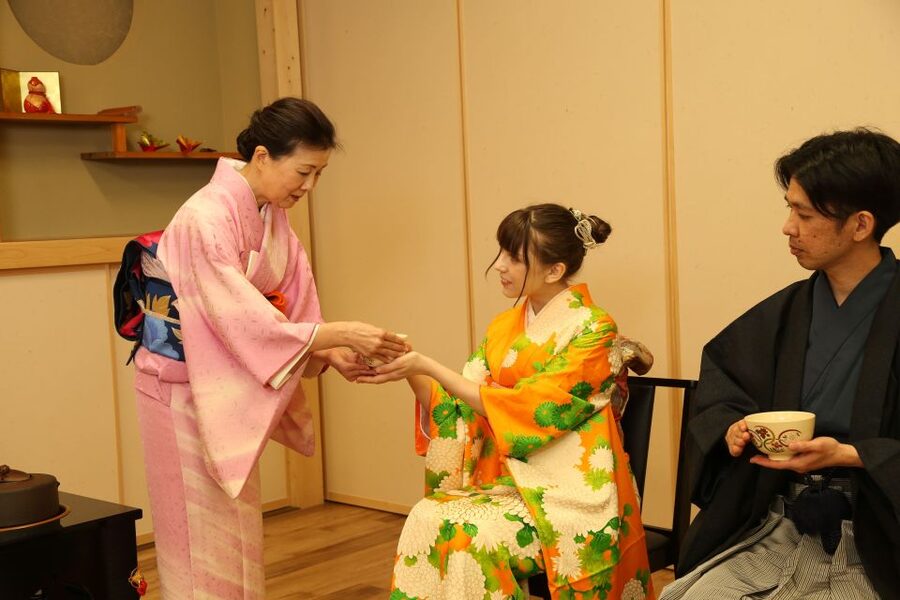
The connection with Zen is one of the best reasons to choose this activity. You learn how the ceremony expresses ideas through quiet concentration, respect, and attention to small actions. The room, the utensils, the way the tea is served, and the pace of the lesson all support that theme.
You do not need prior knowledge of Buddhism. The instructor explains the ideas in accessible terms and ties them to what you are doing. That is helpful because abstract points about peace of mind make more sense when you are holding the bowl or watching the tea being whisked.
This is also where the limited length becomes a mixed blessing. Seventy-five minutes is enough to learn the basic flow and perform the ceremony yourself, but it does not allow for a long meditation session or a detailed study of every part of Zen practice.
One participant found the Zen exercise too short. That is a fair expectation to manage. Book this for an introduction to Zen as expressed through tea ceremony, not for an extended spiritual retreat.
The calm atmosphere may also depend on what is happening nearby. The room has been arranged to feel like a tearoom, but one session included noise from an activity next door. If silence is essential to your experience, keep that possibility in mind.
Other quiet hours in Tokyo:
- Tokyo: Zen Meditation at a Private Temple with a Monk
★ 5.0 · 510 reviews - Kyoto Zen Meditation & Garden Tour at a Zen Temple with Lunch
★ 5.0 · 441 reviews - Kyoto: Zen Experience in a Hidden Temple
★ 5.0 · 437 reviews - Kyoto: Tea Ceremony Meditation – Make Matcha with Tea Master
★ 4.8 · 406 reviews
Your turn to prepare matcha
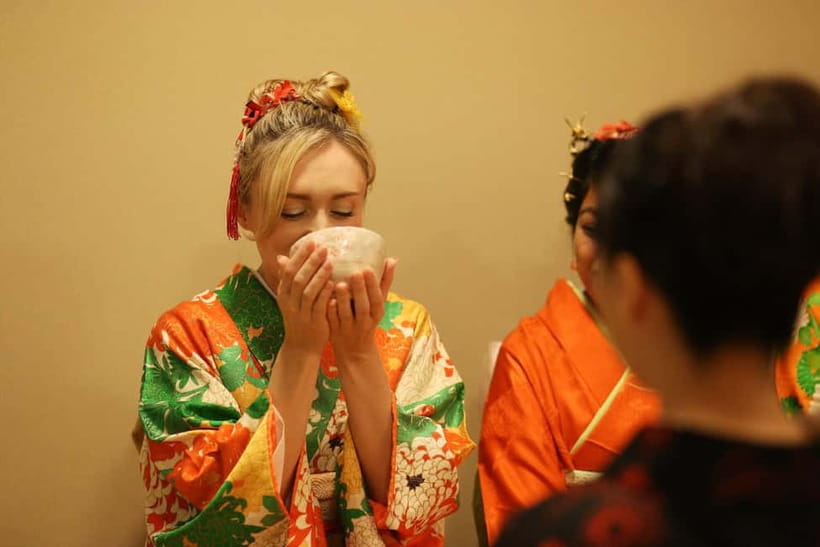
The most valuable part comes after the demonstration. You conduct a second tea ceremony yourself with support from the instructor. The teacher walks you through the sequence, explains the purpose of the actions, and helps you correct the details as needed.
This is where the activity becomes more memorable than a standard tasting. You are likely to notice how much attention is required to make even a short series of movements feel smooth. The practice asks you to slow down and focus on one action at a time.
You also gain a better sense of the host’s skill. What first looked effortless in the demonstration may feel more involved when you repeat it. That contrast is useful. It shows that the beauty of tea ceremony comes from disciplined practice, not from casual gestures arranged for tourists.
The lesson remains friendly rather than severe. The instructors are there to guide you, not test you. Reviews of sessions with Junko, Ken, Midori, and other tea masters repeatedly praise the patient explanations and the welcoming manner of the teachers.
The small group helps here. With no more than 10 participants, you have a better chance of seeing the demonstration and receiving direct help during your own turn. A larger group would make this kind of hands-on instruction less effective.
Comfort, seating, and accessibility
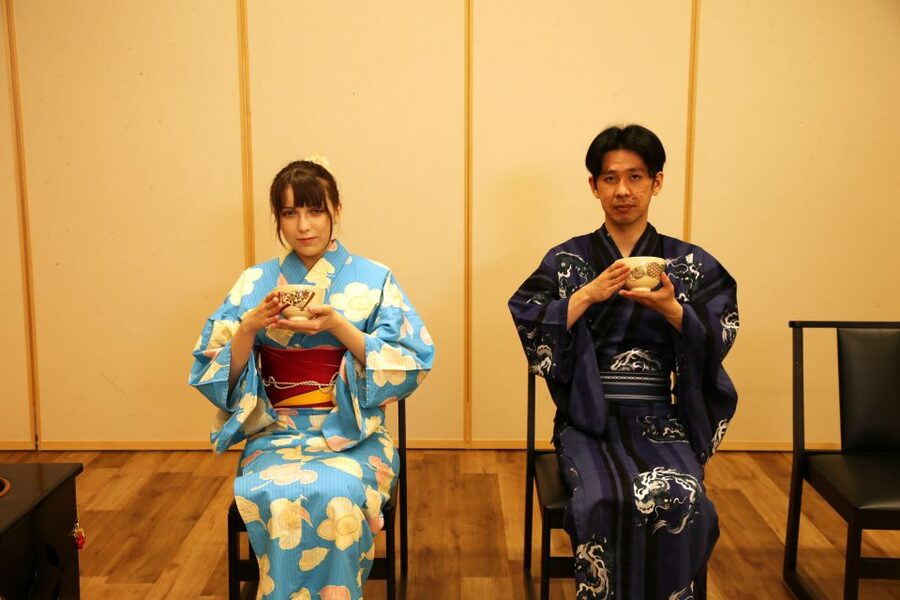
Traditional tea ceremony is often associated with sitting on the floor. That can be uncomfortable, especially if you have knee, hip, or mobility concerns. This experience provides seats for people who prefer not to sit on the floor, so you can focus on the lesson rather than endure an awkward posture.
The activity is wheelchair accessible. One participant who could not sit on the floor found the seating arrangement practical and comfortable. That is a meaningful strength for an experience built around a low table and formal movements.
You should still check the exact arrangements at the time of booking if you have specific mobility needs. The information confirms wheelchair accessibility and alternative seating, but it does not describe every part of the building or route inside it.
Noise is the other comfort issue. The activity is intended to be quiet, and making noise is not allowed. Even so, sound from another activity has been heard next door. Go in expecting a calm cultural class, but not necessarily complete silence.
Children under four are not suitable for this experience. Older children may appreciate the sweets and the chance to handle the tea utensils, but the quiet setting and careful movements require attention.
How much value you get for $63
At $63 per person, this is not the cheapest way to taste matcha in Tokyo. The price makes more sense if you value instruction and participation rather than simply receiving a cup of tea.
You get the ceremony, traditional sweets, matcha, an explanation of Zen and the utensils, and a second ceremony that you conduct yourself. The hands-on teaching is the key value. Without that second part, the experience would feel closer to a short cultural demonstration.
The small group also supports the price. A maximum of 10 participants gives the instructor room to explain and assist, while a larger class might offer less personal guidance. You are paying for a focused lesson near one of Tokyo’s best-known landmarks, not transportation or a long sightseeing route.
I would choose this for a first introduction to tea ceremony, especially if you want cultural context. If your main goal is only to drink matcha or take photographs, you can find less expensive options elsewhere.
The reserve-now, pay-later option gives you some flexibility while planning. You can also cancel up to 24 hours before the activity for a full refund. Those terms are useful in Tokyo, where weather, fatigue, and changing plans can affect a packed schedule.
Who will enjoy this most
This suits you if you enjoy learning the reason behind a custom rather than simply observing it. It is especially good for first-time visitors who want a structured introduction to Japanese culture in English.
It also works well for people who want a quiet break from Tokyo’s busy streets. The experience is short enough to fit into a sightseeing day, yet it asks you to slow down and give your attention to one ritual.
You do not need any previous knowledge of tea ceremony or Zen Buddhism. The instructor introduces both from the beginning. You also do not need to be comfortable sitting on the floor, since chairs are available.
Couples, solo visitors, and small family groups can all fit the format. Keep in mind that children under four are not permitted, and young children who cannot stay quiet may find the setting difficult.
This is less suitable if you want a large-scale cultural show, a long meditation, or a full-day temple visit. It is a compact lesson focused on matcha, utensils, ceremony, and Zen.
Practical advice for a smoother visit
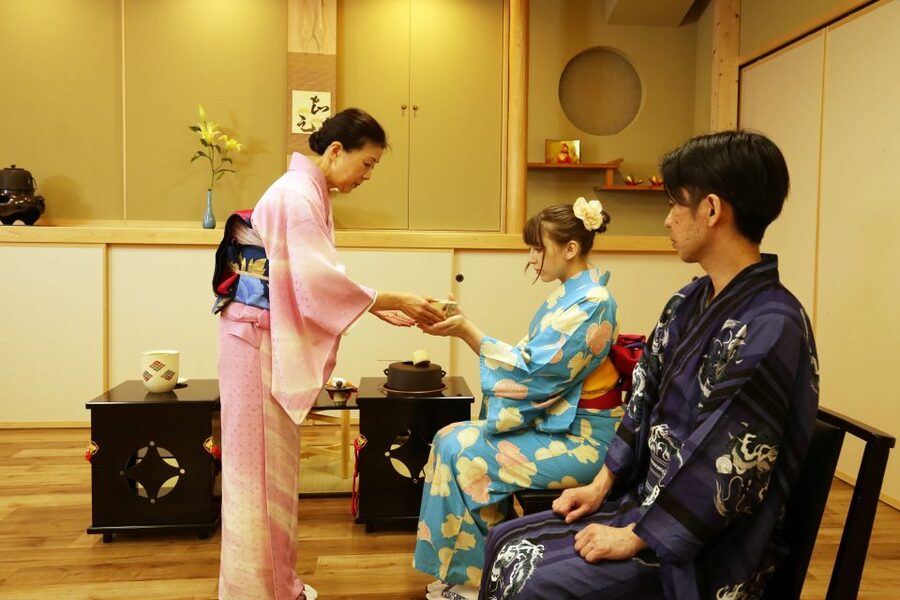
Arrive with enough time to find the Kikai Shinko Kaikan entrance. Tokyo Tower is directly opposite the building, but the area can still feel confusing if you are rushing.
Wear clothing that lets you sit comfortably and move your arms without restriction. You may use a chair, but you will still need to follow the instructor’s hand movements and handle tea equipment.
Listen closely during the first ceremony. The demonstration is not only something to watch. It is your preparation for the second half, when you repeat the process yourself.
Keep your phone quiet and avoid side conversations. Noise is not allowed, and the mood depends on the group giving the ceremony its full attention.
If you are sensitive to sound, lower your expectations about perfect silence. The room can feel like a tearoom, but activity next door may occasionally be audible.
Should you book this tea ceremony?
I would book it if you want more than a sweet and a cup of matcha. The strongest feature is the chance to perform the ceremony yourself, backed by a teacher who explains both the actions and the Zen ideas behind them.
The $63 price is fair for a 75-minute, English-language lesson with a small group and traditional sweets, though it is not aimed at budget tea tasting. The chair option and wheelchair accessibility also make it more practical than many floor-based tea experiences.
Skip it if you need a completely silent setting, a long meditation, or extensive Zen instruction. But if you want a calm, well-guided cultural activity near Tokyo Tower, this offers a useful balance of explanation, ritual, and hands-on practice.
FAQ
How long does the Japanese tea ceremony experience last?
The experience lasts 75 minutes.
Where does the activity meet?
Meet your instructor at the main entrance of the Kikai Shinko Kaikan building on the first floor, directly opposite Tokyo Tower. If you cannot find the instructor, visit True Japan Tour in Room B109 on the basement level.
Is the activity offered in English?
Yes. The instructor leads the activity in English.
Do I have to sit on the floor?
No. Seats are available for participants who prefer not to sit on the floor.
Is the activity wheelchair accessible?
Yes, the activity is wheelchair accessible.
What is included in the price?
The price includes the tea ceremony, traditional Japanese sweets, matcha green tea, and a second ceremony that you perform yourself with guidance. Transportation is not included.
Just added in Tokyo
- The 10 Tastings of Tokyo With Locals: Private Street Food Tour★ 5.0 · 48 reviews
- Small Town in the Big City: Tasting Tokyo’s Kichijoji★ 5.0 · 195 reviews
- Small Town in the Big City: Tasting Tokyo’s Kichijoji★ 5.0 · 16 reviews
- EXCLUSIVE Tokyo Secret: Kichijoji Small-Group Food & Bar Hopping★ 5.0 · 29 reviews
- Explore Kichijoji: Walk Through One of Tokyo’s Beloved Districts★ 5.0 · 21 reviews
- :Tokyo,Shibuya/ Pro Photography in Kimono / English-Friendly★ 5.0 · 26 reviews
- 【R34】Tokyo:Private Daikoku tour in Modified R34★ 4.9 · 92 reviews
- Tokyo:Calligraphy &Make your original folding fan in Asakusa★ 5.0 · 62 reviews
Tea Ceremony Experiences, compared.
Tea Ceremony in a Traditional Tea House in Kiyomizu
Read our review →
World Heritage Kyoto & Nara Uji Authentic Matcha Experience
Read our review →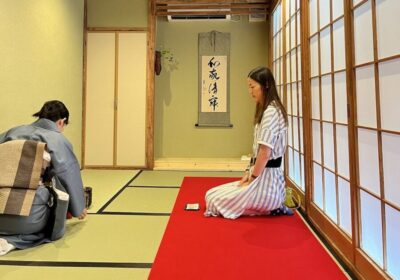
Arashiyama Bamboo Forest, Monkeys, Matcha & Temple Tour
Read our review →Browse the lists this tour appears in